Understanding French Bulldogs’ Compatibility With Other Dogs
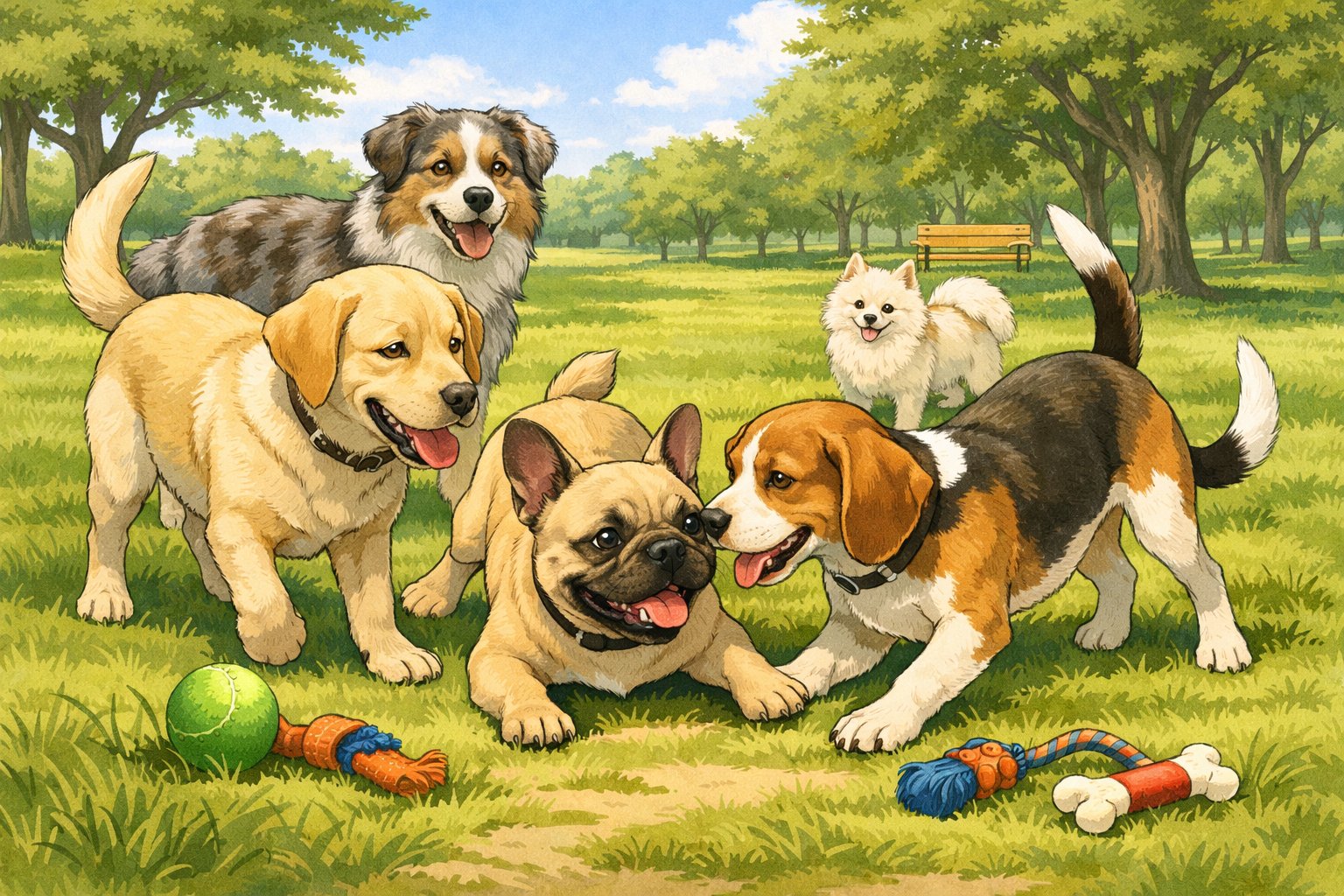
French Bulldogs often live closely with people and other pets. Their success with other dogs depends on temperament, early habits, and how the home manages daily interactions.
Typical French Bulldog Temperament
French Bulldogs show a mix of affection, confidence, and stubborn behavior. Many frenchies prefer human attention, but they can enjoy canine company when handled well.
This balance explains why people often ask, do French Bulldogs get along with other dogs. Most French Bulldogs act calm and playful with companion dogs of similar size and energy.
They may react poorly to rough play or fast-moving dog breeds. Early exposure helps shape steady behavior.
Common temperament traits include:
- Social but selective with other dogs
- Alert and expressive, which can look like tension
- Low prey drive, reducing chase behavior
Owners who understand typical french bulldog temperament can spot stress early and step in before problems start.
Factors That Influence Dog Compatibility
Compatibility depends on more than breed alone. Age, past experiences, and training matter just as much as size or energy level.
Early socialization plays a key role. Puppies introduced to many dog breeds often show better manners later.
Positive training builds calm responses during play and shared space.
Important factors include:
- Age at first exposure to other dogs
- Training style, especially reward-based methods
- Health and comfort, since pain can cause reactivity
French Bulldogs may react defensively if they feel crowded or overwhelmed. Structured introductions and clear boundaries reduce tension and help dogs adjust faster.
Multi-Dog Household Considerations
A multi-dog household needs structure to keep peace. French Bulldogs do best when routines stay predictable and resources remain clear.
Food, toys, and resting spots should stay separate at first. This setup lowers guarding behavior and stress.
Supervised interactions help dogs learn each other’s signals.
Helpful practices include:
| Area | What Helps |
|---|---|
| Feeding | Separate bowls and spaces |
| Play | Short, calm sessions |
| Rest | Individual beds or crates |
Essential Socialization Tips for French Bulldogs
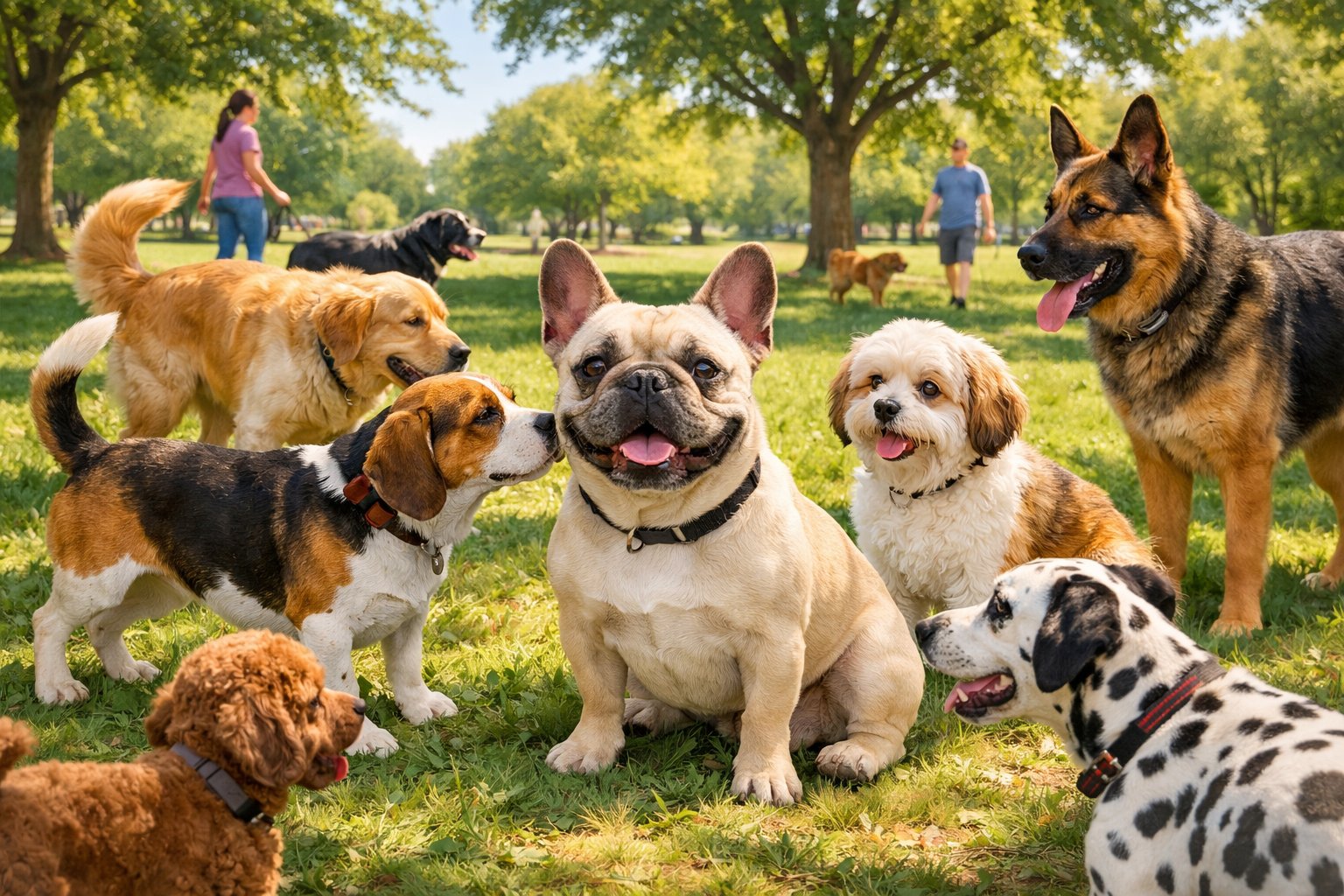
French Bulldogs often enjoy the company of other dogs, but they need clear guidance early in life. Consistent exposure, rewards for calm behavior, and safe group settings help shape polite social habits.
Early Socialization and Socialization Timeline
Early socialization plays a major role in how French Bulldogs interact with other dogs. Most experts stress the key window starts around 8 weeks and continues through the first few months.
During this time, owners should expose the dog to calm dogs, different people, and everyday settings. These experiences reduce fear and build confidence.
Socializing French Bulldogs works best when exposure stays gradual. Short walks, brief greetings, and quiet visits work better than busy dog parks at first.
Many step-by-step guides on French Bulldog socialization highlight steady progress over fast results.
A simple timeline helps owners stay on track:
| Age Range | Focus |
|---|---|
| 8–12 weeks | Gentle exposure, handling |
| 3–6 months | New dogs, short outings |
| 6+ months | Ongoing practice |
Positive Reinforcement Training Methods
Positive reinforcement training shapes good behavior without stress. French Bulldogs respond well to food rewards, praise, and calm voices.
When a Frenchie stays relaxed near another dog, the handler should reward that moment right away. This teaches the dog that calm behavior brings good results.
Training should avoid punishment or forced greetings. These methods often raise fear and slow progress.
Many socialization techniques explained in positive reinforcement dog training guides stress timing and consistency.
Helpful reinforcement tools include:
- Small soft treats
- Verbal praise
- Short training sessions
Positive reinforcement works best when used daily, even during simple walks or brief interactions.
Puppy Classes and Controlled Playdates
Puppy classes give French Bulldogs a structured way to practice dog socialization. Trainers supervise interactions and step in when play gets too rough.
Classes also teach owners how to read body language. This skill helps prevent problems before they start.
Many trainers recommend classes that limit group size and match dogs by age and energy.
Controlled playdates offer similar benefits at home. Owners should invite one calm, friendly dog at a time.
Leashes help manage early greetings, then come off once both dogs relax.
Articles on French Bulldog puppy classes and playdates often stress quality over quantity. Short, positive sessions build better long-term social skills than long, chaotic play.
Addressing Aggression and Social Challenges
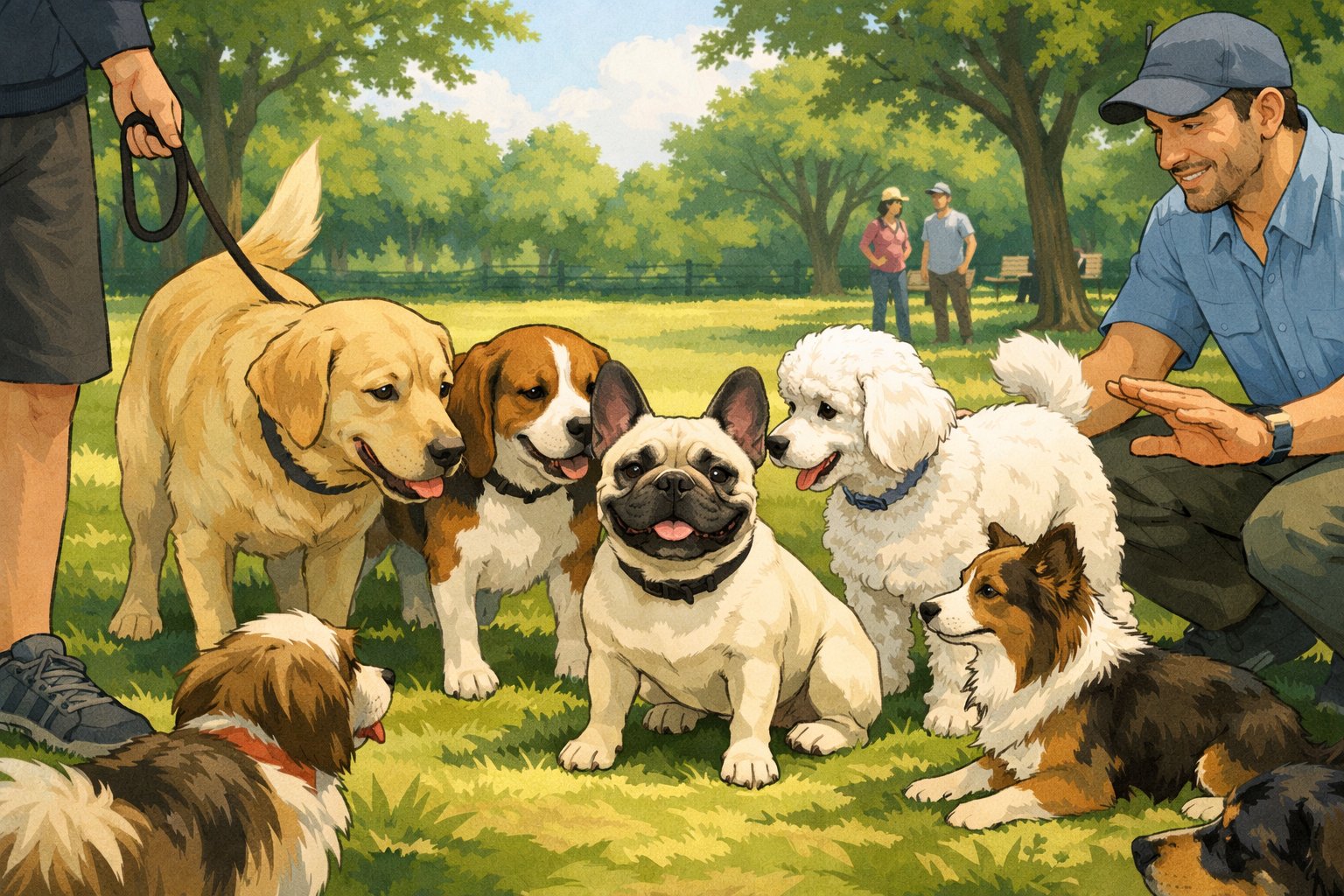
French Bulldogs often get along with other dogs, but some show social challenges. Owners can spot early warning signs, manage common triggers, and know when expert help matters.
Recognizing Signs of Aggression
Aggression in French Bulldogs often starts with small, easy-to-miss behaviors. Early signs include stiff body posture, hard staring, growling, or snapping.
Some dogs freeze before reacting, which often signals fear-based aggression. These behaviors usually appear during greetings, play, or crowded spaces.
Dogs may react more when on leash or near unfamiliar dogs. Stress, lack of early social exposure, or past negative events can raise the risk.
Clear signs of aggression deserve attention. Articles on French Bulldog aggression towards other dogs explain how early action can prevent repeat issues.
Calm handling and controlled exposure help reduce escalation.
Resource Guarding and Territorial Behavior
Resource guarding happens when a French Bulldog protects food, toys, beds, or even people. Warning signs include hovering over items, growling when approached, or snapping if another dog comes close.
Territorial behavior often shows up at home. Dogs may bark, lunge, or block doorways when other pets enter their space.
This behavior links to insecurity, not dominance.
Owners can manage these issues with structure. Helpful steps include:
- Feeding dogs separately
- Removing high-value toys during group play
- Rewarding calm behavior near shared spaces
Guides on French Bulldog behavior problems explain how routine and clear boundaries lower stress for multi-dog homes.
When to Consult a Professional Dog Trainer
Some situations need expert support. Owners should contact a professional dog trainer if aggression increases, causes injury, or appears sudden.
Trainers can identify triggers and create a safe plan. Look for trainers who use positive reinforcement methods.
These approaches reduce fear and build trust without punishment. Trainers may also work with veterinarians if anxiety or pain contributes to behavior.