Essential Training Tips for Strong‑Willed Beagles
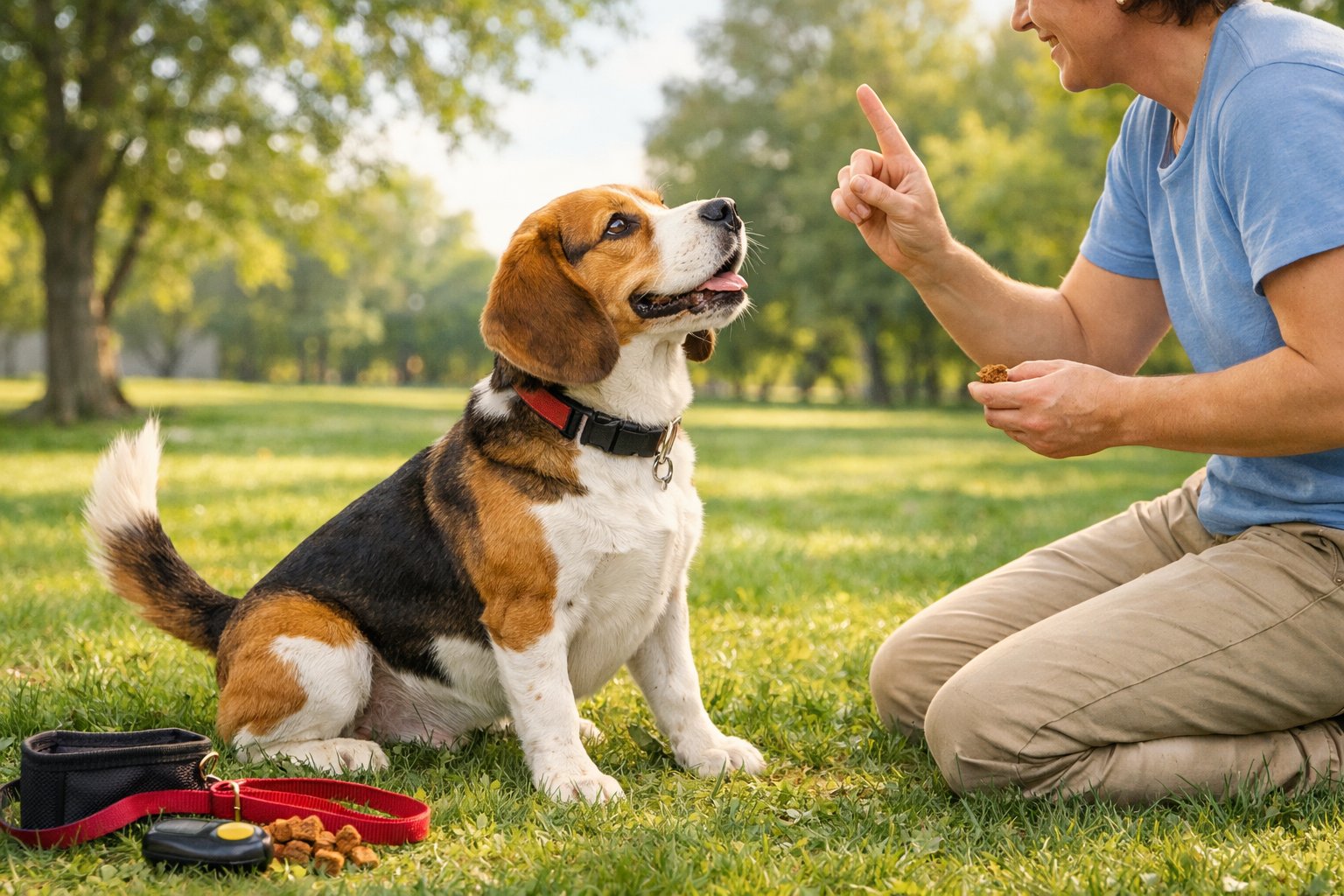
Strong‑willed beagles respond best to training that respects their instincts while setting clear limits. Success depends on understanding motivation, keeping routines steady, rewarding the right behavior, and handling common problems with patience.
Understanding Beagle Temperament and Motivation
A beagle’s temperament mixes curiosity, independence, and affection. They follow their nose first, which shapes much of their behavior.
This trait can slow training when scents distract them, even during simple commands. Food often drives motivation more than praise alone.
Many trainers rely on small, tasty rewards to keep focus. Articles on beagle temperament and training challenges explain how scent work and short sessions help maintain attention.
Beagles also bond closely with people. They want interaction and routine.
When training beagles, handlers should use calm energy and clear signals. Harsh methods often backfire and reduce trust.
Establishing Consistent Routines and Boundaries
Consistency builds trust and reduces confusion. Beagles learn faster when meals, walks, and training happen at the same times each day.
This structure supports good beagle behavior inside and outside the home. Clear boundaries matter just as much.
Everyone in the household should follow the same rules. Mixed signals slow progress and increase stubborn behavior.
A simple routine may look like this:
| Time of Day | Activity |
|---|---|
| Morning | Potty break, short walk |
| Midday | Play or training session |
| Evening | Walk, calm indoor time |
Many owners ask are beagles hard to house train. Guides on beagle housebreaking routines show that frequent potty breaks and close supervision improve results.
Using Positive Reinforcement Techniques Effectively
Positive reinforcement techniques work best when rewards match effort. Beagles respond well to food, toys, and brief play.
Rewards should come within seconds of the correct action. Short sessions keep learning strong.
Five to ten minutes works better than long drills. Trainers should end on a success to keep motivation high.
Effective rewards include:
- Soft treats broken into small pieces
- Verbal praise paired with treats
- Quick games like tug or fetch
Many step‑by‑step plans for positive reinforcement training for beagles stress timing and consistency. When handlers reward only desired actions, habits form faster.
Overcoming Common Training Challenges
Common issues include pulling on the leash, barking, and ignoring commands outdoors. These problems often come from excess energy or scent distractions.
Daily exercise reduces many setbacks. Leash pulling improves with harnesses and frequent direction changes.
Barking often drops when boredom ends. Digging decreases with designated play zones and scent games.
Some owners worry training a beagle takes longer than other breeds. Resources on training beagles with strong scent drives show progress depends on repetition, not force.
Patience matters most. When handlers stay calm and consistent, strong‑willed beagles usually respond with steady improvement.
Managing Stubborn Behaviors and Channeling Energy
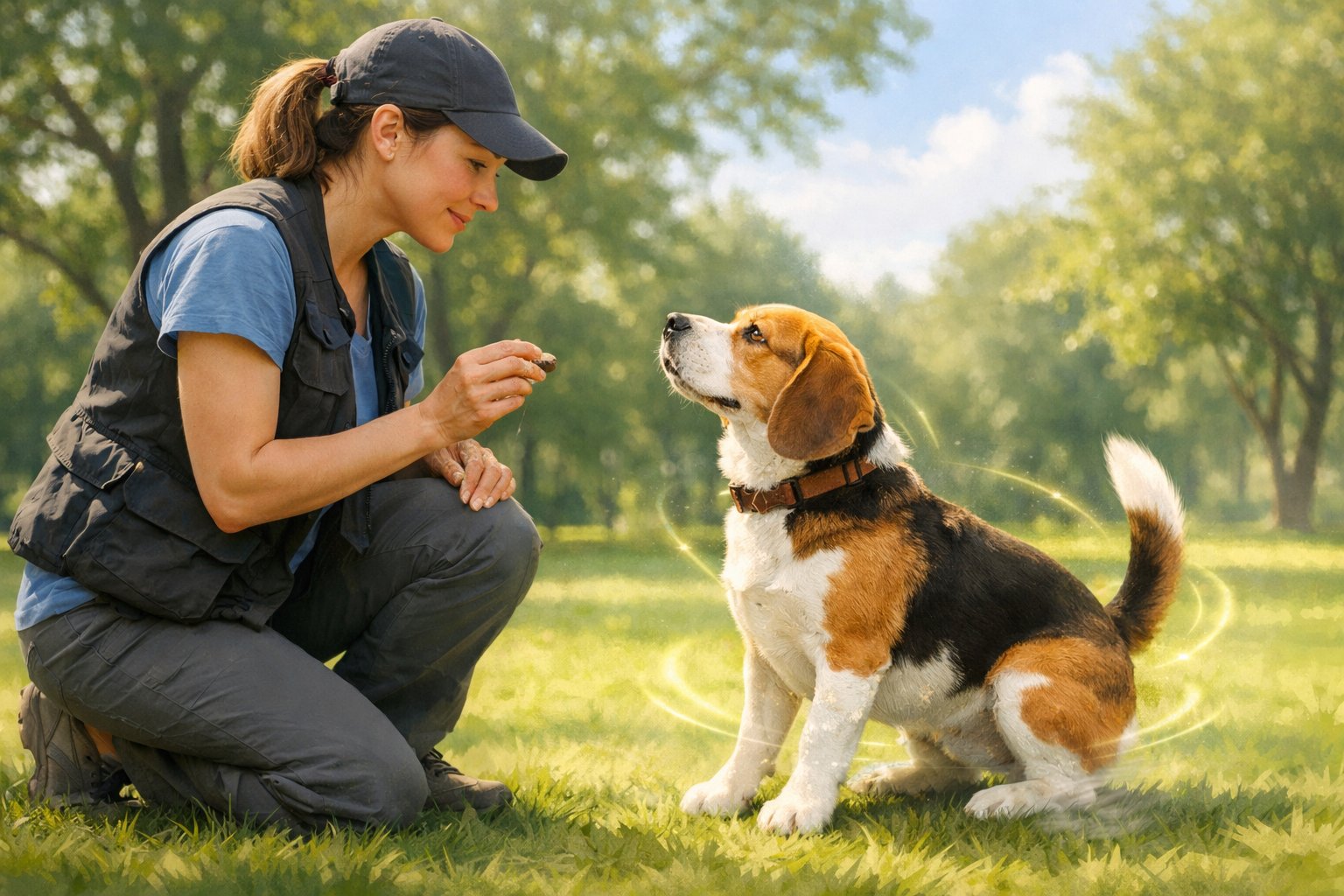
Beagles act on instinct, especially their nose and voice. Clear rules, daily activity, and smart outlets for energy reduce barking, improve focus, and build better habits at home and on walks.
Preventing Excessive Barking and Howling
Beagles bark and howl because they are vocal scent hounds. They react to smells, sounds, and boredom.
Owners should first spot the trigger instead of correcting the noise alone.
| Common Trigger | What Helps |
|---|---|
| Door sounds | Ask for a sit before opening |
| Outdoor smells | Close windows during rest |
| Boredom | Add short play breaks |
Reward quiet moments right after the dog settles. Ignore demand barking when it is safe to do so.
Consistent responses matter more than volume. Many trainers note that structured routines help reduce vocal habits, as explained in guides on dealing with a stubborn beagle.
Providing Mental Stimulation and Scent Games
Beagles need mental stimulation as much as exercise. Their nose drives their behavior, so scent work tires them faster than long walks alone.
Simple scent games work well:
- Hide treats in boxes or towels
- Scatter kibble in the yard
- Use beginner tracking paths indoors
Rotate interactive toys every few days to keep interest high. Short games before meals improve focus and reduce restlessness.
Many training plans recommend scent-based activities because they match breed instincts, which aligns with advice from beagle training and behavior tips.
Leash Training and Reliable Recall
Beagles pull because scents override attention. A front-clip harness gives better control without pain.
Owners should reward loose-leash walking every few steps at first. Recall training works best with a long line.
Practice in quiet areas before adding distractions. Use one clear word, then reward fast returns with food or praise.
Never rely on off-leash recall near traffic or wildlife. Even trained dogs can follow a scent.
Many handlers stress leash safety due to wandering risks, a point covered in how to control a beagle.
House Training Strategies for Beagles
People often ask, are beagles hard to house train. They can be, mainly due to distraction and stubborn streaks.
Structure solves most issues. Key steps include:
- Fixed feeding times
- Frequent outdoor breaks
- Immediate rewards after success
Clean indoor accidents with enzyme cleaners to remove scent cues. Crates help when used for short periods and paired with positive routines.
Patience matters. Consistent schedules usually lead to steady progress over time.
Socialization, Enrichment, and Well‑Being
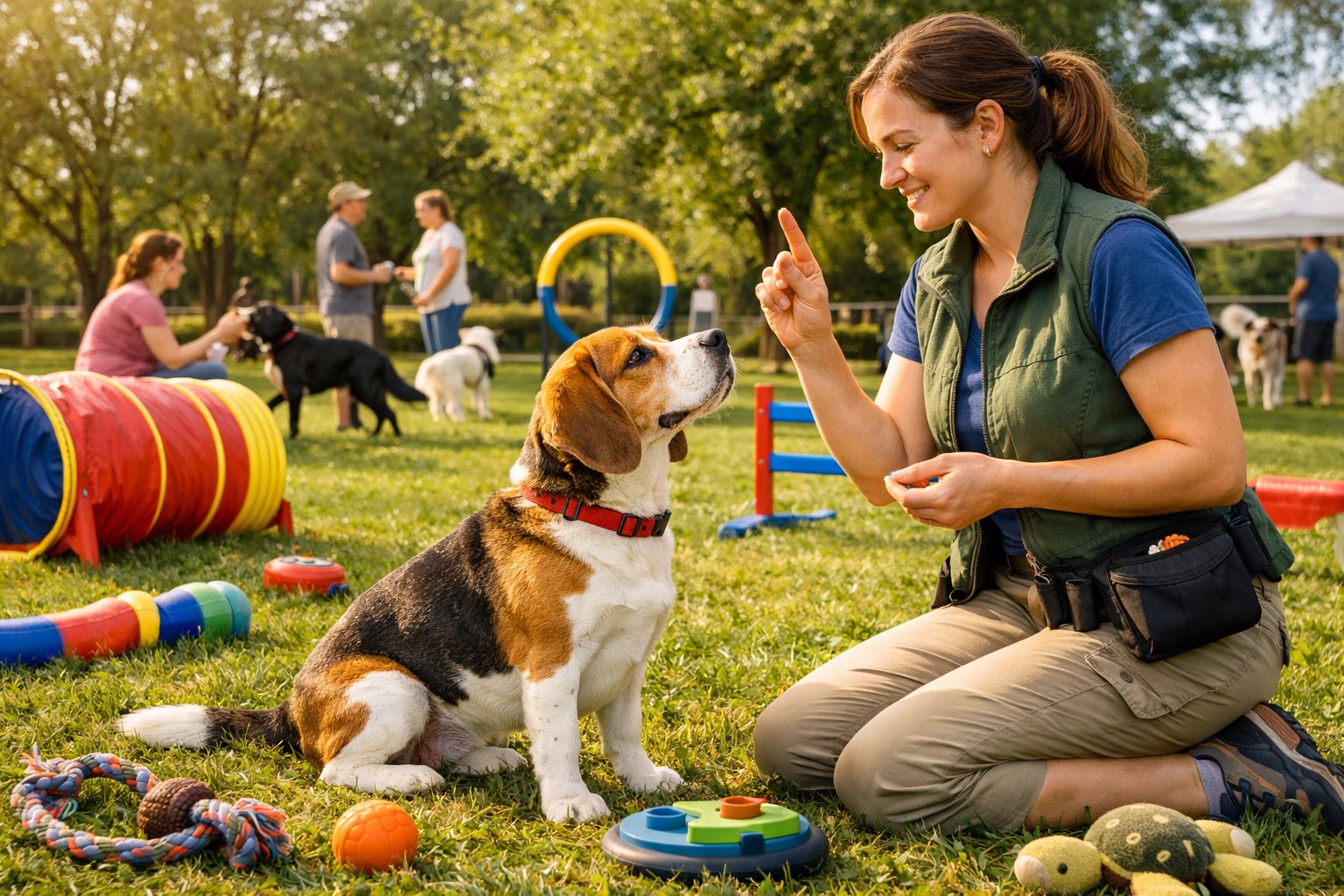
Beagles do best when they get steady social contact, daily mental work, and calm routines. These habits lower stress, limit problem behavior, and support long-term health.
Socializing Your Beagle with People and Dogs
Early and steady socializing a Beagle builds trust and reduces fear. They should meet adults, children, and calm dogs in short, planned sessions.
Start in quiet places and add busier settings over time. Good social practice helps prevent dog aggression later.
Reward calm behavior with treats and praise. Stop sessions if the dog shows stress, such as stiff posture or tucked tail.
Helpful social activities include:
- Leashed walks in new neighborhoods
- Small playdates with known dogs
- Group classes that focus on manners
Many trainers follow guidance similar to these Beagle socialization tips to match the breed’s curious nature.
Handling Separation Anxiety and Emotional Needs
Beagles form strong bonds and may struggle with separation anxiety. Signs include barking, pacing, or chewing when alone.
Owners should train alone time in small steps, starting with minutes, not hours. A steady routine helps.
Feeding, walks, and rest should happen at the same times each day. Leave safe chew toys or food puzzles to keep the mind busy.
Key support habits:
- Calm exits and arrivals
- No punishment for anxiety behavior
- Daily exercise before alone time
If anxiety stays severe, a veterinarian can rule out health issues and suggest behavior plans or referrals.
Safe Outings: Dog Parks and New Environments
Dog parks can help with social skills, but they are not right for every Beagle.
Dogs should know basic commands and respond to recall before entering off-leash areas.
Choose parks with separate areas for size and energy level.
Watch closely for signs of stress or rough play.
Leave early if behavior shifts.
For safer outings:
- Visit during low-traffic hours
- Keep first visits short
- Bring high-value treats for focus
Some owners prefer structured walks or classes over parks, as noted in guides like how to socialize a Beagle step by step.