Key Qualities of Beagles as Family Dogs
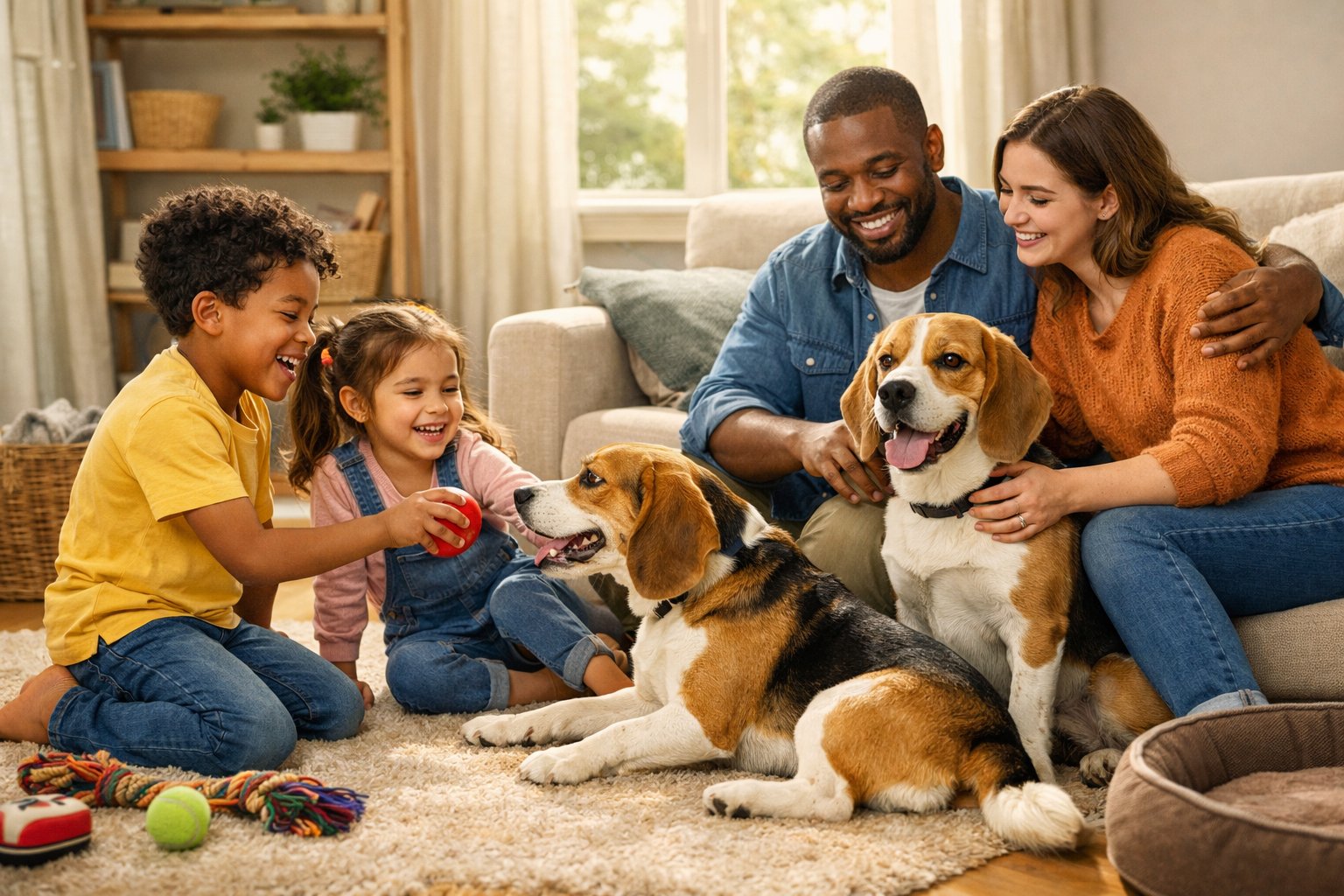
The beagle breed stands out for its friendly nature, small size, and strong social drive. These traits shape how beagles behave at home and interact with children and pets.
They also help beagles adjust to different living spaces.
Temperament and Social Behavior
Beagles are social dogs that enjoy being around people and other animals. They were bred to work in packs, which helps explain their comfort in busy homes with regular activity.
Many families choose them as family pets because they seek attention and stay engaged with daily routines. The American Kennel Club describes beagles as loyal and friendly companions.
They tend to greet visitors without fear or aggression, which makes them poor guard dogs but pleasant housemates. Their need for company means they do best in homes where someone is around for much of the day.
Long periods alone can lead to barking or boredom-based habits.
Compatibility With Children and Other Pets
Beagles often show patience and tolerance with children. Their medium size and sturdy build help them handle play that may feel overwhelming to smaller dogs.
Families with school-age kids often find that a beagle fits well into active schedules and shared playtime. Many experts, including the National Beagle Club, note that beagles usually get along with other dogs.
Early social time helps them adjust to cats and smaller pets, though their strong scent drive still matters. Supervision and training reduce chasing behavior.
Clear rules and calm introductions help beagles settle into multi-pet homes.
Key interaction traits:
- Gentle play style
- High interest in group activity
- Best results with early training
Adaptability to Different Living Environments
Beagles adapt well to many home types, from houses with yards to apartments. Their size makes them manageable indoors, but they still need daily exercise.
Regular walks and outdoor play support good behavior and health. Family dogs like beagles adjust better when owners provide structure.
Consistent schedules for meals, walks, and rest reduce stress. While they enjoy outdoor space, a nearby park can meet their needs.
Pros and Cons of Owning a Beagle

Beagles offer warmth, playfulness, and strong family bonds. They also bring noise, stubborn habits, and high activity needs.
Families benefit most when they understand both the strengths and limits of this scent hound.
Major Benefits for Families
Beagles thrive in family settings because they enjoy company and routine. They often show patience with children and prefer group life, which makes them a natural fit for busy homes.
Many families value how well beagles interact with other dogs, as noted in guides about beagles as family companions. Owning a beagle also means sharing life with an affectionate dog that likes physical closeness.
Beagle puppies tend to seek attention and often follow family members from room to room. Their medium size helps them fit into apartments or houses without special space needs.
They also have simple grooming needs. A short coat and minimal shedding reduce upkeep, which helps families with limited time.
Notable Challenges and Drawbacks
Beagles test limits, especially during training. They often follow their nose instead of commands, which frustrates first-time owners.
This stubborn streak appears often in lists of common beagle drawbacks. Food behavior creates another challenge.
Beagles steal food if given the chance, which requires locked bins and strict rules with kids. A beagle puppy learns bad habits fast if the household stays inconsistent.
Noise also causes stress. Howling and barking happen often, especially when the dog feels bored or alert.
Families in close neighborhoods may struggle with complaints if they cannot manage this behavior early.
Beagle Energy Levels and Exercise Needs
Beagles carry steady energy throughout the day. They need daily walks, active play, and time to explore scents.
Without this outlet, they may chew, dig, or bark. Articles about beagle activity needs stress regular exercise as a must, not an option.
Because they are a scent hound, beagles gain mental relief from sniffing games. Hiding treats or using puzzle toys helps burn energy indoors.
A tracking dog mindset means they enjoy tasks with purpose. Families should plan at least one long walk plus playtime each day.
This routine supports better behavior and calmer evenings at home.
Vocalization and Prey Drive
Beagles communicate through barking, baying, and howling. This trait comes from their history as a tracking dog bred to signal hunters.
Guides on beagle vocal behavior note that training can reduce noise but rarely removes it fully. Their prey drive also runs strong.
Beagles chase squirrels, rabbits, and strong smells without warning. A leash remains essential in open areas, even with training.
Families must teach children to keep doors and gates closed. This habit prevents escapes and keeps the beagle safe when instincts take over.
Training, Health, and Care Considerations
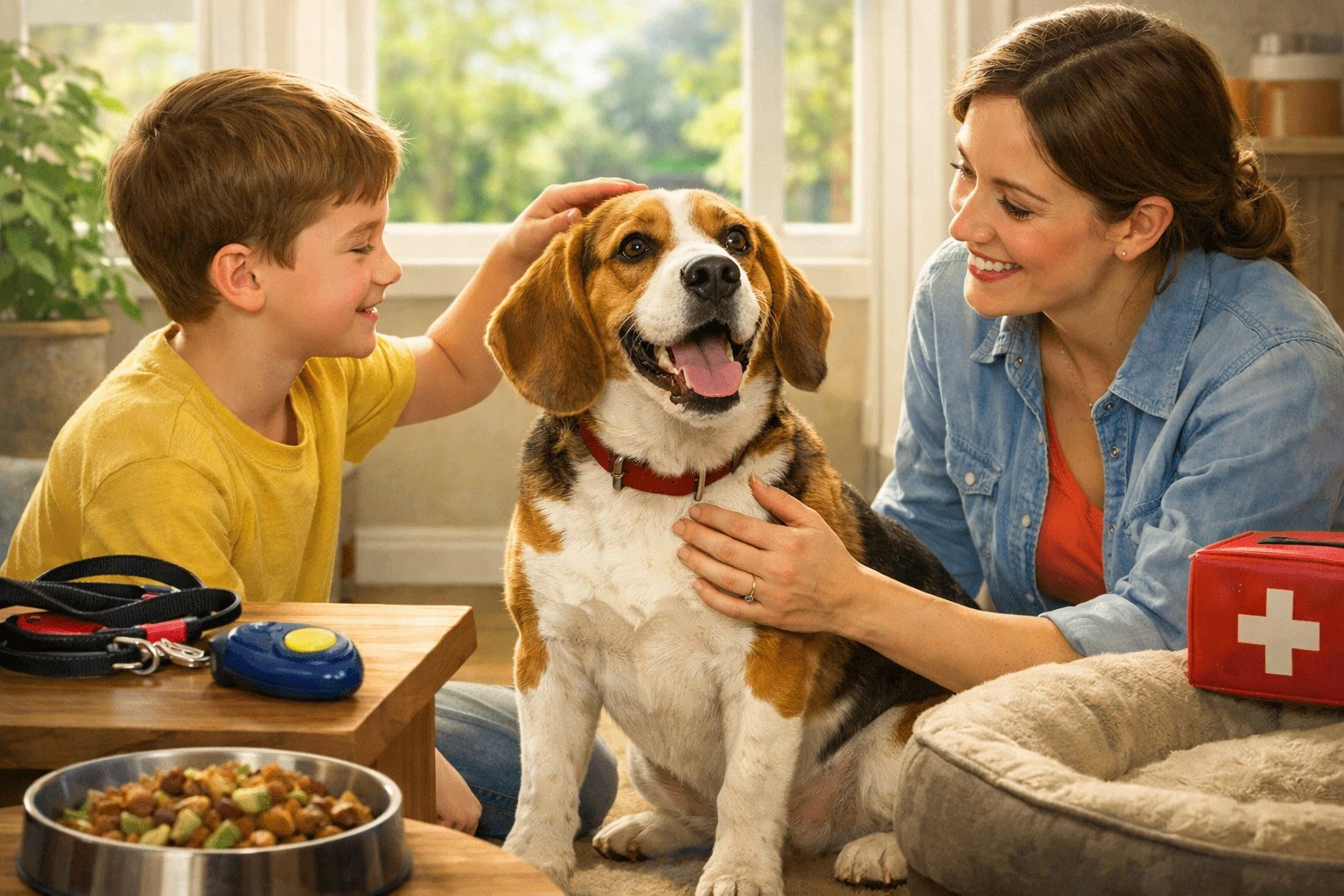
Beagles need steady training, regular health care, and simple grooming to stay happy at home. Families should plan for patience, daily routines, and basic preventive care.
Training a Beagle: What to Expect
Training a beagle takes time and consistency. They learn fast, but their strong nose often pulls focus away from commands.
Short sessions work best, especially with food rewards. Positive reinforcement helps reduce stubborn behavior.
Treats, praise, and calm repetition keep them engaged. Harsh methods often fail and can slow progress.
Beagle puppies need early training. Basic cues like sit, stay, and come should start right away.
Early leash training matters because beagles like to follow scents. Many families notice better results when they understand common beagle training challenges and plan around them.
Helpful training tips:
- Keep sessions under 10 minutes
- Train before meals for better focus
- Practice recall in fenced areas
Beagle Health and Longevity
Beagle health stays strong with proper care. Most beagles live about 12 to 15 years.
Regular vet visits help catch issues early. Common concerns include weight gain, ear infections, and joint problems.
Beagles love food, so portion control matters. Daily walks help manage weight and support joint health.
Floppy ears trap moisture and dirt. Weekly ear checks reduce infection risk.
Families who understand common beagle health concerns can plan simple routines that support long-term wellness.
Routine care basics:
- Annual vet exams
- Balanced diet by age and size
- Daily exercise
Grooming and Maintenance
Grooming a beagle stays simple. Their short coat sheds, but brushing once a week helps control hair and keeps skin healthy.
Baths are only needed every few months unless the dog gets dirty. Nails should be trimmed about once a month to avoid discomfort.
Beagle puppies need early grooming habits. Gentle brushing and paw handling help them stay calm as adults.
| Care Task | How Often |
|---|---|
| Brushing | Weekly |
| Ear cleaning | Weekly |
| Nail trimming | Monthly |
| Bathing | Every 2–3 months |