
Dogs are known for their playful and curious nature, but sometimes they exhibit certain behavior that may seem unusual or concerning to their owners. One such behavior is chewing on their feet. While it may seem harmless, excessive foot chewing can be a sign of an underlying issue that needs to be addressed.
There could be several reasons why a dog may chew on their feet. One of the most common reasons is allergies. Dogs can be allergic to a variety of things, including food, pollen, and dust mites. When they come in contact with an allergen, they may start scratching and chewing on their feet to relieve the itching and discomfort.
Another reason why a dog may chew on their feet is boredom or anxiety. Dogs that are left alone for long periods of time or don’t get enough exercise may resort to destructive behavior, including excessive chewing. Similarly, dogs that are anxious or stressed may chew on their feet as a way to self-soothe.
Common Reasons Why Dogs Chew on Their Feet
Allergies
One of the most common reasons why dogs chew on their feet is due to allergies. Dogs can develop allergies to various things such as food, pollen, dust mites, and more. When a dog is allergic to something, it can cause itching and irritation, which can lead to excessive licking and chewing of the feet. If you suspect that your dog has allergies, it’s important to consult with a veterinarian to determine the cause and proper treatment.
Parasites
Dogs can also develop parasites such as fleas, ticks, and mites, which can cause itching and discomfort. When a dog has parasites, they may chew on their feet to try and alleviate the irritation. It’s important to regularly check your dog for parasites and use preventative measures such as flea and tick medication to keep them healthy and comfortable.
Injuries
Injuries to the paws or toes can also cause a dog to chew on their feet. This can include cuts, scrapes, and even broken bones. If your dog is chewing on their feet excessively and you notice any signs of injury, it’s important to take them to the veterinarian for proper treatment.
Boredom
Dogs that are bored or lack stimulation may also chew on their feet as a way to entertain themselves. Providing your dog with plenty of toys, exercise, and mental stimulation can help prevent boredom and reduce the likelihood of them chewing on their feet.
Anxiety
Lastly, anxiety can also be a reason why dogs chew on their feet. Dogs that suffer from separation anxiety or other forms of anxiety may chew on their feet as a way to cope with their stress. If you suspect that your dog has anxiety, it’s important to consult with a veterinarian or a professional dog trainer to determine the best course of action.
Less Common Reasons Why Dogs Chew on Their Feet
Autoimmune Disorders
Autoimmune disorders can cause a dog’s immune system to attack its own tissues, including the skin on their paws. This can lead to itching and chewing as the dog tries to alleviate the discomfort. Some autoimmune disorders that can cause paw chewing include:
- Lupus
- Pemphigus
- Discoid lupus erythematosus
If a dog is suspected to have an autoimmune disorder, a veterinarian will need to perform tests to diagnose and treat the condition.
Neurological Disorders
Neurological disorders can also cause dogs to chew on their feet. These disorders affect the nervous system and can cause abnormal sensations, such as itching or pain, in the paws. Some neurological disorders that can cause paw chewing include:
- Neuropathy
- Spinal cord injuries
- Brain tumors
If a dog is suspected to have a neurological disorder, a veterinarian will need to perform tests to diagnose and treat the condition.
Hormonal Imbalances
Hormonal imbalances can cause a variety of symptoms in dogs, including paw chewing. Hormones such as cortisol and thyroid hormone can affect a dog’s skin and make it itch. Some hormonal imbalances that can cause paw chewing include:
- Cushing’s disease
- Hypothyroidism
If a dog is suspected to have a hormonal imbalance, a veterinarian will need to perform tests to diagnose and treat the condition.
Preventing and Treating Foot Chewing
Dogs chewing on their feet can be a sign of a medical issue or behavioral problem. Preventing and treating foot chewing can involve a combination of regular grooming, dietary changes, behavioral modification, and medical treatment.
Regular Grooming
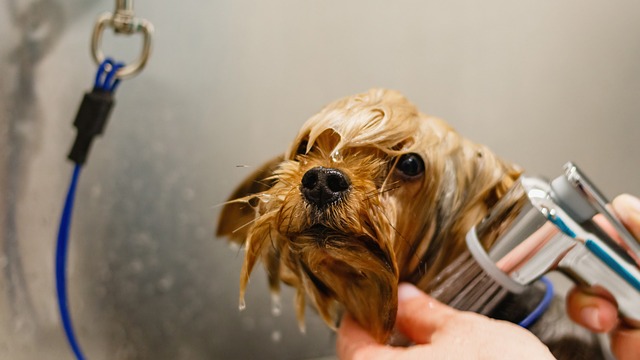
Regular grooming can help prevent and treat foot chewing in dogs. Keeping the feet clean and dry can reduce irritation and the likelihood of infection. Trimming the hair around the feet can also prevent matting and irritation. Additionally, regularly trimming the nails can prevent overgrowth and discomfort.
Dietary Changes
Dietary changes can also play a role in preventing and treating foot chewing. Allergies to certain ingredients in dog food can cause itching and irritation, leading to excessive licking and chewing of the feet. Switching to a hypoallergenic or limited ingredient diet can help identify and eliminate potential allergens.
Additionally, adding omega-3 fatty acids to the diet can help reduce inflammation and improve skin health, potentially reducing the urge to chew on the feet.
Behavioral Modification
Behavioral modification can be an effective way to address foot chewing caused by anxiety or boredom. Providing plenty of exercise and mental stimulation can help reduce stress and boredom, which can lead to excessive licking and chewing. Additionally, teaching dogs alternative behaviors, such as playing with a toy or receiving a treat, can redirect their attention away from their feet.
Medical Treatment
If foot chewing is caused by a medical issue, such as a skin infection or allergy, medical treatment may be necessary. Depending on the underlying cause, treatment may include antibiotics, antifungal medication, or allergy medication. In some cases, a veterinarian may recommend a cone or other device to prevent further licking and chewing while the underlying issue is being addressed.