Are French Bulldogs Good Apartment Dogs?
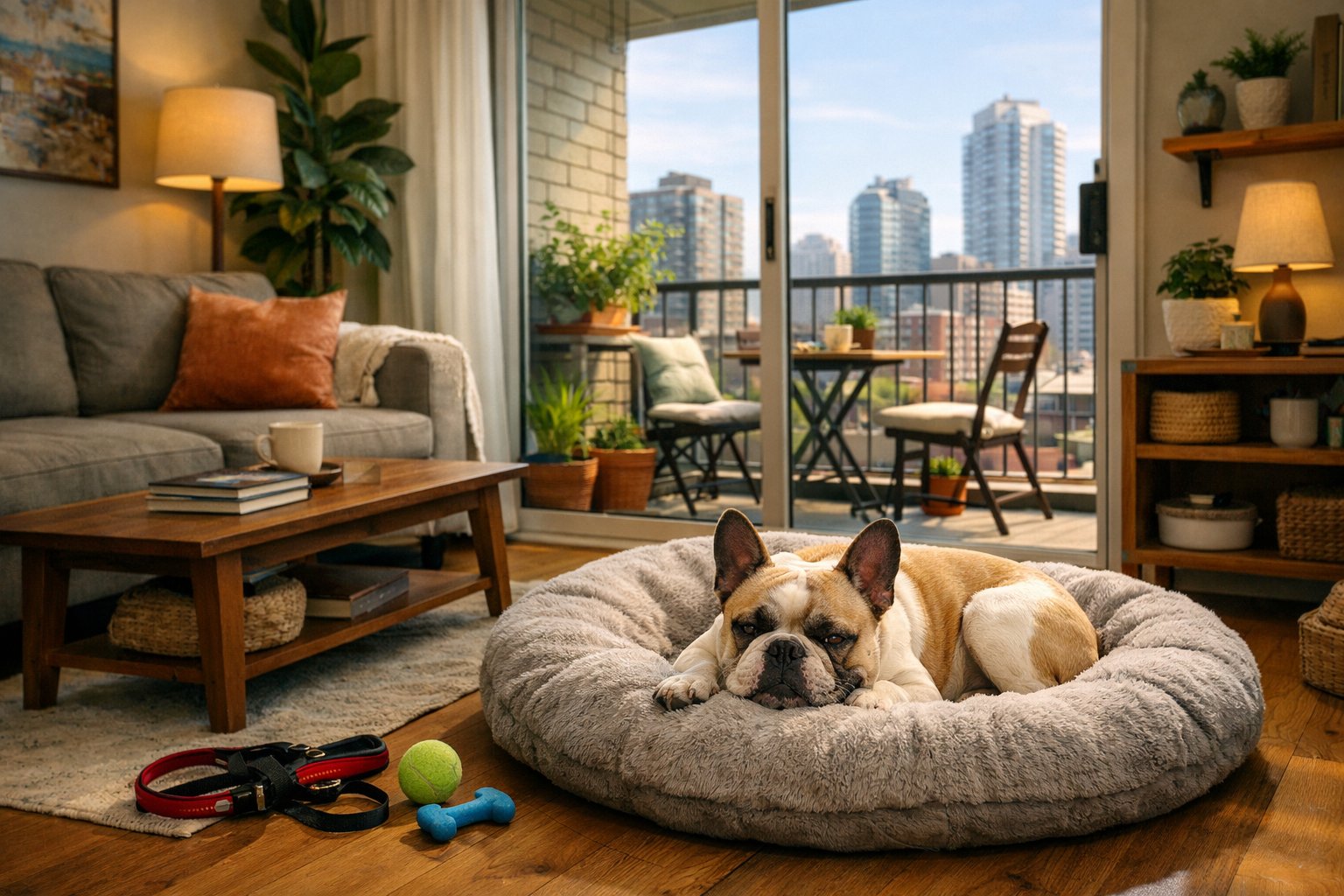
French Bulldogs often fit well into apartment life because of their size, calm habits, and strong bond with people. Their needs stay simple, but owners must manage exercise, noise, and daily care in close living spaces.
Why French Bulldogs Are Suited for Apartment Living
French bulldogs rank among the most common apartment dogs for clear reasons. Their small, sturdy build makes it easy for them to move around tight spaces without feeling cramped.
They prefer staying close to people and enjoy resting near their owner for much of the day. Many frenchies sleep 12 to 14 hours, which suits smaller homes.
Key pros of owning a french bulldog in an apartment include:
- Compact size that fits small rooms
- Low exercise needs compared to many breeds
- Strong attachment to owners, which supports indoor living
Many families see french bulldogs as some of the best family dogs for apartments because they tend to stay gentle and patient. Several studies and owner reports note that French Bulldogs can live in apartments when owners meet their basic needs.
Daily Exercise and Activity Needs in Apartments
French bulldogs do not need long or intense workouts. Short, steady activity works best for their body type and breathing limits.
Most frenchies do well with two short walks per day, often 10 to 20 minutes each. Indoor play also helps, especially tug toys or gentle games in open areas.
| Activity Type | Typical Time | Notes |
|---|---|---|
| Short walks | 20–40 minutes total | Avoid heat and long stairs |
| Indoor play | 10–20 minutes | Use toys to prevent boredom |
Apartment owners must watch for overheating. Flat faces make it harder for french bulldogs to cool down.
Many guides on French Bulldogs and apartment living pros and cons stress the value of air flow and cool rooms.
Noise Levels and Considerations for Neighbors
French bulldogs usually stay quiet, which matters in shared buildings. They bark less than many breeds and often stay calm indoors.
That said, frenchies can bark if they feel lonely or anxious. Separation anxiety remains one of the main french bulldogs pros and cons in apartments.
Common noise-related points include:
- Low barking frequency in most homes
- Snoring and snorting, which can sound loud at night
- Occasional barking when left alone too long
Owners who work long hours may face challenges. Urban guides note that French Bulldogs do well in apartments when neighbors, schedules, and training all align.
Pros and Cons of French Bulldogs in Apartments
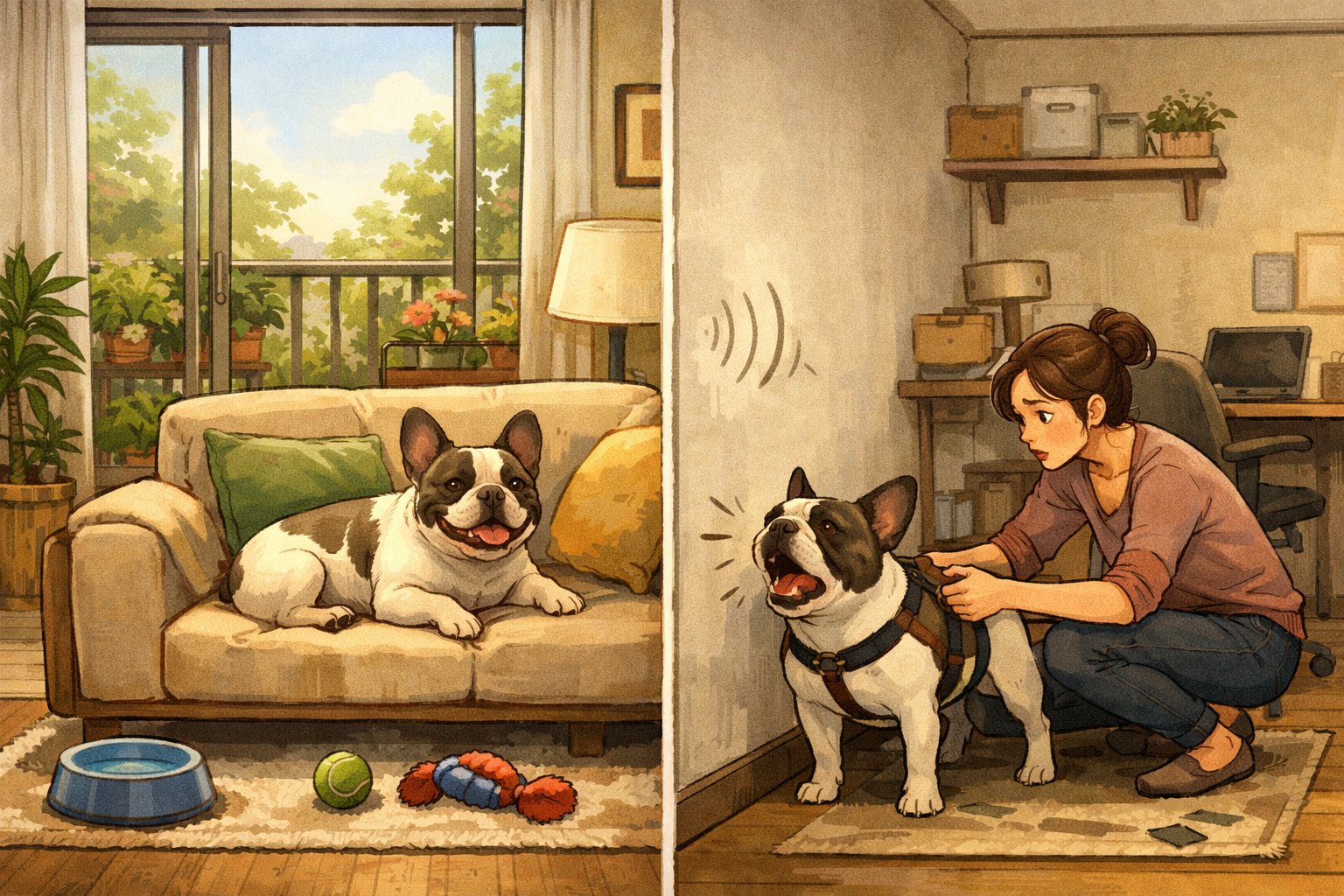
French Bulldogs fit many apartment lifestyles but come with clear trade-offs. They offer close companionship and low daily demands, yet health limits and space challenges matter.
Affectionate Companionship and Adaptability
French Bulldogs form strong bonds with their owners. They enjoy staying close and often follow people from room to room.
This trait suits apartment living, where shared space matters. They adapt well to small homes.
Their compact size helps them move around tight layouts with ease. Many owners choose them because French Bulldogs handle apartment living well without needing a yard, as noted in guides on French Bulldogs and apartment living pros and cons.
Their social nature can also cause issues. They may struggle when left alone for long hours.
Owners who work long shifts should plan for toys, training, or a sitter to reduce stress.
Minimal Grooming and Low Energy Requirements
French Bulldogs need simple grooming. Their short coat sheds, but brushing once a week often works.
Baths stay occasional, which helps apartment owners save time and space. They also have low energy needs.
Short walks and indoor play usually meet their exercise needs. This makes them appealing for people with limited access to parks.
Pros of owning a French Bulldog often include:
- Small body size
- Short daily walks
- Easy coat care
They still need mental activity. Puzzle toys and short play sessions prevent boredom, which helps reduce barking in shared buildings.
Health Issues and Challenges with Frenchies
Health concerns shape many cons of owning a French Bulldog. The breed is brachycephalic, meaning it has a short nose.
This can cause brachycephalic airway syndrome and breathing trouble. Heat poses a real risk.
Poor airflow makes hot apartments unsafe without air conditioning. Owners must manage temperature year-round.
Other common issues include hip dysplasia and cherry eye. Vet care can cost more than with other small breeds.
Many people ask how long do French Bulldogs live. Most live about 10–12 years, but health care plays a big role in lifespan.
Potential Drawbacks of Apartment Living
Apartments can limit outdoor time. French Bulldogs cannot handle long walks or stairs well.
Elevators help, but older dogs may still struggle. Noise can also cause issues.
While many Frenchies bark less than other breeds, boredom or anxiety can increase noise. Training helps, but shared walls raise stakes.
A quick view of French Bulldogs pros and cons for apartments:
| Advantage | Drawback |
|---|---|
| Small size | Heat sensitivity |
| Low exercise | Separation anxiety |
| Quiet nature | Ongoing vet needs |
Lifestyle Factors and Care for Apartment Frenchies

Apartment life works best for Frenchies when owners plan daily routines, choose dogs carefully, and manage training early. Smart choices around breeders, social habits, and family fit shape how well these dogs settle into smaller homes.
Finding a Reputable Breeder for Apartment-Friendly Frenchies
A reputable breeder helps set the stage for calm apartment living. They screen health issues linked to breathing, joints, and heat.
These checks matter more in small spaces with limited airflow. Good breeders also raise French Bulldog puppies in clean, social settings.
Puppies exposed to normal household noise adjust faster to apartment sounds. Elevators, hallways, and neighbors feel less stressful later.
Buyers should ask clear questions. A short checklist helps:
- Health testing for parents
- Early social handling
- Honest guidance on energy level
Many city owners choose this breed because they fit well in small homes. Guides on French Bulldogs living in apartments explain why breeder choices matter from day one.
Socializing, Training, and Care Considerations
Early socializing reduces barking and anxiety in shared buildings. Owners should expose puppies to people, dogs, and common city sounds before habits form.
Short, calm walks work better than long outings. Training needs to stay simple and steady.
Frenchies respond best to praise and treats. Basic cues like sit, stay, and quiet help with hallway manners and neighbor noise.
Daily care stays manageable but consistent. Owners should focus on:
- Brief walks two to three times a day
- Mental play like puzzle toys indoors
- Cool rooms to prevent overheating
Many owners choose Frenchies because they bark less than other breeds. That trait helps with noise rules, as explained in this guide on apartment-friendly French Bulldogs.
French Bulldogs with Children and Other Pets
Families often ask, are French Bulldogs good with children? They usually do well when kids respect space and handle them gently.
Their sturdy build and playful nature fit family routines. Supervision still matters, especially with young kids.
Frenchies tire quickly and need breaks. Calm play works better than rough games in small rooms.
They also live well with other pets when introduced slowly. Clear rules help prevent stress:
- Separate feeding areas
- Short first meetings
- Shared play only after trust builds
They prefer close contact and tend to stay near their people, which suits family life indoors.