• Skip to main content
  • Skip to primary sidebar

superduperdog

superduperdog

Julia Huskey

Why Do Dogs Bark at Nothing? Exploring the Reasons Behind This Common Behavior

March 28, 2023 by Julia Huskey

Image by dahancoo from Pixabay

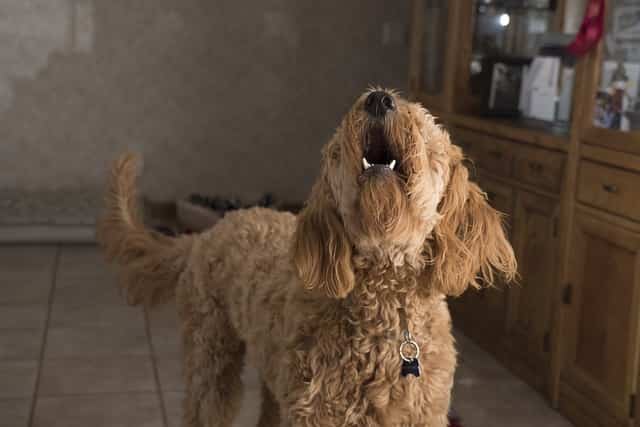
Dogs are known for their barking, and it is a natural behavior for them to communicate with their owners and other dogs. However, sometimes dogs bark at seemingly nothing, leaving their owners puzzled and confused. This behavior can be frustrating for dog owners and can lead to concerns about their dog’s mental health.

There are several reasons why dogs bark at nothing. One of the most common reasons is that they hear something that humans cannot. Dogs have a much better sense of hearing than humans, and they can pick up on sounds that are too high or too low for us to hear. It is possible that your dog is barking at a distant sound that you cannot hear.

Another reason why dogs bark at nothing is that they are trying to get attention. Dogs are social animals and want to interact with their owners. If they are feeling bored or lonely, they may bark to get your attention. It is important to make sure that your dog is getting enough exercise and mental stimulation to prevent this type of behavior.

Canine Communication 101

Dogs communicate with each other and with humans through a variety of means, including body language, vocalizations, and scent. Understanding these forms of communication can help us better understand why dogs bark at seemingly nothing.

Body language is one of the most important forms of communication for dogs. They use their posture, facial expressions, and tail movements to convey information to other dogs and humans. For example, a dog with a relaxed body posture and wagging tail is likely feeling happy and friendly, while a dog with a stiff body and raised hackles may be feeling fearful or aggressive.

Another important aspect of canine communication is vocalizations. Dogs use a variety of sounds to communicate, including barks, whines, growls, and howls. Barking is the most common form of vocalization, and dogs use it to convey a wide range of messages. For example, a dog may bark to alert their owner to a potential threat, to express excitement or frustration, or to communicate with other dogs.

In addition to body language and vocalizations, dogs also use scent to communicate. They have a highly developed sense of smell and can use it to identify other dogs, mark their territory, and detect changes in their environment. For example, a dog may bark at a particular spot in the yard because they can smell another dog’s scent there.

Overall, understanding canine communication is an important part of understanding why dogs bark at seemingly nothing. By paying attention to your dog’s body language, vocalizations, and scent, you can better understand what they are trying to communicate and respond appropriately.

Possible Reasons for Barking at Nothing
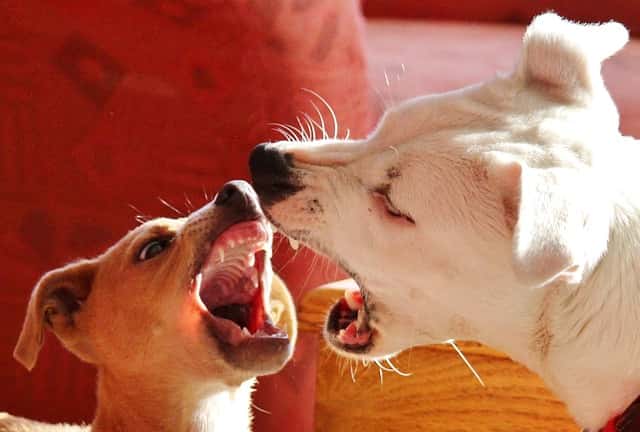
Image by Ulrike Mai from Pixabay

While it may seem like your dog is barking at nothing, there are often underlying reasons for their behavior. Some possible reasons for barking at nothing include:

  • Alerting to a sound: Dogs have a keen sense of hearing and may be barking at a sound that humans cannot hear. This could be anything from a distant siren to a small animal outside.
  • Boredom: Dogs that are left alone for long periods of time may bark out of boredom or frustration. This type of barking is often accompanied by other destructive behaviors.
  • Anxiety: Dogs that suffer from anxiety may bark as a way to cope with their stress. This type of barking is often accompanied by other anxious behaviors, such as pacing or trembling.
  • Territorial behavior: Dogs may bark at anything that they perceive as a threat to their territory, such as other animals or people passing by.
  • Medical issues: In some cases, dogs may bark excessively due to underlying medical issues, such as pain or hearing loss.

If your dog is barking at nothing, it is important to try and identify the underlying cause of their behavior. This can help you address the problem and prevent it from becoming a more serious issue. In some cases, professional help may be necessary to help your dog overcome their barking behavior.

Medical Issues to Consider

While it’s normal for dogs to bark, excessive barking at nothing could be a sign of an underlying medical issue. It’s important to consider medical issues when trying to understand why your dog is barking at nothing.

One possible medical issue is pain. Dogs that are in pain may bark excessively to express their discomfort. If your dog is barking at nothing and seems to be in pain, it’s important to take them to the vet for an examination.

Another medical issue to consider is cognitive dysfunction syndrome (CDS). This is a condition that affects older dogs and can cause confusion and disorientation. Dogs with CDS may bark excessively, even at nothing. If you suspect your dog has CDS, it’s important to take them to the vet for a proper diagnosis and treatment plan.

Finally, it’s important to consider any medications your dog may be taking. Some medications can cause behavioral changes, including excessive barking. If your dog’s barking coincides with starting a new medication, it’s worth discussing with your vet to see if there are any alternatives available.

Training and Management Tips
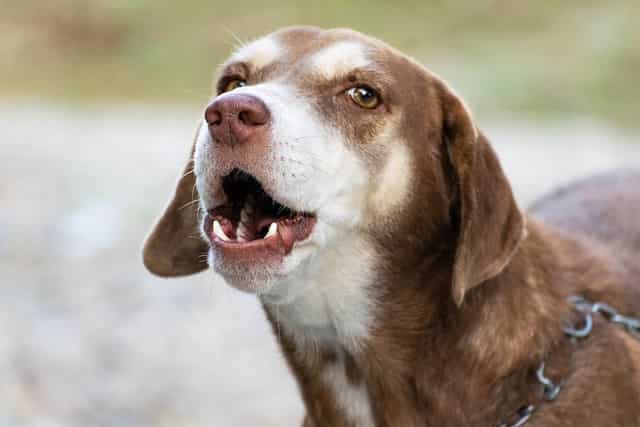
Image by Rajesh Balouria from Pixabay

If your dog is barking at nothing, it can be frustrating and challenging to deal with. However, there are several training and management tips that can help you address this behavior effectively.

Here are some tips:

  • Identify the trigger: Try to identify what is causing your dog to bark. Is it a particular sound, smell, or sight? Once you identify the trigger, you can work on desensitizing your dog to it.
  • Redirect your dog’s attention: When your dog starts barking at nothing, redirect their attention to something else. This can be a toy, a treat, or a command like “sit” or “stay.”
  • Teach your dog the “quiet” command: Teaching your dog the “quiet” command can be helpful in stopping excessive barking. Start by saying “quiet” when your dog is barking and rewarding them when they stop. With practice, your dog will learn to associate the command with stopping barking.
Filed Under: Uncategorized

Why Do Dogs Age So Fast? Explained by Science

March 28, 2023 by Julia Huskey

Image by Jan Steiner from Pixabay

Have you ever noticed how quickly dogs seem to age compared to humans? It’s not uncommon for a dog to reach old age at just 10 or 12 years old, while humans can live well into their 80s and 90s. This rapid aging process in dogs is due to a combination of factors, including genetics, size, and lifestyle.

One of the main reasons dogs age so quickly is because of their genetics. Dogs have been selectively bred for centuries to perform specific tasks, such as hunting, herding, or guarding. This selective breeding has resulted in a wide range of breeds with different sizes, shapes, and lifespans. While some breeds, such as the Chihuahua, can live up to 20 years, others, such as the Great Dane, may only live for 6 or 7 years.

In addition to genetics, a dog’s size also plays a role in how quickly it ages. Smaller dogs tend to live longer than larger dogs, with some toy breeds living up to 20 years. This is because larger dogs have a higher metabolic rate and a shorter lifespan. For example, a Great Dane may reach its full size in just 1 year, while a Chihuahua may take 2 or 3 years to reach its full size. This means that a Great Dane’s body is aging much more quickly than a Chihuahua’s, which can lead to a shorter lifespan.

The Science Behind Dog Aging

The answer lies in their biology and genetics. Dogs have a significantly shorter lifespan than humans due to their faster metabolic rate. This means that their cells divide more quickly, which leads to a faster aging process. Additionally, dogs have a higher risk of developing age-related diseases such as cancer, heart disease, and arthritis.

One of the key factors that contribute to dog aging is telomere shortening. Telomeres are the protective caps on the end of chromosomes that prevent them from deteriorating or fusing with other chromosomes. As cells divide, telomeres become shorter, and when they become too short, the cell can no longer divide, leading to aging and disease.

Another factor that contributes to dog aging is oxidative stress. This occurs when there is an imbalance between the production of free radicals and the body’s ability to counteract them with antioxidants. Over time, oxidative stress can damage cells and tissues, leading to age-related diseases.

While there is no way to stop dogs from aging, there are steps that owners can take to help their furry friends live longer, healthier lives. These include providing a balanced diet, regular exercise, and preventative healthcare such as vaccinations and routine check-ups.

Factors That Contribute to Rapid Dog Aging

Image by Couleur from Pixabay

Here are some of the factors that contribute to rapid dog aging:

  • Size: Smaller dogs generally live longer than larger dogs, but they also age more rapidly. This is because their bodies work harder to maintain their metabolism, which can lead to cellular damage and faster aging.
  • Breeds: Some dog breeds are more prone to age-related diseases than others. For example, larger breeds like Great Danes and Saint Bernards are more likely to develop joint problems, while smaller breeds like Chihuahuas are more prone to dental issues.
  • Environment: The environment in which a dog lives can also play a role in how quickly they age. Dogs that are exposed to pollution or toxins may experience more cellular damage and age more rapidly.
  • Diet: A dog’s diet can also impact their aging process. Feeding your dog a high-quality diet that is rich in nutrients can help slow down the aging process and keep them healthy for longer.

While there is no way to completely stop a dog from aging, understanding the factors that contribute to rapid aging can help you make informed decisions about your dog’s health and wellbeing. By providing your dog with a healthy diet, regular exercise, and a safe and clean environment, you can help slow down the aging process and ensure that your furry friend lives a long and happy life.

Health and Lifestyle Implications of Rapid Dog Aging

Due to the fast aging process, dogs are more susceptible to age-related health issues than humans. These health issues can include:

  • Joint problems, such as arthritis and hip dysplasia
  • Dental issues, such as gum disease and tooth loss
  • Vision and hearing loss
  • Cancer
  • Heart disease
  • Decreased immune system function

It is important for dog owners to be aware of these potential health issues and take steps to prevent them. Regular veterinary check-ups, a healthy diet, and exercise can help prevent or delay the onset of these conditions.

In addition to health issues, the rapid aging process also has lifestyle implications for dogs. As dogs age, they may become less active and have decreased mobility. This can lead to weight gain and other health issues. Owners should adjust their dog’s diet and exercise routine as they age to maintain their health and quality of life.

Furthermore, the emotional impact of rapid aging on dogs should not be overlooked. As dogs age, they may become more anxious, less social, and have a decreased quality of life. Owners should provide their aging dogs with plenty of love, attention, and mental stimulation to keep them happy and healthy.

Ways to Slow Down Dog Aging

Image by Fran • @thisisfranpatel from Pixabay

While we can’t stop the aging process, there are ways to help slow it down and keep our furry friends healthy and happy for longer. Here are some tips:

  • Feed a healthy diet: Providing your dog with a balanced and nutritious diet can help keep them healthy and slow down the aging process. Make sure to choose a high-quality dog food that meets their nutritional needs.
  • Exercise regularly: Regular exercise can help keep your dog’s muscles and joints strong and healthy, which can slow down the aging process. Make sure to provide your dog with

Filed Under: Uncategorized

How to Make Your Dog Poop Faster: Tips and Tricks

March 28, 2023 by Julia Huskey

Image by Petra from Pixabay

If you’re a dog owner, you know that taking your furry friend for a walk is an essential part of their daily routine. However, sometimes your dog may take longer than usual to do their business. Whether you’re in a rush or just want to make the process more efficient, there are a few things you can do to help your dog poop faster.

First, it’s important to establish a consistent routine for your dog. This means taking them out for a walk at the same time every day and in the same location. Dogs thrive on routine, and this can help stimulate their digestive system and encourage them to go to the bathroom more quickly.

Another tip is to make sure your dog is getting enough exercise. Regular exercise can help regulate your dog’s bowel movements and make it easier for them to go to the bathroom. Additionally, providing your dog with a healthy diet and plenty of water can also help promote regular bowel movements.

Understanding Your Dog’s Digestive System

Image by Fran • @thisisfranpatel from Pixabay

Dogs have a unique digestive system that is designed to break down and absorb nutrients from their food. Understanding how your dog’s digestive system works can help you identify any potential issues and take steps to ensure that your dog is healthy and happy.

The digestive system of a dog is made up of several parts, including the mouth, esophagus, stomach, small intestine, large intestine, rectum, and anus. Each of these parts plays an important role in the digestion and absorption of food.

When your dog eats, the food is broken down in the mouth by enzymes and saliva. The food then moves down the esophagus and into the stomach, where it is further broken down by stomach acid and enzymes. From there, the food moves into the small intestine, where nutrients are absorbed into the bloodstream. The remaining waste then moves into the large intestine, where water is absorbed and the waste is formed into feces.

It is important to note that the digestive system of a dog is not as efficient as that of a human. This means that it can take longer for food to be digested and for waste to be eliminated. Additionally, certain factors such as stress, illness, and medication can affect your dog’s digestive system and cause constipation or diarrhea.

To help ensure that your dog’s digestive system is functioning properly, it is important to provide a balanced and nutritious diet, avoid feeding table scraps or other foods that can cause digestive upset, and ensure that your dog has access to plenty of fresh water. Regular exercise can also help keep your dog’s digestive system healthy and promote regular bowel movements.

Factors That Affect Your Dog’s Bowel Movements

Image by Chiemsee2016 from Pixabay

This knowledge can help you identify potential issues and take appropriate action to keep your furry friend healthy and comfortable.

Here are some of the most common factors that can affect your dog’s bowel movements:

  • Diet: The food your dog eats can have a significant impact on their bowel movements. A diet that is high in fiber can help regulate bowel movements, while a diet that is low in fiber can lead to constipation.
  • Hydration: Adequate hydration is essential for healthy bowel movements. If your dog is dehydrated, their stool may be hard and difficult to pass.
  • Exercise: Regular exercise can help keep your dog’s digestive system functioning properly. If your dog is not getting enough exercise, they may experience constipation or other digestive issues.
  • Stress: Just like humans, dogs can experience stress that can affect their bowel movements. If your dog is experiencing stress, they may have irregular bowel movements or diarrhea.
  • Medical conditions: Certain medical conditions, such as inflammatory bowel disease or intestinal parasites, can affect your dog’s bowel movements. If you notice any changes in your dog’s bowel movements, it’s important to consult with your veterinarian to rule out any underlying medical issues.

Tips to Help Your Dog Poop Faster

As a responsible pet owner, it’s important to ensure your dog is comfortable and healthy. One of the ways to do this is by helping your dog poop faster. Here are some tips:

  • Take your dog for a walk: Exercise can help stimulate your dog’s digestive system and promote bowel movements. A 10-15 minute walk can help get things moving.
  • Establish a routine: Dogs thrive on routine, and having a consistent schedule for feeding and potty breaks can help regulate their bowel movements.
  • Provide a comfortable environment: Make sure your dog has a comfortable and safe space to do their business. This can reduce stress and anxiety, which can sometimes lead to constipation.
  • Adjust their diet: A diet that is high in fiber can help promote regular bowel movements. Consult with your veterinarian to determine the best diet for your dog’s specific needs.

By following these tips, you can help your dog poop faster and ensure their overall health and well-being.

When to Seek Veterinary Help

Image by Anja from Pixabay

While most dogs will poop on their own without any issues, there are times when you should seek veterinary help. Here are some signs that indicate it’s time to take your dog to the vet:

  • If your dog is straining to poop and nothing is coming out, it could be a sign of an obstruction in their digestive system.
  • If your dog is experiencing diarrhea or vomiting, it could be a sign of an underlying health issue.
  • If your dog’s poop is consistently watery or contains blood, it could be a sign of an infection or other health issue.
  • If your dog is showing signs of pain or discomfort while pooping, it could be a sign of an anal gland issue or other health issue.

If you notice any of these signs, it’s important to take your dog to the vet as soon as possible.

Filed Under: Uncategorized

Why Do Dogs Lick Other Dogs?

August 21, 2022 by Julia Huskey

Photo by Johann

Dogs lick each other as a way of showing affection. It is also a way for them to communicate with one another. Dogs will often lick the face of their owner or another dog as a sign of respect. Licking is also a way for dogs to show dominance over others.

Dogs will also lick their own bodies as a way of cleaning themselves. They will often lick their paws or coat in order to remove any dirt or debris that may be on them. Dogs will also sometimes lick other animals, such as cats, as a way of showing affection.

Licking is a natural behavior for dogs and is not something that should be discouraged. If you do not want your dog to lick your face, simply turn your head away when they try to do so. You can also train your dog not to lick by using positive reinforcement techniques. rewarding them when they refrain from licking. Dogs typically learn very quickly what is expected of them and will soon stop licking if it is not something that you want them to do.

Licking can also be a sign of stress in dogs. If your dog is licking excessively, it may be a sign that they are feeling anxious or stressed. Excessive licking can also be a sign of boredom or loneliness. If you think your dog may be licking for these reasons, it is important to provide them with more attention and stimulation. This can be in the form of walks, playtime, or even just spending more time talking to them. If you are concerned that your dog’s licking is excessive, it is always best to consult with a veterinarian. They will be able to rule out any medical causes and help you determine the best course of action for your dog.

Why do dogs lick other dogs ears?

There are a few reasons why dogs might lick another dog’s ears. One reason is that it feels good! The ear is full of sensitive nerve endings, and some dogs really enjoy having their ears rubbed and massaged.

Another reason a dog might lick another dog’s ear is because they’re trying to communicate something. Dogs communicate through body language and scent, and licking is one way they can show submission or respect. Licking another dog’s ear might also be a sign of affection.

Whatever the reason, if your dog enjoys having their ears licked, there’s no need to worry. Just make sure you keep an eye on things and clean their ears regularly to prevent any infection.

Why do dogs lick other dogs faces?

Photo by Meet Dagar

There are a few reasons for this behavior. One reason is that dogs have scent glands in their faces, and when they lick each other’s faces, they are exchanging scents. This helps them to identify each other and also strengthens the bond between them. Dogs also lick each other’s faces as a sign of submission or dominance. When a dog licks a more dominant dog’s face, it is showing deference. Finally, dogs may simply enjoy the taste or sensation of licking another dog’s face. Whatever the reason, if your dog enjoys this behavior and it doesn’t bother you, there’s no need to worry about it. However, if your dog is excessively licking other dogs’ faces or if it’s causing any problems, you may want to talk to your veterinarian about it.

Why do dogs lick their own faces?

Dogs also lick their own faces for similar reasons. They are cleaning themselves and getting rid of any dirt or debris that may be on their fur. Dogs also have scent glands in their faces, so they may be trying to leave their own scent behind. Additionally, some dogs simply enjoy the sensation of licking their own faces. If your dog is licking its face excessively, however, it could be a sign of an underlying health condition. If this is the case, you should take your dog to the vet for a check-up.

Why do dogs lick people’s faces?

Dogs may lick people’s faces for many of the same reasons that they lick other dogs’ faces. They may be trying to get our scent, show submission or dominance, or simply enjoy the taste or sensation. Some people believe that when a dog licks their face, it is a sign of affection. However, this is not always the case. If you don’t like your dog licking your face, you can train it not to do this behavior.

Is it normal for dogs to lick each other?

Photo by Vladislav Tsankov


Yes, it is quite normal for dogs to lick each other. It is a way for them to show affection and also to groom each other. Dogs will often lick their owners as well, which is seen as a sign of affection. Some people do not like this behavior, but it is perfectly normal for dogs. If you are concerned about your dog’s licking behavior, you should talk to your veterinarian. They will be able to help you determine if there is a problem or not.

Why do dogs lick and chew their paws?

One reason may be that they have an itch that they can’t scratch. Another reason may be that they’re trying to remove something from their paw, such as a pebble or burr. Finally, some dogs just seem to enjoy the taste or sensation of licking their paws.

If your dog is licking and chewing their paws excessively, it could be a sign of an underlying health problem. Allergies, skin infections, and arthritis are just a few of the conditions that can cause your dog to lick and chew their paws excessively.

Why do dogs lick us in the morning?

One reason could be that they want attention or food. Dogs can also be trying to tell their owners something, like they need to go outside or they’re feeling sick. Additionally, some dogs just enjoy licking people and see it as a way of showing affection.

How do dogs lick up water?

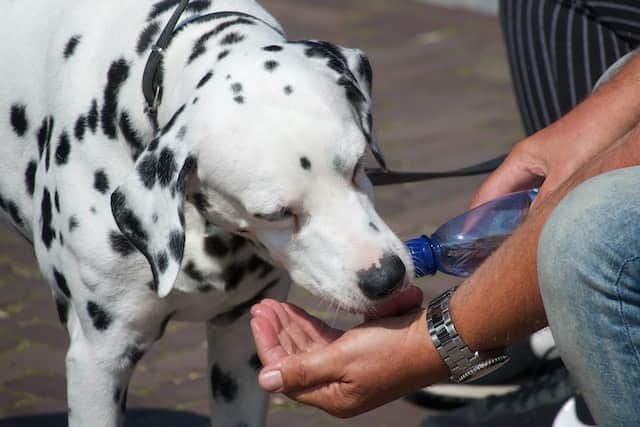
Dogs lick up water by using their tongue as a sponge. When they stick their tongue out, they close their lips around the water and then suck the water back into their mouth. Dogs also have a special groove in their tongue that helps them lap up water. Some dogs even curl their tongue into a cup shape to scoop up water. All of these methods help dogs to take in a lot of water very quickly.

Dogs need to drink a lot of water because they are constantly losing water through their panting and urinating. If they don’t drink enough water, they can become dehydrated, which can be dangerous. That’s why it’s important to always have fresh, clean water available for your dog to drink.

What other methods do dogs use to stay hydrated?

Photo by Matthias Zomer

Dogs also get water from the food they eat. Many foods, especially wet or canned foods, contain a lot of water. This helps to keep dogs hydrated even if they don’t drink a lot of water on their own.

Another way that dogs can stay hydrated is through the use of dog water fountains. These fountains provide a continuous stream of fresh, clean water for dogs to drink. They are a great way to keep your dog hydrated, especially if you live in an area with warm weather.

Can dogs lick lemons?

The answer to this question depends on the dog. Some dogs may be able to lick lemons without any problems, while others may find the citrus taste to be too strong. If your dog does not seem to enjoy licking lemons, it is probably best to avoid giving them any. Dogs that do enjoy licking lemons may need to be monitored to make sure they do not consume too much citrus. Too much citrus can cause stomach upset in dogs. If your dog does consume too much lemon, contact your veterinarian immediately.

Lemons are not toxic to dogs, but they can cause stomach upset. Dogs that consume lemons may experience vomiting, diarrhea, and abdominal pain. In severe cases, dogs may also experience difficulty breathing and an increased heart rate. If you think your dog has consumed too much lemon, contact your veterinarian or the ASPCA Animal Poison Control Center at (888) 426-4435.

Filed Under: Uncategorized

How To Treat Dog Ear Infection Without Vet

July 28, 2022 by Julia Huskey

Photo by Ivan Babydov

If you’re looking for a more natural way to treat your dog’s ear infection, apple cider vinegar and colloidal silver are both great options. Apple cider vinegar has antibacterial and antifungal properties, which can help to fight the infection, while colloidal silver is a powerful antibiotic that can help to kill the bacteria causing the infection.

To use apple cider vinegar, simply mix equal parts apple cider vinegar and water, and then use a cotton ball to apply it to your dog’s ears. Let it sit for a few minutes, and then rinse it off with clean water.

To use colloidal silver, you can either add a few drops to your dog’s food or water, or you can apply it directly to their ears with a cotton ball. Let it sit for a few minutes before rinsing it off.

If you’re unsure of which method to use, talk to your vet about what they recommend for your dog’s specific situation. Whichever method you choose, be sure to follow the instructions carefully and monitor your dog closely for any signs of improvement. With a little time and patience, your dog’s ear infection will soon be a thing of the past!

Are dog ear infections contagious

Photo by Julissa Helmuth

No, dog ear infections are not contagious. However, they can be caused by bacteria or viruses that are passed from one dog to another, so it’s important to keep your dog away from other dogs if they have an infection. Ear infections can also be caused by allergies or environmental irritants, so if your dog is prone to them, be sure to keep an eye on their environment and make sure they’re not coming into contact with anything that could trigger an infection. If you’re unsure of what’s causing your dog’s ear infection, talk to your vet for more information.

If your dog does have an ear infection, there are a few things you can do to help them feel more comfortable. First, clean their ears with a dog-safe ear cleaner and cotton balls. Be sure to never put anything down into the ear canal itself, as this could damage the ear or make the infection worse. You can also give your dog over-the-counter pain medication to help with any discomfort, but be sure to talk to your vet before giving them any medication. If the infection doesn’t seem to be improving after a few days, or if your dog is in a lot of pain, make an appointment with your vet so they can prescribe antibiotics or other treatment.

Ear infections are no fun for anyone, but with a little care and attention, you can help your dog feel better in no time.

Are dog ear infections painful

Yes, dog ear infections are painful. Your dog may be pawing at their ears or shaking their head frequently. They may also have a reduced appetite and be less active than normal. If you think your dog may have an ear infection, it’s important to take them to the vet for a check-up. Left untreated, ear infections can cause serious health problems for your dog.

There are a few things that can cause ear infections in dogs. One is allergies. Dogs with allergies often have itchy skin, which can lead to scratching and irritation of the ears. This can then lead to an infection. Another common cause of ear infections is bacteria or yeast buildup in the ears. This can happen if your dog’s ears are not cleaned regularly or if they spend a lot of time swimming. Ear infections can also be caused by growths in the ear, such as polyps or tumors.

If your dog does have an ear infection, there are a few things you can do to help them feel better. First, you’ll need to clean their ears out. This can be done with a cotton ball soaked in warm water or a solution made specifically for cleaning dog ears. Once their ears are clean, you can apply a topical medication to help fight the infection. In some cases, your vet may also prescribe oral antibiotics.

With proper care, most dogs will recover from an ear infection within a few weeks. However, some dogs may be prone to recurring infections. If your dog has multiple ear infections, it’s important to talk to your vet about possible underlying causes and treatment options. Ear infections can be painful for your dog, but with the right care, they can quickly get back to feeling their best.

Are dog ear infections an emergency

Photo by Bethany Ferr

No, dog ear infections are not usually an emergency. However, if your dog is showing signs of pain or distress, it’s important to take them to the vet for a check-up. Left untreated, ear infections can cause serious health problems for your dog.

Can dog ear infections go away on their own

The short answer is yes, but it really depends on the severity of the infection and how quickly you catch it. Dog ear infections are caused by a number of things, including allergies, bacteria, yeast, and ear mites. If your dog has an ear infection, you’ll likely notice him shaking his head or scratching at his ears.

If your dog is scratching at their ears or shaking their head frequently, this is a sign that they may have an ear infection. Ear infections are caused by a build-up of wax, bacteria, or yeast in the ear canal. If left untreated, ear infections can lead to more serious problems, such as hearing loss or damage to the ear canal.

Can dog ear infection cause loss of appetite

Yes, if your dog has an ear infection, they may lose their appetite. This is because the pain of the infection can make it difficult for your dog to eat. If you notice that your dog is not eating as much as usual, or if they seem to be in pain when they eat, it’s important to take them to the vet so they can be treated for the infection. Left untreated, an ear infection can lead to more serious problems, such as hearing loss or damage to the ear canal.

Can dog ear infection cause vomiting

Vomiting can be a symptom of an ear infection, but it is not a common one. If your dog is vomiting, it’s important to take them to the vet so they can be checked for other possible causes. Ear infections are fairly common and can be treated with antibiotics or other medications.

What is the fastest way to get rid of a dog ear infection

Photo by Alexas Fotos

The fastest way to get rid of a dog ear infection is to take them to the vet. They will be able to prescribe antibiotics or other medications to clear up the infection. If you try to treat the infection at home, it’s important to do so carefully. Ear infections can be very painful for dogs, and if you don’t treat them properly, they can lead to more serious problems, such as hearing loss or damage to the ear canal.

What is the best way to prevent dog ear infections

The best way to prevent dog ear infections is to keep their ears clean and dry. This can be done by using a dog ear cleaner or cotton balls soaked in warm water. You should also avoid letting your dog get water in their ears when they are swimming or bathing. If you notice that your dog’s ears are red, swollen, or emitting a foul odor, take them to the vet as soon as possible.

Left untreated, ear infections can cause pain, hearing loss, and balance problems. In severe cases, they can even lead to brain damage. That’s why it’s important to catch them early and get your dog the treatment they need.

With proper care, most dogs recover quickly and don’t experience any long-term problems.

Can dog ear infection cause face swelling

Photo by Helena Lopes

While dog ear infections can sometimes cause facial swelling, this is usually not the only symptom. If your dog has an ear infection, you may also notice that they are shaking their head or scratching their ears more than usual. They may also have a discharge from their ears that is yellow, green, or brown in color. If you notice any of these symptoms, take your dog to the vet as soon as possible. Early treatment is important to prevent the infection from spreading or causing more serious problems.

Filed Under: Uncategorized

How To Make Your Dog Gain Weight

July 28, 2022 by Julia Huskey

Photo by Tina Nord

Do you have a dog that is too thin? If so, you may be wondering how to make your dog gain weight. It can be a difficult task, but it is not impossible. In this blog post, we will discuss some tips that will help your dog put on some pounds!

One of the best ways to help your dog gain weight is to feed them multiple small meals throughout the day. This will help increase their calorie intake and help them put on some extra pounds. You should also make sure that you are feeding your dog a high-quality food that is rich in nutrients. This will help ensure that they are getting all of the nutrients they need to stay healthy and put on weight.

Another way to help your dog gain weight is to add some healthy fats to their diet. This can be done by adding a small amount of olive oil or coconut oil to their food. Healthy fats are a great way to help your dog gain weight because they are packed with calories. Just make sure not to overdo it, as too much fat can be unhealthy for your dog.

Finally, make sure that your dog is getting plenty of exercise. Exercise is important for all dogs, but it is especially important for dogs that are trying to gain weight. Exercise will help increase their appetite and metabolism, which will ultimately help them put on some extra pounds.

If you follow these tips, you should see your dog start to gain weight in no time! Just make sure to talk to your veterinarian before making any major changes to your dog’s diet or exercise routine. They can help you create a plan that is right for your dog and will help them reach their ideal weight.

How often should you feed your dog?

Photo by Marcus Christensen

This will depend on your dog’s age, activity level, and metabolism. For example, a young puppy or a very active dog will need to eat more often than an adult or sedentary dog.

As a general rule of thumb, most dogs should be fed two to three times per day. Puppies and very young dogs, as well as older dogs with health problems, may need to be fed more frequently.

If you’re not sure how often to feed your dog, ask your veterinarian for guidance. They can help you determine the best feeding schedule based on your dog’s individual needs.

When it comes to how much food to give your dog, there is no one-size-fits-all answer. The amount of food your dog needs will vary depending on their age, activity level, and metabolism.

As a general rule most adult dogs should be fed between one and two cups of food per day. Puppies and very young dogs may need to be fed more frequently, and older dogs may need less food.

In addition to feeding your dog more often or increasing the amount of food you give them, you can also add some high-calorie foods to their diet.

Some good options include canned pumpkin, full-fat yogurt, cottage cheese, and peanut butter. You can also give them treats that are higher in calories than their usual ones. Just be sure not to overdo it.

How much food should you give your dog?

The amount of food you give your dog will depend on their weight and activity level. When it comes to what type of food to give your dog, there are many different brands and formulas to choose from. However, not all dog food is created equal. You should always consult with your veterinarian when choosing a food for your dog. They can help you find a food that is nutritious and will help your dog gain weight.

If you are still unsure of how to make your dog gain weight, there are many resources available online. There are websites and forums dedicated to helping dog owners with this issue. You can also find helpful tips and advice from other dog owners who have gone through the same thing. Whatever you do, make sure you consult with your veterinarian before making any changes to your dog’s diet or exercise routine. With a little bit of help, you can get your dog on the path to a healthy weight in no time.

What is the best food brand?

Photo by Steve

There are a lot of different factors to consider when trying to determine the best food brand for your dog. The first thing you’ll want to take into account is your dog’s age, as puppies and seniors have different nutritional needs. You’ll also want to think about your dog’s activity level and whether they need a high-protein diet for working or sporting purposes. Other things to consider include your dog’s overall health, any allergies they may have, and of course, your budget.

My dog was’t eating his food as much as usual so we switched food. I think he likes Diamond Naturals much beter. But when you switch food on your dog you have to mix in a little of the old food. This helps them get used to the new food. Just watch your dog to make sure it doesn’t have any side effect to the new food.

When it comes to choosing the best food brand for your dog, there is no one-size-fits-all answer. The best way to figure out what will work best for your furry friend is through trial and error. Your local pet store or vetrinarian can help you narrow down the options and find a food that meets all of your dog’s needs.

Whatever food you choose, make sure it is of high quality and nutritionally complete to ensure your dog stays happy and healthy for years to come.

Filed Under: Uncategorized

  • « Go to Previous Page
  • Page 1
  • Interim pages omitted …
  • Page 10
  • Page 11
  • Page 12
  • Page 13
  • Go to Next Page »

Primary Sidebar

Image

Best Training Collars for Beagles (Safe Options That Actually Work): Gentle, Effective Picks for Happy Pups

Beagles are smart, curious dogs with strong noses and busy minds. Training helps keep them safe and … [Read More...] about Best Training Collars for Beagles (Safe Options That Actually Work): Gentle, Effective Picks for Happy Pups

Image

Top Harnesses for Beagles Who Pull on the Leash: Comfortable, No-Pull Picks

Walking a Beagle can feel like a tug-of-war. Beagles follow scents and often pull hard on the leash, … [Read More...] about Top Harnesses for Beagles Who Pull on the Leash: Comfortable, No-Pull Picks

Image

Best Leashes for Beagles That Love to Follow Scents For Safe, Happy Walks

Beagles love to follow their noses, and that can turn a simple walk into a strong pull toward every … [Read More...] about Best Leashes for Beagles That Love to Follow Scents For Safe, Happy Walks

Image

Do GPS Dog Trackers Work for Beagles? Best Options Reviewed: For Safety And Accurate Tracking

Beagles love to follow scents, and that curiosity can carry them far from home. GPS dog trackers … [Read More...] about Do GPS Dog Trackers Work for Beagles? Best Options Reviewed: For Safety And Accurate Tracking

Image

Best Treat Pouches for Training Food‑Motivated Beagles That Make Sessions a Breeze

Beagles love food, which makes treats one of the best tools for training. A good treat pouch keeps … [Read More...] about Best Treat Pouches for Training Food‑Motivated Beagles That Make Sessions a Breeze

Image

Best Toys for Beagles Who Get Bored Easily to Keep Them Happy and Busy

Beagles are smart, curious dogs with strong noses and lots of energy. When they get bored, they … [Read More...] about Best Toys for Beagles Who Get Bored Easily to Keep Them Happy and Busy

Image

Top Puzzle Toys for Beagles Who Love to Use Their Nose to Keep Them Happy and Busy

Beagles love to sniff, search, and solve problems with their nose. Puzzle toys give them a safe way … [Read More...] about Top Puzzle Toys for Beagles Who Love to Use Their Nose to Keep Them Happy and Busy

Image

Best Chew Toys for Beagles Who Destroy Everything: Durable Picks That Actually Last

Beagles love to chew. It helps them deal with boredom, stress, and extra energy. But if your beagle … [Read More...] about Best Chew Toys for Beagles Who Destroy Everything: Durable Picks That Actually Last

Image

Snuffle Mats for Beagles: Are They Worth It? Benefits, Tips, and What to Know

Dogs need mental exercise as much as physical activity. Food puzzles and slow feeders help keep … [Read More...] about Snuffle Mats for Beagles: Are They Worth It? Benefits, Tips, and What to Know

Image

Best Interactive Toys to Keep Beagles Mentally Stimulated: Fun Picks for Happy, Smart Pups

Beagles are smart, curious dogs with strong noses and lots of energy. If we do not give them enough … [Read More...] about Best Interactive Toys to Keep Beagles Mentally Stimulated: Fun Picks for Happy, Smart Pups

Categories

  • Border Collies
  • Uncategorized

Superduperdog.com - Copyright © 2026