• Skip to main content
  • Skip to primary sidebar

superduperdog

superduperdog

Julia Huskey

Why Do Dogs Huff: Understanding the Meaning Behind this Common Behavior

June 5, 2023 by Julia Huskey

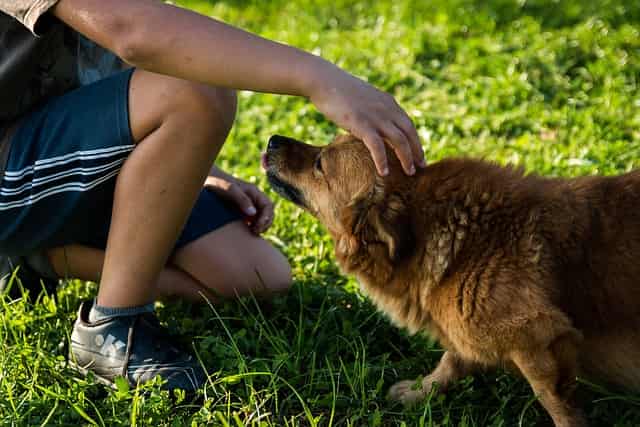
Image by Michal Jarmoluk from Pixabay 

Dogs are known for their playful and curious nature, but they also have some quirky behaviors that can leave their owners scratching their heads. One of these behaviors is huffing. So, why do dogs huff? Huffing is a common behavior in dogs, and it can mean a variety of things depending on the context.

In some cases, dogs huff as a way of communicating. They may use huffing to express excitement, frustration, or even anxiety. For example, a dog might huff when they see their favorite toy or when they are waiting for their owner to come home. Alternatively, a dog might huff when they are feeling stressed or uncomfortable in a new situation. Understanding the context in which your dog is huffing can help you better interpret their behavior and respond appropriately.

Why Do Dogs Huff?

Behavioral Reasons

Dogs may huff when they are stressed, anxious, or overexcited. For example, if a dog is in a noisy environment, it may huff to express its discomfort. Dogs may also huff when they want attention or are anticipating something, such as a walk or feeding time. Additionally, some dogs huff when they are happy and content, which can be a positive sign.

Medical Reasons

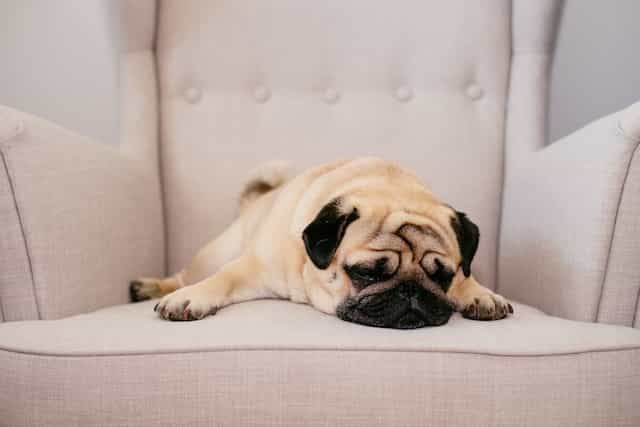
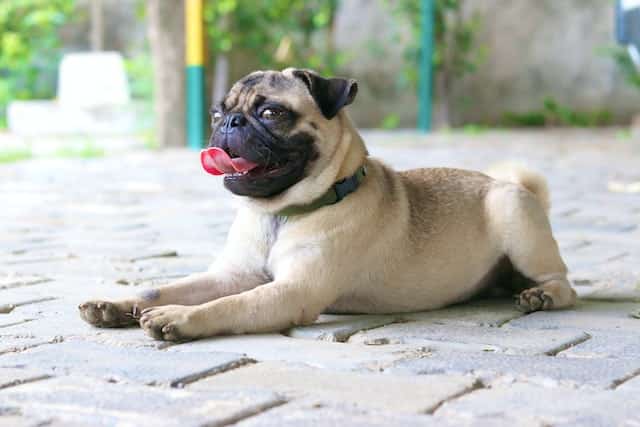
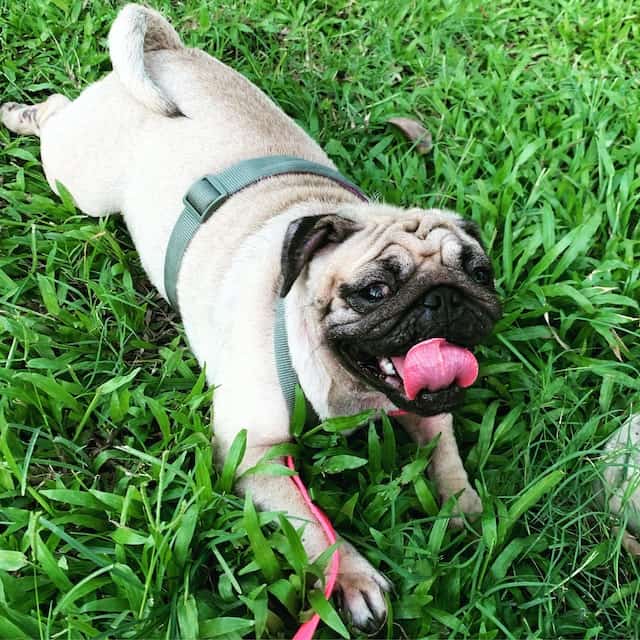
Dogs may also huff due to medical reasons. If a dog is huffing excessively or has difficulty breathing, it may be a sign of respiratory problems such as nasal mites, irritants, or allergies. Furthermore, some dog breeds, such as pugs, are more prone to respiratory issues, which can cause them to huff. In some cases, huffing may be a symptom of a more severe medical condition, such as a collapsing trachea.

If a dog is huffing persistently or exhibiting other concerning behavior, it is essential to consult a veterinarian. A veterinarian can perform a physical examination and recommend appropriate treatment if necessary. Additionally, a dog trainer or massage therapist may be able to help alleviate stress or anxiety that may be causing huffing.
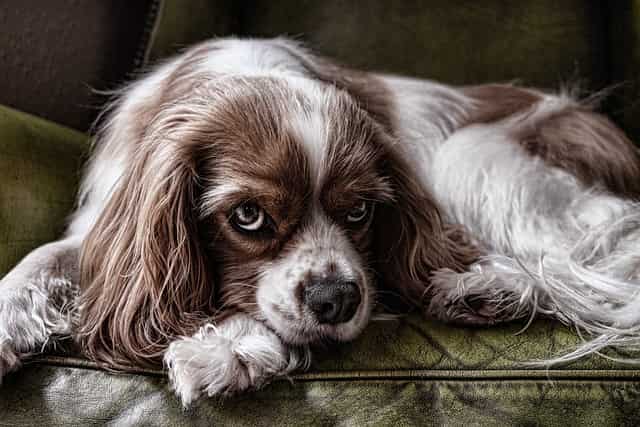
Image by Fran • @thisisfranpatel from Pixabay 

Excitement and Anticipation

Dogs often huff when they are excited or anticipating something. This behavior is commonly observed when dogs are waiting for their owners to come home or when they are about to go for a walk.

When dogs are excited, their heart rate increases, and they may start to pant or huff. Huffing is a way for dogs to release some of their pent-up energy and to communicate their excitement to their owners. Dogs may also huff when they are playing with other dogs or when they are engaging in other activities that they find exciting.

While huffing is generally a sign of excitement and anticipation, it can also be a sign of stress. If a dog is huffing excessively or in a way that seems out of character, it may be a sign that the dog is feeling stressed or anxious. In these cases, it is important for dog owners to pay attention to their dog’s behavior and to seek the advice of a veterinarian if necessary.

Attention Seeking

Dogs are social creatures and crave attention from their owners. One reason why dogs huff is to get attention. They may huff to get their owner’s attention or to tell their owner that they want to play. Dogs may also huff when they are feeling ignored or left out. In some cases, huffing can be a sign of separation anxiety.

When dogs want attention, they may use a variety of vocalizations and body language. They bark, whine, jump, or paw at their owner. Huffing is another way that dogs communicate their desire for attention. By huffing, dogs are trying to get their owner’s attention and engage in some form of interaction.

It is important for owners to recognize when their dog is huffing for attention. Ignoring a dog’s huffing can lead to more extreme behaviors such as growling or barking. By responding to a dog’s huffing, owners can reinforce positive behavior and strengthen the bond between themselves and their dog.

If a dog is huffing excessively or in a concerning manner, it is important to address the underlying issue. In some cases, huffing can be a sign of a medical condition or discomfort. If a dog’s huffing is accompanied by other symptoms such as lethargy or loss of appetite, it is important to consult with a veterinarian.

Stress and Anxiety

Dogs huffing can be a sign of stress and anxiety. Just like humans, dogs can experience stress and anxiety in various situations. Some common causes of stress and anxiety in dogs include loud noises, unfamiliar environments, and separation from their owners.

When dogs are stressed or anxious, they may exhibit certain behaviors, such as huffing, panting, or pacing. These behaviors can be a way for dogs to cope with their anxiety and release tension.

Dog owners should be aware of their dog’s body language and behavior to identify signs of stress and anxiety. It is important to address the root cause of the stress and anxiety to help the dog feel more comfortable and relaxed.

If a dog’s huffing is accompanied by other signs of stress or aggression, it is recommended to seek the advice of a veterinarian. A veterinarian can help determine the underlying cause of the dog’s behavior and recommend appropriate treatment.

In some cases, dogs may benefit from behavior modification techniques or medication to help manage their stress and anxiety. It is important for dog owners to work closely with their veterinarian to develop a treatment plan that is tailored to their dog’s individual needs.
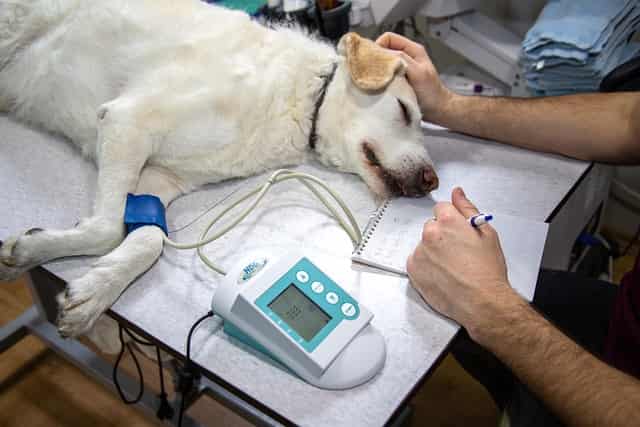
Image by Mirko Sajkov from Pixabay 

Medical Reasons

Dogs may huff for various medical reasons. Here are some of the most common medical issues that can cause dogs to huff:

Respiratory Problems

Dogs with respiratory problems may huff as a way to catch their breath. Respiratory problems can include anything from allergies to respiratory infections. Some dogs may also huff due to asthma or other respiratory conditions that cause difficulty breathing.

Allergies and Irritants

Dogs that are allergic to certain substances or are exposed to irritants may huff as a way to clear their airways. Common allergens and irritants include pollen, dust, smoke, and mold. Dogs may also huff if they come into contact with chemicals or other irritants.

Physical Activity and Pain

Dogs that are engaged in physical activity or are in pain may huff as a way to regulate their breathing. For example, dogs may huff after a long walk or run, or if they are experiencing pain due to an injury or medical condition. Pugs, in particular, are known to huff due to their short snouts, which can make breathing difficult.

It’s important to note that huffing can also be a sign of anxiety or overexcitement. If a dog is huffing excessively or in a way that seems out of the ordinary, it’s important to consult with a veterinarian to rule out any underlying medical conditions.
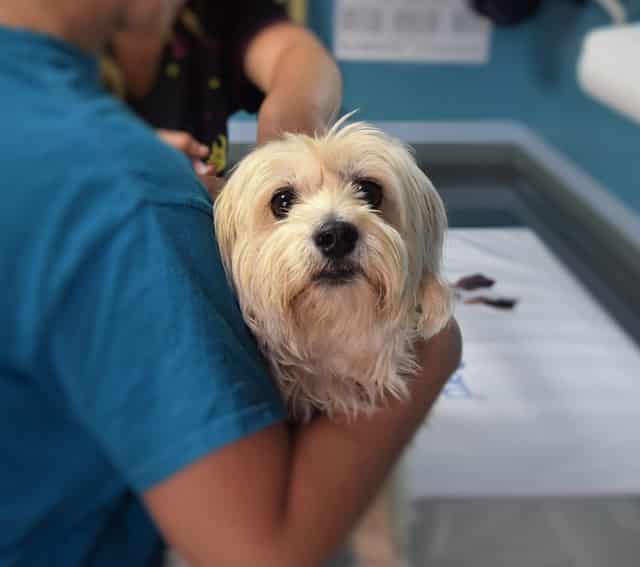
Image by J C from Pixabay 

Respiratory Problems

Dogs are prone to respiratory problems that can cause them to huff. These problems can range from minor issues like reverse sneezing to more severe problems like asthma. It is important to identify the underlying cause of the respiratory problem to provide the appropriate treatment.

Reverse Sneezing

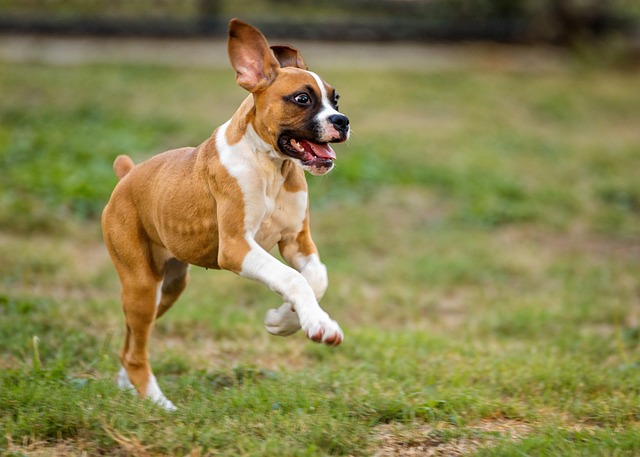
Reverse sneezing is a common respiratory problem in dogs, especially in flat-faced breeds like boxers. It is a spasm of the throat and soft palate that causes the dog to inhale rapidly and repeatedly. This can result in a loud, snorting sound and may last for a few minutes. It is usually not a serious problem and can be resolved by gently massaging the dog’s throat or covering its nostrils to force it to swallow.

Collapsing Trachea

Collapsing trachea is a condition in which the dog’s windpipe collapses, making it difficult for the dog to breathe. It is more common in small breeds like Chihuahuas and Yorkshire Terriers. The dog may make a honking sound when breathing, especially during exercise or excitement. Treatment may involve medication or surgery, depending on the severity of the condition.

Asthma

Asthma is a respiratory condition that can cause wheezing, coughing, and difficulty breathing in dogs. It is more common in dogs that are exposed to irritants like smoke, fumes, or dust. Treatment may involve medication to control inflammation and open the airways.

Upper Respiratory Infection

Upper respiratory infections are caused by viruses or bacteria and can cause coughing, sneezing, and nasal discharge in dogs. It is more common in puppies and dogs with weakened immune systems. Treatment may involve antibiotics or antiviral medication, depending on the underlying cause.

Allergies and Irritants

Dogs can also huff due to allergies and irritants in their environment. Environmental allergens such as pollen, dust, and mold can cause respiratory problems in dogs, leading to huffing. Dogs with allergies may also experience itching, sneezing, and watery eyes.

In addition to environmental allergens, dogs can also be sensitive to irritants such as cigarette smoke, perfumes, and cleaning products. These irritants can cause inflammation in the respiratory tract, leading to huffing and other breathing difficulties.

Nasal mites are another possible cause of huffing in dogs. These tiny parasites can live in a dog’s nasal passages and cause irritation and inflammation. Dogs with nasal mites may also exhibit sneezing, coughing, and nasal discharge.

It is important to identify and eliminate any potential allergens or irritants in a dog’s environment to help alleviate huffing and other respiratory problems. This may include using air purifiers, avoiding smoking around the dog, and using natural cleaning products.

In some cases, a veterinarian may recommend allergy testing and treatment, such as antihistamines or immunotherapy, to help manage a dog’s allergies and reduce huffing. If nasal mites are suspected, a veterinarian can perform a nasal swab to confirm the diagnosis and prescribe appropriate treatment.
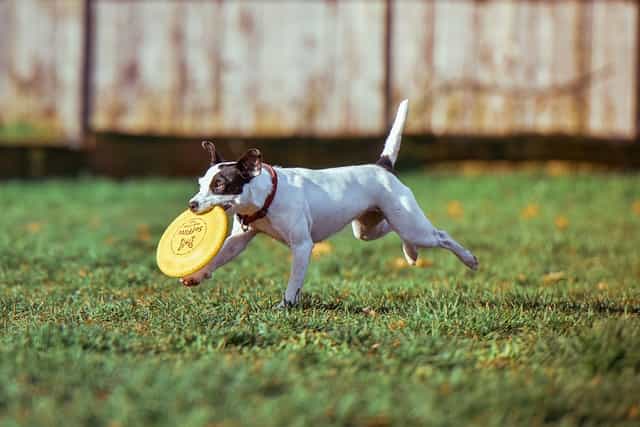
Image by Pexels from Pixabay 

Physical Activity and Pain

Physical activity plays a significant role in a dog’s life. Dogs require exercise to stay healthy and happy, just like humans. However, overexertion can lead to pain and discomfort, which can cause dogs to huff.

Dog trainers recommend that dogs should get at least 30 minutes of exercise per day. This exercise can include walking, running, playing fetch, or any other physical activity that the dog enjoys. Regular exercise can help prevent obesity, which is a common issue among dogs.

Sometimes, dogs may experience pain or discomfort due to physical activity. This pain can be caused by an injury, arthritis, or other medical conditions. If a dog is in pain, they may huff as a way to express their discomfort.

In such cases, it is essential to provide the dog with proper care. A veterinarian may prescribe medication or recommend massage therapy to alleviate pain. Additionally, it is crucial to ensure that the dog is not overexerting themselves during physical activity.

Pugs, in particular, are prone to respiratory issues due to their short snouts. Overexertion can cause breathing difficulties, leading to huffing. It is essential to monitor pugs during physical activity and provide them with breaks as necessary.

In conclusion, physical activity is crucial for a dog’s well-being. However, it is essential to monitor their activity levels and ensure that they are not overexerting themselves. If a dog is experiencing pain or discomfort, proper care should be provided to alleviate their symptoms.
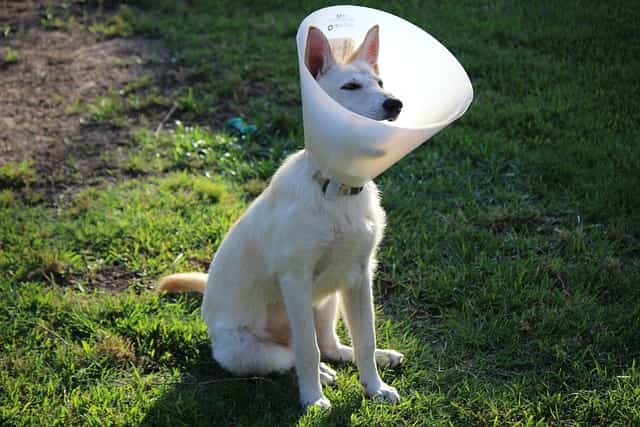
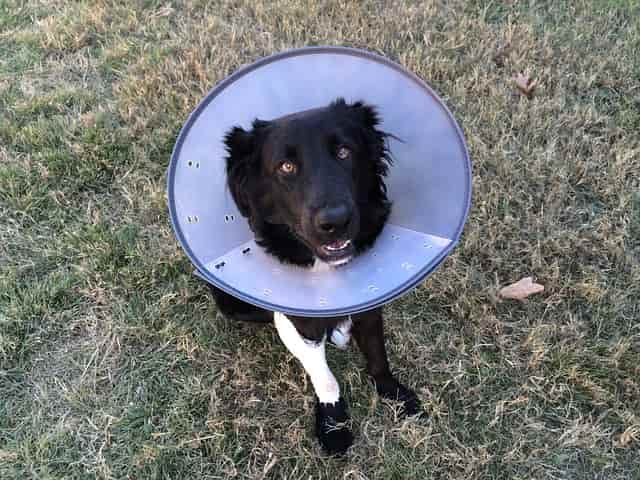
Filed Under: Uncategorized

How to Put a Dog Cone On

May 14, 2023 by Julia Huskey

Image by Stacy KG from Pixabay

Putting a cone on a dog can be a stressful experience for both the pet and the owner. However, there are situations where a cone is necessary to prevent a dog from licking or biting at a wound or injury. Learning how to properly put a cone on a dog can help ease the process and ensure that the pet is comfortable and safe.

The first step in putting a cone on a dog is to choose the right size. A cone that is too small can cause discomfort and restrict breathing, while a cone that is too large can make it difficult for the dog to move around. It is important to measure the dog’s neck circumference and choose a cone that fits snugly but allows for comfortable movement.

Types of Dog Cones

Image by Allison Peterson from Pixabay

When it comes to dog cones, there are several types to choose from, each with their own benefits and drawbacks. Here are some of the most common types of dog cones.

Inflatable Collars

Inflatable collars are a newer type of dog cone that are designed to be more comfortable for dogs to wear. They are made of soft, flexible material and can be inflated to create a protective barrier around the dog’s neck. Inflatable collars are less restrictive than plastic cones and allow dogs to eat, drink, and sleep more easily. However, they may not be as effective at preventing a dog from reaching a wound or surgical incision.

Soft Collars

Soft collars, also known as recovery collars or donut collars, are another type of dog cone. They are made of soft, flexible material and are designed to be more comfortable for dogs to wear than plastic cones. Soft collars come in a variety of sizes and can be adjusted to fit snugly around the dog’s neck. They are less restrictive than plastic cones and allow dogs to eat, drink, and sleep more easily. However, they may not be as effective at preventing a dog from reaching a wound or surgical incision.

Surgical Recovery Suits

Surgical recovery suits are a newer type of dog cone that are designed to cover a larger area of the dog’s body than traditional cones. They are made of soft, breathable material and are designed to be more comfortable for dogs to wear than plastic cones. Surgical recovery suits cover the dog’s entire body and are secured with velcro straps. They are less restrictive than plastic cones and allow dogs to move more freely. However, they may not be as effective at preventing a dog from reaching a wound or surgical incision as traditional cones.

Fitting the Cone

Measuring Your Dog

Before putting a dog cone on your furry friend, it is important to measure their neck to ensure a proper fit. Using a flexible tape measure, wrap it around the widest part of your dog’s neck, typically just below the ears. Make sure the tape measure is snug but not too tight, allowing for a comfortable fit.

Once you have the measurement, consult the sizing chart on the packaging of the cone you have purchased.

Putting on the Cone

Now that you have the correct size, it’s time to put the cone on your dog. First, ensure that your dog is calm and relaxed. If necessary, have a friend or family member hold your dog steady while you put the cone on.

If your dog has long hair, it may be helpful to tie it back or trim it around the neck area to prevent it from getting caught in the cone. You can also use a neck pillow or foam collar to provide additional comfort and prevent irritation.

To put on the cone, gently slip it over your dog’s head and position it so that the widest part of the cone is facing forward. Make sure the cone sits securely around your dog’s neck and is not too tight or too loose. You should be able to fit two fingers between the cone and your dog’s neck to ensure a comfortable fit.

Supervising Your Dog

Image by Leopictures from Pixabay

When a dog is wearing a cone, it is important to supervise them to ensure they do not lick, chew, scratch, or tear at the cone. The cone may cause discomfort for the dog, and they may try to remove it or damage it in some way.

To prevent your dog from damaging the cone, you should supervise them at all times while they are wearing it.

If you notice your dog trying to lick or chew at the cone, you can try distracting them with a toy or treat. You can also try putting a bandage or sock over the cone to prevent them from accessing it.

If your dog is scratching or rubbing their face against surfaces, it may be a sign that the cone is causing discomfort. In this case, you should check the fit of the cone and make sure it is not too tight or too loose. You can also try adding padding to the inside of the cone to make it more comfortable for your dog.

Hot Spot Alternatives

If a dog is suffering from a hot spot, there are a few alternatives to using a cone:

  1. Antihistamines: These can help reduce the itching and inflammation associated with hot spots.
  2. Topical Treatments: There are a variety of creams and ointments that can be applied directly to the hot spot to soothe the skin and promote healing.
  3. E-Collars: If a cone is not an option, an e-collar can be used to prevent the dog from licking or biting at the hot spot.

In conclusion, while dog cones are a popular option for preventing dogs from licking or biting at wounds, there are a variety of alternatives that pet owners can consider. Depending on the type of injury or condition, inflatable collars, recovery suits, neck braces, antihistamines, topical treatments, or e-collars may be a more comfortable or effective option for the dog.

Filed Under: Uncategorized

What Does It Mean When a Dog Pees on You?

May 5, 2023 by Julia Huskey

Photo by freestocks on Unsplash

When a dog pees on you, it can be a confusing and frustrating experience. While it may seem like an act of aggression or disrespect, there are actually a variety of reasons why a dog may urinate on their owner. Understanding the underlying causes can help you address the behavior and prevent it from happening in the future.

One common reason why dogs may pee on their owners is due to excitement or anxiety. This is particularly common in puppies or dogs who have not been properly socialized. In these cases, the dog may simply be unable to control their bladder when they become overstimulated or nervous. Positive reinforcement training can be effective in teaching the dog to calm down and control their bladder in these situations.

Another potential cause of a dog peeing on their owner is medical conditions such as incontinence or urinary tract infections. In these cases, the dog may not be able to control their bladder due to a physical issue. It’s important to bring your dog to the vet to rule out any underlying medical conditions if you notice this behavior happening frequently.

Medical Conditions

Image by Petra from Pixabay

Incontinence

Incontinence is a medical condition that can cause a dog to urinate involuntarily. This may happen when the dog is sleeping or at rest, or it may occur during physical activity. Incontinence can be caused by a variety of factors, including hormonal imbalances, nerve damage, and muscle weakness. Incontinence is more common in female dogs, especially as they age.

Diabetes

Diabetes is a metabolic disorder that affects a dog’s ability to regulate blood sugar levels. When a dog has diabetes, their body cannot produce enough insulin to properly process glucose. This can lead to excessive thirst and urination, as well as other symptoms such as lethargy and weight loss. Dogs with diabetes may also be more prone to urinary tract infections, which can cause them to urinate more frequently.

Urethral Sphincter Mechanism Incompetence

Urethral Sphincter Mechanism Incompetence (USMI) is a condition that affects the muscles that control the flow of urine. When the muscles are weak or damaged, urine can leak out of the bladder and cause incontinence. USMI is more common in female dogs, especially those that have been spayed. Treatment for USMI may include medication or surgery.

Urinary Tract Infections

Urinary Tract Infections (UTIs) are caused by bacteria that enter the urinary tract and can cause inflammation and irritation. Dogs with UTIs may experience symptoms such as frequent urination, painful urination, and blood in the urine. UTIs are more common in female dogs, and can be caused by a variety of factors including poor hygiene, hormonal imbalances, and anatomical abnormalities.

Overall, if a dog is peeing on their owner or other people, it may be a sign of an underlying medical condition. It is important to consult with a veterinarian to determine the cause of the behavior and develop an appropriate treatment plan.

Behavioral Reasons

Image by Gianni Crestani from Pixabay

Urine Marking

Dogs may pee on their owners or other people to mark their territory. This is a common behavior in both male and female dogs. Urine marking is a way for dogs to communicate with other dogs and animals, and it can also be a way for them to assert their dominance over humans or other pets in the household. Some dogs may also mark their owners as a way to show affection or ownership.

Submissive Urination

Submissive urination is a behavior that is more common in puppies and young dogs. This behavior is often seen when a dog is scared or anxious, and it is a way for them to show submission to their owner or other people. Dogs that exhibit submissive urination will often squat and pee on the floor, and they may also cower or roll over on their back.

Asserting Dominance

Dogs may also pee on their owners or other people to assert their dominance. This behavior is more common in male dogs, and it is often seen in dogs that have not been properly socialized or trained. Dogs that pee on their owners to assert dominance may also exhibit other aggressive behaviors, such as growling or biting.

Grudges

Some dogs may pee on their owners or other people as a way to express their displeasure or anger. This behavior is often seen in dogs that have been punished or scolded by their owners, and it is a way for them to get revenge. Dogs that pee on their owners as a way of holding a grudge may also exhibit other destructive behaviors, such as chewing on furniture or shoes.

Socialization

Proper socialization is key to preventing dogs from peeing on their owners or other people. Dogs that have not been properly socialized may exhibit a range of behavioral problems, including peeing on their owners. Socialization should begin at an early age and should include exposure to a variety of people, animals, and environments. Dogs that are well-socialized are less likely to exhibit problematic behaviors, such as peeing on their owners.

Emotional Reasons

Image by Karen Warfel from Pixabay

Dogs may pee on their owners due to a variety of emotional reasons. Understanding these reasons can help dog owners better manage their pet’s behavior.

Attention

Some dogs may pee on their owners as a way to get attention. This behavior is often seen in puppies or newly adopted dogs that are still adjusting to their new living environment. Dogs that are not getting enough attention from their owners may resort to this behavior to get their attention.

Stress

Stress can cause dogs to pee on their owners as a way to cope with their anxiety. Dogs that are experiencing stress may also show other signs such as panting, restlessness, and pacing.

Fear

Fear is another common reason why dogs may pee on their owners. Dogs that are afraid of something or someone may react by urinating on their owner. This behavior is often seen in dogs that have been abused or have had a traumatic experience.

Excitement

Some dogs may pee on their owners when they are overly excited. This behavior is often seen in puppies or younger dogs that have not yet learned how to control their bladder.

Separation Anxiety

Dogs that suffer from separation anxiety may urinate on their owners as a way to cope with their anxiety. Separation anxiety is a common behavior problem in dogs that are left alone for long periods of time.

Anxiety

Anxiety can cause dogs to urinate on their owners as a way to cope with their stress. Dogs that suffer from anxiety may also show other signs such as trembling, whining, and hiding.

Canine Dementia

Dogs that suffer from canine dementia may also urinate on their owners. This is often seen in older dogs that are experiencing cognitive decline.

Training

Image by Chiemsee2016 from Pixabay

When a dog pees on their owner or someone else, it can be a frustrating experience. However, with proper training, this behavior can be corrected. Positive reinforcement is one of the most effective methods for training dogs.

Positive Reinforcement

Positive reinforcement involves rewarding a dog for good behavior, rather than punishing them for bad behavior. This can be done through treats, praise, or playtime. When a dog pees outside instead of inside, for example, they should be praised and given a treat. This will reinforce the idea that peeing outside is a good behavior.

Consistency is also key in positive reinforcement training. The dog should be rewarded every time they exhibit good behavior. This will help them understand what is expected of them and make it more likely that they will repeat the good behavior in the future.

In addition to positive reinforcement, it’s important to establish a routine for the dog. This includes taking them outside at regular intervals and rewarding them when they pee outside. Over time, the dog will learn that peeing outside is the expected behavior.

Overall, training a dog to stop peeing on people requires patience and consistency. Positive reinforcement is an effective method that can help correct this behavior and strengthen the bond between the dog and their owner.

Preventing Your Dog from Peeing on You

If you’re tired of your dog peeing on you, there are a few things you can do to prevent it from happening. Here are some tips:

Take Your Dog Outside Regularly

One of the most common reasons why dogs pee on their owners is because they need to go outside. Make sure you take your dog out regularly, especially after meals, naps, and playtime. This will help your dog establish a routine and reduce the chances of accidents happening inside the house.

Use Positive Reinforcement

Positive reinforcement is a great way to train your dog not to pee on you. Whenever your dog does something good, such as going outside to pee, reward them with treats or praise. This will encourage your dog to repeat the behavior and associate going outside with positive experiences.

Avoid Exciting Greetings

Dogs may also pee on their owners when they get too excited. To prevent this, avoid exciting greetings when you come home. Instead of rushing to your dog and petting them, try to remain calm and wait for your dog to calm down before giving them attention.

Address Underlying Medical Issues

If your dog continues to pee on you despite your efforts, it may be a sign of an underlying medical issue. In this case, it’s important to take your dog to the vet to rule out any health problems.

By following these tips, you can prevent your dog from peeing on you and establish a happy and healthy relationship with your furry friend.

Conclusion

Image by Claudia from Pixabay

In conclusion, there are several reasons why a dog might pee on a person. It is important to understand that this behavior is not necessarily a sign of aggression or disrespect. Rather, it is often a communication tool that dogs use to convey a message.

Overall, it is important to remember that every dog is different, and there is no one-size-fits-all answer to why a dog might pee on a person. By observing the dog’s body language and behavior, it is possible to gain a better understanding of what might be causing this behavior, and to respond appropriately.

Filed Under: Uncategorized

Can Pugs Swim? A Comprehensive Guide to Pug Swimming Abilities

May 5, 2023 by Julia Huskey

Photo by freestocks.org

Pugs are a popular breed of dog known for their wrinkly faces and curly tails. They are often seen as a cute and cuddly companion, but many people wonder if they can swim. The answer is yes, pugs can swim, but not all of them are great at it.

Like all dogs, some pugs may take to the water more naturally than others. However, it’s important to note that pugs are not built for swimming. Their short snouts and stocky bodies make it difficult for them to keep their heads above water and breathe properly. This means that while some pugs may enjoy swimming, others may struggle and even be at risk of drowning.

So, can pugs swim? Yes, but it’s important to take precautions and closely monitor them while they are in the water. It’s also important to keep in mind that not all pugs will enjoy swimming, and it’s okay if they prefer to stick to dry land.

Factors to Consider

When deciding if a pug can swim, there are several factors to consider. Firstly, it’s important to assess the individual pug’s swimming ability and comfort level in the water. Some pugs may be more comfortable in shallow water, while others may be able to swim in deeper water with proper training.

It’s also crucial to consider the environment in which the pug will be swimming. Pugs should never be left unsupervised near water, as they can easily tire out or struggle to keep their heads above water. Additionally, pugs should always wear a life jacket when swimming to ensure their safety.

Finally, it’s important to keep in mind the lap dog mentality of pugs. Pugs are often content to cuddle up with their owners on the couch, and swimming may not be their favorite activity. It’s crucial to respect the individual preferences of each pug and never force them to swim if they are uncomfortable or unwilling.

In conclusion, while pugs are not natural swimmers, some pugs can enjoy swimming with proper training and supervision. It’s crucial to assess each pug’s individual abilities and preferences, as well as take necessary safety precautions when swimming with a pug.

Supervision and Safety

Why Supervision is Important

Pugs are not natural swimmers, and they can easily tire and become overwhelmed in the water. Therefore, it is crucial to supervise your pug when they are near water. Even if your pug can swim, they can still get into trouble in the water. They can get disoriented, caught in currents, or find themselves unable to climb out of the water.

Safety Tips for Pug Owners

When it comes to keeping your pug safe around water, there are several things you can do to minimize the risk of accidents:

  • Always supervise your pug when they are near water, whether it’s a pool, lake, or ocean.
  • Consider investing in a life jacket or life vest for your pug. This can help keep them afloat and make them easier to spot in the water.
  • Teach your pug how to swim in a safe and controlled environment, such as a shallow pool or calm lake. Be patient and use positive reinforcement.
  • Make sure your pug knows how to exit the water. You can train them to climb out of the pool or use a ramp to exit the water.
  • Keep your pool area secure by fencing it off or using a pool cover when it’s not in use. This can help prevent your pug from accidentally falling in.
  • If you’re taking your pug to the beach, be aware of the tides and currents. Stay close to shore and keep your pug on a leash.
  • If your pug shows signs of fatigue or distress when swimming, take them out of the water immediately.

By following these safety tips and supervising your pug when they’re near water, you can help keep them safe and prevent accidents from happening.

Teaching Your Pug to Swim

Photo by Sachin Nihcas

Preparing Your Pug for the First Swim

Before introducing your pug to swimming, it is important to make sure they are physically ready for the activity. Pugs are prone to respiratory issues, so it is recommended to consult with a veterinarian before starting any new physical activity with your pug.

Additionally, it is important to make sure the water temperature is suitable for your pug. The ideal temperature for a pug to swim in is between 75°F and 80°F. It is also important to avoid chlorinated water, as it can irritate your pug’s eyes and skin.

To prepare your pug for their first swim, it is recommended to start with short sessions in shallow water. This will help your pug get comfortable with the water and build confidence before moving on to deeper water.

Teaching Your Pug to Swim

When teaching your pug to swim, it is important to start slowly and be patient. Begin by holding your pug in the water and helping them paddle with their front paws. Gradually release your grip and allow your pug to swim on their own.

It is important to keep a close eye on your pug while they are swimming to ensure they are not getting tired or struggling. If your pug seems uncomfortable or is having difficulty swimming, it may be best to take a break and try again later.

To make the experience more enjoyable for your pug, consider using toys or treats to encourage them to swim. However, it is important to avoid throwing toys too far into the water, as your pug may become overwhelmed and tired trying to retrieve them.

Overall, with patience and proper preparation, teaching your pug to swim can be a fun and rewarding experience for both you and your furry friend.

Alternatives to Swimming

While some pugs may enjoy swimming, not all of them are natural water dogs. Fortunately, there are plenty of other water activities that pugs can enjoy. Here are some alternatives to swimming that pug owners can consider.

Other Water Activities for Pugs

If your pug isn’t a fan of swimming, there are still plenty of other water activities that they can enjoy. Here are some ideas:

  • Water Fetch: Pugs love to play fetch, and playing with a ball or toy in the water can be a fun way to cool off on a hot day. Just make sure to use a toy that floats and keep a close eye on your pug to make sure they don’t get tired or overwhelmed in the water.
  • Sprinklers: Pugs can have a blast running through sprinklers or playing in a shallow pool of water. This is a great option for pugs who don’t like to get too wet or who are intimidated by deeper water.
  • Kayaking or Canoeing: For pugs who like to be on the water but don’t want to swim, kayaking or canoeing can be a fun alternative. Just be sure to get a life jacket for your pug and keep them close to you at all times.

Activities for Pugs Who Can’t Swim

Photo by MoneyTrees
  • Paddleboarding: Paddleboarding can be a great way to enjoy the water with your pug. You can sit or stand on the board while your pug relaxes and enjoys the ride.
  • Beach Walks: Taking a walk on the beach can be a great way to enjoy the water without actually getting in it. Just be sure to keep your pug on a leash and watch out for hot sand and other hazards.
  • Splashing in Fresh Water: If you have access to a freshwater stream or lake, your pug may enjoy splashing around in the water. Just be sure to keep a close eye on them and make sure the water is safe for them to play in.

Overall, there are plenty of water activities that pugs can enjoy, even if they don’t like to swim. By trying out different activities and finding what your pug enjoys most, you can help them stay cool and have fun during the summer months.

Filed Under: Uncategorized

Why Do Dogs Ignore You? Understanding Canine Behavior

April 16, 2023 by Julia Huskey

Image by Pfüderi from Pixabay

Dogs are known for being loyal and affectionate companions, but sometimes they can seem indifferent or even aloof towards their owners. It can be frustrating and hurtful when a dog ignores their human, especially if they are used to receiving attention and affection.

There are several reasons why a dog might ignore their owner. One common cause is simply that the dog is distracted or preoccupied with something else, such as a toy or a scent. Another possibility is that the dog is feeling anxious or stressed, which can cause them to withdraw or avoid interactions with people.

In some cases, a dog may ignore their owner because they have not been properly trained or socialized. If a dog has not been taught basic commands or manners, they may not understand what is expected of them and may act out or ignore their owner as a result. Similarly, if a dog has not been exposed to different people, animals, and environments during their critical socialization period, they may be fearful or uncomfortable in new situations and may avoid interactions with their owner as a way of coping.

Understanding Dog Behavior

Dogs are one of the most popular pets in the world, but they can be confusing creatures. Sometimes they seem to love us unconditionally, while other times they may ignore us for seemingly no reason at all. Understanding dog behavior is key to building a strong and healthy relationship with your furry friend.

The Nature of Dogs

Dogs are social animals They have a natural instinct to form social bonds with their owners and other dogs. However, different breeds have different temperaments and personalities, which can affect how they interact with humans.

The Importance of Body Language

Dogs communicate with their bodies, and understanding their body language is crucial to understanding their behavior. Tail wagging, ear position, and posture are just a few of the many ways that dogs communicate their emotions and intentions. By learning to read your dog’s body language, you can better understand what they are trying to tell you.

The Role of Socialization

Socialization is the process of exposing dogs to different people, animals, and environments in order to help them develop into well-adjusted adults. Puppies that are not properly socialized may develop fear or aggression towards people or other dogs. Socialization should begin as early as possible and continue throughout your dog’s life.

Reasons Why Dogs Ignore You

Image by Kevin Phillips from Pixabay

Lack of Training and Socialization

Dogs that have not received proper training and socialization may ignore their owners. Without training, dogs may not understand what is expected of them, and without socialization, they may not be comfortable around new people or other dogs.

Training should start early in a dog’s life and should be consistent. Dogs need to learn basic commands such as sit, stay, and come. They also need to learn how to walk on a leash and interact with other dogs and people.

Socialization is also important to prevent dogs from becoming fearful or aggressive. Dogs should be exposed to different people, animals, and environments. This helps them become more confident and less likely to ignore their owners.

Boredom and Lack of Stimulation

Dogs that are bored or lack stimulation may ignore their owners. Dogs need mental and physical stimulation to stay happy and healthy. Without it, they may become destructive or disinterested in their surroundings.

Owners can provide their dogs with toys, puzzles, and games to keep them mentally stimulated. They can also take their dogs on walks, hikes, and runs to provide physical exercise. Interactive playtime with their owners can also be beneficial for dogs.

Health and Medical Issues

Dogs that are in pain or discomfort may ignore their owners. Health and medical issues such as arthritis, dental problems, or ear infections can cause dogs to be irritable and unresponsive.

Regular visits to the veterinarian can help prevent and treat health issues. Owners should also pay attention to changes in their dog’s behavior and take them to the vet if they suspect something is wrong.

How to Get Your Dog to Pay Attention to You

Image by Thomas Geider from Pixabay

Positive Reinforcement Training

Positive reinforcement training is a method of teaching dogs that rewards good behavior instead of punishing bad behavior. This method is highly effective in getting your dog to pay attention to you. Using treats or praise, you can train your dog to associate good behavior with positive outcomes.

When your dog ignores you, try to redirect their attention to you with a treat or praise. When they respond to your commands, reward them immediately. By consistently rewarding good behavior, your dog will learn to pay attention to you and respond to your commands.

Exercise and Play

Dogs that are bored or under-stimulated are more likely to ignore their owners. Providing your dog with plenty of exercise and playtime can help prevent this. Take your dog for walks or runs, play fetch, or engage in other activities that your dog enjoys.

When your dog is tired and happy, they are more likely to pay attention to you. Make sure to provide plenty of mental and physical stimulation to keep your dog engaged and focused.

Seeking Professional Help

If your dog continues to ignore you despite your best efforts, it may be time to seek professional help. A qualified dog trainer or behaviorist can help you identify the underlying cause of your dog’s behavior and develop a training plan to address it.

Professional help may also be necessary if your dog’s behavior is causing problems in your household or putting your dog at risk. A professional can provide guidance and support to help you and your dog overcome any challenges.

Filed Under: Uncategorized

Why Do Dogs’ Feet Smell Like Fritos? Explained by Experts

April 16, 2023 by Julia Huskey

Image by CarinBakker from Pixabay

Have you ever noticed that your dog’s feet smell like Fritos? This is a common observation among dog owners, and it’s not just your imagination. Many dogs have a distinct corn chip odor coming from their paws. But why do dogs’ feet smell like Fritos?

The answer lies in the combination of sweat and bacteria that accumulates on a dog’s paws. Dogs have sweat glands on their paws, and when they sweat, it creates a damp environment that is perfect for bacteria to grow. The bacteria that thrives in this environment is called Proteus or Pseudomonas, and it’s the same bacteria that gives corn chips their unique scent.

While the smell of Fritos on your dog’s feet may be unpleasant, it’s actually a sign of a healthy dog. It means that your dog’s sweat glands are functioning properly and that there are no underlying medical issues. However, it’s important to note that if the odor is extremely strong or accompanied by other symptoms like redness or swelling, it could be a sign of an infection, and you should take your dog to the vet.

Why Do Dogs’ Feet Smell Like Fritos?

Dogs are beloved pets for many people, but they can have some strange habits and behaviors that leave owners puzzled. One of these behaviors is the smell of their feet, which can often resemble the scent of Fritos or corn chips. While this smell may seem unpleasant to some, it is actually a common occurrence in many dogs and is not necessarily a sign of a health problem. In this section, we will explore the reasons behind this strange phenomenon and answer some common questions about it.

What Causes the Frito Smell?

The Frito smell in dogs’ feet is caused by a combination of sweat and bacteria. Dogs have sweat glands in their paws, just like humans, and when they sweat, the moisture combines with bacteria on the skin. The bacteria break down the sweat and release an acid that gives off the distinctive odor. The smell is often compared to Fritos or corn chips because of the similarity in scent.

Some breeds of dogs are more prone to the Frito smell than others. Breeds with hairy feet, such as Cocker Spaniels or Bichon Frises, are more likely to develop the odor because the hair can trap moisture and bacteria. Dogs that are overweight or have skin folds on their paws may also be more susceptible to the smell.

Is the Frito Smell Normal?

Yes, the Frito smell in dogs’ feet is a normal occurrence and is not necessarily a sign of a health problem. However, if the smell is extremely strong or accompanied by other symptoms, such as redness, swelling, or limping, it may be a sign of an infection or other issue. In these cases, it is important to consult a veterinarian for proper diagnosis and treatment.

To prevent the Frito smell from becoming too strong, owners can take steps to keep their dog’s paws clean and dry. Regularly wiping the paws with a damp cloth or using paw wipes can help remove excess moisture and bacteria. Trimming the hair on the paws can also help prevent bacteria from accumulating. If the smell persists despite these measures, it is best to consult a veterinarian to rule out any underlying health issues.

How to Deal with Frito Feet

Image by Rebecca Scholz from Pixabay

Dogs with Frito Feet can be a challenge to manage, but with the proper care and attention, you can help reduce the odor and keep your furry friend healthy.

Preventing Frito Feet

The best way to deal with Frito Feet is to prevent it from happening in the first place. Here are some tips:

  • Keep your dog’s feet clean and dry. Wipe their paws with a damp cloth after walks or playtime outside.
  • Trim the hair around their paw pads to reduce moisture buildup and bacteria growth.
  • Provide your dog with a healthy diet and plenty of fresh water to help keep their skin and coat in good condition.

Treating Frito Feet

If your dog already has Frito Feet, there are a few things you can do to help reduce the odor:

TreatmentDescription
Vinegar soakSoak your dog’s feet in a solution of 50% water and 50% apple cider vinegar for 5-10 minutes. Rinse and dry thoroughly.
Baking soda and cornstarchMix equal parts baking soda and cornstarch, then sprinkle onto your dog’s feet and let sit for 10-15 minutes. Brush off excess powder.
Antifungal sprayUse an antifungal spray on your dog’s feet to help kill bacteria and reduce odor.

It’s important to note that if your dog’s feet continue to have a strong odor or show signs of infection, you should consult with your veterinarian.

When to See a Vet

Image by Petra from Pixabay

Possible Health Issues

While the smell of Fritos on a dog’s feet is generally harmless, it is important to monitor any changes in your dog’s foot odor. If the smell becomes stronger or more pungent, it could be a sign of an underlying health issue.

Some possible health issues that can cause a change in foot odor include:

  • Bacterial or fungal infections
  • Yeast overgrowth
  • Food allergies
  • Skin allergies
  • Metabolic disorders
  • Diabetes

What to Expect at the Vet

If you notice a change in your dog’s foot odor, it is best to schedule an appointment with your veterinarian. During the appointment, the vet will examine your dog’s feet and may take a sample of the skin or discharge to determine the cause of the odor.

The vet may also recommend additional tests, such as blood work or skin allergy testing, to rule out any underlying health issues.

Depending on the cause of the odor, the vet may prescribe medication or recommend changes to your dog’s diet or grooming routine.

Filed Under: Uncategorized

  • « Go to Previous Page
  • Page 1
  • Interim pages omitted …
  • Page 7
  • Page 8
  • Page 9
  • Page 10
  • Page 11
  • Interim pages omitted …
  • Page 13
  • Go to Next Page »

Primary Sidebar

A French Bulldog puppy surrounded by various dog toys and accessories including chew toys, rope toys, a dog bed, collar, and water bowl.

Best Toys and Accessories for French Bulldogs: Top Picks & Essential Tips

Top Recommended Toys for French Bulldogs French Bulldogs do best with toys that match their … [Read More...] about Best Toys and Accessories for French Bulldogs: Top Picks & Essential Tips

A French Bulldog showing signs of breathing difficulty indoors with subtle icons representing care tips and risks around it.

French Bulldog Breathing Issues: Signs, Risks, and Essential Care Tips

Key Signs of Breathing Issues in French Bulldogs French bulldog breathing issues often show … [Read More...] about French Bulldog Breathing Issues: Signs, Risks, and Essential Care Tips

A French Bulldog swimming cautiously in a shallow pool with its owner watching nearby, highlighting safety during swimming.

Can French Bulldogs Swim? Safety Tips Every Owner Must Know

Can French Bulldogs Swim and Why It’s So Challenging Many owners ask if can French Bulldogs … [Read More...] about Can French Bulldogs Swim? Safety Tips Every Owner Must Know

A French Bulldog being gently groomed with focus on cleaning facial wrinkles and inspecting ears in a tidy grooming salon.

French Bulldog Grooming Guide: Wrinkles, Ears, and Coat Care Made Simple

Wrinkle Care and Facial Fold Cleaning French Bulldogs need steady wrinkle care to avoid skin … [Read More...] about French Bulldog Grooming Guide: Wrinkles, Ears, and Coat Care Made Simple

A French Bulldog walking on a leash in a green park with trees and a water bowl nearby.

How Much Exercise Does a French Bulldog Really Need? A Complete Activity Guide

How Much Exercise Does a French Bulldog Really Need? French bulldogs need short, gentle … [Read More...] about How Much Exercise Does a French Bulldog Really Need? A Complete Activity Guide

Two scenes showing a French Bulldog exhibiting problem behaviors like barking and chewing, and the same dog calmly sitting next to a person offering a treat and leash.

Common French Bulldog Behavior Problems (And How to Fix Them)

Common French Bulldog Behavior Problems and Solutions French bulldog behavior problems often … [Read More...] about Common French Bulldog Behavior Problems (And How to Fix Them)

A French Bulldog sitting next to a smiling person in a cozy home, showing a close and happy companionship.

Why French Bulldogs Are Such Great Companion Dogs: Traits & Tips

Key Qualities That Make French Bulldogs Outstanding Companions French bulldogs stand out as … [Read More...] about Why French Bulldogs Are Such Great Companion Dogs: Traits & Tips

Two groups of French Bulldogs side by side, with playful puppies on one side and calm adult dogs on the other, showing differences in size and features.

French Bulldog Puppies vs. Adults: What to Expect at Every Life Stage

Growth Stages and Development Differences French Bulldogs change fast from birth to … [Read More...] about French Bulldog Puppies vs. Adults: What to Expect at Every Life Stage

A healthy French Bulldog sitting next to bowls of nutritious food including vegetables, meat, and supplements.

Best Diet and Nutrition Tips for French Bulldogs: Expert Feeding Guide

Balanced Diet Essentials for French Bulldogs A balanced diet for French Bulldogs supports … [Read More...] about Best Diet and Nutrition Tips for French Bulldogs: Expert Feeding Guide

A dog trainer gently encouraging an attentive French Bulldog to sit in a cozy indoor training space.

French Bulldog Training Tips for Stubborn but Sweet Pups: What Works

Key Training Strategies for Stubborn French Bulldogs Training a stubborn but sweet French … [Read More...] about French Bulldog Training Tips for Stubborn but Sweet Pups: What Works

Categories

  • Border Collies
  • Uncategorized

Superduperdog.com - Copyright © 2026