Understanding Beagle Traits and Breed Basics
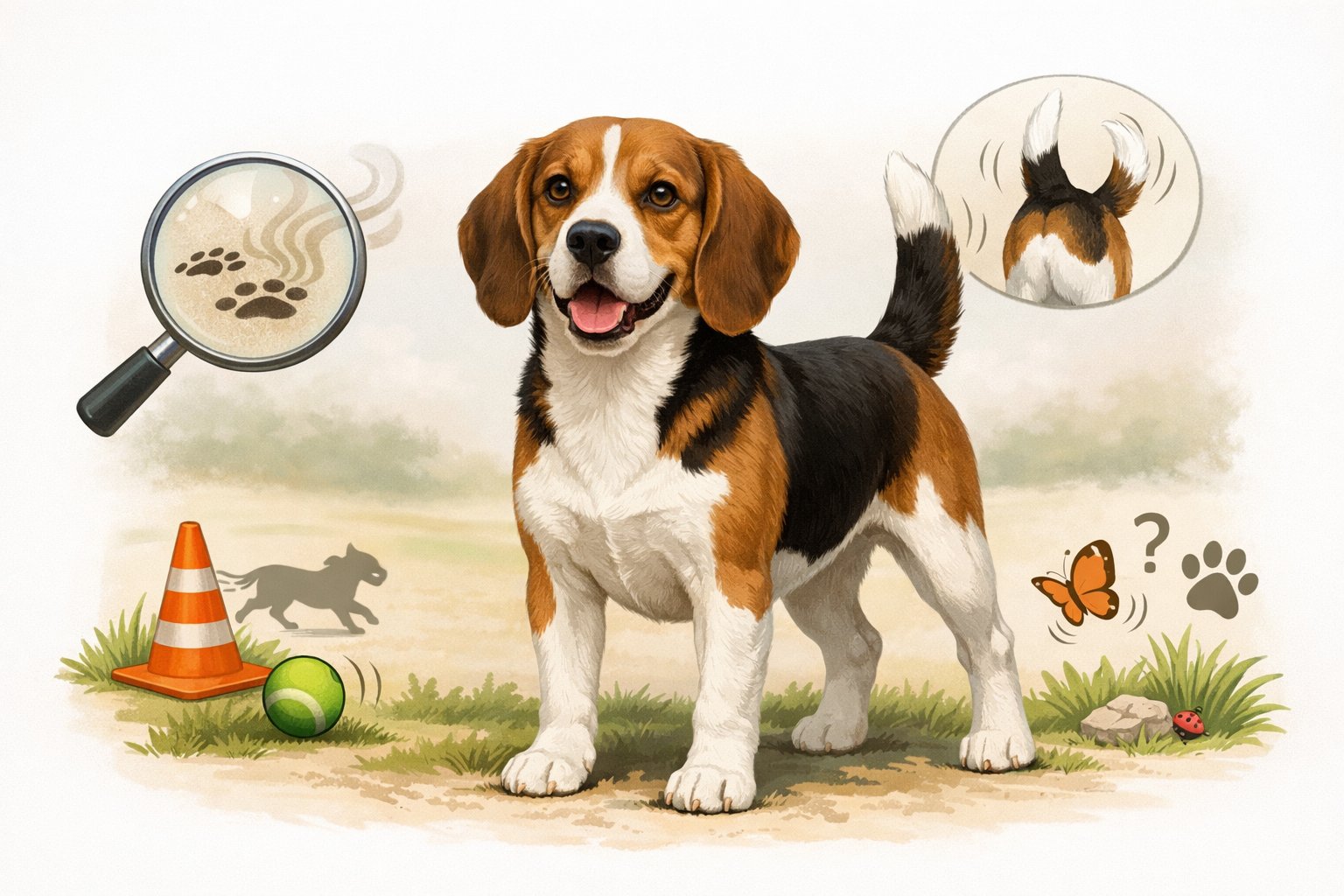
The beagle breed has clear physical features, strong instincts, and a social nature that shapes daily life with this dog. These traits affect training, exercise needs, and how well a beagle fits into a home as a family dog.
Physical Characteristics and Size
A beagle is a medium-sized dog with a compact and sturdy build. Most stand about 13–15 inches tall at the shoulder and weigh 20–30 pounds, which makes them easy to handle for many owners.
They have long, floppy ears, large eyes, and a tail often tipped in white. The beagle’s short coat lies close to the body and comes in common color mixes like tricolor, red and white, or lemon.
This coat sheds but stays easy to care for with weekly brushing. According to the American Kennel Club beagle breed profile, their build supports stamina rather than speed.
| Feature | What to Know |
|---|---|
| Coat | Short, dense, low maintenance |
| Size | Small to medium |
| Grooming | Simple, weekly brushing |
Scent Hound Instincts and Behavior
The beagle is a true scent hound, bred to track smells for hours without stopping. Their nose leads their brain, which explains why they often ignore commands once they catch a scent.
This instinct shows up on walks, in the yard, and even inside the house. They may follow smells under fences or wander if left off-leash.
Secure yards and leash walks matter. The Beagle breed care overview from The Spruce Pets notes that mental games and scent-based activities help focus this drive.
Simple scent work, puzzle toys, and hide-and-seek games give the beagle a safe outlet. Training works best with patience, food rewards, and short sessions.
Typical Temperament and Energy Levels
Beagles act friendly, curious, and social by nature. They enjoy people and often do well as a family dog, especially in homes with older children.
They prefer company and may bark or howl when left alone too long. Energy levels stay moderate to high.
Daily walks and playtime help prevent boredom and weight gain. Without activity, they may chew or dig.
Beagles also tend to live well with other dogs due to their pack background. Key temperament traits include:
- Affectionate with family members
- Playful and alert
- Stubborn at times, especially during training
Health and Daily Care Essentials
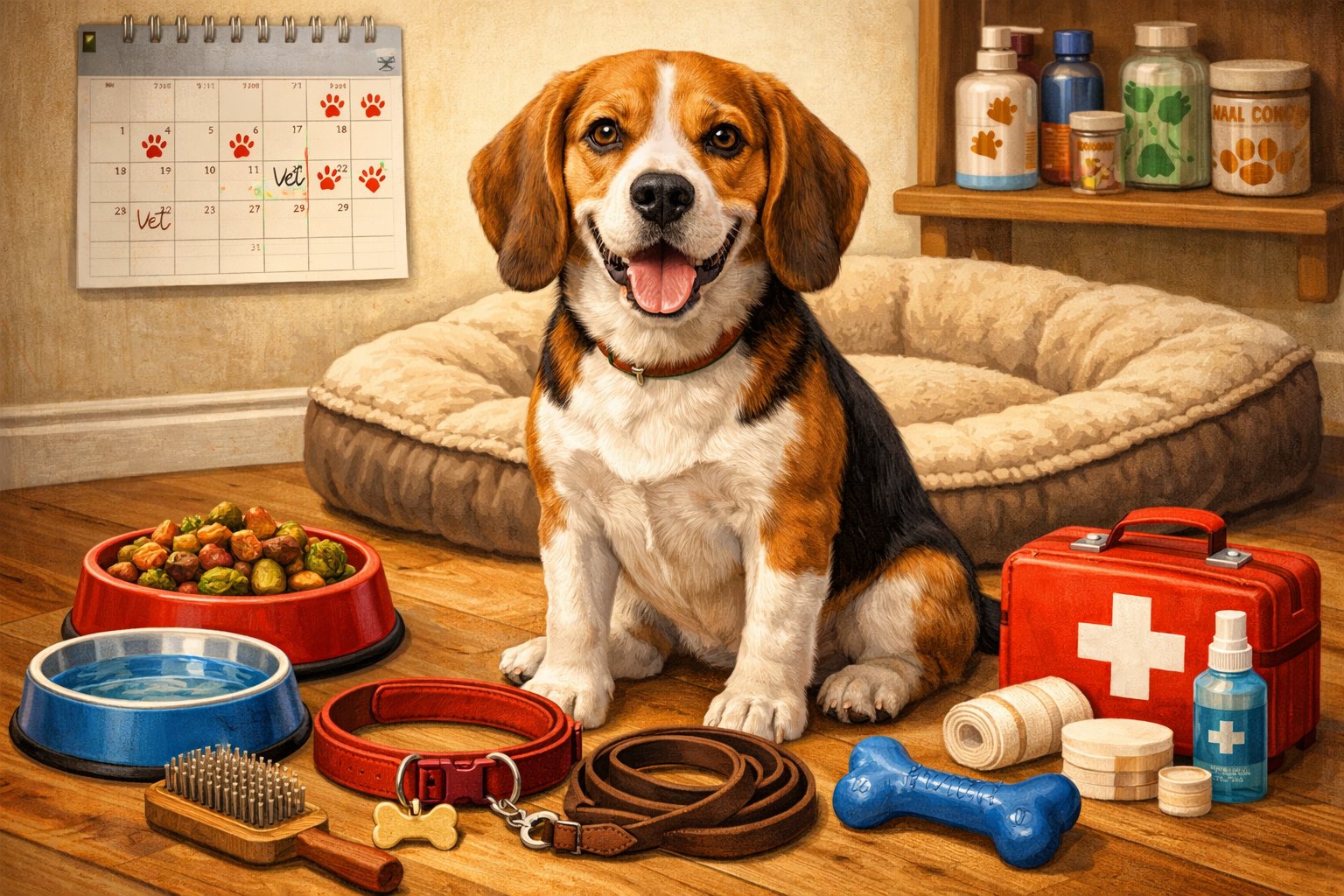
Daily habits shape how a Beagle feels and behaves over time. Regular exercise, simple grooming, and early health care support a healthy Beagle and help prevent common problems that affect the breed.
Exercise Needs and Weight Management
Beagles need daily activity to stay fit and calm. Most do best with at least one hour of exercise each day, split between walks and play.
They love to follow scents, so leash walks work better than free roaming. Games like fetch or hide-and-seek add mental work, which helps create a happy Beagle.
Weight control matters because Beagles gain weight easily. Adults usually weigh 20 to 30 pounds.
Helpful habits include:
- Measured meals, not free feeding
- Limited treats, counted as part of daily food
- Monthly weight checks at home or the vet
Grooming a Short Coat and Routine Ear Care
Beagles have a short, dense coat that is easy to manage. Weekly brushing removes loose hair and keeps skin healthy.
Baths work best every one to two months, or when the dog smells or gets muddy. Use mild dog shampoo to avoid skin irritation.
Ear care needs more attention than coat care. Floppy ears trap moisture and raise the risk of ear infections.
Basic ear care steps:
- Check ears once a week for redness or odor
- Clean with a vet-approved solution
- Dry ears well after baths or swimming
Regular nail trims and tooth brushing also support comfort and mobility.
Common Health Issues and Lifespan
Beagles often live 12 to 15 years with proper care. Routine vet visits help catch problems early.
Common concerns include ear infections, obesity, dental disease, and joint issues. Some Beagles also face eye conditions as they age.
Vaccines protect against serious illnesses. Core shots guard against parvo and distemper, which can be life-threatening without prevention.
Following a vet’s vaccine schedule lowers these risks. Resources like the Beagle health issues every owner should know guide help owners spot early warning signs.
Training, Socialization, and Life With a Beagle
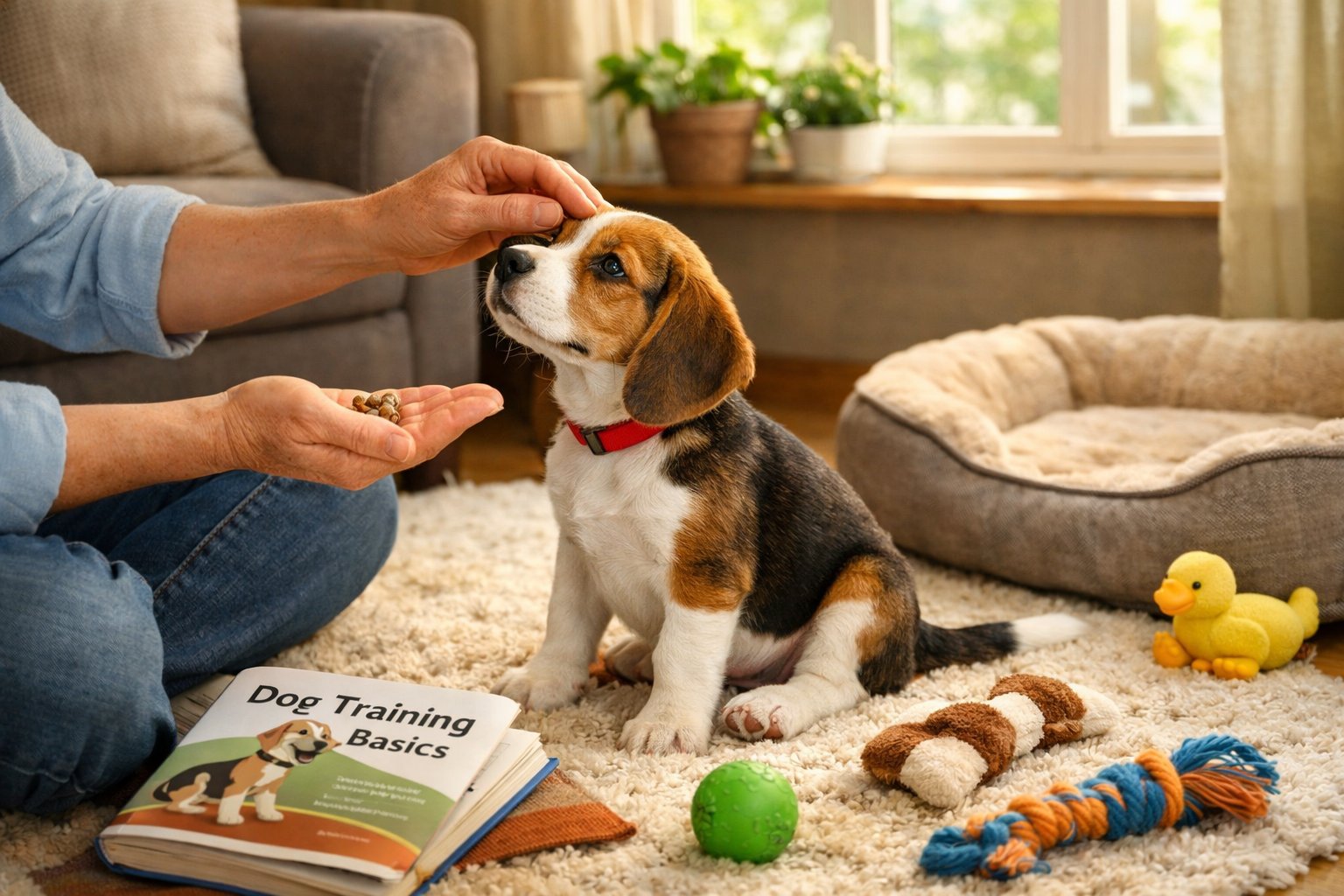
Training shapes daily life with a Beagle. Early habits, steady rules, and patient guidance help this breed fit well into a home and act like a reliable family dog.
Early Puppy Training and Socializing
A beagle puppy learns fastest during the first few months. Owners should start basic training as soon as the puppy comes home.
Simple routines for feeding, potty breaks, and sleep help the dog feel secure. Early social time matters just as much.
Puppies should meet people, calm dogs, and experience common sounds. This reduces fear and builds confidence later in life.
The American Kennel Club outlines a clear beagle puppy training timeline that shows what skills usually develop at each age.
Positive rewards work best. Treats, praise, and short sessions keep attention high.
Long or harsh sessions often lead to frustration.
Early focus areas include:
- Potty and crate habits
- Gentle handling by adults and children
- Calm behavior around visitors
Obedience Training for Stubborn Behaviors
Beagles often test limits, especially when smells distract them. Obedience training helps manage this natural behavior.
Owners should teach commands like sit, stay, and come using clear words and steady rewards. Consistency matters more than force.
Beagles respond poorly to punishment but improve with repetition. Short daily sessions work better than long drills.
A detailed breakdown of essential beagle training tips highlights how structure and rewards improve focus. Leash training deserves extra attention.
Beagles pull when they catch a scent, so calm practice in quiet areas helps build control.
Helpful obedience habits include:
- Using the same commands every time
- Training before walks, not after
- Rewarding calm behavior indoors and outside