Training Beagle Recall—Building a Dependable Come Command
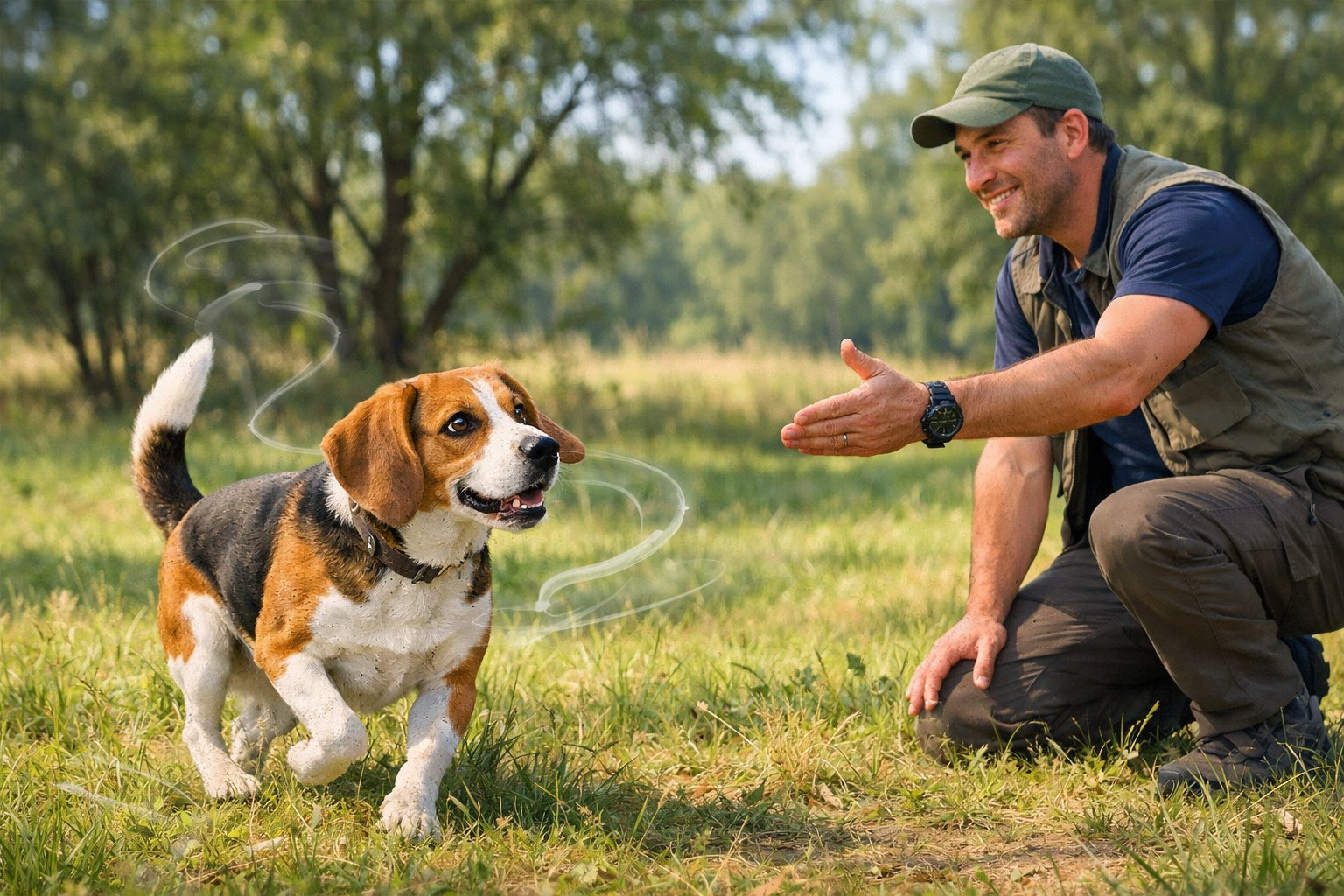
Beagles follow their noses, so recall training must work with natural dog behavior, not against it. Clear cues, strong rewards, and controlled practice help the dog choose the handler over a scent.
Choosing the Right Recall Cue
A recall cue must sound clear and stay special. Short words like “come” or “here” work best because they cut through noise.
The handler should pick one cue and never change it. They should avoid using the cue when the Beagle will likely ignore it.
Repeated failures weaken the word and teach the dog to tune it out. This matters with scent hounds, since smell often overrides hearing.
Many trainers suggest pairing the cue with a happy tone and open body language. Calm posture helps, but energy matters more.
Guides on how to train a Beagle to come when called stress consistency to shape reliable response patterns.
Making Recall Rewarding and Fun
Rewards drive recall success. Beagles respond well to food, play, and praise, especially when distractions rise.
The reward should appear every time the dog returns during early training. High‑value treats matter more than regular kibble.
Soft, smelly foods often beat dry snacks. Fun games also help reset focus after following a scent.
Effective recall rewards
| Situation | Best reward |
|---|---|
| Low distraction | Praise + small treat |
| New environment | High‑value food |
| Strong scent nearby | Favorite toy or jackpot treat |
Positive methods outlined in Beagle recall training tips show that rewards build trust and reduce avoidance. Punishment after recall often causes slower returns or refusal.
Practicing Recall in Controlled Environments
Controlled practice builds habits before real tests. Trainers often start indoors or in a fenced yard with few smells.
This lowers stress and supports learning. A long line adds safety while giving the dog room to move.
The handler can guide the dog back without chasing, which often triggers playful avoidance. Gradual distractions matter.
First add mild smells, then movement, and later outdoor spaces. Step‑by‑step methods described in training recall for Beagles in stages match how dogs process new challenges.
Short sessions work best. Frequent success strengthens recall behavior and keeps training positive.
Overcoming Challenges—Recalling Beagles on a Scent Trail
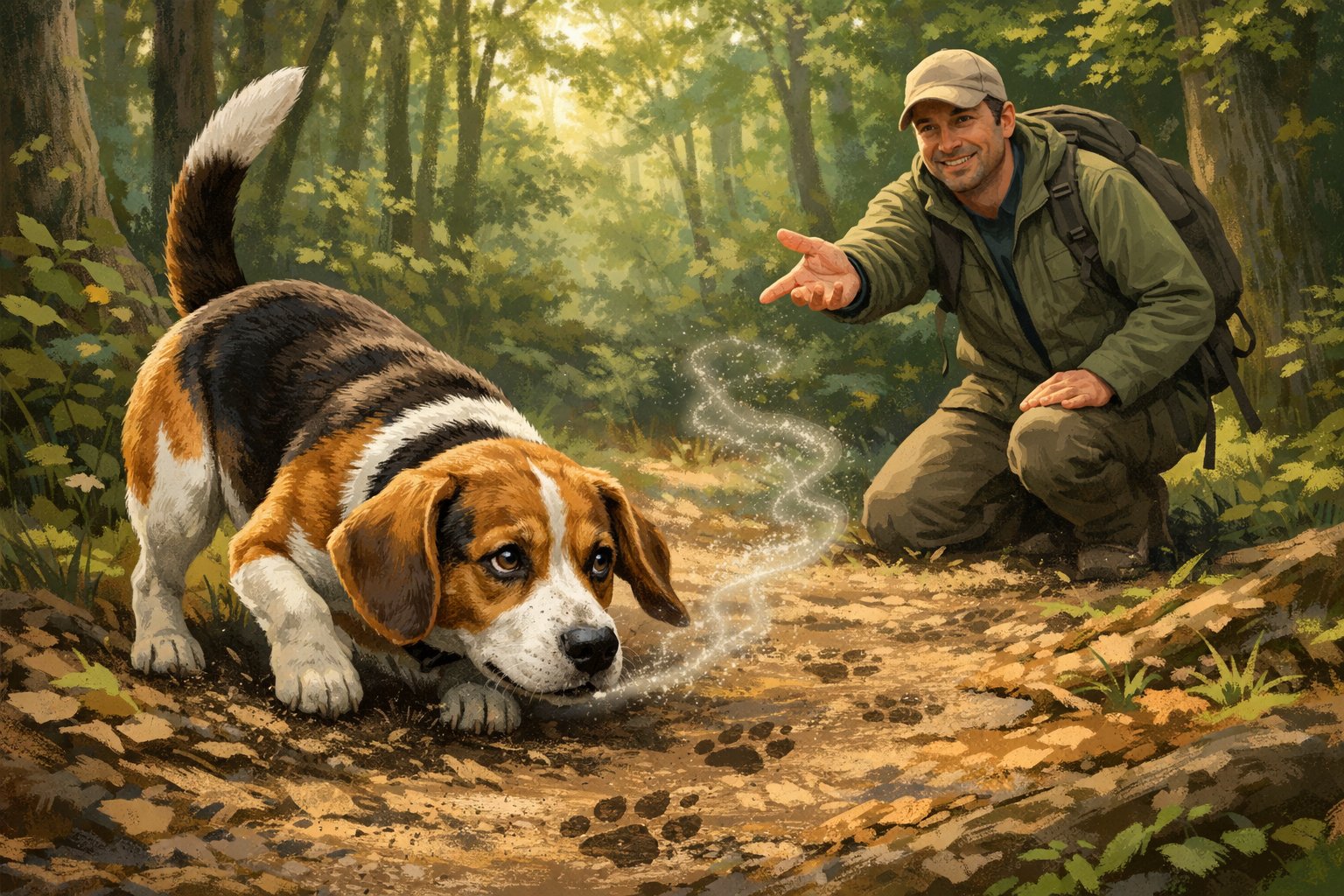
Beagles follow their noses by instinct, not stubbornness. Recall problems often come from normal dog behavior tied to scent work.
Trainers can improve results by adding distractions with care, managing scent-driven choices, and using tools that allow safe practice.
Introducing Real-World Distractions
Beagles struggle most with recall when training moves outside. New smells, sounds, and movement compete with the handler’s voice.
Trainers should start in low-distraction areas, such as a quiet yard or empty park. They can then add one new distraction at a time, like another person walking by or light wildlife scent.
A step-by-step approach like the one outlined in this beagle recall training guide helps dogs succeed before pressure builds.
Helpful progression examples:
- Empty field
- Field with light scents
- Field near trails or brush
Short sessions work best. Ending practice early prevents frustration and protects recall confidence.
Handling Scent-Based Disobedience
When a Beagle ignores recall on a scent trail, it reflects genetics, not defiance. Scent hounds prioritize smell over sound once tracking begins.
Handlers should avoid repeating the recall cue. Repetition teaches the dog that the cue has no urgency.
Instead, trainers can reward voluntary check-ins and fast returns. High-value food works best when competing with scent.
Many trainers also blend recall with nose work, as shown in this scent-friendly recall approach for Beagles.
Effective rewards include:
- Soft meat treats
- Cheese in small pieces
- Short play sessions
Using Long Leashes and Gradual Progression
Long leashes allow freedom without risk. They give Beagles space to explore while keeping recall enforceable.
A leash length of 15–30 feet works well for early outdoor training. The handler can step on the line if the dog ignores the cue.
This setup prevents self-reward from running off. It also builds a habit of returning, even with scent present.
Guidance like this step-by-step recall method for Beagles stresses slow progress over quick wins.
Key leash rules:
- Never jerk the leash
- Keep tension low
- Praise every return
As reliability improves, trainers can shorten the line before going fully off-leash.