Fundamental Training Mistakes With Border Collies
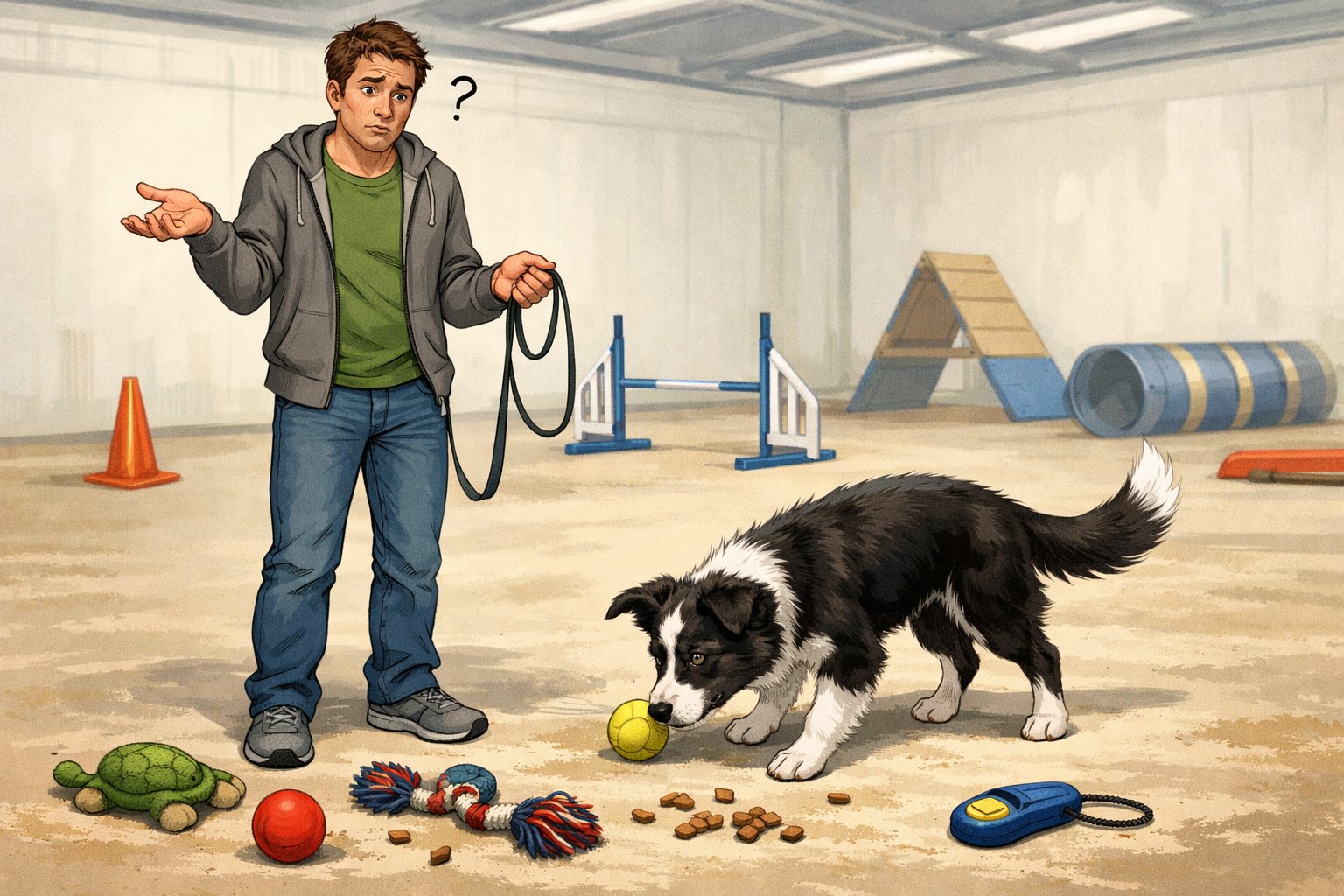
Many new owners struggle with the same early issues when working with a border collie. These problems often involve mental needs, daily structure, social exposure, and natural instincts that shape behavior from a young age.
Underestimating Border Collie Intelligence
A common mistake in border collie training involves treating the dog like an average breed. A border collie learns fast and notices patterns quickly.
When training feels repetitive or too easy, boredom often shows up as barking, chewing, or ignoring commands. A border collie puppy needs mental work as much as physical exercise.
Short training games, problem toys, and learning new cues help keep focus. Owners who skip mental challenges often see setbacks later.
Simple steps help:
- Teach new skills weekly
- Rotate toys and tasks
- Use food puzzles during meals
Inconsistent Training Schedule and Methods
Dogs learn faster when rules stay the same. A consistent training schedule helps a border collie understand what behavior earns rewards.
Changing cues, timing, or rules confuses the dog and slows progress. Many households train differently without realizing it.
One person allows jumping while another corrects it. This mixed message creates stress and testing behavior.
A simple structure works best:
| Training Element | Best Practice |
|---|---|
| Commands | Use the same words |
| Timing | Train at set times |
| Rewards | Stay consistent |
Neglecting Early Socialization
Early socialization shapes how a dog reacts to the world. When owners delay it, a border collie may become fearful, reactive, or overly alert.
This risk increases if the dog only sees one environment during puppyhood. A border collie puppy should meet different people, dogs, sounds, and places in controlled settings.
Calm exposure builds confidence and reduces stress later. Many behavior problems shared in training mistake discussions trace back to missed social time.
Good social habits include:
- Short visits to new places
- Positive dog meetups
- Exposure to common noises
Overlooking Herding Instincts
A border collie carries strong herding instincts. Ignoring this drive often leads to chasing cars, children, or other pets.
These actions reflect instinct, not disobedience. Effective how to train a border collie plans give that instinct a safe outlet.
Structured games, fetch with rules, and agility-style work help redirect focus. Owners who respect this trait see fewer behavior issues.
Helpful outlets include:
- Controlled fetch games
- Directional commands
- Obedience tasks with movement
Common Missteps in Reinforcement and Stimulation
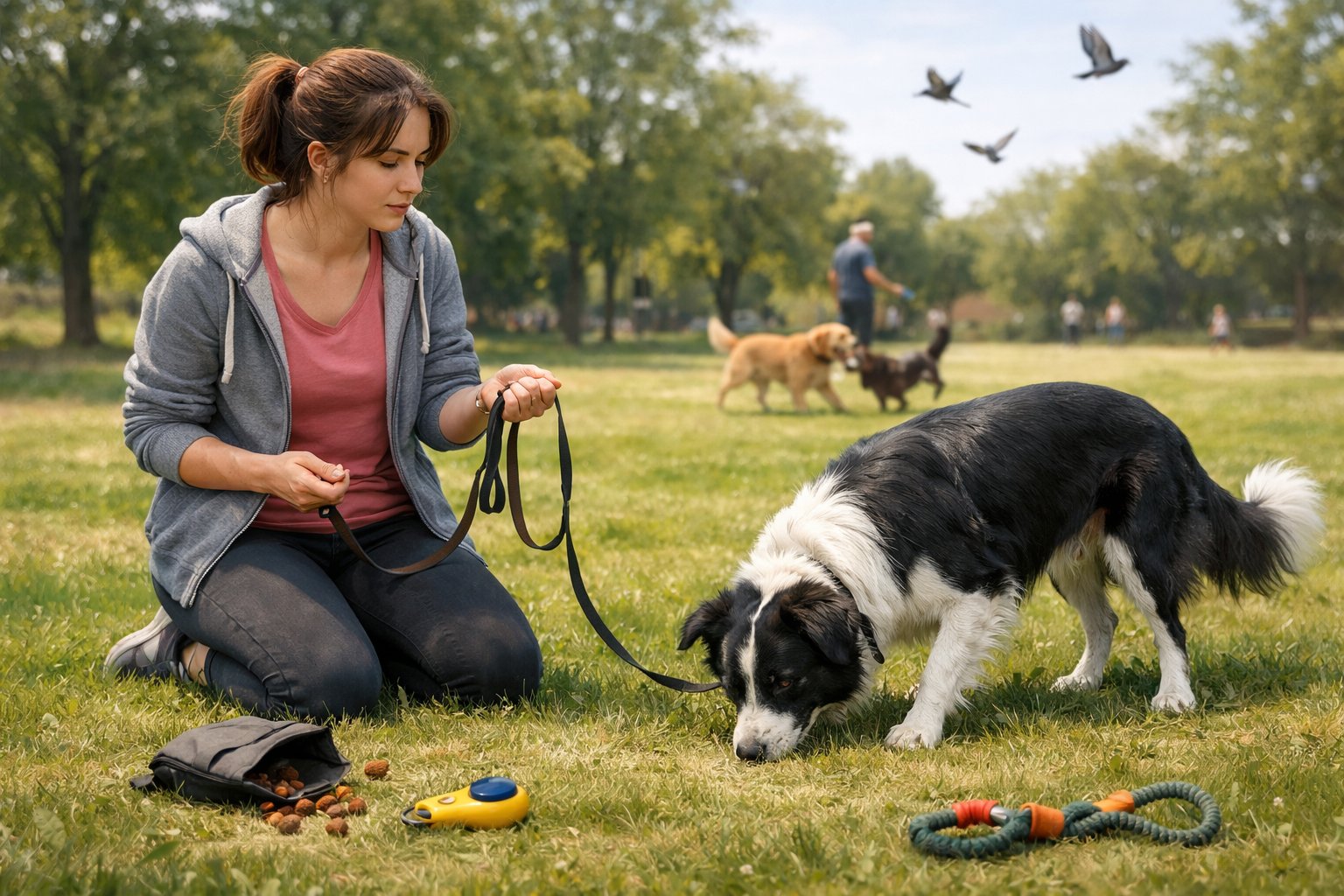
Many training problems start when owners miss key details in how they reward behavior, challenge the dog’s mind, and teach core skills. Border Collies need clear feedback, steady practice, and daily tasks that use both brain and body.
Insufficient Positive Reinforcement Techniques
Some owners delay rewards or use them in unclear ways. Border Collies learn best when positive reinforcement happens right after the behavior.
Late rewards confuse them and slow progress. Effective positive reinforcement techniques include treats, praise, or a favorite toy.
Owners should reward the exact action they want, such as sitting or making eye contact. Short, focused training sessions work better than long drills.
A common mistake involves mixing rewards with punishment. This weakens trust and reduces focus.
Lack of Mental Stimulation Activities
Physical exercise alone does not meet a Border Collie’s needs. Without enough mental stimulation, they may bark, chew, or ignore commands.
Their brains need daily challenges. Useful activities include puzzle feeders, scent games, and learning new cues.
Rotating tasks keeps interest high and prevents boredom. Even ten minutes of problem-solving can calm restless behavior.
Owners often underestimate this need.
Simple mental stimulation ideas
- Hide treats for scent searches
- Teach object names
- Practice short trick chains
Ignoring Recall Training
Recall training teaches the dog to come when called, even with distractions. Many owners delay this skill or only practice it indoors.
That creates risk outdoors. Strong recall training starts early and uses high-value rewards.
Owners should call the dog once, reward fast responses, and avoid repeating the cue. Practice should happen on long lines before going off leash.
Skipping this step leads to poor control.
Overlooking the Importance of Obedience Training
Basic obedience training builds structure and communication. Some owners rush past skills like sit, stay, and loose-leash walking.
That creates gaps later. These commands help manage excitement and focus energy.
Border Collies respond well to clear rules and consistent practice. Training should happen in short bursts across different places.
Mistakes Related to Exercise and Advanced Training
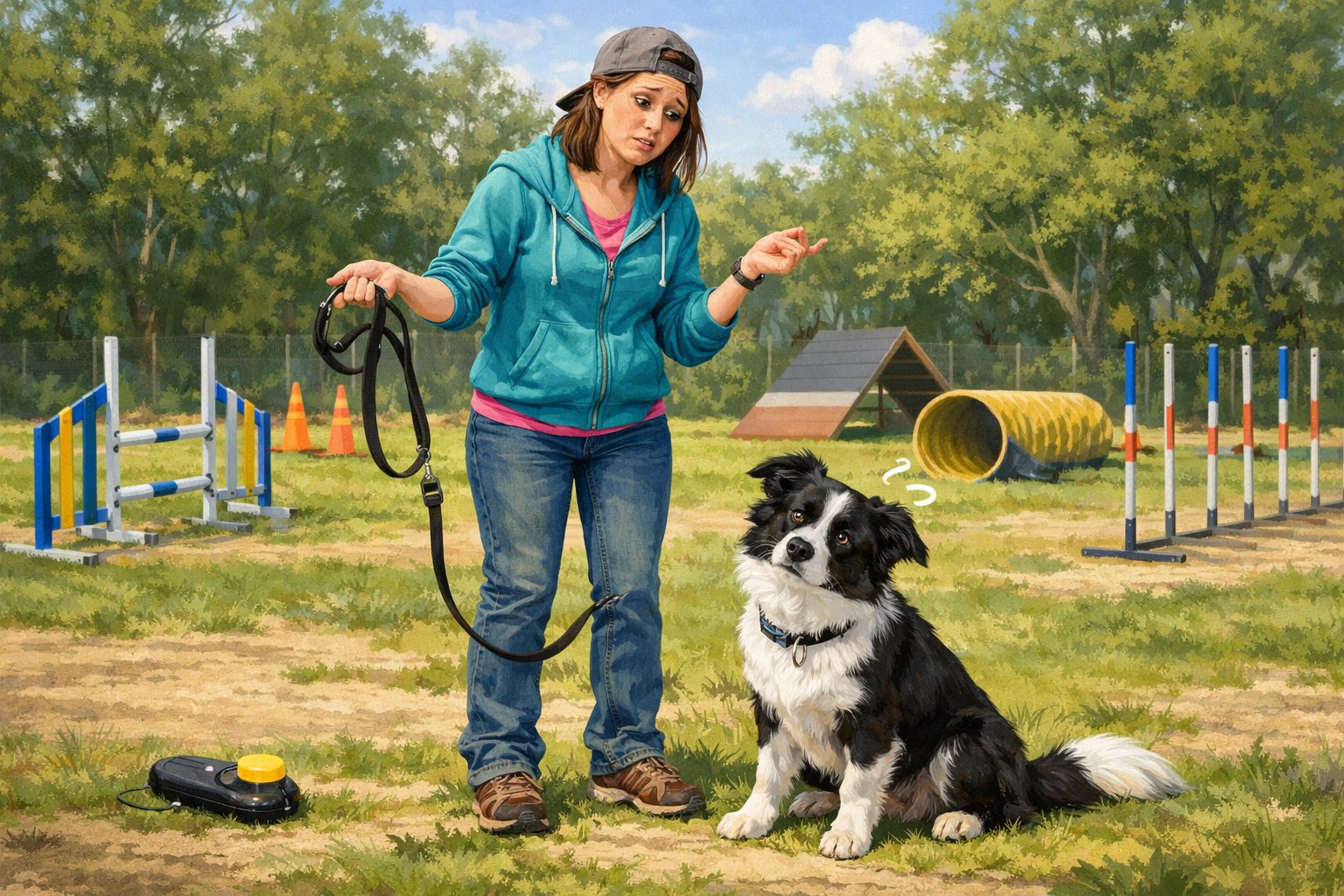
Border Collies need daily movement and steady skill building to stay calm and focused. Many problems start when owners limit exercise, wait too long to teach complex skills, or skip shared training settings.
Providing Inadequate Physical Exercise
Border Collies need daily physical exercise, not short walks around the block. When owners fail to meet this need, the dog often shows pacing, barking, or chewing.
These behaviors come from unused energy, not bad manners. Most adults need 60–90 minutes of active movement each day.
This includes brisk walks, running, fetch, or structured play.
Helpful exercise options include:
- Long leash walks with direction changes
- Fetch with rules, not free chasing
- Hill walks or trail hikes
Owners often think mental work replaces movement. It does not.
Delaying Agility or Advanced Training
Some owners wait too long to start agility training or other advanced training. This delay can waste the dog’s strong learning drive during early development.
Border Collies learn fast and enjoy clear tasks. Advanced work does not mean unsafe jumps for puppies.
It can include body awareness, direction cues, and obstacle basics.
Good early options include:
- Low-impact agility foundations
- Target training and distance cues
- Beginner flyball skills like recalls
Skipping Group Obedience Classes and Sports
Many owners skip obedience classes because they train at home. This choice often limits progress.
Group classes teach dogs to listen around distractions, not just in quiet rooms. Classes also expose dogs to people, sounds, and movement.
These settings build control and calm behavior.
Group activities that help include:
- Basic and advanced obedience classes
- Flyball teams for speed and control
- Beginner agility groups
Training experts who share Border Collie training strategies explain that sports and classes sharpen skills faster than solo practice. Dogs learn teamwork, not just commands.