Border Collies 101: Key Facts, Traits, and Breed Origins

Border Collies stand out for their sharp minds, strong work drive, and athletic build. They developed as herding dogs with a clear purpose, and those roots still shape their looks, behavior, and daily needs as an active pet.
Distinctive Border Collie Appearance and Coat Types
The Border Collie is a medium-sized dog built for speed and endurance. Most adults weigh between 30 and 55 pounds and carry a lean, muscular frame. Their bodies stay slightly longer than tall, which helps with balance while working livestock.
Border Collies have a double coat that protects them from harsh weather. The outer coat can be rough or smooth, while the undercoat stays dense. Black and white appears most often, but owners also see tricolor, merle, and the striking red Border Collie.
Common border collie appearance traits include alert ears, intense eyes, and a low, stalking posture. The American Kennel Club Border Collie breed profile notes that structure and movement matter more than flashy looks because the dog breed was shaped by work, not show standards.
Unique Border Collie Personality and Temperament
The border collie personality reflects generations of focused herding work. These dogs stay highly aware of their surroundings and react fast to movement. They bond closely with their people and often choose one main handler.
Border Collies thrive when they have a task. Without structure, they may invent jobs like chasing shadows or herding children. This behavior links directly to classic border collie traits tied to herding dogs.
Key border collie characteristics include:
- High intelligence and quick learning
- Strong work ethic and persistence
- Sensitivity to tone and routine
Many families enjoy their loyalty and affection, but this border collie breed fits best with owners who enjoy training, daily activity, and clear leadership.
Breed Origins and Historical Highlights
Border Collies originated along the border of Scotland and England. Shepherds bred them to control sheep with eye contact, posture, and precise movement rather than force. This approach made them unmatched working herding dogs.
A dog named Old Hemp, born in the late 1800s, shaped the modern Border Collie. His calm control and natural talent spread through breeding lines and defined the style still seen today.
The breed remained focused on work for decades before kennel clubs recognized it. The Border Collie history and origin overview explains how practical skill guided breeding choices. That history explains why Border Collies still need purpose, challenge, and daily engagement to stay balanced.
Is a Border Collie Right for You? Lifestyle, Family, and Expectations

A Border Collie fits best with people who plan daily activity, training time, and close involvement. This breed rewards effort with focus and loyalty, but it struggles when owners expect a low‑key pet.
High-Energy Needs: Exercise Requirements and Activities
A Border Collie counts as an energetic dog that needs planned movement every day. Most adults need 1.5 to 2 hours of exercise, split into sessions. Short walks do not meet this need.
Good outlets include:
- Fast walks or runs
- Fetch with rules, not endless throwing
- Agility or herding-style games
- Hiking with structure
Without this level of work, many energetic dogs show pacing, barking, or chewing. An active pet owner who enjoys routine outdoor time will manage this better than someone with a busy indoor schedule.
People in small homes can succeed, but only if they commit to daily outdoor exercise. The AKC guide on Border Collie lifestyle fit stresses that energy needs never fade with age.
Mental Stimulation: Preventing Boredom and Destructive Behaviors
Physical exercise alone does not satisfy this breed. Border Collies need mental stimulation every day to stay calm and focused.
Helpful options include:
- Puzzle feeders and scent games
- Short training sessions with new cues
- Jobs like carrying items or targeting objects
Many behavior issues start from boredom, not defiance. Chewing walls, digging, or chasing shadows often signal unmet mental needs. This challenge surprises a first-time dog owner who expects exercise to be enough.
The Border Collie pros and cons overview notes that mental work matters as much as physical activity. Owners should plan thinking games the same way they plan walks.
Choosing a Border Collie Puppy or Adult: What to Expect at Different Ages
Border Collie puppies demand constant guidance. A border collie puppy learns fast but tests limits early. Early training shapes habits that last for years.
| Age | What to Expect |
|---|---|
| Puppy | Biting, chasing, short focus |
| Adolescent | High drive, boundary testing |
| Adult | More control, steady energy |
Adult rescues often suit homes with less training time. They still need exercise and mental work, but many arrive with basic manners. The Living With Border Collies guide suggests fostering as a smart way to learn daily demands before committing.
Border Collies in Families: Pros, Cons, and Honest Considerations
Border Collies often bond closely with their people. In families, this brings both benefits and limits.
Pros
- Loyal and attentive
- Enjoy shared activities
- Thrive with clear routines
Cons
- May herd or nip children
- Struggle with long alone time
- React strongly to chaos or noise
They do best in families that include them in daily life. Training and supervision matter, especially with young kids. When raised with structure, many families find success, as explained in this guide on Border Collies as family dogs.
Raising and Caring for a Border Collie: Training, Health, and Everyday Life
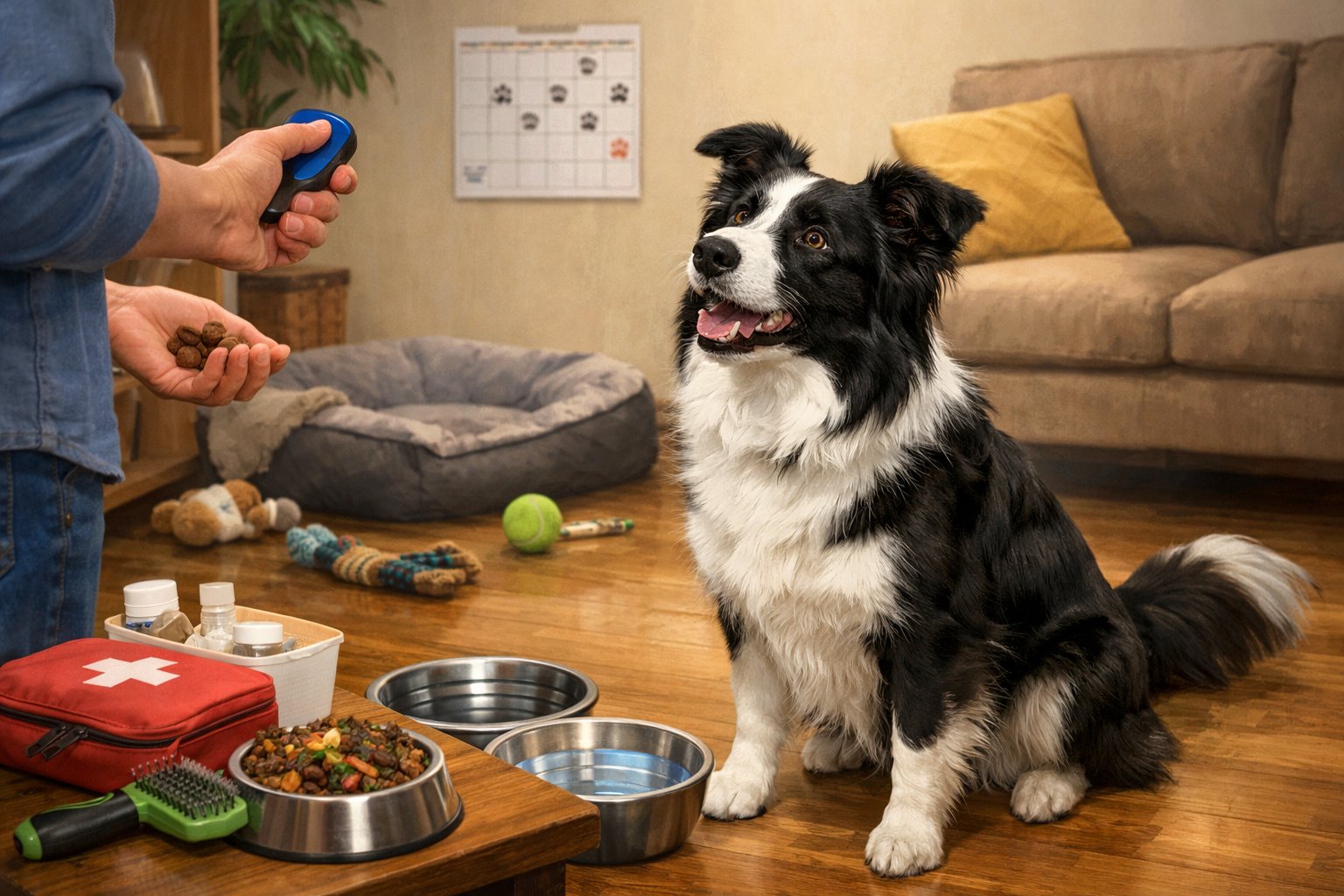
Border Collies need clear training, steady routines, and daily outlets for both body and mind. Owners who plan for behavior, health care, and mental stimulation see calmer dogs and fewer long-term problems.
How to Train a Border Collie: Tips, Mistakes, and Best Practices
Border collie training works best with structure and consistency. These intelligent dogs learn fast, but they also notice mistakes just as quickly. Short sessions, clear cues, and rewards for calm behavior help build focus.
Many owners rush ahead because progress feels easy at first. That often leads to skipped basics like leash manners or impulse control. Guides such as how to train a Border Collie with proven techniques stress patience over speed.
Training should include obedience, body control, and thinking skills. Activities like agility training or flyball suit border collie traits well. Rest days matter too, since constant work can create anxiety instead of balance.
Managing Common Behavior Issues in Border Collies
High energy and sharp awareness shape many border collie characteristics. Without enough structure, problems appear fast. Common issues include chasing cars, nipping heels, barking, and separation anxiety.
Clear routines reduce stress. Predictable feeding, walks, and training times help the dog settle. Owners should watch border collie body language, such as stiff posture or intense staring, which often signals rising arousal.
Mental work matters as much as exercise. Long runs alone do not fix behavior. Resources that explain real-world challenges, like what owners need to know about Border Collie behavior and training, emphasize calm skills over constant motion.
Border Collie Health Concerns and Genetic Issues to Watch For
Border collie health requires early planning and regular checks. Responsible care starts with a reputable breeder who performs genetic testing. This helps lower the risk of inherited disease.
Key conditions to watch for include hip dysplasia, elbow dysplasia, and osteochondritis dissecans, which affect joints and movement. Eye conditions also appear in the breed. These include collie eye anomaly (CEA) and progressive retinal atrophy (PRA).
Routine vet visits support early detection. Owners benefit from learning breed-specific risks through guides like key Border Collie health concerns and solutions. Weight control and proper exercise protect joints over time.
Enrichment, Toys, and Mental Games for Border Collies
Mental stimulation keeps intelligent dogs steady and focused. Border Collies need daily thinking tasks, not just physical play. Puzzle feeders, scent games, and rule-based fetch work well.
Rotating toys prevents boredom. Owners should favor toys that require problem-solving instead of constant motion. Simple tools, such as treat balls or hide-and-seek games, challenge the brain without overexcitement.
Structured jobs matter. Herding drills, agility courses, or task-based walks give purpose. Care guides like the complete Border Collie care guide highlight enrichment as a core need, not an extra.