• Skip to main content
  • Skip to primary sidebar

superduperdog

superduperdog

Uncategorized

Why Do Dogs’ Feet Smell Like Fritos? Explained by Experts

April 16, 2023 by Julia Huskey

Image by CarinBakker from Pixabay

Have you ever noticed that your dog’s feet smell like Fritos? This is a common observation among dog owners, and it’s not just your imagination. Many dogs have a distinct corn chip odor coming from their paws. But why do dogs’ feet smell like Fritos?

The answer lies in the combination of sweat and bacteria that accumulates on a dog’s paws. Dogs have sweat glands on their paws, and when they sweat, it creates a damp environment that is perfect for bacteria to grow. The bacteria that thrives in this environment is called Proteus or Pseudomonas, and it’s the same bacteria that gives corn chips their unique scent.

While the smell of Fritos on your dog’s feet may be unpleasant, it’s actually a sign of a healthy dog. It means that your dog’s sweat glands are functioning properly and that there are no underlying medical issues. However, it’s important to note that if the odor is extremely strong or accompanied by other symptoms like redness or swelling, it could be a sign of an infection, and you should take your dog to the vet.

Why Do Dogs’ Feet Smell Like Fritos?

Dogs are beloved pets for many people, but they can have some strange habits and behaviors that leave owners puzzled. One of these behaviors is the smell of their feet, which can often resemble the scent of Fritos or corn chips. While this smell may seem unpleasant to some, it is actually a common occurrence in many dogs and is not necessarily a sign of a health problem. In this section, we will explore the reasons behind this strange phenomenon and answer some common questions about it.

What Causes the Frito Smell?

The Frito smell in dogs’ feet is caused by a combination of sweat and bacteria. Dogs have sweat glands in their paws, just like humans, and when they sweat, the moisture combines with bacteria on the skin. The bacteria break down the sweat and release an acid that gives off the distinctive odor. The smell is often compared to Fritos or corn chips because of the similarity in scent.

Some breeds of dogs are more prone to the Frito smell than others. Breeds with hairy feet, such as Cocker Spaniels or Bichon Frises, are more likely to develop the odor because the hair can trap moisture and bacteria. Dogs that are overweight or have skin folds on their paws may also be more susceptible to the smell.

Is the Frito Smell Normal?

Yes, the Frito smell in dogs’ feet is a normal occurrence and is not necessarily a sign of a health problem. However, if the smell is extremely strong or accompanied by other symptoms, such as redness, swelling, or limping, it may be a sign of an infection or other issue. In these cases, it is important to consult a veterinarian for proper diagnosis and treatment.

To prevent the Frito smell from becoming too strong, owners can take steps to keep their dog’s paws clean and dry. Regularly wiping the paws with a damp cloth or using paw wipes can help remove excess moisture and bacteria. Trimming the hair on the paws can also help prevent bacteria from accumulating. If the smell persists despite these measures, it is best to consult a veterinarian to rule out any underlying health issues.

How to Deal with Frito Feet

Image by Rebecca Scholz from Pixabay

Dogs with Frito Feet can be a challenge to manage, but with the proper care and attention, you can help reduce the odor and keep your furry friend healthy.

Preventing Frito Feet

The best way to deal with Frito Feet is to prevent it from happening in the first place. Here are some tips:

  • Keep your dog’s feet clean and dry. Wipe their paws with a damp cloth after walks or playtime outside.
  • Trim the hair around their paw pads to reduce moisture buildup and bacteria growth.
  • Provide your dog with a healthy diet and plenty of fresh water to help keep their skin and coat in good condition.

Treating Frito Feet

If your dog already has Frito Feet, there are a few things you can do to help reduce the odor:

TreatmentDescription
Vinegar soakSoak your dog’s feet in a solution of 50% water and 50% apple cider vinegar for 5-10 minutes. Rinse and dry thoroughly.
Baking soda and cornstarchMix equal parts baking soda and cornstarch, then sprinkle onto your dog’s feet and let sit for 10-15 minutes. Brush off excess powder.
Antifungal sprayUse an antifungal spray on your dog’s feet to help kill bacteria and reduce odor.

It’s important to note that if your dog’s feet continue to have a strong odor or show signs of infection, you should consult with your veterinarian.

When to See a Vet

Image by Petra from Pixabay

Possible Health Issues

While the smell of Fritos on a dog’s feet is generally harmless, it is important to monitor any changes in your dog’s foot odor. If the smell becomes stronger or more pungent, it could be a sign of an underlying health issue.

Some possible health issues that can cause a change in foot odor include:

  • Bacterial or fungal infections
  • Yeast overgrowth
  • Food allergies
  • Skin allergies
  • Metabolic disorders
  • Diabetes

What to Expect at the Vet

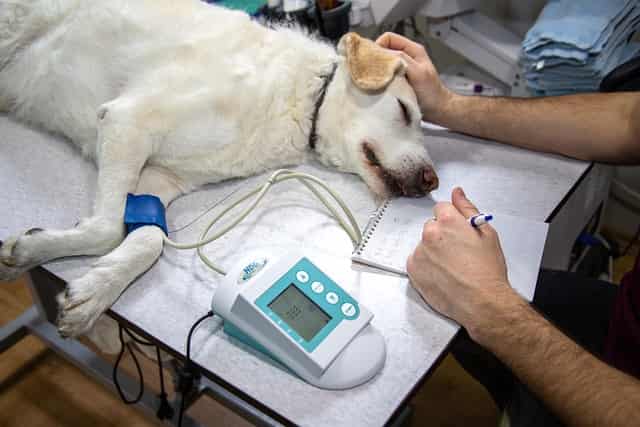
If you notice a change in your dog’s foot odor, it is best to schedule an appointment with your veterinarian. During the appointment, the vet will examine your dog’s feet and may take a sample of the skin or discharge to determine the cause of the odor.

The vet may also recommend additional tests, such as blood work or skin allergy testing, to rule out any underlying health issues.

Depending on the cause of the odor, the vet may prescribe medication or recommend changes to your dog’s diet or grooming routine.

Filed Under: Uncategorized

Why Do Dogs Bury Bones? The Fascinating Reason Behind This Common Behavior

April 16, 2023 by Julia Huskey

Image by NoName_13 from Pixabay

Dogs have been burying bones for centuries, and it’s a common behavior that many pet owners have witnessed. But why do dogs bury bones? Is it simply a natural instinct or is there something more to it?

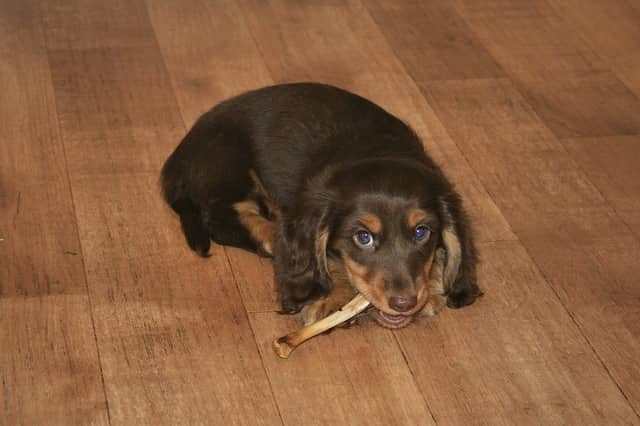
One commonly held belief is that dogs bury bones to save them for later. In the wild, dogs would often bury their food to keep it safe from other animals and to preserve it for times when food is scarce. This instinct may still be present in domesticated dogs, even though they have a steady supply of food.

Another theory is that dogs bury bones as a way to mark their territory. By burying a bone, a dog is leaving its scent on the area, which can deter other animals from coming close. This behavior may also be a way for dogs to establish their dominance over a particular area or object.

Theories Behind Bone Burying

There are several theories about why dogs bury bones. One theory is that dogs bury bones as a way to mark their territory. By burying their bones, dogs are leaving a scent that other dogs can detect. This scent marks the area as their territory, and other dogs will be less likely to enter the area.

Another theory is that dogs bury bones as a way to hide them from other animals. Dogs may bury their bones to keep them safe from other dogs, cats, or even humans. By burying their bones, dogs are hiding them in a place where they are less likely to be found.

The Instinctual Behavior of Dogs

Image by Birgit from Pixabay

The Role of Scent in Bone Burying

Dogs have an incredible sense of smell, and this plays a crucial role in their bone burying behavior. When a dog buries a bone, it leaves behind its scent. This scent acts as a marker, indicating to the dog where the bone is buried. This helps the dog to locate the bone at a later time when it wants to retrieve it. In addition, burying the bone also helps to mask its scent, making it less likely to be detected by other animals.

The act of burying bones not only helps to keep the food safe but also serves as a way for dogs to mark their territory and hide their prized possessions. The role of scent in this behavior is also critical, as it helps dogs to locate and retrieve their buried bones.

Theories Behind Bone Burying

Many dog owners have witnessed their furry friends burying bones in the backyard or hiding them under the couch. But why do dogs do this? There are several theories behind this behavior that have been proposed by animal behaviorists and experts.

Hiding Food for Later

One of the main theories behind bone burying is that dogs are hiding food for later. This behavior is instinctual and stems from the days when dogs were wild and had to hunt for their food. By burying their food, dogs could ensure that they had a steady supply of food even when prey was scarce. This behavior can still be seen in domesticated dogs today, even though they are no longer required to hunt for their food.

Marking Territory

Another theory behind bone burying is that dogs are marking their territory. By burying their bones, dogs are leaving their scent on the bone and the surrounding area. This lets other dogs know that this area is their territory and that they should stay away. This behavior is particularly common in male dogs who are more territorial than females.

The Benefits of Bone Burying

Image by Pfüderi from Pixabay

Maintaining Dental Health

One of the main benefits of bone burying for dogs is that it helps maintain their dental health. Chewing on bones helps clean their teeth and gums, removing plaque and tartar buildup that can lead to dental issues such as gum disease and tooth decay. The act of burying the bone and digging it up later also provides additional cleaning action, as dirt and debris can help scrub away any remaining food particles.

Satisfying Natural Instincts

Dogs have a natural instinct to bury things, and bones are no exception. In the wild, dogs would bury their food to keep it safe from other animals and to save it for later. Even though domesticated dogs don’t need to hunt for their food, this instinct is still present. Burying bones satisfies this natural urge and provides a sense of security for the dog.

Providing Mental Stimulation

Bone burying also provides mental stimulation for dogs. The act of digging and burying requires problem-solving skills and can help prevent boredom and destructive behavior. It can also be a fun activity for dogs, as they enjoy the challenge of digging and the satisfaction of finding their buried treasure later.

Overall, bone burying is a natural and beneficial behavior for dogs. It helps maintain their dental health, satisfies their natural instincts, and provides mental stimulation. As long as bones are given in moderation and under supervision, bone burying can be a healthy and enjoyable activity for dogs.

Filed Under: Uncategorized

Why Do Dogs Dig: Understanding the Reasons Behind This Common Behavior

April 3, 2023 by Julia Huskey

Image by Mark Miller from Pixabay

Dogs are known to be curious creatures that love to explore the world around them. One of the ways they do this is by digging. While digging can be a harmless and natural behavior for dogs, it can also be destructive and frustrating for their owners.

So, why do dogs dig? There are several reasons why dogs dig, and it can vary from breed to breed and even from dog to dog. One reason is that dogs dig to find a cool spot to lie down in on a hot day. They may also dig to create a cozy den-like space to sleep in. Additionally, dogs may dig to bury or retrieve objects, such as toys or bones, or to hide food for later.

Another reason why dogs dig is simply out of boredom or excess energy. Dogs that are not provided with enough physical and mental stimulation may resort to digging as a way to release their pent-up energy. Finally, some dogs may dig due to anxiety or stress. This can be a sign of an underlying behavioral issue that may require professional help to address.

Natural Instincts

Dogs are natural diggers, and it’s a behavior that’s been passed down through generations of their wild ancestors. While it may seem like a destructive habit to us humans, digging is an instinctual behavior that serves several purposes for dogs.

Hunting and Foraging

Dogs dig to hunt and forage for food. In the wild, dogs would dig to uncover prey, such as rodents, insects, and other small animals. Domesticated dogs may still have this instinct and may dig in the backyard or garden to try to catch a scent or find something to eat.

Some breeds, like terriers, were specifically bred for their digging abilities to help with hunting small game. These dogs have a strong prey drive and may dig to get to their prey or to flush them out of their hiding spots.

Territorial Behavior

Dogs also dig to mark their territory. By digging holes, dogs are leaving their scent and marking the area as their own. This behavior is especially common in male dogs who have not been neutered, as they have a stronger instinct to mark their territory.

In addition to marking their territory, dogs may also dig to create a den or shelter for themselves. This behavior is more common in breeds that were originally bred for digging, such as Dachshunds and Beagles. These dogs may dig a hole to sleep in or to escape from extreme weather conditions.

Lack of Exercise

One of the main reasons dogs become bored and anxious is due to a lack of exercise. When dogs don’t get enough physical activity, they can become restless and bored, which can lead to digging. It’s important for dog owners to provide their pets with enough exercise to keep them physically and mentally stimulated. Regular walks, runs, and playtime can help prevent boredom and reduce the likelihood of digging behavior.

Separation Anxiety

Another reason dogs may dig is due to separation anxiety. When dogs are left alone for long periods of time, they can become anxious and stressed. Digging can be a way for them to release their anxiety and frustration. It’s important for dog owners to provide their pets with enough attention and mental stimulation, even when they’re not home. This can include leaving toys or puzzles for them to play with, or hiring a dog walker or pet sitter to provide companionship and exercise while the owner is away.

In conclusion, boredom and anxiety are common reasons why dogs dig. It’s important for dog owners to provide their pets with enough exercise, attention, and mental stimulation to prevent digging behavior. By understanding the reasons behind this behavior, owners can take steps to prevent it and ensure their pets are happy and healthy.

Environmental Factors

There are a variety of environmental factors that can contribute to a dog’s digging behavior. These factors can include temperature regulation, escape, and other instinctual behaviors.

Temperature Regulation

One reason that dogs may dig is to regulate their body temperature. By digging a hole in the ground, they can create a cool spot to lie in on a hot day. This behavior is particularly common in breeds that were originally developed in warmer climates, such as terriers and dachshunds. These dogs have a natural instinct to seek out cooler areas when they become too hot, and digging is one way that they can achieve this goal.

Escape

Another reason that dogs may dig is to escape from their environment. This can be particularly true for dogs that are kept in a confined area, such as a yard or kennel. If a dog is feeling stressed or anxious, they may try to dig their way out in order to escape. This behavior can be particularly problematic if the dog is digging under a fence or other barrier, as it can lead to the dog escaping and potentially getting lost or injured.

In some cases, dogs may also dig in order to create a safe spot to hide or store items. For example, a dog may dig a hole in order to hide a bone or toy, or to create a den-like area where they feel safe and secure.

Medical Reasons

While digging is a natural behavior for dogs, there are some medical reasons that can cause excessive digging. In this section, we will explore some of the common medical reasons why dogs dig.

Pain or Discomfort

Dogs may dig to alleviate pain or discomfort. For example, if a dog has arthritis or hip dysplasia, digging may help relieve pressure on the affected joints. Similarly, if a dog has an injury or a wound, digging may be a way to create a comfortable spot to rest.

Dogs may also dig to create a cooler spot to lie down in hot weather. If a dog is overheated, digging a shallow hole in the cool earth can help regulate their body temperature and provide relief.

Parasites or Skin Conditions

Dogs may dig if they have parasites or skin conditions that cause itching or discomfort. For example, if a dog has fleas or ticks, they may dig to try to remove the pests from their skin. Similarly, if a dog has a skin condition such as mange or allergies, digging may be a way to alleviate the itching or discomfort.

In some cases, dogs may also dig to create a spot to roll in to alleviate itching or discomfort caused by skin conditions.

It’s important to note that while digging can be a symptom of medical issues, it’s not always the case. If you suspect that your dog is digging due to a medical issue, it’s important to consult with a veterinarian to rule out any underlying conditions.

Training and Prevention

Positive Reinforcement

One of the most effective ways to prevent digging in dogs is through positive reinforcement. It is important to reward dogs for good behavior and redirect them when they display unwanted behavior. When dogs dig in appropriate areas, owners should praise them and give them treats or toys. This positive reinforcement will encourage dogs to continue digging in appropriate areas.

Providing Appropriate Digging Spaces

Another way to prevent dogs from digging in unwanted areas is by providing them with appropriate digging spaces. Owners can create a designated area in their yard where dogs are allowed to dig. This area should be filled with soft soil or sand and should be large enough for the dog to comfortably dig in. When dogs dig in this area, owners should praise them and reward them with treats or toys. This will encourage dogs to continue digging in the designated area and discourage them from digging in other areas.

Additionally, owners can provide their dogs with toys that are specifically designed for digging, such as sandboxes or digging pits. These toys will provide dogs with an appropriate outlet for their digging behavior and can help prevent them from digging in unwanted areas.

Overall, training and prevention are key in preventing dogs from digging in unwanted areas. Through positive reinforcement and providing appropriate digging spaces, owners can encourage their dogs to display good behavior and prevent them from causing damage to their yard or property.

Filed Under: Uncategorized

Why Do Dogs Flap Their Ears? Exploring the Science Behind This Canine Behavior.

April 2, 2023 by Julia Huskey

Image by Igor Cokrlic from Pixabay

Dogs are one of the most beloved pets, and their behavior is a subject of fascination for many pet owners. One of the most curious aspects of their behavior is their ear flapping. Dogs often flap their ears in response to various stimuli, but why do they do it?

There are several reasons why dogs flap their ears. One of the most common reasons is to regulate their body temperature. Dogs do not sweat like humans, so they rely on other mechanisms to cool down. Flapping their ears helps to circulate air and cool down their body temperature. Additionally, dogs may flap their ears when they are excited or nervous. This behavior is often seen in puppies who are still learning how to regulate their emotions.

Another reason why dogs flap their ears is to communicate with other dogs. Dogs use their ears to convey their emotions and intentions. For example, a dog may raise its ears and tilt its head forward when it is interested or curious about something. On the other hand, a dog may flatten its ears against its head when it is scared or submissive. Understanding these ear movements can help pet owners better communicate with their furry friends.

Anatomy of a Dog’s Ear

Dogs have a unique and complex ear structure that allows them to hear sounds that humans cannot. Understanding the anatomy of a dog’s ear can help explain why they flap their ears and how they hear the world around them.

Outer Ear

The outer ear of a dog is made up of two parts: the pinna and the ear canal. The pinna is the visible part of the ear that is covered in fur and cartilage. It helps to collect sound waves and funnel them into the ear canal. The ear canal is a tube-like structure that leads to the eardrum. It is lined with hair and wax-producing glands that help protect the ear from debris and infection.

Middle Ear

The middle ear of a dog is a small, air-filled chamber located behind the eardrum. It contains three tiny bones called the ossicles that vibrate in response to sound waves. These vibrations are then transmitted to the inner ear. The middle ear also contains the Eustachian tube, which helps to equalize pressure between the middle ear and the environment.

Inner Ear

The inner ear of a dog is where sound waves are converted into electrical signals that are sent to the brain. It is made up of the cochlea, which is a spiral-shaped structure that contains tiny hair cells. These hair cells are responsible for converting sound waves into electrical signals. The inner ear also contains the vestibular system, which helps a dog maintain balance and orientation.

Overall, the complex ear structure of a dog allows them to hear a wide range of sounds and locate the source of a sound with great accuracy. Flapping their ears may be a way to help funnel sound waves into their ear canal, or it may simply be a way to cool down on a hot day.

Ear Flapping Behavior

Image by ArtPyle from Pixabay

Why Dogs Flap Their Ears

Ear flapping can be a sign of discomfort, irritation, or even excitement. When dogs flap their ears, it can be a way to cool themselves down by increasing airflow to the ear canal. Additionally, dogs with long ears may flap them to shake off dirt or debris.

Ear flapping behavior can occur at any time, but it may be more prevalent during certain activities. For example, dogs may flap their ears during play or exercise when they are excited. They may also flap their ears when they are feeling anxious or uncomfortable. In some cases, ear flapping can be a sign of an ear infection or other medical condition.

How Dogs Flap Their Ears

The way a dog flaps its ears can vary depending on the breed and the individual dog. Some dogs may flap their ears vigorously, while others may only make small movements. Dogs with long, floppy ears may have to shake their head more to get the same effect as a dog with upright ears. In some cases, dogs may even use their paws to help hold their ears in place while they flap them. Overall, ear flapping behavior is a normal part of a dog’s communication and body language. However, if you notice your dog is frequently flapping their ears or seems to be in discomfort, it may be worth consulting with a veterinarian to rule out any underlying medical issues.

Common Reasons for Ear Flapping

Image by jawestad from Pixabay

Here are some of the most common reasons why dogs flap their ears:

Ear Infections

Ear infections are a common cause of ear flapping in dogs. They can be caused by bacteria, yeast, or other microorganisms that grow in the ear canal. Dogs with ear infections may also shake their heads, scratch their ears, and have a strong odor coming from their ears. Treatment for ear infections typically involves cleaning the ears and administering medication prescribed by a veterinarian.

Allergies

Allergies can cause dogs to flap their ears. Dogs can be allergic to a variety of things, including food, pollen, dust, and mold. In addition to ear flapping, dogs with allergies may also have itchy skin, sneeze, and have watery eyes. Treatment for allergies may involve avoiding the allergen, medication, or immunotherapy.

Parasites

Parasites such as ear mites can cause ear flapping in dogs. Ear mites are tiny insects that live in the ear canal and feed on ear wax and skin debris. In addition to ear flapping, dogs with ear mites may also scratch their ears and have a dark, waxy discharge from their ears. Treatment for ear mites typically involves cleaning the ears and administering medication prescribed by a veterinarian.

Foreign Objects

Foreign objects such as grass seeds or foxtails can get lodged in a dog’s ear canal and cause ear flapping. Dogs with foreign objects in their ears may also shake their heads and scratch at their ears. Treatment for foreign objects in the ear typically involves removing the object under sedation by a veterinarian.

Behavioral Reasons

Dogs may also flap their ears for behavioral reasons. Some dogs flap their ears when they are excited, happy, or nervous. This type of ear flapping is usually not a cause for concern and does not require treatment.

When to See a Veterinarian

Signs of Ear Problems

While ear flapping is a normal behavior for dogs, excessive ear flapping or scratching can be a sign of ear problems. Other signs of ear problems in dogs include:

  • Redness or swelling of the ear canal
  • Discharge or foul odor from the ears
  • Head shaking or tilting
  • Pain or sensitivity when the ears are touched
  • Hearing loss or difficulty

If you notice any of these signs, it is important to schedule an appointment with a veterinarian as soon as possible.

Treatment Options

The treatment for ear problems in dogs will depend on the underlying cause. Some common treatment options include:

TreatmentDescription
MedicationAntibiotics or antifungal medication may be prescribed to treat infections. Corticosteroids may be used to reduce inflammation.
CleaningThe ears may need to be cleaned to remove debris or excess wax. Your veterinarian can recommend a safe and effective cleaning solution.
SurgeryIn severe cases, surgery may be necessary to remove tumors or correct structural abnormalities.

It is important to follow your veterinarian’s instructions for treatment and follow-up care to ensure the best possible outcome for your dog.

Conclusion

Image by csolingsmith from Pixabay

After conducting research and analyzing various factors that contribute to ear flapping in dogs, it can be concluded that there is no single definitive answer to this question. In some cases, dogs may flap their ears as a way of regulating their body temperature, while in other cases, it may be a sign of discomfort or pain.

It is important for dog owners to pay close attention to their pet’s behavior and seek veterinary care if they notice any unusual ear flapping or other signs of distress. By understanding the potential causes of ear flapping, dog owners can take steps to help their pets stay healthy and happy.
While there is still much to be learned about this behavior, it is clear that ear flapping is a natural and normal part of a dog’s behavior. By providing proper care and attention, dog owners can help their pets lead happy and healthy lives.

Filed Under: Uncategorized

Why Dogs Eat Twice a Day: An Explanation of Their Feeding Habits

April 2, 2023 by Julia Huskey

Image by jagdprinzessin from Pixabay

Dogs are known for their love of food, but have you ever wondered why they only eat twice a day? Unlike humans who typically eat three meals a day, dogs have a different feeding schedule that is based on their biology and needs. Understanding why dogs eat twice a day can help pet owners make informed decisions about their dog’s diet and feeding habits.

One reason why dogs eat twice a day is because of their digestive system. Dogs are carnivores and have a short digestive tract compared to herbivores, allowing them to digest and absorb nutrients quickly. This means that dogs need to eat smaller, more frequent meals to maintain their energy levels throughout the day. However, feeding a dog too often can lead to overeating and obesity, which is why two meals a day is a good balance for most dogs.

Another factor that affects a dog’s feeding schedule is their age and activity level. Puppies and younger dogs require more frequent meals due to their higher energy needs and smaller stomachs. As dogs age and become less active, they may need fewer calories and can transition to a two-meal-a-day schedule. However, it’s important to note that every dog is different and may have unique dietary requirements based on their breed, size, and health status.

Dogs’ Digestive System

Anatomy of a Dog’s Digestive System

A dog’s digestive system is designed to break down and absorb nutrients from food. The digestive system consists of several organs including the mouth, esophagus, stomach, small intestine, large intestine, rectum, and anus. The mouth and stomach are responsible for breaking down food into smaller pieces, while the small intestine is responsible for absorbing nutrients. The large intestine and rectum are responsible for absorbing water and eliminating waste.

How Digestion Works in Dogs

When a dog eats, the food enters the mouth and is broken down by saliva. The food is then swallowed and travels down the esophagus to the stomach. In the stomach, the food is mixed with stomach acid and digestive enzymes, which break down the food into smaller pieces. From the stomach, the food moves into the small intestine, where nutrients are absorbed into the bloodstream. The remaining waste products move into the large intestine and rectum, where water is absorbed and waste is eliminated.

The Importance of a Regular Feeding Schedule

A regular feeding schedule is important for a dog’s digestive system. Dogs are creatures of habit and thrive on routine. Feeding them at the same time every day helps to regulate their digestive system and prevent digestive upset. It also helps to prevent overeating and obesity, which can lead to other health problems. A regular feeding schedule also helps to prevent behavioral issues, such as begging and food aggression.

Factors Affecting a Dog’s Feeding Schedule

Image by Mojca-Peter from Pixabay

Age and Life Stage

Different life stages require different feeding schedules for dogs. Puppies require more frequent feeding, usually three to four times a day, because they have smaller stomachs and higher energy needs. Adult dogs, on the other hand, can usually eat twice a day. Senior dogs may have different nutritional requirements and may need to eat smaller, more frequent meals to avoid digestive issues.

Activity Level

The amount of exercise and activity a dog gets can also affect their feeding schedule. Dogs with high energy levels and activity may require more frequent feeding to maintain their energy levels. Sedentary dogs, or those with low activity levels, may need to eat less to avoid weight gain.

Breed and Size

The breed and size of a dog can also affect their feeding schedule. Smaller breeds may require more frequent feeding, while larger breeds may need to eat less frequently but in larger quantities. Different breeds may also have different nutritional requirements, so it’s important to consult with a veterinarian to determine the best feeding schedule for your dog.

Health Conditions

Some health conditions can affect a dog’s feeding schedule. Dogs with certain medical conditions may need to eat smaller, more frequent meals to avoid digestive issues or to manage their condition. Dogs with dental issues may need to eat softer foods or smaller pieces to avoid discomfort.

Benefits of Feeding Dogs Twice a Day

Better Digestion and Nutrient Absorption

Feeding dogs twice a day helps to improve their digestion and nutrient absorption. When dogs eat only once a day, they tend to eat too much, which can lead to digestive issues such as bloating, constipation, and diarrhea. By dividing their food into two meals, the digestive system has time to break down and absorb nutrients more effectively, leading to better overall health.

Prevents Overeating and Obesity

Feeding dogs twice a day can help prevent overeating and obesity. When dogs have access to food all day long, they tend to eat more than they need, which can lead to weight gain and health problems. By feeding them only twice a day, owners can control the amount of food their dogs eat, preventing overeating and maintaining a healthy weight.

Improved Behavior and Training

Feeding dogs twice a day can also improve their behavior and training. When dogs are hungry, they tend to be more focused and responsive to commands, making training sessions more effective. Additionally, by feeding them on a regular schedule, owners can establish a routine that helps to reduce anxiety and stress in their dogs.

Reduced Risk of Bloat

Feeding dogs twice a day can also help to reduce the risk of bloat, a serious and potentially life-threatening condition. When dogs eat too much too quickly, their stomachs can become distended and twist, cutting off blood flow to vital organs. By feeding them smaller meals throughout the day, owners can reduce the risk of bloat and keep their dogs healthy and happy.
Conclusion

Image by szcstms from Pixabay

While dogs only eat twice a day, it’s important to remember that their dietary needs can vary based on their breed, age, and activity level.

It’s also important to note that some dogs may prefer to graze throughout the day rather than having set meal times. Owners should monitor their dog’s weight and adjust their feeding schedule accordingly.

Overall, feeding a dog twice a day is a common and healthy practice that provides them with the necessary nutrients and energy they need to thrive. Owners should consult with their veterinarian to determine the best feeding schedule and diet for their individual dog.

Filed Under: Uncategorized

Why Do Dogs Lick Your Feet? Exploring the Reasons Behind This Common Behavior

April 2, 2023 by Julia Huskey

Image by Adriana Morales from Pixabay

Have you ever been sitting on the couch, minding your own business, when suddenly your furry friend comes up and starts licking your feet? While it may seem strange or even gross to some people, this behavior is actually quite common among dogs. In fact, there are several reasons why dogs may choose to lick their owners’ feet.

One reason is that dogs use licking as a way to show affection and establish a bond with their owners. Licking is a natural behavior for dogs, as it is how they clean themselves and communicate with other dogs. By licking their owners’ feet, dogs may be trying to show their love and loyalty, as well as seeking attention and affection in return.

Another reason why dogs may lick their owners’ feet is that they are seeking salt. Human sweat contains salt, which dogs are naturally attracted to. If your feet are sweaty or have been in contact with saltwater, your dog may be drawn to them and want to lick them. While it may be annoying or uncomfortable for some people, this behavior is generally harmless and can be easily redirected with positive reinforcement training.

Reasons Why Dogs Lick Feet

Showing Affection

One of the most common reasons why dogs lick feet is to show affection. Dogs are social animals and they use licking as a way to bond with their human companions. Licking releases endorphins in dogs, which makes them feel good and reinforces their positive feelings towards their owners. When dogs lick feet, it’s their way of saying “I love you” and showing their affection.

Seeking Attention

Dogs are attention seekers and they will do anything to get their owner’s attention. Licking feet is one of the ways they use to get their owner’s attention. When dogs lick feet, they are trying to communicate with their owners and get them to play or give them some attention. This behavior is more common in young dogs who are still learning how to interact with humans.

Grooming Behavior

Dogs are naturally clean animals and they have a grooming instinct. When dogs lick feet, it’s often because they are trying to groom their owners. Dogs may lick their owner’s feet to remove dirt or debris, or to clean a wound or injury. This behavior is more common in dogs who have been trained to be service animals or who have a strong bond with their owners.

Sensory Exploration

Dogs explore the world around them using their senses, and licking is one of the ways they do this. When dogs lick feet, they are trying to gather information about their environment. They may be attracted to the smell or taste of something on the feet, or they may be trying to understand their owner’s mood or emotions through the taste of their sweat. This behavior is more common in dogs who are curious and have a strong sense of smell.

Potential Health Concerns

Image by Gregory Bradford from Pixabay

Bacterial Infections

While it is not common, dogs can carry harmful bacteria in their mouths. When they lick your feet, they can transfer these bacteria to your skin, which can lead to infections. Common bacteria found in a dog’s mouth include:

  • Salmonella
  • E. coli
  • Campylobacter
  • Leptospira

If you notice any redness, swelling, or warmth in the area where your dog licked you, it’s important to seek medical attention. Your doctor may prescribe antibiotics to clear up the infection.

Allergies

Some people may be allergic to dog saliva, which can cause a range of symptoms, including:

  • Hives
  • Itching
  • Swelling
  • Difficulty breathing

If you experience any of these symptoms after your dog licks your feet, it’s important to speak with your doctor. They may recommend antihistamines or other medications to manage your symptoms.

Obsessive-Compulsive Disorder

Some dogs may develop obsessive-compulsive disorder (OCD) and become fixated on licking their owner’s feet. This behavior can become problematic if it interferes with the dog’s daily life or causes injury to the owner’s feet.

If your dog is exhibiting obsessive licking behavior, it’s important to speak with your veterinarian. They may recommend behavior modification techniques or medications to manage the behavior.

How to Discourage Licking

Image by Lauren Rathbone from Pixabay

Positive Reinforcement

One of the best ways to discourage unwanted licking behavior is through positive reinforcement. Whenever your dog refrains from licking your feet, reward them with praise, treats, or toys. This will help them associate good behavior with positive outcomes and encourage them to continue behaving well.

Negative Reinforcement

While positive reinforcement is effective, negative reinforcement can also be useful in discouraging licking behavior. Whenever your dog starts to lick your feet, say “no” firmly and redirect their attention to a toy or treat. This will help them understand that licking is not acceptable behavior and that there are more appropriate ways to interact with you.

Redirecting Behavior

If your dog continues to lick your feet despite your efforts to discourage the behavior, it may be helpful to redirect their attention to a more appropriate activity. For example, you could give your dog a puzzle toy or take them for a walk to burn off excess energy. This will help them learn that licking is not the only way to interact with you and that there are other activities that can be just as rewarding.

Remember, it’s important to be patient and consistent when trying to discourage unwanted licking behavior. With the right approach, you can help your dog learn that licking is not acceptable and encourage them to engage in more appropriate behaviors.

Filed Under: Uncategorized

  • « Go to Previous Page
  • Page 1
  • Page 2
  • Page 3
  • Page 4
  • Page 5
  • Page 6
  • Interim pages omitted …
  • Page 8
  • Go to Next Page »

Primary Sidebar

A French Bulldog puppy surrounded by various dog toys and accessories including chew toys, rope toys, a dog bed, collar, and water bowl.

Best Toys and Accessories for French Bulldogs: Top Picks & Essential Tips

Top Recommended Toys for French Bulldogs French Bulldogs do best with toys that match their … [Read More...] about Best Toys and Accessories for French Bulldogs: Top Picks & Essential Tips

A French Bulldog showing signs of breathing difficulty indoors with subtle icons representing care tips and risks around it.

French Bulldog Breathing Issues: Signs, Risks, and Essential Care Tips

Key Signs of Breathing Issues in French Bulldogs French bulldog breathing issues often show … [Read More...] about French Bulldog Breathing Issues: Signs, Risks, and Essential Care Tips

A French Bulldog swimming cautiously in a shallow pool with its owner watching nearby, highlighting safety during swimming.

Can French Bulldogs Swim? Safety Tips Every Owner Must Know

Can French Bulldogs Swim and Why It’s So Challenging Many owners ask if can French Bulldogs … [Read More...] about Can French Bulldogs Swim? Safety Tips Every Owner Must Know

A French Bulldog being gently groomed with focus on cleaning facial wrinkles and inspecting ears in a tidy grooming salon.

French Bulldog Grooming Guide: Wrinkles, Ears, and Coat Care Made Simple

Wrinkle Care and Facial Fold Cleaning French Bulldogs need steady wrinkle care to avoid skin … [Read More...] about French Bulldog Grooming Guide: Wrinkles, Ears, and Coat Care Made Simple

A French Bulldog walking on a leash in a green park with trees and a water bowl nearby.

How Much Exercise Does a French Bulldog Really Need? A Complete Activity Guide

How Much Exercise Does a French Bulldog Really Need? French bulldogs need short, gentle … [Read More...] about How Much Exercise Does a French Bulldog Really Need? A Complete Activity Guide

Two scenes showing a French Bulldog exhibiting problem behaviors like barking and chewing, and the same dog calmly sitting next to a person offering a treat and leash.

Common French Bulldog Behavior Problems (And How to Fix Them)

Common French Bulldog Behavior Problems and Solutions French bulldog behavior problems often … [Read More...] about Common French Bulldog Behavior Problems (And How to Fix Them)

A French Bulldog sitting next to a smiling person in a cozy home, showing a close and happy companionship.

Why French Bulldogs Are Such Great Companion Dogs: Traits & Tips

Key Qualities That Make French Bulldogs Outstanding Companions French bulldogs stand out as … [Read More...] about Why French Bulldogs Are Such Great Companion Dogs: Traits & Tips

Two groups of French Bulldogs side by side, with playful puppies on one side and calm adult dogs on the other, showing differences in size and features.

French Bulldog Puppies vs. Adults: What to Expect at Every Life Stage

Growth Stages and Development Differences French Bulldogs change fast from birth to … [Read More...] about French Bulldog Puppies vs. Adults: What to Expect at Every Life Stage

A healthy French Bulldog sitting next to bowls of nutritious food including vegetables, meat, and supplements.

Best Diet and Nutrition Tips for French Bulldogs: Expert Feeding Guide

Balanced Diet Essentials for French Bulldogs A balanced diet for French Bulldogs supports … [Read More...] about Best Diet and Nutrition Tips for French Bulldogs: Expert Feeding Guide

A dog trainer gently encouraging an attentive French Bulldog to sit in a cozy indoor training space.

French Bulldog Training Tips for Stubborn but Sweet Pups: What Works

Key Training Strategies for Stubborn French Bulldogs Training a stubborn but sweet French … [Read More...] about French Bulldog Training Tips for Stubborn but Sweet Pups: What Works

Categories

  • Border Collies
  • Uncategorized

Superduperdog.com - Copyright © 2026