• Skip to main content
  • Skip to primary sidebar

superduperdog

superduperdog

Uncategorized

Why Do Dogs Have Whiskers

March 25, 2023 by Jason Huskey

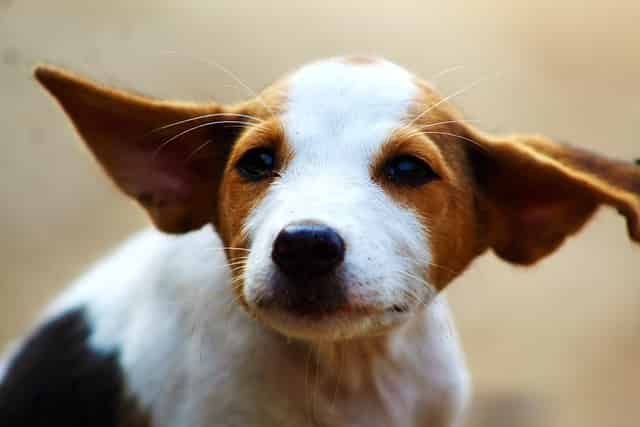
Photo by Tanino: https://www.pexels.com/photo/close-up-photography-of-furry-dog-1191000/

Why Do Dogs Have Whiskers: Uncovering the Science Behind Canine Facial Hair

Dogs have an array of features that contribute to their remarkable senses, one of which are their whiskers. Whiskers, also known as vibrissae, play an essential role in a dog’s ability to navigate and interpret their surroundings.

These tactile hair-like structures are not simply an aesthetic addition to your canine companion’s face; they provide crucial sensory feedback for the dog’s daily activities. In this article, we will explore the reasons behind the existence of whiskers in dogs and how they function to enhance their perception of the world around them.

It is important to understand that whiskers are not unique to dogs – many mammals, including cats, seals, and rodents, also have vibrissae. These intriguing structures can be found on various areas of a dog’s face, such as above the eyes, on the muzzle, and near the jaw. They serve multiple purposes, which we will delve into in the following paragraphs.

Anatomy of Whiskers

Whiskers, also known as vibrissae, are specialized hair-like structures found on the muzzle of dogs and other mammals. They are thicker and stiffer than regular hairs, with each whisker embedded deep in the skin within a follicle packed with nerve endings.

There are four main types of whiskers on a dog’s face:

  • Mystacial whiskers: positioned on the upper lip, similar to a mustache.
  • Genal whiskers: located on the cheeks.
  • Supraorbital whiskers: found above the eyes.
  • Interramal tufts: found below the chin.

Whiskers are arranged in rows, and their numbers and patterns can vary according to the breed, genetics, and individual differences in dogs. They are typically curved, allowing them to remain sensitive to touch from any direction.

The base of each whisker houses nerve endings that transmit sensory information to the brain, allowing dogs to gather valuable data about their environment, such as detecting air currents, changes in pressure, and nearby obstacles. This sensory function plays a crucial role in a dog’s spatial awareness and decision-making.

Functions of Whiskers

Dog whiskers, also known as vibrissae, serve various essential functions that aid in their daily activities and interactions. These specialized sensory hairs are much thicker and longer than regular fur, providing dogs with valuable information about their surroundings.

Some main functions of whiskers include:

  • Navigation: Whiskers help dogs navigate their environment by detecting subtle changes in air currents, allowing them to avoid obstacles, even in low light conditions.
  • Protection: The whiskers above the eyes act as a protective mechanism, reacting to nearby objects and triggering a blink reflex to shield the eyes from potential harm.
  • Spatial awareness: The whiskers on a dog’s muzzle give them a better sense of the distance and location of objects, helping them avoid collisions and judge the size of openings or gaps.
  • Social cues: Whiskers also play a role in communication, as they can convey emotions such as fear or aggression. The positioning of a dog’s whiskers can help other animals and humans understand their mood or intentions.

Overall, whiskers act as an essential sensory tool that enables dogs to better understand and adapt to their environment, enhancing their safety and social interactions.

Photo by joan montaner: https://www.pexels.com/photo/close-up-photo-of-water-on-river-1626219/

Importance in Dog’s Daily Life

Whiskers, also known as vibrissae, play a crucial role in a dog’s daily life. They serve as sensory organs that provide the dog with valuable information about their environment, helping them navigate, investigate, and communicate with others.

Some of the essential functions of whiskers include:

  • Navigating in the dark: Vibrissae can detect subtle changes in air currents, allowing dogs to sense nearby objects without touching them. This is particularly helpful when it is dark, enabling dogs to navigate with more confidence.
  • Measuring aperture: By brushing their whiskers against the sides of an opening, dogs can determine whether they can fit through it. This helps to prevent them from getting stuck in tight spaces.
  • Detecting prey: When a dog is following a scent, its whiskers work alongside its nose to detect vibrations caused by potential prey, increasing its chances of finding its target.
  • Expressing emotions: Dogs use their whiskers to communicate their emotional state to other dogs and humans. For example, a dog may pull its whiskers back to appear friendly or push them forward to signal aggression.

Overall, whiskers are an essential part of a dog’s sensory system, contributing significantly to their ability to navigate, investigate and interact with their surroundings and other beings.

Caution When Grooming

When grooming your dog, it’s crucial to be mindful of their whiskers, as they play an essential role in their sensory abilities. Cutting or trimming a dog’s whiskers can cause them to become disoriented and stressed.

Here are some valuable tips for grooming your dog while preserving their whiskers:

  • Always use tools designed specifically for pet grooming, such as brushes with soft bristles.
  • When using scissors, trim your dog’s fur with caution, ensuring that you avoid cutting whiskers by accident.
  • If your dog requires professional grooming, select a reputable groomer and inform them about the importance of your dog’s whiskers.
  • Examine your dog’s whiskers during grooming sessions and clean them gently, taking care not to pull or tug.

By being attentive and gentle during the grooming process, you can maintain the health and function of your pet’s whiskers, ensuring that they can continue to navigate their environment safely and effectively.

Conclusion

In summary, dogs have whiskers to enhance their sensory abilities, allowing them to navigate their environments better and detect changes in their surroundings. Whiskers, also known as vibrissae, enable dogs to gather information about nearby objects, air movements, and even the emotions of their human handlers.

Understanding the importance of whiskers for your dog’s overall well-being and sensory abilities is crucial for dog owners. It is essential to refrain from trimming or removing a dog’s whiskers to prevent any negative impacts on their day-to-day lives.

Ultimately, whiskers are a fascinating and functional aspect of a dog’s anatomy, serving as valuable tools for communication, navigation, and socialization. Respecting and maintaining your dog’s whiskers can contribute to a happier and more confident furry companion.

Filed Under: Uncategorized

Why Do Dogs Lick Other Dogs?

August 21, 2022 by Julia Huskey

Photo by Johann

Dogs lick each other as a way of showing affection. It is also a way for them to communicate with one another. Dogs will often lick the face of their owner or another dog as a sign of respect. Licking is also a way for dogs to show dominance over others.

Dogs will also lick their own bodies as a way of cleaning themselves. They will often lick their paws or coat in order to remove any dirt or debris that may be on them. Dogs will also sometimes lick other animals, such as cats, as a way of showing affection.

Licking is a natural behavior for dogs and is not something that should be discouraged. If you do not want your dog to lick your face, simply turn your head away when they try to do so. You can also train your dog not to lick by using positive reinforcement techniques. rewarding them when they refrain from licking. Dogs typically learn very quickly what is expected of them and will soon stop licking if it is not something that you want them to do.

Licking can also be a sign of stress in dogs. If your dog is licking excessively, it may be a sign that they are feeling anxious or stressed. Excessive licking can also be a sign of boredom or loneliness. If you think your dog may be licking for these reasons, it is important to provide them with more attention and stimulation. This can be in the form of walks, playtime, or even just spending more time talking to them. If you are concerned that your dog’s licking is excessive, it is always best to consult with a veterinarian. They will be able to rule out any medical causes and help you determine the best course of action for your dog.

Why do dogs lick other dogs ears?

There are a few reasons why dogs might lick another dog’s ears. One reason is that it feels good! The ear is full of sensitive nerve endings, and some dogs really enjoy having their ears rubbed and massaged.

Another reason a dog might lick another dog’s ear is because they’re trying to communicate something. Dogs communicate through body language and scent, and licking is one way they can show submission or respect. Licking another dog’s ear might also be a sign of affection.

Whatever the reason, if your dog enjoys having their ears licked, there’s no need to worry. Just make sure you keep an eye on things and clean their ears regularly to prevent any infection.

Why do dogs lick other dogs faces?

Photo by Meet Dagar

There are a few reasons for this behavior. One reason is that dogs have scent glands in their faces, and when they lick each other’s faces, they are exchanging scents. This helps them to identify each other and also strengthens the bond between them. Dogs also lick each other’s faces as a sign of submission or dominance. When a dog licks a more dominant dog’s face, it is showing deference. Finally, dogs may simply enjoy the taste or sensation of licking another dog’s face. Whatever the reason, if your dog enjoys this behavior and it doesn’t bother you, there’s no need to worry about it. However, if your dog is excessively licking other dogs’ faces or if it’s causing any problems, you may want to talk to your veterinarian about it.

Why do dogs lick their own faces?

Dogs also lick their own faces for similar reasons. They are cleaning themselves and getting rid of any dirt or debris that may be on their fur. Dogs also have scent glands in their faces, so they may be trying to leave their own scent behind. Additionally, some dogs simply enjoy the sensation of licking their own faces. If your dog is licking its face excessively, however, it could be a sign of an underlying health condition. If this is the case, you should take your dog to the vet for a check-up.

Why do dogs lick people’s faces?

Dogs may lick people’s faces for many of the same reasons that they lick other dogs’ faces. They may be trying to get our scent, show submission or dominance, or simply enjoy the taste or sensation. Some people believe that when a dog licks their face, it is a sign of affection. However, this is not always the case. If you don’t like your dog licking your face, you can train it not to do this behavior.

Is it normal for dogs to lick each other?

Photo by Vladislav Tsankov


Yes, it is quite normal for dogs to lick each other. It is a way for them to show affection and also to groom each other. Dogs will often lick their owners as well, which is seen as a sign of affection. Some people do not like this behavior, but it is perfectly normal for dogs. If you are concerned about your dog’s licking behavior, you should talk to your veterinarian. They will be able to help you determine if there is a problem or not.

Why do dogs lick and chew their paws?

One reason may be that they have an itch that they can’t scratch. Another reason may be that they’re trying to remove something from their paw, such as a pebble or burr. Finally, some dogs just seem to enjoy the taste or sensation of licking their paws.

If your dog is licking and chewing their paws excessively, it could be a sign of an underlying health problem. Allergies, skin infections, and arthritis are just a few of the conditions that can cause your dog to lick and chew their paws excessively.

Why do dogs lick us in the morning?

One reason could be that they want attention or food. Dogs can also be trying to tell their owners something, like they need to go outside or they’re feeling sick. Additionally, some dogs just enjoy licking people and see it as a way of showing affection.

How do dogs lick up water?

Dogs lick up water by using their tongue as a sponge. When they stick their tongue out, they close their lips around the water and then suck the water back into their mouth. Dogs also have a special groove in their tongue that helps them lap up water. Some dogs even curl their tongue into a cup shape to scoop up water. All of these methods help dogs to take in a lot of water very quickly.

Dogs need to drink a lot of water because they are constantly losing water through their panting and urinating. If they don’t drink enough water, they can become dehydrated, which can be dangerous. That’s why it’s important to always have fresh, clean water available for your dog to drink.

What other methods do dogs use to stay hydrated?

Photo by Matthias Zomer

Dogs also get water from the food they eat. Many foods, especially wet or canned foods, contain a lot of water. This helps to keep dogs hydrated even if they don’t drink a lot of water on their own.

Another way that dogs can stay hydrated is through the use of dog water fountains. These fountains provide a continuous stream of fresh, clean water for dogs to drink. They are a great way to keep your dog hydrated, especially if you live in an area with warm weather.

Can dogs lick lemons?

The answer to this question depends on the dog. Some dogs may be able to lick lemons without any problems, while others may find the citrus taste to be too strong. If your dog does not seem to enjoy licking lemons, it is probably best to avoid giving them any. Dogs that do enjoy licking lemons may need to be monitored to make sure they do not consume too much citrus. Too much citrus can cause stomach upset in dogs. If your dog does consume too much lemon, contact your veterinarian immediately.

Lemons are not toxic to dogs, but they can cause stomach upset. Dogs that consume lemons may experience vomiting, diarrhea, and abdominal pain. In severe cases, dogs may also experience difficulty breathing and an increased heart rate. If you think your dog has consumed too much lemon, contact your veterinarian or the ASPCA Animal Poison Control Center at (888) 426-4435.

Filed Under: Uncategorized

How To Train Puppy To Be Alone

August 13, 2022 by Nolan Huskey

Image by Moshe Harosh from Pixabay

Leaving your puppy alone can be a stressful experience for both of you. Puppies are used to being around their family and friends all the time, and suddenly being left alone in a strange place can be very scary. This can lead to whining, barking, and even potty accidents. In this blog post, we will provide the steps that will help you train your puppy to be comfortable being alone!

The first step is to start by leaving your puppy alone for short periods. This will help them get used to the idea of being away from you. You can start by putting them in their crate with a few toys, and gradually increase the amount of time they are left alone.

It is important to make sure that they have something to do in the crate, such as a Kong toy filled with food. This will help keep their minds occupied and prevent them from getting bored.

The second step is to create positive associations with leaving. This means that every time you leave, you should give your puppy a treat. This will help them associate being alone with something positive. Exercise is also important before you leave like playing fetch. A tired puppy is more likely to sleep than one who is full of energy.

The third step is to only let your pup out of the crate when he is calm. This means that you should not make a big deal when you enter or leave the room. If your puppy gets excited, it will only make the situation worse.

The fourth step is to hire a pet sitter. This can be a great way to train your puppy to be alone. This will help them get used to being away from you for longer periods of time.

The fifth step is to train your puppy to not cry when alone. This can be done by teaching them the “quiet” command. Once they learn this, you can leave for short periods of time without them making a fuss.

Image by ScatteredBitsOfLights from Pixabay

How to teach the quiet command to a dog

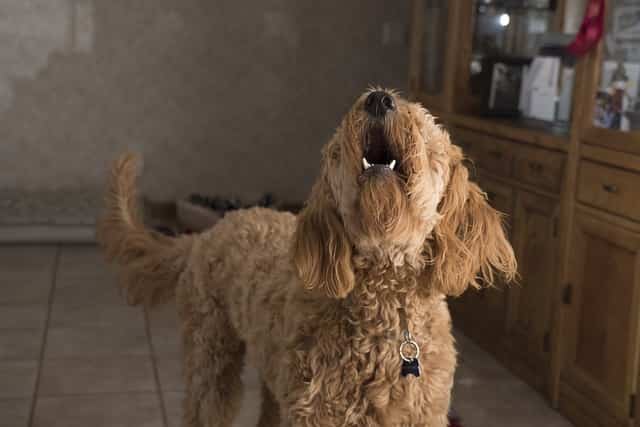
One of the most important commands you can teach your dog is the quiet command. This command can be very helpful in situations where your dog is barking excessively or when you need them to be quiet for a specific period of time. Here are some tips on how to teach your dog the quiet command:

-Start by teaching your dog the speak command. This will help them understand that when you give the quiet command, they need to stop barking.

-When your dog is barking, say the word “quiet” in a firm voice. You may also need to use hand signals or body language to emphasize the command.

-If your dog stops barking when you give the command, immediately give them a treat or praise them verbally.

-If your dog does not stop barking when you give the command, do not provide a treat or verbal praise. Instead, try using a different technique such as asking them to sit or lie down.

With patience and consistent training, your dog will eventually learn the quiet command and be able to respond to it in different situations. This is a great command to have in your arsenal as it can help reduce stress for both you and your dog.

How long does it take for a puppy to get used to being alone?

This is a question that many new puppy owners ask. Every puppy is different and will adjust to being alone at their own pace. However, most puppies will start getting comfortable in about 1 to 2 weeks.

One of the most important things you can do is to make sure that your puppy has a safe, comfortable place to stay when they’re alone. This could be a crate, an exercise pen, or even just a designated area in your home.

It’s important that your puppy feels like this is their space and they’re not being isolated from the rest of the family. You should also make sure that your puppy has plenty of toys and chewables to keep them occupied while they’re alone.

Another thing to remember is that you should never leave your puppy alone for longer than they can handle. Start with short periods of time (a few minutes to an hour) If you need to be away from home for an extended period, it’s best to have someone else watch your puppy or take them to a doggy daycare.

You may need to hire a pet sitter while training alone time

Alternatively, you can ask a friend or family member to look after your pet while you’re out. If you have multiple pets, it may be worth hiring a professional pet sitter so that they can all receive the care and attention they need.

Whichever option you choose, make sure you leave clear instructions and contact details so that your pet can be taken care of in your absence.

Training your pet to enjoy being alone doesn’t have to be difficult – with a little patience and perseverance, you’ll soon see results. And once they’ve mastered the art of being solo, you’ll be able to enjoy some well-earned peace of mind knowing that your furry friend is happy and content even when you’re not around.

Another option is to take your pet with you on vacation.

Image by katerinavulcova from Pixabay

Vacationing with your pet can be a great experience for both of you. Just make sure to do your planning ahead of time, so that everything goes smoothly. And, most importantly, have fun!

Another option for vacationing with your pet is to look into pet-friendly hotels and resorts. This way, you can bring your furry friend along without having to worry about finding a place to stay that will accept them.

Chances are, your pet will love being able to explore new places with you by their side. Just be sure to do your research before taking this route, so that you know what to expect and are prepared for anything that might come.

Only let your pup out of the crate when he is calm.

If your pup is barking or whining in the crate, wait until he stops before opening the door. This will help teach him that being calm gets him what he wants. Once he’s quiet, open the door and let him out. If he starts barking or whining again, close the door and wait for him to settle down. Only open it when he’s quiet.

If your pup is having a tough time settling down in the crate, try putting a shirt that you’ve worn recently in the crate with him. The scent will help him feel comforted and safe. You can also try feeding him in the crate to help create a positive association.

Lastly, make sure the crate isn’t too big. He should be able to stand up and turn around comfortably, but it shouldn’t be so large that he can use one end as a bathroom and the other as a bedroom.

By following these tips, you can help your pup learn to love his crate and see it as a safe, comfortable place.

When should I start training my puppy to be alone?

There’s no definitive answer to this question, as it will depend on your individual puppy’s needs and temperament. However, it’s generally advisable to start training your puppy to be comfortable spending time alone from an early age.

Three to four months old is a great time to train most dogs. This will help to prevent separation anxiety from developing, and will make it easier for you to leave your pup alone when necessary.

How to train a puppy to be outside alone

One common challenge that new puppy parents face is learning how to train their puppy to be outside alone. This can be a difficult task, but there are some things you can do to help your puppy feel comfortable and safe when they’re by themselves.

Here are a few tips for training your puppy to be outside alone:

-Create a safe and comfortable space for your puppy to stay in when they’re outside. This could be a small pen or fenced-in area.

-Make sure that the area is well-ventilated and has plenty of shade.

-Provide your puppy with some toys or chew toys to keep them occupied.

-If possible, try to spend some time with your puppy outside so they can get used to being in the space without you.

Hopefully these tips will help you as you start training your puppy to be outside alone.

How to train a puppy to not cry when alone

Image by Emily Hopper from Pixabay

One way to train your puppy not to cry when left alone is by teaching them the “settle” command. This is a cue that tells your puppy to go to a specific spot and lie down.

To teach this cue, start by having your puppy on a leash and have them sit or stand next to you. Then, say the cue “settle” in a calm voice and take a step back.

If your puppy remains sitting or standing, praise them and give them a treat. If they start to follow you, simply turn and walk the other way. Repeat this process until your puppy is consistently staying in one spot when you say the cue “settle.”

How to keep your dog away from a Christmas tree

If you’re worried about your dog getting too close to your Christmas tree, there are a few things you can do to keep them away. You can try putting up a baby gate or fencing around the tree, or spraying it with a pet-safe repellent.

You can also train your dog to stay away from the tree by using positive reinforcement – rewarding them when they stay away from the tree, and ignoring them when they go near it.

With a little patience, you can keep your dog safe and your tree intact this holiday season.

How to train a rescue dog to be left alone

If your new rescue dog is anything like ours were, they may have some separation anxiety. This can present itself in a number of ways including barking, howling, whining, pacing, and/or destroying items in the home while you’re away.

While it’s understandable to want to coddle your new furry friend, it’s important to begin teaching them that it’s okay to be left alone.

The first step is to crate train your dog. This will provide them with a safe space of their own where they can relax and feel comfortable. Be sure to introduce the crate gradually and pair it with positive reinforcement in the form of treats, toys, and/or praised so that they associate it with good things.

Once your dog is crate trained, you can begin leaving them in the crate for short periods of time while you’re home. This will help them get used to being away from you and help to build their confidence.

Start with just a few minutes at a time and slowly increase the amount of time as they become more comfortable. If your dog is still having trouble after trying these tips, you may want to consult with a professional trainer or behaviorist.

How to train a 4 month old puppy

Image by Aleš Háva from Pixabay

Four months is an ideal age to start training your puppy. By this age, they should have received all of their vaccinations and be able to socialize with other dogs. Here are some tips on how to train your four-month-old puppy:

The first step is to enroll your puppy in a basic obedience class. This will teach them the basics, such as sit, stay, come, and down. It is also a great way for you to socialize your puppy and meet other dog owners.

If you are not able to take a class, there are many resources available online or at your local pet store. One of the most important things to remember when training your puppy is to be consistent. Choose one command and stick with it until they have mastered it.

Puppies have short attention spans, so keep training sessions short, around five minutes. Puppies also learn best through positive reinforcement, so be sure to praise them when they do something good.

With a little patience and consistency, you will have a well-trained four-month-old puppy in no time!

One of the most important things to remember when training your puppy is to be consistent. Choose one command and stick with it until they have mastered it.

Filed Under: Uncategorized

How To Treat Dog Ear Infection Without Vet

July 28, 2022 by Julia Huskey

Photo by Ivan Babydov

If you’re looking for a more natural way to treat your dog’s ear infection, apple cider vinegar and colloidal silver are both great options. Apple cider vinegar has antibacterial and antifungal properties, which can help to fight the infection, while colloidal silver is a powerful antibiotic that can help to kill the bacteria causing the infection.

To use apple cider vinegar, simply mix equal parts apple cider vinegar and water, and then use a cotton ball to apply it to your dog’s ears. Let it sit for a few minutes, and then rinse it off with clean water.

To use colloidal silver, you can either add a few drops to your dog’s food or water, or you can apply it directly to their ears with a cotton ball. Let it sit for a few minutes before rinsing it off.

If you’re unsure of which method to use, talk to your vet about what they recommend for your dog’s specific situation. Whichever method you choose, be sure to follow the instructions carefully and monitor your dog closely for any signs of improvement. With a little time and patience, your dog’s ear infection will soon be a thing of the past!

Are dog ear infections contagious

Photo by Julissa Helmuth

No, dog ear infections are not contagious. However, they can be caused by bacteria or viruses that are passed from one dog to another, so it’s important to keep your dog away from other dogs if they have an infection. Ear infections can also be caused by allergies or environmental irritants, so if your dog is prone to them, be sure to keep an eye on their environment and make sure they’re not coming into contact with anything that could trigger an infection. If you’re unsure of what’s causing your dog’s ear infection, talk to your vet for more information.

If your dog does have an ear infection, there are a few things you can do to help them feel more comfortable. First, clean their ears with a dog-safe ear cleaner and cotton balls. Be sure to never put anything down into the ear canal itself, as this could damage the ear or make the infection worse. You can also give your dog over-the-counter pain medication to help with any discomfort, but be sure to talk to your vet before giving them any medication. If the infection doesn’t seem to be improving after a few days, or if your dog is in a lot of pain, make an appointment with your vet so they can prescribe antibiotics or other treatment.

Ear infections are no fun for anyone, but with a little care and attention, you can help your dog feel better in no time.

Are dog ear infections painful

Yes, dog ear infections are painful. Your dog may be pawing at their ears or shaking their head frequently. They may also have a reduced appetite and be less active than normal. If you think your dog may have an ear infection, it’s important to take them to the vet for a check-up. Left untreated, ear infections can cause serious health problems for your dog.

There are a few things that can cause ear infections in dogs. One is allergies. Dogs with allergies often have itchy skin, which can lead to scratching and irritation of the ears. This can then lead to an infection. Another common cause of ear infections is bacteria or yeast buildup in the ears. This can happen if your dog’s ears are not cleaned regularly or if they spend a lot of time swimming. Ear infections can also be caused by growths in the ear, such as polyps or tumors.

If your dog does have an ear infection, there are a few things you can do to help them feel better. First, you’ll need to clean their ears out. This can be done with a cotton ball soaked in warm water or a solution made specifically for cleaning dog ears. Once their ears are clean, you can apply a topical medication to help fight the infection. In some cases, your vet may also prescribe oral antibiotics.

With proper care, most dogs will recover from an ear infection within a few weeks. However, some dogs may be prone to recurring infections. If your dog has multiple ear infections, it’s important to talk to your vet about possible underlying causes and treatment options. Ear infections can be painful for your dog, but with the right care, they can quickly get back to feeling their best.

Are dog ear infections an emergency

Photo by Bethany Ferr

No, dog ear infections are not usually an emergency. However, if your dog is showing signs of pain or distress, it’s important to take them to the vet for a check-up. Left untreated, ear infections can cause serious health problems for your dog.

Can dog ear infections go away on their own

The short answer is yes, but it really depends on the severity of the infection and how quickly you catch it. Dog ear infections are caused by a number of things, including allergies, bacteria, yeast, and ear mites. If your dog has an ear infection, you’ll likely notice him shaking his head or scratching at his ears.

If your dog is scratching at their ears or shaking their head frequently, this is a sign that they may have an ear infection. Ear infections are caused by a build-up of wax, bacteria, or yeast in the ear canal. If left untreated, ear infections can lead to more serious problems, such as hearing loss or damage to the ear canal.

Can dog ear infection cause loss of appetite

Yes, if your dog has an ear infection, they may lose their appetite. This is because the pain of the infection can make it difficult for your dog to eat. If you notice that your dog is not eating as much as usual, or if they seem to be in pain when they eat, it’s important to take them to the vet so they can be treated for the infection. Left untreated, an ear infection can lead to more serious problems, such as hearing loss or damage to the ear canal.

Can dog ear infection cause vomiting

Vomiting can be a symptom of an ear infection, but it is not a common one. If your dog is vomiting, it’s important to take them to the vet so they can be checked for other possible causes. Ear infections are fairly common and can be treated with antibiotics or other medications.

What is the fastest way to get rid of a dog ear infection

Photo by Alexas Fotos

The fastest way to get rid of a dog ear infection is to take them to the vet. They will be able to prescribe antibiotics or other medications to clear up the infection. If you try to treat the infection at home, it’s important to do so carefully. Ear infections can be very painful for dogs, and if you don’t treat them properly, they can lead to more serious problems, such as hearing loss or damage to the ear canal.

What is the best way to prevent dog ear infections

The best way to prevent dog ear infections is to keep their ears clean and dry. This can be done by using a dog ear cleaner or cotton balls soaked in warm water. You should also avoid letting your dog get water in their ears when they are swimming or bathing. If you notice that your dog’s ears are red, swollen, or emitting a foul odor, take them to the vet as soon as possible.

Left untreated, ear infections can cause pain, hearing loss, and balance problems. In severe cases, they can even lead to brain damage. That’s why it’s important to catch them early and get your dog the treatment they need.

With proper care, most dogs recover quickly and don’t experience any long-term problems.

Can dog ear infection cause face swelling

Photo by Helena Lopes

While dog ear infections can sometimes cause facial swelling, this is usually not the only symptom. If your dog has an ear infection, you may also notice that they are shaking their head or scratching their ears more than usual. They may also have a discharge from their ears that is yellow, green, or brown in color. If you notice any of these symptoms, take your dog to the vet as soon as possible. Early treatment is important to prevent the infection from spreading or causing more serious problems.

Filed Under: Uncategorized

How To Make Your Dog Gain Weight

July 28, 2022 by Julia Huskey

Photo by Tina Nord

Do you have a dog that is too thin? If so, you may be wondering how to make your dog gain weight. It can be a difficult task, but it is not impossible. In this blog post, we will discuss some tips that will help your dog put on some pounds!

One of the best ways to help your dog gain weight is to feed them multiple small meals throughout the day. This will help increase their calorie intake and help them put on some extra pounds. You should also make sure that you are feeding your dog a high-quality food that is rich in nutrients. This will help ensure that they are getting all of the nutrients they need to stay healthy and put on weight.

Another way to help your dog gain weight is to add some healthy fats to their diet. This can be done by adding a small amount of olive oil or coconut oil to their food. Healthy fats are a great way to help your dog gain weight because they are packed with calories. Just make sure not to overdo it, as too much fat can be unhealthy for your dog.

Finally, make sure that your dog is getting plenty of exercise. Exercise is important for all dogs, but it is especially important for dogs that are trying to gain weight. Exercise will help increase their appetite and metabolism, which will ultimately help them put on some extra pounds.

If you follow these tips, you should see your dog start to gain weight in no time! Just make sure to talk to your veterinarian before making any major changes to your dog’s diet or exercise routine. They can help you create a plan that is right for your dog and will help them reach their ideal weight.

How often should you feed your dog?

Photo by Marcus Christensen

This will depend on your dog’s age, activity level, and metabolism. For example, a young puppy or a very active dog will need to eat more often than an adult or sedentary dog.

As a general rule of thumb, most dogs should be fed two to three times per day. Puppies and very young dogs, as well as older dogs with health problems, may need to be fed more frequently.

If you’re not sure how often to feed your dog, ask your veterinarian for guidance. They can help you determine the best feeding schedule based on your dog’s individual needs.

When it comes to how much food to give your dog, there is no one-size-fits-all answer. The amount of food your dog needs will vary depending on their age, activity level, and metabolism.

As a general rule most adult dogs should be fed between one and two cups of food per day. Puppies and very young dogs may need to be fed more frequently, and older dogs may need less food.

In addition to feeding your dog more often or increasing the amount of food you give them, you can also add some high-calorie foods to their diet.

Some good options include canned pumpkin, full-fat yogurt, cottage cheese, and peanut butter. You can also give them treats that are higher in calories than their usual ones. Just be sure not to overdo it.

How much food should you give your dog?

The amount of food you give your dog will depend on their weight and activity level. When it comes to what type of food to give your dog, there are many different brands and formulas to choose from. However, not all dog food is created equal. You should always consult with your veterinarian when choosing a food for your dog. They can help you find a food that is nutritious and will help your dog gain weight.

If you are still unsure of how to make your dog gain weight, there are many resources available online. There are websites and forums dedicated to helping dog owners with this issue. You can also find helpful tips and advice from other dog owners who have gone through the same thing. Whatever you do, make sure you consult with your veterinarian before making any changes to your dog’s diet or exercise routine. With a little bit of help, you can get your dog on the path to a healthy weight in no time.

What is the best food brand?

Photo by Steve

There are a lot of different factors to consider when trying to determine the best food brand for your dog. The first thing you’ll want to take into account is your dog’s age, as puppies and seniors have different nutritional needs. You’ll also want to think about your dog’s activity level and whether they need a high-protein diet for working or sporting purposes. Other things to consider include your dog’s overall health, any allergies they may have, and of course, your budget.

My dog was’t eating his food as much as usual so we switched food. I think he likes Diamond Naturals much beter. But when you switch food on your dog you have to mix in a little of the old food. This helps them get used to the new food. Just watch your dog to make sure it doesn’t have any side effect to the new food.

When it comes to choosing the best food brand for your dog, there is no one-size-fits-all answer. The best way to figure out what will work best for your furry friend is through trial and error. Your local pet store or vetrinarian can help you narrow down the options and find a food that meets all of your dog’s needs.

Whatever food you choose, make sure it is of high quality and nutritionally complete to ensure your dog stays happy and healthy for years to come.

Filed Under: Uncategorized

How Do Dogs Get Fleas?

July 7, 2022 by Julia Huskey

Photo by Pixabay from Pexels

What do you think is the most common parasite that affects dogs? If you guessed fleas, you are correct! Fleas are tiny creatures that can cause a lot of problems for your dog. In this blog post, we will discuss how dogs get fleas, how to get rid of them, and what flea dirt is. We will also provide some tips on preventing your dog from getting fleas in the first place. Stay tuned!

Dogs can get fleas from a variety of sources. The most common way that dogs acquire fleas is by coming into contact with other animals that have them. This can happen when your dog plays with other dogs at the park, or even if you pet a dog that has fleas. Fleas can also jump from animal to animal, so even if your dog doesn’t have any fleas, he can still pick them up from other animals.

Once a flea jumps onto your dog, it will start to bite him and feed on his blood. This can cause your dog to feel itchy and uncomfortable. In severe cases, flea bites can lead to anemia in dogs. Fleas can also transmit other diseases to your dog, so it is important to get rid of them as soon as possible.

If you think your dog has fleas, the first thing you should do is check for flea dirt. Flea dirt is actually the feces of fleas, and it looks like small black dots on your dog’s skin. If you see flea dirt, it is a good indication that your dog has fleas.

If you suspect that your dog has fleas, there are a few things you can do to get rid of them. You can purchase a Flea comb and use it to remove the fleas from your dog’s fur. You can also give your dog a Flea bath, which will kill the fleas on contact. There are also many different kinds of Flea collars and sprays that you can use to prevent fleas from returning.

Preventing your dog from getting fleas in the first place is the best way to deal with the problem. There are a few things you can do to prevent fleas from jumping on your dog. First, make sure that you regularly groom your dog and remove any loose fur. You should also keep your dog’s environment clean and free of debris. Finally, you can purchase a Flea collar or spray that will help to repel fleas.

Photo by Rachel Claire from Pexels

How to get rid of flea dirt on dogs

There are a few ways to get rid of flea dirt on dogs. The first is to vacuum regularly. This will help to remove any flea dirt that has been brought into the home. Secondly, bathe your dog regularly with a special shampoo or soap designed to kill fleas. Finally, make sure to keep your dog’s bedding clean and free of flea dirt. By following these simple steps, you can help to keep your dog flea-free!

How to get rid of fleas on newborn pup

There are a few things you can do to get rid of fleas on your newborn pup. The first thing you should do is take them to the vet. The vet can prescribe a medication that will kill the fleas and their eggs. You should also bathe your pup in a flea shampoo and use a flea comb to remove any fleas that are still on their fur. Finally, make sure to vacuum your house and wash all of your pup’s bedding to get rid of any fleas that may be in your home. By taking these steps, you can help keep your pup safe from fleas!

If you find that your pup still has fleas after taking these steps, you may need to consult with a professional. A professional can help you figure out what else you can do to get rid of the fleas and keep your pup safe. Remember, it’s important to take action right away if you suspect your pup has fleas. By taking these steps, you can help ensure that your pup stays healthy and flea-free!

How do dogs get fleas in the winter

There are a couple different ways that dogs can get fleas in the winter. One way is if they come into contact with another animal that has fleas. Another way is if they go outside and spend time in an area where there are fleas present. Fleas can also hitch a ride inside on your clothing or on other objects, and then jump onto your dog when they have the chance.

Preventing fleas is always the best option, but if your dog does end up with fleas, there are a few things you can do to get rid of them. You can bathe your dog with a flea shampoo, and you can also use a flea comb to remove the fleas from their fur. You may also need to treat your home for fleas if they are present. If you have any questions or concerns about fleas, be sure to talk to your veterinarian. They will be able to give you the best advice for your individual situation.

How to get dog to eat flea pill

If your dog is resistant to taking their flea pill, there are a few things you can do to make the process easier. First, try hiding the pill in a piece of cheese or peanut butter. If your dog is still resistant, you may need to open their mouth and place the pill as far back on their tongue as possible.

Once the pill is in their mouth, close their mouth and rub their throat until they swallow. If your dog is still not cooperative, you may need to consult with your veterinarian for additional tips.

Once you have successfully administered the flea pill, be sure to give your dog plenty of praise and treats. This will help them to associate taking their flea pill with something positive. With a little patience and persistence, you will be able to get your dog to take their flea pill with no problem.

Photo by Sebastian Coman Travel from Pexels

What are fleas?

Fleas are small, wingless insects that measure just two to eight millimeters in length. These agile pests are powerful jumpers, able to leap vertically up to seven inches and horizontally up to thirteen inches. In fact, their jumping ability is so impressive that it’s been estimated that a flea could theoretically jump the height of a three-story building, given enough time to make the leap.

Fleas are parasites that feed on the blood of animals, including dogs and humans. A single flea can consume up to 15 times its own body weight in blood every day. Fleas can also transmit diseases from one host to another, which is why it’s so important to keep them under control.

There are many different products available to help control fleas. Some of these products are applied directly to the skin of the animal, while others are ingested. Flea pills are an oral medication that is given to dogs in order to kill fleas and prevent infestations.

Flea pills typically contain insecticidal chemicals that work by either killing fleas outright or by preventing them from reproducing. Some of the most common insecticides used in flea pills include pyrethroids, organophosphates, and carbamates.

When used as directed, flea pills are safe and effective at killing fleas and preventing infestations. However, some dogs may be resistant to taking their flea pill. If this is the case, there are a few things you can do to make the process easier.

First, try hiding the pill in a piece of cheese or peanut butter. If your dog is still resistant, you may need to open their mouth and place the pill as far back on their tongue as possible.

Once the pill is in their mouth, close their mouth and rub their throat until they swallow. If your dog is still not cooperative, you may need to consult with your veterinarian for additional tips.

Once you have successfully administered the flea pill, be sure to give your dog plenty of praise and treats. This will help them to associate taking their flea pill with something positive. With a little patience and persistence, you will be able to get your dog to take their flea pill with no problem.

What are the side effects of flea pills?

The most common side effect of flea pills is gastrointestinal upset, which can include vomiting, diarrhea, and loss of appetite. In some cases, flea pills can also cause seizures. If you notice any of these side effects in your dog after giving them a flea pill, be sure to contact your veterinarian right away.

How do I know if my dog has fleas?

There are a few telltale signs that your dog may have fleas. If you notice your dog scratching or biting at their skin more than usual, this could be a sign that they’re trying to relieve themselves of itchiness caused by fleas. You may also notice small black dots on your dog’s fur; these are flea droppings, and are another indication that your dog has fleas. Finally, if you part your dog’s fur and look closely, you may be able to see small, dark-colored insects crawling around; these are the fleas themselves. If you notice any of these signs, it’s time to take action to get rid of the fleas.

Photo by Julissa Helmuth

Filed Under: Uncategorized

  • « Go to Previous Page
  • Page 1
  • Interim pages omitted …
  • Page 5
  • Page 6
  • Page 7
  • Page 8
  • Go to Next Page »

Primary Sidebar

A French Bulldog puppy surrounded by various dog toys and accessories including chew toys, rope toys, a dog bed, collar, and water bowl.

Best Toys and Accessories for French Bulldogs: Top Picks & Essential Tips

Top Recommended Toys for French Bulldogs French Bulldogs do best with toys that match their … [Read More...] about Best Toys and Accessories for French Bulldogs: Top Picks & Essential Tips

A French Bulldog showing signs of breathing difficulty indoors with subtle icons representing care tips and risks around it.

French Bulldog Breathing Issues: Signs, Risks, and Essential Care Tips

Key Signs of Breathing Issues in French Bulldogs French bulldog breathing issues often show … [Read More...] about French Bulldog Breathing Issues: Signs, Risks, and Essential Care Tips

A French Bulldog swimming cautiously in a shallow pool with its owner watching nearby, highlighting safety during swimming.

Can French Bulldogs Swim? Safety Tips Every Owner Must Know

Can French Bulldogs Swim and Why It’s So Challenging Many owners ask if can French Bulldogs … [Read More...] about Can French Bulldogs Swim? Safety Tips Every Owner Must Know

A French Bulldog being gently groomed with focus on cleaning facial wrinkles and inspecting ears in a tidy grooming salon.

French Bulldog Grooming Guide: Wrinkles, Ears, and Coat Care Made Simple

Wrinkle Care and Facial Fold Cleaning French Bulldogs need steady wrinkle care to avoid skin … [Read More...] about French Bulldog Grooming Guide: Wrinkles, Ears, and Coat Care Made Simple

A French Bulldog walking on a leash in a green park with trees and a water bowl nearby.

How Much Exercise Does a French Bulldog Really Need? A Complete Activity Guide

How Much Exercise Does a French Bulldog Really Need? French bulldogs need short, gentle … [Read More...] about How Much Exercise Does a French Bulldog Really Need? A Complete Activity Guide

Two scenes showing a French Bulldog exhibiting problem behaviors like barking and chewing, and the same dog calmly sitting next to a person offering a treat and leash.

Common French Bulldog Behavior Problems (And How to Fix Them)

Common French Bulldog Behavior Problems and Solutions French bulldog behavior problems often … [Read More...] about Common French Bulldog Behavior Problems (And How to Fix Them)

A French Bulldog sitting next to a smiling person in a cozy home, showing a close and happy companionship.

Why French Bulldogs Are Such Great Companion Dogs: Traits & Tips

Key Qualities That Make French Bulldogs Outstanding Companions French bulldogs stand out as … [Read More...] about Why French Bulldogs Are Such Great Companion Dogs: Traits & Tips

Two groups of French Bulldogs side by side, with playful puppies on one side and calm adult dogs on the other, showing differences in size and features.

French Bulldog Puppies vs. Adults: What to Expect at Every Life Stage

Growth Stages and Development Differences French Bulldogs change fast from birth to … [Read More...] about French Bulldog Puppies vs. Adults: What to Expect at Every Life Stage

A healthy French Bulldog sitting next to bowls of nutritious food including vegetables, meat, and supplements.

Best Diet and Nutrition Tips for French Bulldogs: Expert Feeding Guide

Balanced Diet Essentials for French Bulldogs A balanced diet for French Bulldogs supports … [Read More...] about Best Diet and Nutrition Tips for French Bulldogs: Expert Feeding Guide

A dog trainer gently encouraging an attentive French Bulldog to sit in a cozy indoor training space.

French Bulldog Training Tips for Stubborn but Sweet Pups: What Works

Key Training Strategies for Stubborn French Bulldogs Training a stubborn but sweet French … [Read More...] about French Bulldog Training Tips for Stubborn but Sweet Pups: What Works

Categories

  • Border Collies
  • Uncategorized

Superduperdog.com - Copyright © 2026