Most Common Behavior Problems in Border Collies
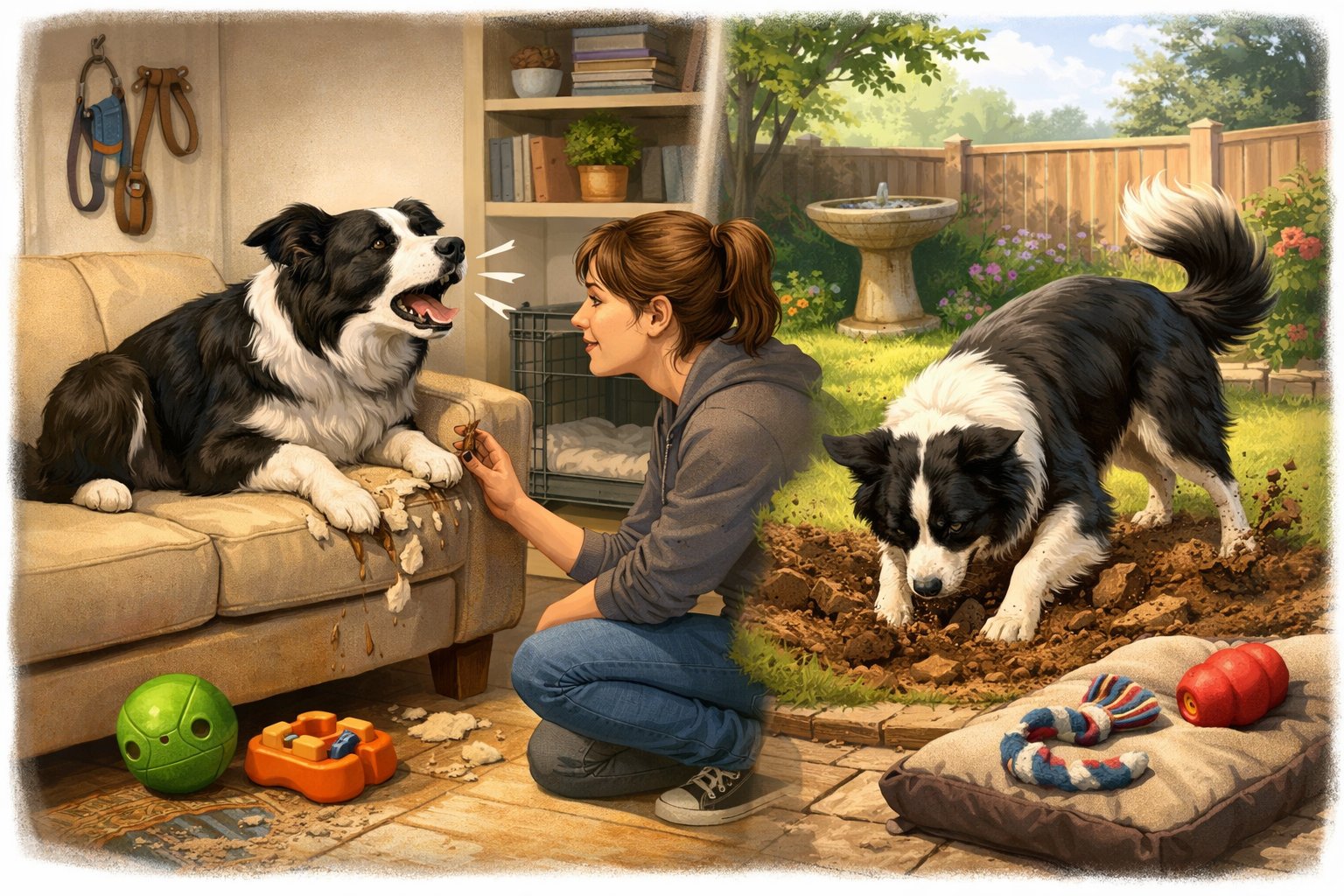
Border Collies show behavior problems when their minds or bodies lack enough work. Many issues tie to high energy, strong herding instincts, and close bonds with people.
Excessive Barking
Excessive barking ranks among the most common border collie behavior problems. Border Collies bark to release energy, signal stress, or react to movement and noise.
Boredom causes much of this behavior. A dog without daily tasks may bark at doors, cars, or shadows.
Anxiety can also trigger barking, especially in busy homes. Helpful steps include daily exercise, clear routines, and short training sessions.
Teaching a quiet command works best when paired with rewards.
Common triggers
- Long periods alone
- Lack of mental games
- Loud or fast-moving surroundings
Destructive Chewing
Destructive chewing often shows up as torn cushions, chewed shoes, or damaged doors. This destructive behavior usually links to boredom or stress, not spite.
Border Collies need more than walks. Without puzzles or training games, they find their own outlets.
Puppies chew while teething, but adults chew when under-stimulated. Owners reduce damage by offering safe chew toys and rotating them often.
Crate training can help when done properly and never used as punishment.
Items often targeted
- Furniture legs
- Shoes and socks
- Remote controls
Separation Anxiety
Separation anxiety affects many Border Collies due to their strong attachment to people. Signs include barking, pacing, accidents, and escape attempts.
This issue often starts when a dog never learns to be alone. Sudden schedule changes can also trigger anxiety.
Gradual alone-time training helps. Short departures that slowly increase build confidence.
Leaving calm music or a familiar scent can also ease stress.
Warning signs
- Destructive behavior near exits
- Howling soon after departure
- Heavy drooling or panting
Obsessive Herding and Nipping
The herding instinct defines border collie behavior. When unmanaged, it turns into obsessive behaviors like chasing kids, bikes, or cars.
Nipping at heels often appears during play or excitement. The dog tries to control movement, not cause harm.
Redirection works better than punishment. Fetch, agility, and structured games give the dog a proper outlet.
Teaching impulse control commands also helps.
Common targets
- Running children
- Joggers or cyclists
- Other pets
Digging
Digging often frustrates owners, but Border Collies dig for clear reasons. Heat, boredom, and prey smells top the list.
Some dogs dig to cool off. Others dig when left alone too long.
Yard digging can also signal unmet exercise needs. Designating a digging zone can reduce damage.
Filling holes quickly removes reinforcement. Extra playtime often solves the issue faster than correction.
Why digging happens
- Excess energy
- Cool soil seeking
- Rodent scents
Effective Solutions and Training Methods
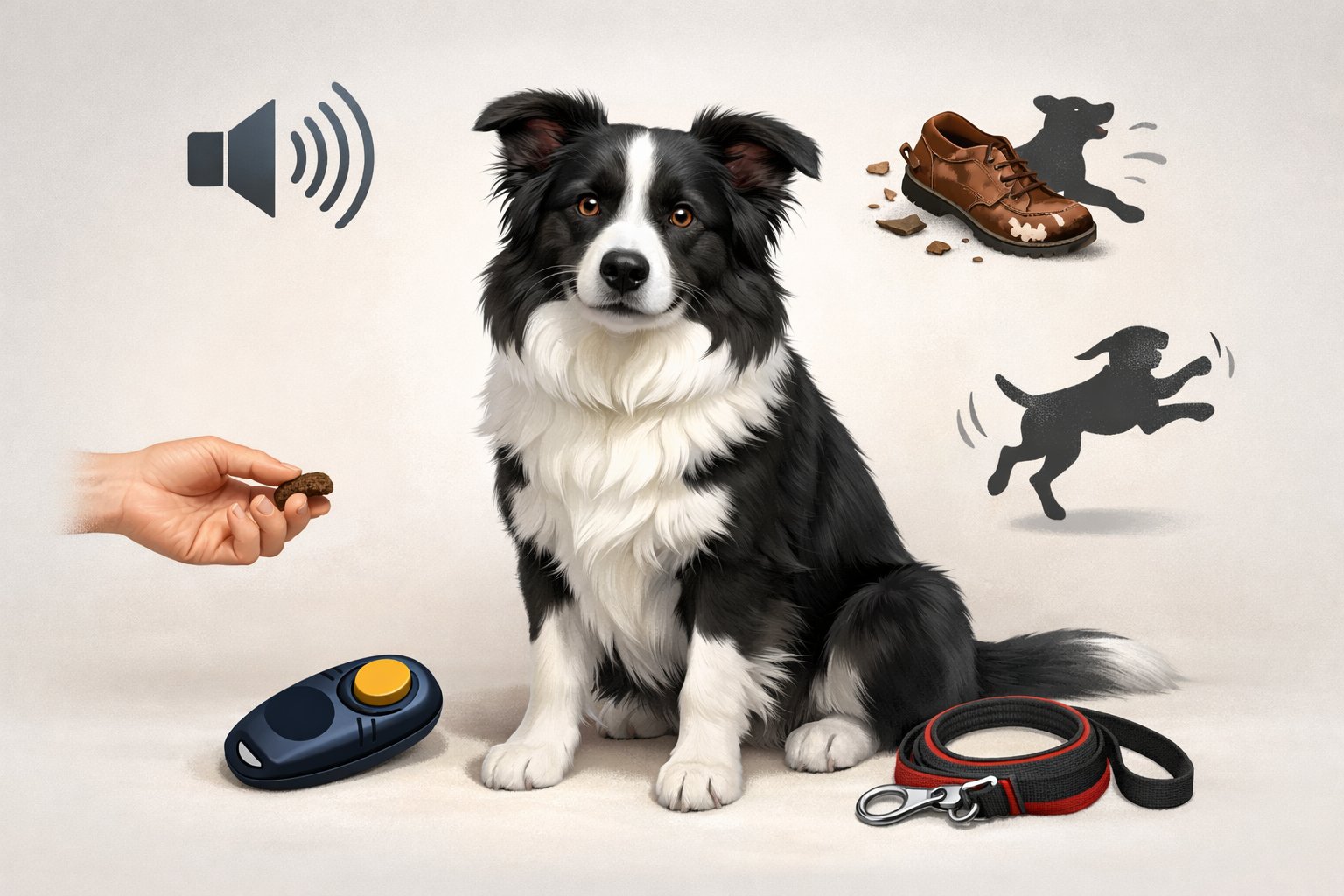
Border Collies need clear outlets for energy, steady mental exercise, and calm, fair guidance. Owners who pair physical exercise with structured training methods see better focus and fewer behavior problems.
Channeling Energy and Instincts
Border Collies show strong work ethic and high drive. Daily physical exercise prevents hyperactivity and destructive habits.
Long walks alone often fall short. Owners get better results when they mix movement with purpose.
Activities that use instincts work best.
Effective options include:
- Agility training to burn energy and build control
- Interactive games like fetch with rules
- Herding-style games that teach start and stop cues
Short, intense sessions help more than long, unfocused ones.
Mental Stimulation and Enrichment
Mental exercise matters as much as physical work. Border Collies get bored fast, which leads to chewing and restlessness.
Owners should rotate puzzle toys, scent games, and food-dispensing tools. These tasks slow the dog down and improve focus.
A simple routine works well:
- Morning: short training session with basic commands
- Midday: puzzle toys or chew toys
- Evening: calm problem-solving games
Changing toys weekly keeps interest high.
Training Techniques for Border Collies
Clear rules and reward-based training shape good behavior. Border Collies respond best to positive reinforcement training that rewards correct choices.
Effective training methods include:
- Clicker training for precise timing
- Obedience training with short, focused drills
- Treats, praise, or play as rewards
Training sessions should last 5–10 minutes. Consistency and patience matter more than intensity.
Harsh corrections often increase anxiety.
Addressing Anxiety and Calming Strategies
Some Border Collies struggle with anxiety, especially when under-stimulated or left alone. Signs include pacing, whining, and destructive behavior.
Calming starts with routine. Dogs relax when meals, walks, and training happen at set times.
Helpful tools include:
- Calming aids like pressure wraps
- Quiet chew toys for downtime
- Slow sniffing games indoors
Owners should reward calm behavior, not just active work. Structured rest teaches the dog how to settle.
Preventing and Managing Behavioral Issues
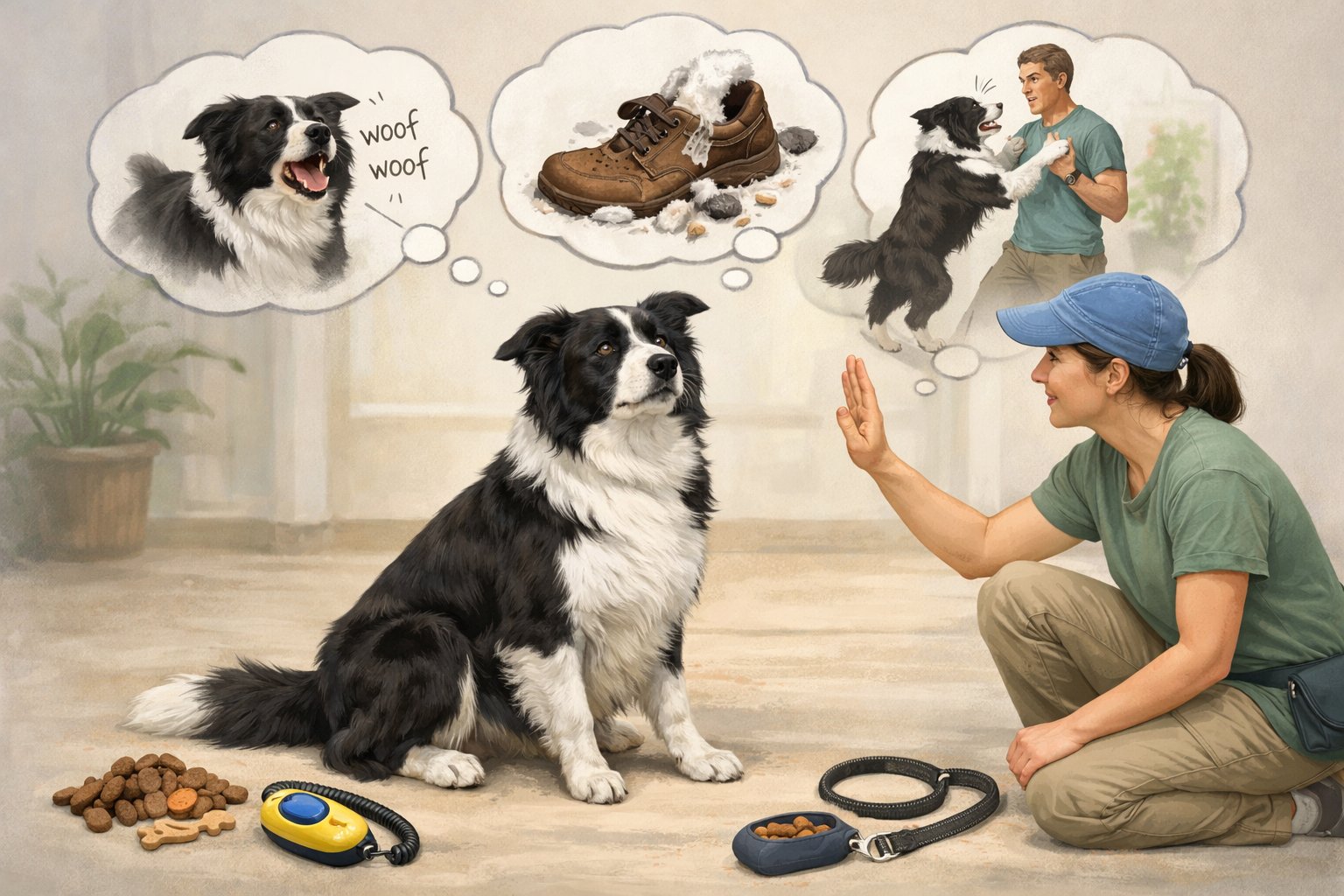
Strong habits form early, and daily routines keep them steady. Early socialization lowers fear and reactivity, while timely professional help stops small issues from becoming hard problems.
Importance of Early Socialization
Early socialization shapes how a Border Collie responds to the world. Puppies should meet many people, calm dogs, and safe places before 16 weeks.
These short, positive visits reduce fear and lower the risk of aggression towards other dogs. Owners should pair new experiences with treats and praise.
This builds trust and supports obedience. Controlled playdates, puppy classes, and quiet walks help a lot.
A simple plan helps keep progress steady:
- People: adults, kids, and visitors in hats or coats
- Dogs: friendly, vaccinated dogs in calm settings
- Places: parks, sidewalks, and pet‑friendly stores
Consistent socialization helps a Border Collie grow into a calm, loyal companion.
When to Seek Professional Help
Some behaviors need professional help. Owners should act if barking, chewing, or anxiety does not improve with routine changes.
Growling, snapping, or aggression towards other dogs calls for faster action. A professional dog trainer can assess triggers and build a clear plan.
Trainers often focus on structure, rewards, and safe exposure. For anxiety tied to long days alone, a dog walker can add mid‑day exercise and reduce stress.
Clear signs to get help include:
- Ignoring basic cues despite practice
- Escaping, pacing, or self‑injury
- Sudden behavior changes