Understanding French Bulldog Separation Anxiety
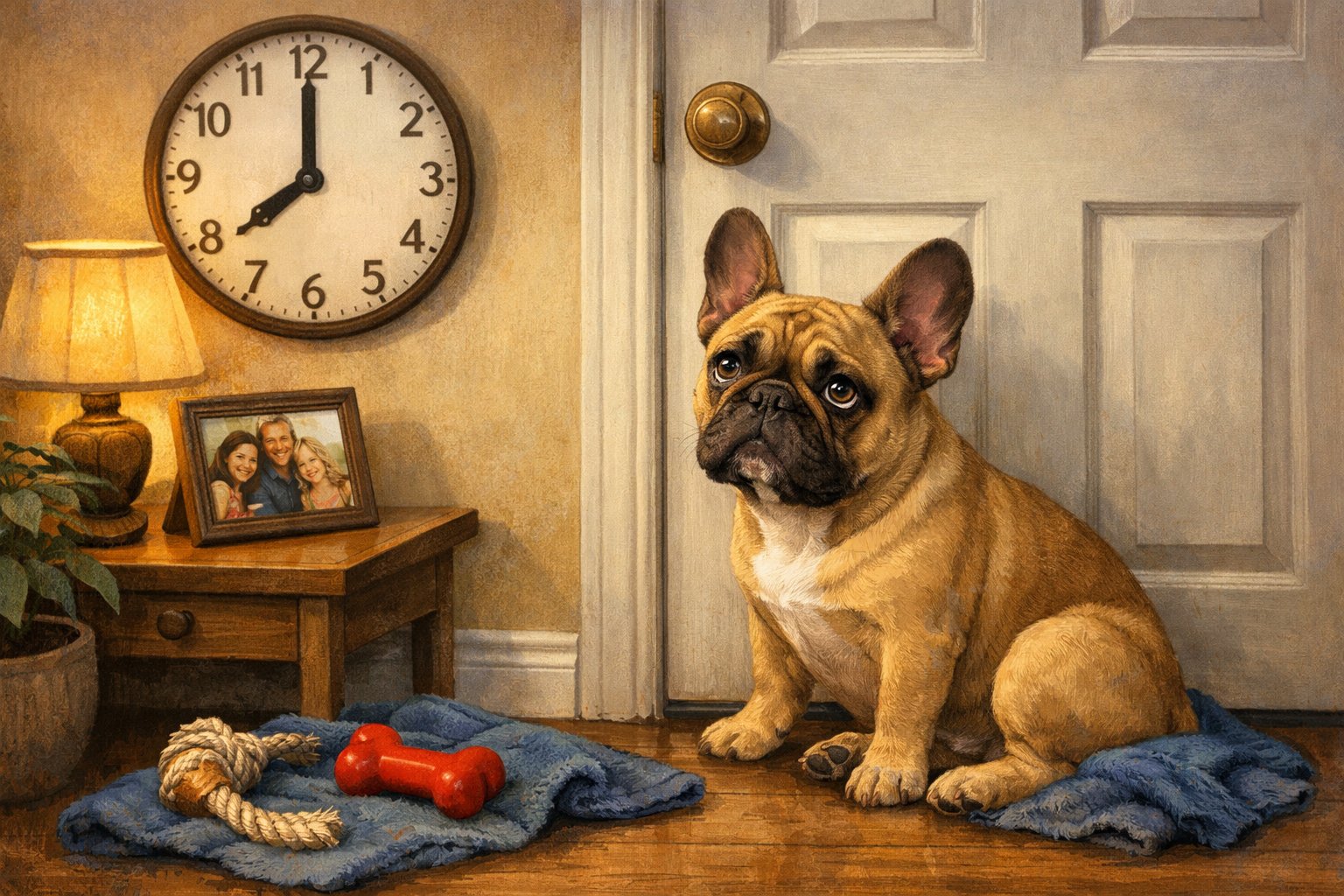
French Bulldogs often form strong bonds with their owners. When left alone, that bond can turn into stress and fear.
Understanding how separation anxiety works helps owners spot problems early. This allows them to respond in a calm, helpful way.
What Is Separation Anxiety in French Bulldogs?
Separation anxiety in French Bulldogs is a stress response that happens when a Frenchie feels alone or cut off from their owner. It is not bad behavior or stubbornness.
The dog reacts to fear and confusion. A French bulldog with separation anxiety may bark, whine, pace, or chew items near doors.
Some dogs drool, refuse food, or have accidents indoors. These signs often start right after the owner leaves or even during pre‑leave cues like grabbing keys.
This condition differs from boredom. Dogs with boredom issues usually calm down once they settle.
Dogs with frenchie separation anxiety stay upset and may escalate their behavior the longer they are alone.
Why French Bulldogs Are Prone to Separation Anxiety
French Bulldogs were bred to be companion dogs. They prefer close contact and often follow their owners from room to room.
This strong attachment makes french bulldog separation anxiety more common. Many Frenchies have a “Velcro” personality.
They rely on human presence to feel safe. When that presence disappears, stress rises quickly.
Physical traits can also play a role. French Bulldogs are sensitive to stress and discomfort, which can worsen anxiety responses.
Routine changes can trigger anxiety faster in this breed than in more independent dogs.
Causes of Separation Anxiety in French Bulldogs
The causes of separation anxiety in French Bulldogs often link to past experiences and daily routines. Sudden schedule changes, such as returning to work after being home often, can create stress.
Common causes include:
- Lack of early alone-time training
- Major routine changes, like moving homes
- Past rehoming or rescue history
- Low daily exercise or mental stimulation
Dogs that never learned to self-soothe may panic when left alone. Gradual exposure to alone time helps reduce fear.
Recognizing the Signs and Symptoms

French Bulldogs often show clear changes in behavior when they struggle with separation anxiety. These changes usually appear when they are left alone or sense that their owner is about to leave.
Paying attention to patterns helps owners spot problems early.
Common Behavioral and Physical Symptoms
Many signs of separation anxiety appear within minutes of being alone. A Frenchie may bark, whine, or howl for long periods.
Some dogs scratch doors, chew furniture, or tear up items near exits. Physical stress signs also matter.
These include pacing, heavy drooling, shaking, or fast breathing. Some dogs lose control of their bladder or bowels, even if they are house-trained.
The table below shows frequent symptoms of separation anxiety seen in this breed:
| Behavior | What It Looks Like |
|---|---|
| Vocal stress | Barking or crying nonstop |
| Destruction | Chewing doors, crates, or pillows |
| Body stress | Pacing, panting, drooling |
How to Tell If Your Frenchie Has Separation Anxiety
Timing plays a key role in spotting separation anxiety in dogs. The behavior starts only when the owner leaves or prepares to leave.
It often stops once the owner returns. Owners can use a phone camera or pet monitor to watch what happens during absences.
This helps separate anxiety from boredom or lack of training. A bored dog usually settles after a short time, while an anxious dog stays upset.
Sudden routine changes can make these signs stronger. Common triggers include moving homes or schedule shifts.
Consistent patterns tied to alone time point to separation anxiety, not bad behavior.
Effective Ways to Help Your Frenchie Cope
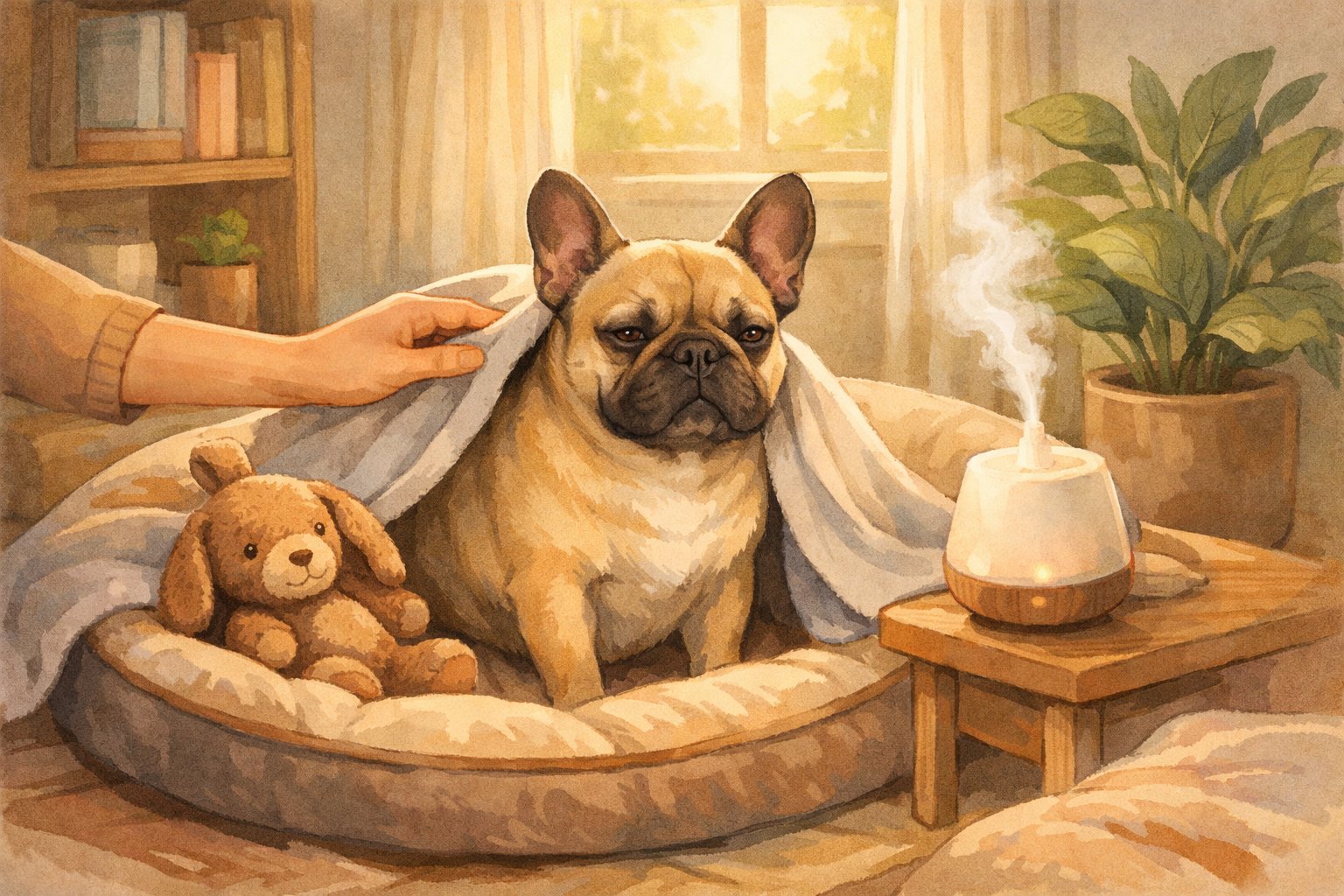
French Bulldogs do better when owners use steady training and calm routines. Tools that reduce stress can also help.
Small changes at home and during departures can lower fear. This may prevent problem behaviors.
Positive Reinforcement Training and Practice Short Departures
Positive reinforcement training rewards calm behavior instead of reacting to fear. When the dog stays relaxed, the owner gives praise or a small treat.
This method builds trust and confidence over time. Short departures matter.
The owner leaves for 30 seconds, then returns without excitement. They slowly increase the time away only when the dog stays calm.
Helpful tips include:
- Keep goodbyes and greetings low-key
- Practice daily, even on days off
- Reward calm behavior, not clingy behavior
Creating a Safe and Comforting Environment
A calm space helps the dog relax when alone. The area should stay quiet, familiar, and free from hazards.
Many Frenchies feel safer in a crate if the owner introduces it slowly and positively. Comfort items reduce stress.
A soft bed, a worn shirt with the owner’s scent, and steady background noise can help. Some owners use music or a fan to block outside sounds.
Pheromone products can also help. Dog-specific pheromone diffusers release calming scents.
Many owners use them as part of a wider plan.
Interactive Toys and Mental Stimulation
Mental work keeps the dog busy and distracted. Interactive toys give the dog a task instead of time to worry.
These toys work best when the owner saves them only for alone time. Popular options include:
- Treat-dispensing toys filled with soft food
- Puzzle toys that require sliding or lifting
- Durable chew toys for long sessions
Food-based toys last longer when frozen. The dog spends time licking and problem-solving, which lowers stress.
Calming Aids and Anxiety Wraps
Some dogs need extra support. Calming aids work best when combined with training and routine.
They do not replace behavior work.
Common options include:
- Anxiety wraps that apply gentle pressure
- Pheromone diffusers or sprays
- Vet-approved calming supplements
Anxiety wraps can help during short absences or loud events. They fit snugly but should not restrict movement.
Owners should watch for signs of discomfort.
Before using supplements, owners should talk with a vet. This advice follows safety guidance often noted in resources like French Bulldog separation anxiety help.