How Long Do French Bulldogs Live?
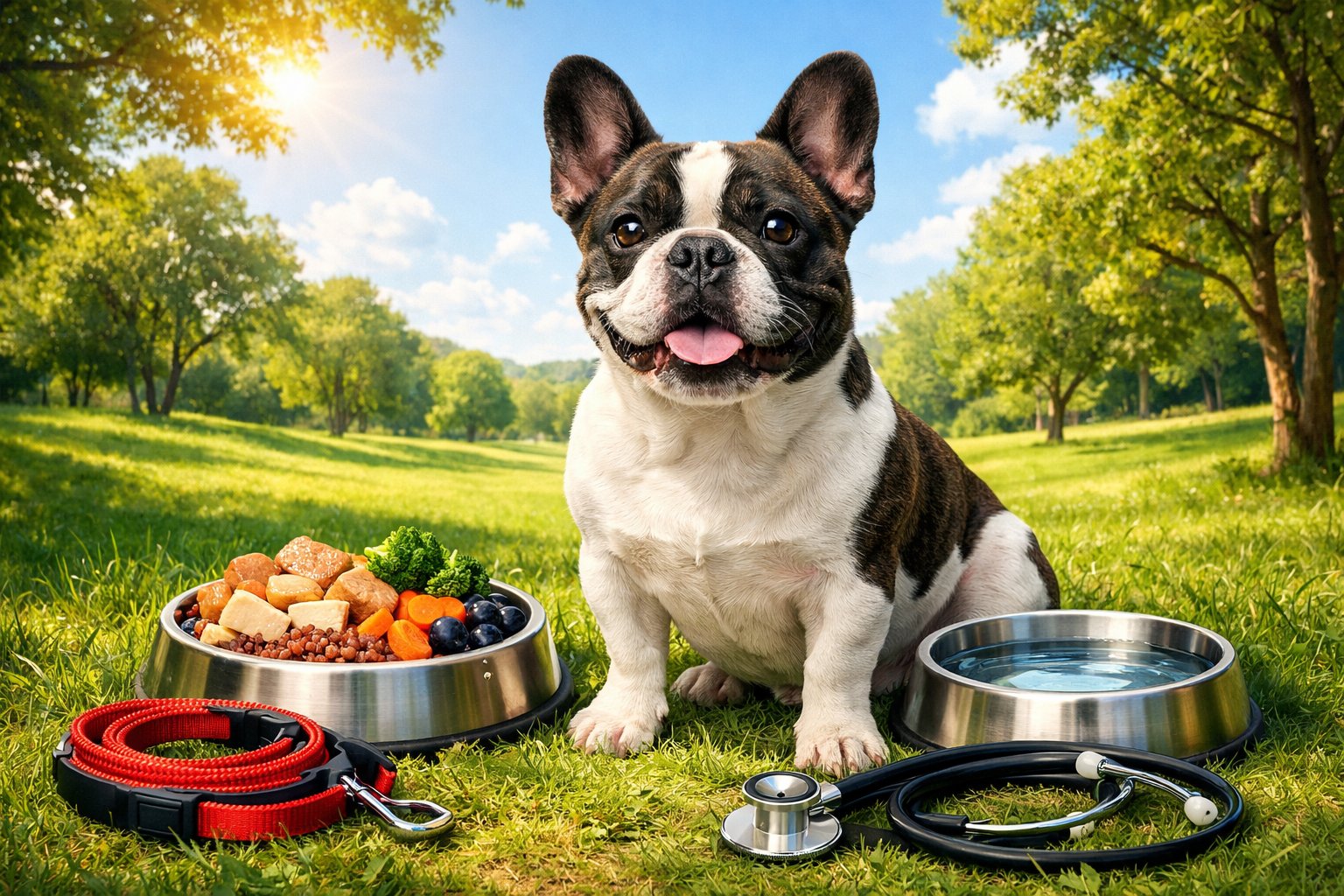
French bulldogs usually live into their early teens. Genetics, health care, and daily habits all shape the french bulldog lifespan and quality of life.
Average French Bulldog Lifespan
The average french bulldog lifespan falls between 10 and 12 years. Many vets and breed groups agree on this range.
Several pet health sites note that most frenchies reach this age with steady care, such as a balanced diet and routine vet visits. One overview of the french bulldog lifespan highlights how weight control and breathing care matter for long-term health.
French bulldogs have flat faces, which can affect breathing and heat control. These traits can limit activity and raise health risks if owners ignore them.
Frenchies that stay lean, avoid heat stress, and get early treatment for problems often live closer to the upper end of the range.
French Bulldog Longevity Compared to Other Breeds
When asking how long do french bulldogs live, it helps to compare them to similar dogs. French bulldog longevity sits near the middle for small breeds.
Some small dogs live longer, while others do not.
| Breed Type | Typical Lifespan |
|---|---|
| French bulldogs | 10–12 years |
| Other small breeds | 12–15 years |
| Medium breeds | 10–13 years |
| Large breeds | 8–11 years |
French bulldogs may live slightly shorter lives than many small breeds due to inherited health issues. Data on how long french bulldogs live shows that good breeding and early care can narrow this gap.
Healthy frenchies often keep pace with other dogs of similar size.
Factors That Influence a French Bulldog’s Lifespan

Several daily and long-term factors shape the french bulldog lifespan. Genetics, routine care, and the home environment all play direct roles in how long french bulldogs live and how well they age.
Genetics and Breeding Practices
Genetics set the foundation for the average french bulldog lifespan. French bulldogs bred from healthy parents tend to face fewer serious health problems.
Responsible breeders screen for issues like hip dysplasia, heart disease, and spine disorders, which affect many frenchies. Breeding choices also affect breathing.
As a brachycephalic breed, the french bulldog has a short nose and narrow airways. Poor breeding can make these traits worse and raise the risk of chronic breathing trouble.
Dogs from overcrowded or unregulated breeding programs often show more health issues earlier in life. Choosing a breeder who prioritizes health over appearance helps reduce long-term risks.
Diet, Weight, and Exercise
Diet and body weight strongly affect the french bulldog lifespan. Extra weight adds stress to joints, the heart, and the lungs, which matters for brachycephalic dogs.
Many frenchies gain weight quickly if owners overfeed or rely on treats. A balanced diet supports steady energy and organ health.
Portion control matters more than brand names. Vets often suggest feeding based on age, size, and activity level.
Exercise should stay moderate and consistent. Short walks and indoor play work well for french bulldogs.
Helpful habits include:
- Measured meals instead of free feeding
- Daily low-impact activity
- Avoiding exercise in heat or high humidity
Living Environment and Temperature Control
The home environment directly affects how long french bulldogs live. Heat control matters because brachycephalic dogs struggle to cool themselves.
High temperatures increase the risk of breathing distress and heat exhaustion. Frenchies do best in climate-controlled homes.
Air conditioning, shade, and cool flooring help regulate body temperature. Outdoor time should stay brief during warm weather.
Stress also affects health over time. Loud spaces, unsafe flooring, or limited human contact can raise anxiety levels.
A calm, secure home supports better sleep and immune function. Simple steps like fresh water access, safe walking surfaces, and quiet rest areas help protect the average french bulldog lifespan.
Common Health Issues Impacting French Bulldog Lifespan
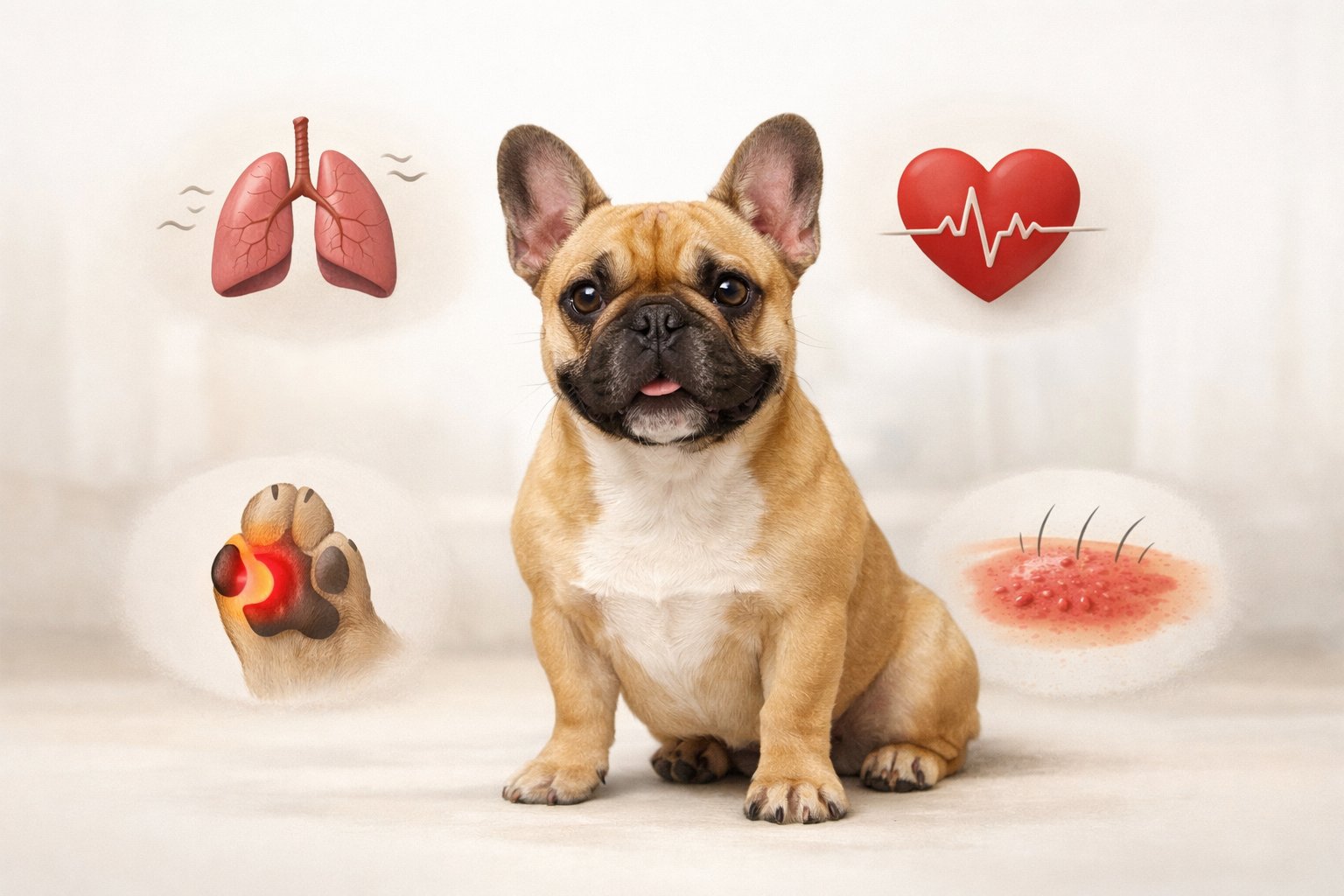
French Bulldogs often face health problems tied to their body shape and genetics. These issues can affect breathing, movement, skin comfort, and vision, which can shorten lifespan when owners do not manage them early and consistently.
Brachycephalic Obstructive Airway Syndrome (BOAS)
Brachycephalic obstructive airway syndrome (BOAS) affects many French Bulldogs because of their flat faces. Narrow nostrils, a long soft palate, and a small windpipe can limit airflow and make breathing hard.
Dogs with BOAS often show loud breathing, snoring, or heavy panting after mild activity. Heat makes symptoms worse, and stress can trigger breathing distress.
Severe cases raise the risk of heat stroke and collapse. Early care matters.
Weight control, calm exercise, and cool spaces reduce strain on the airway. Some dogs need surgery to improve airflow, which can greatly improve daily comfort and reduce long-term risk, as explained in this guide on common health issues that impact French Bulldog lifespan.
Hip Dysplasia and Joint Disorders
Hip dysplasia occurs when the hip joint does not fit correctly, leading to pain and early arthritis. French Bulldogs may also develop intervertebral disc disease (IVDD), which affects the spine and can limit movement.
Warning signs include stiffness, limping, trouble standing, or reluctance to jump. IVDD may also cause back pain or weakness in the rear legs.
These problems can reduce activity and quality of life if ignored. Helpful steps include keeping a healthy weight and limiting jumping.
Ramps, soft bedding, and gentle exercise protect joints. Veterinary care may include medication, physical therapy, or surgery, depending on severity, as outlined in this overview of French Bulldog lifespan and health issues.
Skin Fold Dermatitis and Allergies
Skin fold dermatitis develops when moisture and debris get trapped in facial or tail folds. This leads to redness, odor, and infection if owners do not clean these areas often.
French Bulldogs also face food and environmental allergies. These allergies cause itching, ear infections, and repeated skin sores.
Scratching and licking can worsen infections and damage the skin barrier. Daily care plays a key role.
Owners should gently clean and dry skin folds and watch for changes in smell or color. Vets may recommend diet changes, medicated shampoos, or allergy treatment, as detailed in this French Bulldog health and care guide.
Eye Conditions Including Cherry Eye
French Bulldogs have prominent eyes that make them prone to injury and disease. Cherry eye occurs when a tear gland slips out of place and appears as a red mass in the corner of the eye.
Other concerns include corneal ulcers and infections, which can develop quickly. Signs include squinting, discharge, or pawing at the face.
Routine eye checks help catch problems early. Owners should keep the eye area clean and avoid rough play that risks injury.
Surgical repair often fixes cherry eye and helps preserve normal tear production, as noted in this article on French Bulldog lifespan and eye health.