• Skip to main content
  • Skip to primary sidebar

superduperdog

superduperdog

How to Care for a French Bulldog in Hot Weather: Essential Safety Guide

December 26, 2025 by Jason Huskey

Understanding French Bulldog Heat Sensitivity

A French Bulldog resting in the shade with a water bowl and cooling mat on a sunny day outdoors.

French Bulldogs struggle more than many dogs in hot weather. Their body shape, breathing limits, and low heat tolerance raise the risk of serious health problems when temperatures climb.

Why French Bulldogs Overheat Easily

A French Bulldog cannot cool down as fast as other breeds. Dogs release heat mainly by panting, not sweating.

Frenchies pant less effectively, so heat builds up quickly. Their compact bodies and short noses trap warmth.

Even mild heat, high humidity, or short walks can cause stress. Dark coats and excess weight make this worse.

Common heat triggers include:

  • Warm sidewalks and pavement
  • Direct sun with little shade
  • Car rides without strong airflow
  • Excitement or exercise in warm air

Veterinarians warn that hot weather can become dangerous fast, especially during walks, as explained in this guide on French Bulldog heat and overheating risks.

Brachycephalic Anatomy and Airway Challenges

French Bulldogs are a brachycephalic breed. This means they have flat faces and shortened skulls that affect breathing.

These traits fall under BOAS (Brachycephalic Obstructive Airway Syndrome). Key airway issues include:

  • Stenotic nares: narrow nostrils that limit airflow
  • Elongated soft palate: extra tissue that blocks the throat
  • Hypoplastic trachea: a smaller windpipe

These problems force Frenchies to work harder just to breathe. When heat rises, breathing becomes even more difficult.

Limited airflow prevents proper cooling through panting. This simple breakdown of how short noses affect heat control helps explain the risk: how French Bulldogs handle hot weather.

Risks of Heat-Related Illnesses

Heat-related illnesses develop quickly in French Bulldogs. Heat exhaustion can turn into heat stroke within minutes if not treated.

Warning signs include:

  • Heavy or noisy panting
  • Drooling and red gums
  • Weakness or confusion
  • Vomiting or collapse

Heat stroke can damage organs and may become fatal without fast care. Even young, healthy dogs face danger.

Older dogs and those with known BOAS issues face higher risk. Owners should understand early symptoms and prevention steps.

This clear overview of French Bulldog heat stroke signs and prevention explains why fast action matters during hot weather.

Recognizing and Responding to Overheating

A French Bulldog panting in the sun with a person offering water and shade to help it cool down.

French Bulldogs struggle to cool their bodies in warm weather. Owners need to spot early warning signs and act fast to prevent serious harm.

Quick, calm steps can lower risk and protect the dog’s health.

Signs of Overheating in French Bulldogs

Frenchie overheating often starts with heavy, noisy panting that does not slow down after rest. The dog may drool more than normal or have thick saliva.

Gums can turn dark red, purple, or blue instead of healthy pink. Behavior changes matter.

A dog may seem weak, confused, or unwilling to move. Some dogs wobble, lie down suddenly, or try to hide in cool areas.

Vomiting or diarrhea can also appear during overheating. Flat faces make breathing harder, which raises heat risk.

According to guidance on French Bulldog overheating risks and symptoms, even mild heat can overwhelm this breed. Owners should treat any combination of these signs as urgent.

Immediate Cooling Actions to Take

At the first signs of overheating, move the dog to shade or air conditioning. Stop all activity right away.

Offer small amounts of cool water, but do not force drinking. Use cool—not icy—water on key areas:

  • Paws
  • Belly
  • Inner thighs
  • Ears

A damp towel works well. Replace it often as it warms.

Fans help air move across the body, but they should not be the only cooling method. Avoid ice baths or frozen packs on the body.

These can cause shock and slow heat release. Veterinary experts note that controlled cooling works better than sudden temperature drops, especially for brachycephalic breeds like French Bulldogs.

Heatstroke Emergency Protocols

Heatstroke occurs when body temperature rises to dangerous levels, often above 104°F (40°C). This is a medical emergency.

Signs include collapse, seizures, vomiting, or unresponsiveness. Begin cooling at once and contact a veterinarian immediately.

Transport the dog while continuing gentle cooling. Do not wait for symptoms to improve on their own.

Professional organizations warn that heatstroke can progress fast. The American Animal Hospital Association explains the danger in this guide on heatstroke in pets and emergency response.

When in doubt, treat the situation as urgent and seek veterinary care right away.

Practical Tips for Keeping Your French Bulldog Cool

A French Bulldog sitting in the shade on grass with a bowl of water, a cooling mat, and a person spraying it with water on a sunny day.

Hot weather puts extra strain on a French Bulldog’s body. Smart timing, steady hydration, cooling gear, and a cool indoor setup help reduce French bulldog heat risks and support safe daily routines.

Choosing the Best Times for Outdoor Activities

They should plan walks and play for early morning or late evening. Pavement stays cooler then, and the air holds less heat.

Midday sun raises the risk of breathing trouble fast. Short outings work better than long sessions.

A slow pace helps control body temperature and breathing. If the dog pants hard or slows down, it is time to stop.

Owners can watch surface heat with a simple hand test. If the ground feels hot after five seconds, it is too hot for paws.

Guidance on keeping your French Bulldog cool during hot weather appears in this article on French Bulldog heat safety.

Hydration Strategies and Travel Essentials

Fresh water must stay available at all times. French Bulldogs dehydrate quickly because panting works less well for them.

Bowls should stay clean and shaded. For walks or car trips, a dog water bottle makes hydration easy.

Many owners choose portable options like the Anpetbest dog water bottle because it fits in one hand and reduces spills. A simple hydration checklist helps:

  • Offer water before and after activity
  • Pack water on trips longer than 15 minutes
  • Refill bowls often during hot days

Tips for safe hydration and summer care appear in this guide on how to keep French Bulldogs cool.

Using Cooling Vests and Mats

Cooling gear gives direct relief during warm days. Cooling vests use evaporating water to pull heat from the body.

Many owners call them a Frenchie cooling vest or a cooling jacket for French Bulldogs. They should soak the vest, wring it out, and fit it snug but not tight.

It works best during short outdoor time or car rides. Cooling mats support rest indoors.

The dog can lie down and cool the chest and belly. Product ideas and use tips appear in this article on cooling vests and mats for French Bulldogs.

Creating a Safe Indoor Environment

Indoor space should stay cool and calm. Air conditioning or fans help keep temperatures steady.

Fans should not blow directly into the dog’s face. They should set up a quiet rest area away from windows.

Tile floors and shaded corners feel cooler than carpet. A simple setup works best:

  • Thermostat set to a safe, cool range
  • Blackout curtains to block sun
  • Cooling mat near the dog’s bed

Filed Under: Border Collies

French Bulldog Health Issues Explained (And How to Prevent Them) – Complete Guide

December 26, 2025 by Jason Huskey

Critical French Bulldog Health Issues

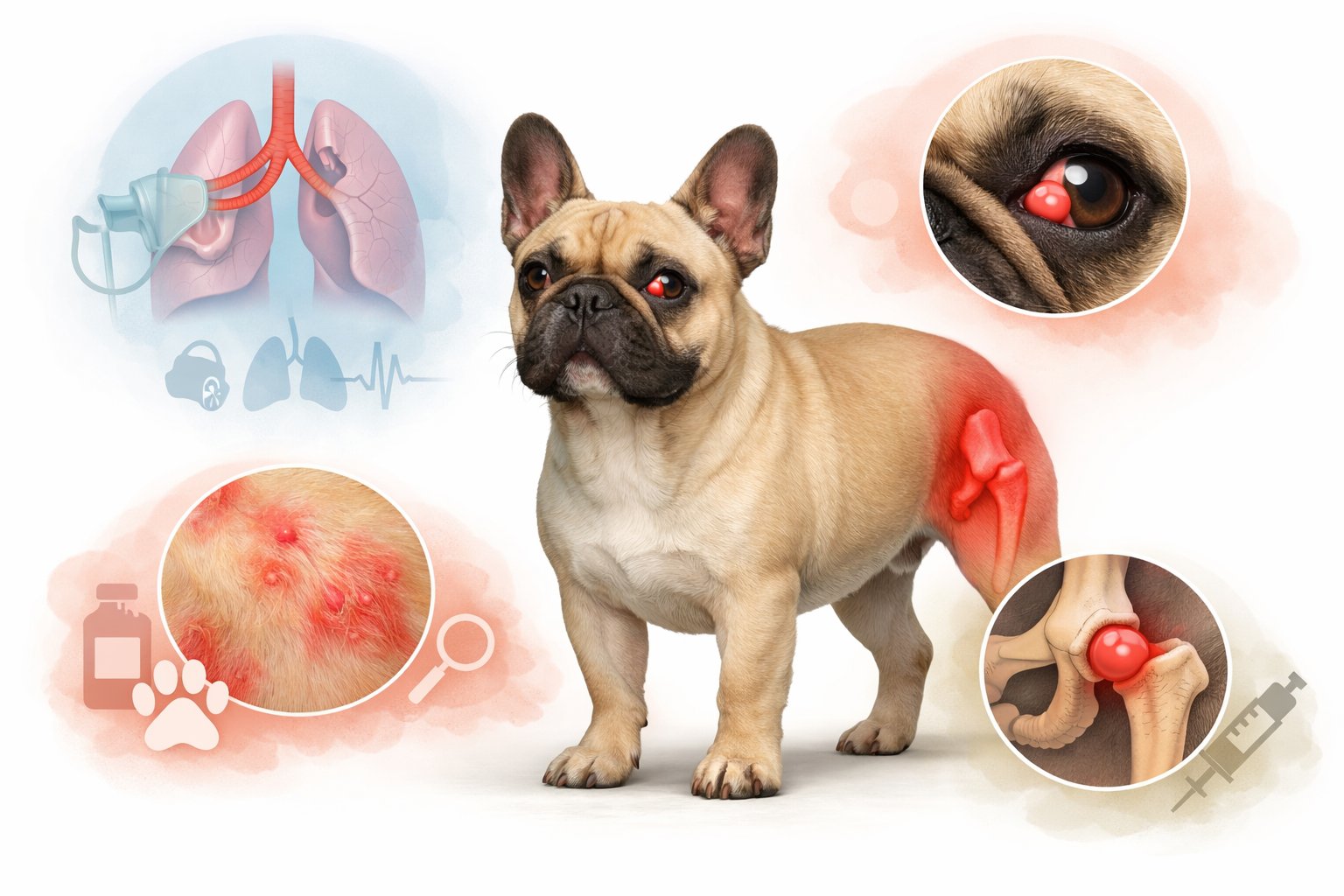
An illustration of a French Bulldog with highlighted areas showing common health issues affecting the breed, including respiratory, skin, joint, and eye problems.

French bulldogs face several serious health risks tied to their body shape and genetics. These problems affect breathing, temperature control, movement, and skin comfort.

They often need early care to reduce long-term harm.

Brachycephalic Obstructive Airway Syndrome (BOAS)

Brachycephalic obstructive airway syndrome affects many frenchies due to their flat faces. Narrow nostrils (stenotic nares), an elongated soft palate, and a hypoplastic trachea block airflow.

Common signs include noisy breathing, snorting, snoring, panting, and wheezing. Some dogs also develop sleep apnea, which disrupts rest and raises stress on the heart.

A vet exam confirms BOAS and helps set limits on activity. Weight control, calm exercise, and early checks reduce strain.

In severe cases, surgery may improve airflow, as explained in this French Bulldog BOAS expert guide.

Breathing and Heat Sensitivity Challenges

French bulldogs struggle to cool their bodies. Their brachycephalic airways limit heat release, which raises the risk of overheating and heatstroke.

Heat sensitivity shows up as fast panting, weakness, or collapse. Exercise intolerance often appears during warm weather or excitement.

High-risk situations

  • Hot days above 75°F
  • Humid air
  • Car rides without cooling

Owners should use short walks, shaded rest, and fresh water. Cooling vests help some dogs.

This overview of common French Bulldog breathing problems explains why fast action matters during heat stress.

Spinal, Hip, and Mobility Disorders

Frenchies have compact spines that raise the risk of spinal issues. Intervertebral disc disease (IVDD) and hemivertebrae can cause pain, weakness, or sudden paralysis.

Hip and knee problems also occur. Hip dysplasia and luxating patella affect walking and jumping.

These orthopedic issues often worsen with excess weight.

Daily habits reduce risk:

  • Use ramps instead of stairs
  • Avoid rough play
  • Maintain lean body weight

Many vets suggest joint supplements with glucosamine and chondroitin to support cartilage. This list of common French Bulldog orthopedic problems outlines warning signs to watch.

Allergies and Skin Conditions

Skin problems rank among the most frequent french bulldog health issues. Skin folds trap moisture and bacteria, leading to skin fold dermatitis and pyoderma.

Frenchies often have allergies, including food allergies and environmental triggers. Signs include itching, redness, hair loss, and repeat skin infections.

Sensitive skin also raises the risk of ear infections due to trapped moisture.

Care focuses on routine:

  • Clean and dry skin folds daily
  • Use gentle, vet-approved shampoos
  • Feed a consistent diet

This breakdown of French Bulldog skin and allergy conditions helps owners spot early flare-ups.

Eye, Ear, and Dental Concerns

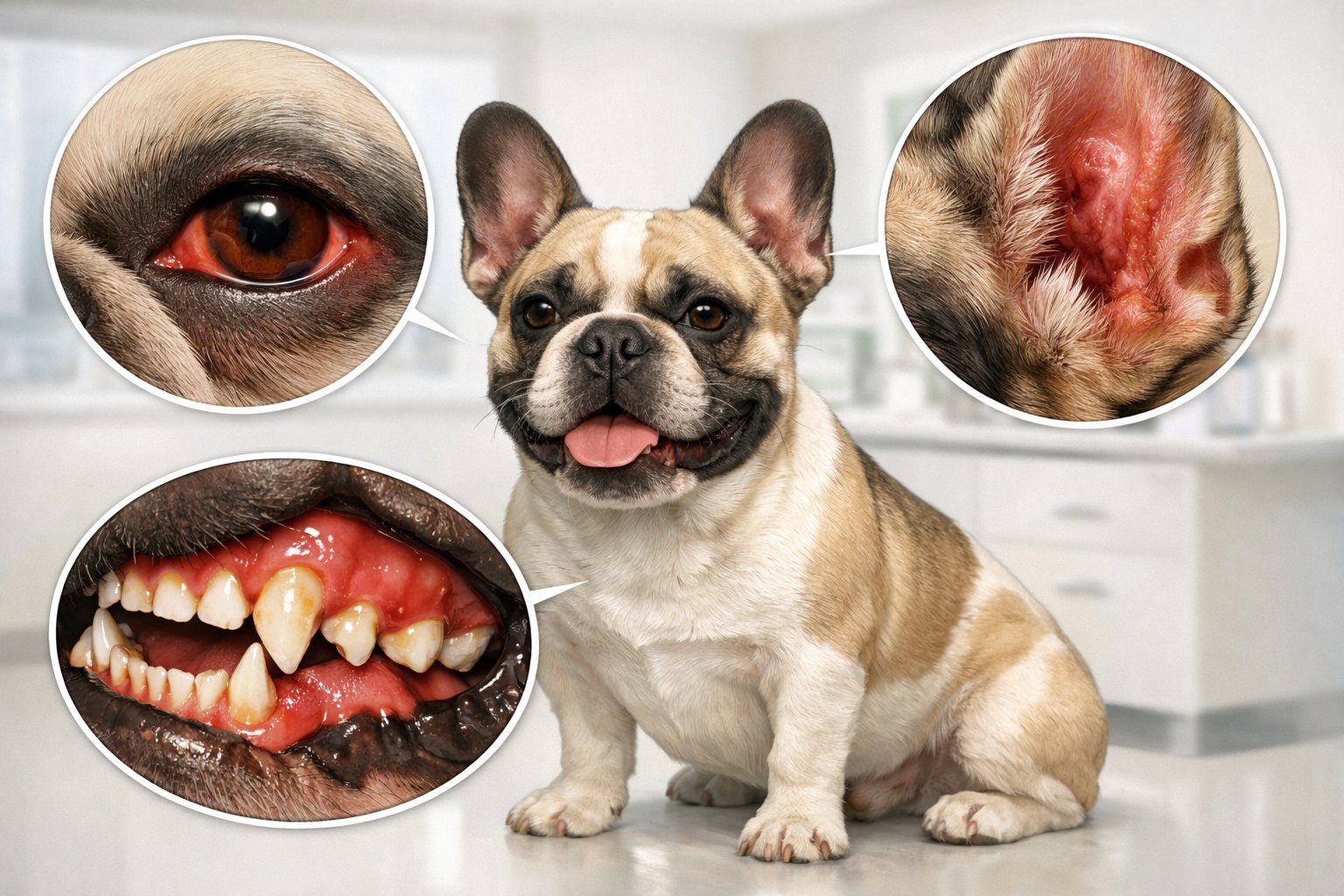
A French Bulldog with close-up views of its eyes, ears, and mouth showing common health issues related to these areas.

French Bulldogs often deal with eye problems, ear infections, and dental disease. These issues cause pain and can worsen fast without care.

Simple habits at home and regular vet visits lower the risk.

Common Eye Disorders in French Bulldogs

French Bulldogs have large, exposed eyes. This shape raises the risk of eye infections and injuries.

Common problems include cherry eye, dry eye (KCS), corneal ulcers, entropion, and distichiasis. Owners may notice redness, squinting, discharge, or pawing at the face.

These signs need quick care. Corneal ulcers can form after small scratches and can worsen in days.

Key eye issues to watch for:

  • Cherry eye: a red mass at the inner corner
  • Dry eye (KCS): low tear production and thick discharge
  • Entropion: eyelids roll inward and rub the eye

Routine checks help catch problems early, as outlined in common French Bulldog eye and health issues.

Risks and Management of Ear Infections

French Bulldogs have narrow ear canals and skin folds. Moisture and debris build up easily.

This makes ear infections common, especially in dogs with allergies. Signs include head shaking, ear scratching, odor, and redness.

Many dogs also show paw licking, which often links to skin or ear irritation.

Ways to reduce ear problems:

  • Clean ears with vet-approved solutions
  • Dry ears after baths
  • Treat allergies early

A vet can test for bacteria or yeast and choose the right treatment. More details appear in guides on French Bulldog ear infections and care.

Oral Health Problems and Solutions

French Bulldogs have crowded teeth and short jaws. This setup traps plaque and leads to gum disease.

Dental pain often goes unnoticed because dogs keep eating. Dental disease can cause infections that affect other organs.

Regular care lowers this risk.

Daily and Vet Care Purpose
Tooth brushing Reduces plaque
Dental chews Helps slow tartar
Vet cleanings Treats hidden disease

Veterinary exams and cleanings play a key role, as explained in this overview of French Bulldog dental disease and prevention.

Nutrition, Digestion, and Preventive Care

A French Bulldog sitting next to a bowl of nutritious food with illustrations of its digestive system and symbols representing preventive veterinary care.

Diet and routine care play a major role in French Bulldog health. The right food supports digestion, limits skin and gut flare‑ups, and reduces avoidable vet visits.

Consistent preventive care helps catch problems early, when they are easier to manage.

Feeding, Food Allergies, and Gastrointestinal Issues

French bulldog nutrition needs careful planning. Many Frenchies develop food sensitivities that trigger itching, loose stools, or ear infections.

Common triggers include chicken, beef, dairy, and some grains. Owners often see gastrointestinal issues like bloating and flatulence when food does not match the dog’s needs.

A simple diet with limited ingredients helps reduce stress on the gut. Slow feeder bowls can also lower air intake, which reduces bloating.

Common digestion problems include:

  • Gas and frequent flatulence
  • Soft stools or diarrhea
  • Vomiting after meals
  • Inflammatory bowel disease in severe cases

Some dogs benefit from probiotics or fiber, but changes should stay gradual. Evidence‑based guidance on diet and gut health appears in this overview of French Bulldog health issues and the best food for them.

Preventive Care and Veterinary Visits

Regular vet visits form the backbone of strong veterinary care. French Bulldogs need routine exams to track weight, digestion, skin health, and breathing.

Early checks help prevent small issues from turning into chronic problems.

Core preventive care includes:

  • Annual or biannual wellness exams
  • Fecal testing for parasites
  • Vaccinations based on lifestyle
  • Monthly heartworm prevention and parasite control

Vets also monitor early signs of joint pain or digestive disease during routine visits.

A clear breakdown of breed‑specific risks appears in this guide on French Bulldog health issues.

Filed Under: Border Collies

The Real Cost of Owning a French Bulldog: Complete Guide 2025

December 26, 2025 by Jason Huskey

Initial Purchase Price and Acquisition Options

A person reviewing financial documents at a desk with a French Bulldog puppy sitting nearby, surrounded by money-related items and dog accessories.

The cost of a French Bulldog depends on where the dog comes from and what traits it has. Prices change based on breeder quality, color, paperwork, and whether the dog comes from a breeder or a rescue.

French Bulldog Puppy Price Breakdown

French bulldog puppies from reputable breeders usually cost between $3,500 and $12,000. Most standard colors like a fawn French Bulldog sit at the lower end of that range.

Rare colors and traits push the price higher. A clear breakdown of current French bulldog prices appears in this French Bulldog price guide for 2025.

Dogs with AKC registration, health testing, and a written contract cost more but reduce long-term risk. Many listings for French bulldog puppies for sale advertise lower prices.

These often come from backyard breeders or puppy mills, which may skip health testing. That choice can raise the true French bulldog puppy cost through future vet bills.

Adoption and Rescue Costs

Choosing to adopt a French Bulldog costs much less than buying from a breeder. Most rescues charge $250 to $500, depending on location and medical history.

Groups like a French Bulldog rescue network usually include spay or neuter surgery, vaccines, and microchipping. A detailed example of adoption fees appears in this French Bulldog adoption cost overview.

Rescue dogs may be older, and some may need extra care. Adoption lowers the upfront cost of a French bulldog and helps a dog in need.

Many families find this path more practical when buying a French bulldog feels out of reach.

Influences on Price: Bloodline, Breeder, and Color

A French bulldog breeder plays the biggest role in pricing. Reputable breeders invest in health tests, safe breeding, and proper care.

That raises prices but lowers health risks. Bloodline also matters.

Puppies sold with breeding rights or champion lineage cost more. Dogs sold as pets only usually cost less.

Color affects price the most. Standard coats cost less than rare ones like a merle French Bulldog or platinum Frenchie.

A detailed look at how color and genetics affect price appears in this French Bulldog price breakdown. Buyers should focus on health first, not rarity alone.

True Lifetime Expenses of Owning a French Bulldog

A French Bulldog sitting surrounded by icons representing dog food, veterinary care, grooming tools, a dog bed, toys, and a calendar, illustrating the expenses of owning the dog.

The cost of owning a French Bulldog goes far beyond the purchase price. Long-term vet care, daily needs, and planning for health risks shape the real budget owners face year after year.

Recurring Veterinary Care and Vaccination

Routine vet care forms the base of ongoing costs of owning a French Bulldog. Most dogs need annual exams, core vaccinations, and parasite prevention.

These visits help catch problems early and keep the dog healthy. Typical yearly vet care often includes:

  • Annual exams and boosters
  • Rabies and core vaccinations
  • Heartworm, flea, and tick prevention

Many owners spend $600 to $1,200 per year on basic vet care, according to average French Bulldog veterinary costs. Costs rise in cities and at specialty clinics.

Skipping routine care often leads to higher bills later.

Health Issues and Medical Emergencies

French Bulldogs face higher medical risks than many breeds. Their flat faces increase the chance of brachycephalic syndrome, which can require surgery.

Eye issues like cherry eye and joint problems such as hip dysplasia also appear often. Emergency care adds major expense.

Breathing crises, injuries, or sudden illness can lead to four-figure bills in days. Specialty treatment and surgery raise costs even more.

Lifetime medical spending varies widely. Tools like a French Bulldog lifetime cost calculator show how health risks can push total expenses far above routine care alone.

Daily and Annual Living Costs

Daily care creates steady costs that add up over time. Food, grooming, and supplies remain predictable but never stop.

French Bulldogs also need climate control and supervision due to heat sensitivity. Common annual living expenses include:

Expense Type Typical Cost Range
Food and treats $500–$900
Grooming and hygiene $200–$400
Beds, toys, gear $150–$300

Over a lifetime, these basics play a large role in the total cost of owning a French Bulldog. First-year expenses often run higher due to setup costs and training.

Pet Insurance and Financial Planning

Pet insurance helps manage unpredictable vet bills. Monthly premiums vary by location, age, and coverage level.

Many owners pay $40 to $90 per month. This amount counts toward long-term pet insurance costs.

Plans may cover accidents, illnesses, or full care with wellness add-ons. Coverage matters for breeds with known health risks.

Detailed breakdowns in a French Bulldog price guide for 2025 show how insurance fits into long-term planning. Early enrollment improves coverage options and lowers exclusions.

Filed Under: Border Collies

Are French Bulldogs Good Apartment Dogs? Pros and Cons Guide

December 26, 2025 by Jason Huskey

Are French Bulldogs Good Apartment Dogs?

A French Bulldog resting comfortably on a dog bed inside a cozy apartment with modern furniture and a window showing a city view.

French Bulldogs often fit well into apartment life because of their size, calm habits, and strong bond with people. Their needs stay simple, but owners must manage exercise, noise, and daily care in close living spaces.

Why French Bulldogs Are Suited for Apartment Living

French bulldogs rank among the most common apartment dogs for clear reasons. Their small, sturdy build makes it easy for them to move around tight spaces without feeling cramped.

They prefer staying close to people and enjoy resting near their owner for much of the day. Many frenchies sleep 12 to 14 hours, which suits smaller homes.

Key pros of owning a french bulldog in an apartment include:

  • Compact size that fits small rooms
  • Low exercise needs compared to many breeds
  • Strong attachment to owners, which supports indoor living

Many families see french bulldogs as some of the best family dogs for apartments because they tend to stay gentle and patient. Several studies and owner reports note that French Bulldogs can live in apartments when owners meet their basic needs.

Daily Exercise and Activity Needs in Apartments

French bulldogs do not need long or intense workouts. Short, steady activity works best for their body type and breathing limits.

Most frenchies do well with two short walks per day, often 10 to 20 minutes each. Indoor play also helps, especially tug toys or gentle games in open areas.

Activity Type Typical Time Notes
Short walks 20–40 minutes total Avoid heat and long stairs
Indoor play 10–20 minutes Use toys to prevent boredom

Apartment owners must watch for overheating. Flat faces make it harder for french bulldogs to cool down.

Many guides on French Bulldogs and apartment living pros and cons stress the value of air flow and cool rooms.

Noise Levels and Considerations for Neighbors

French bulldogs usually stay quiet, which matters in shared buildings. They bark less than many breeds and often stay calm indoors.

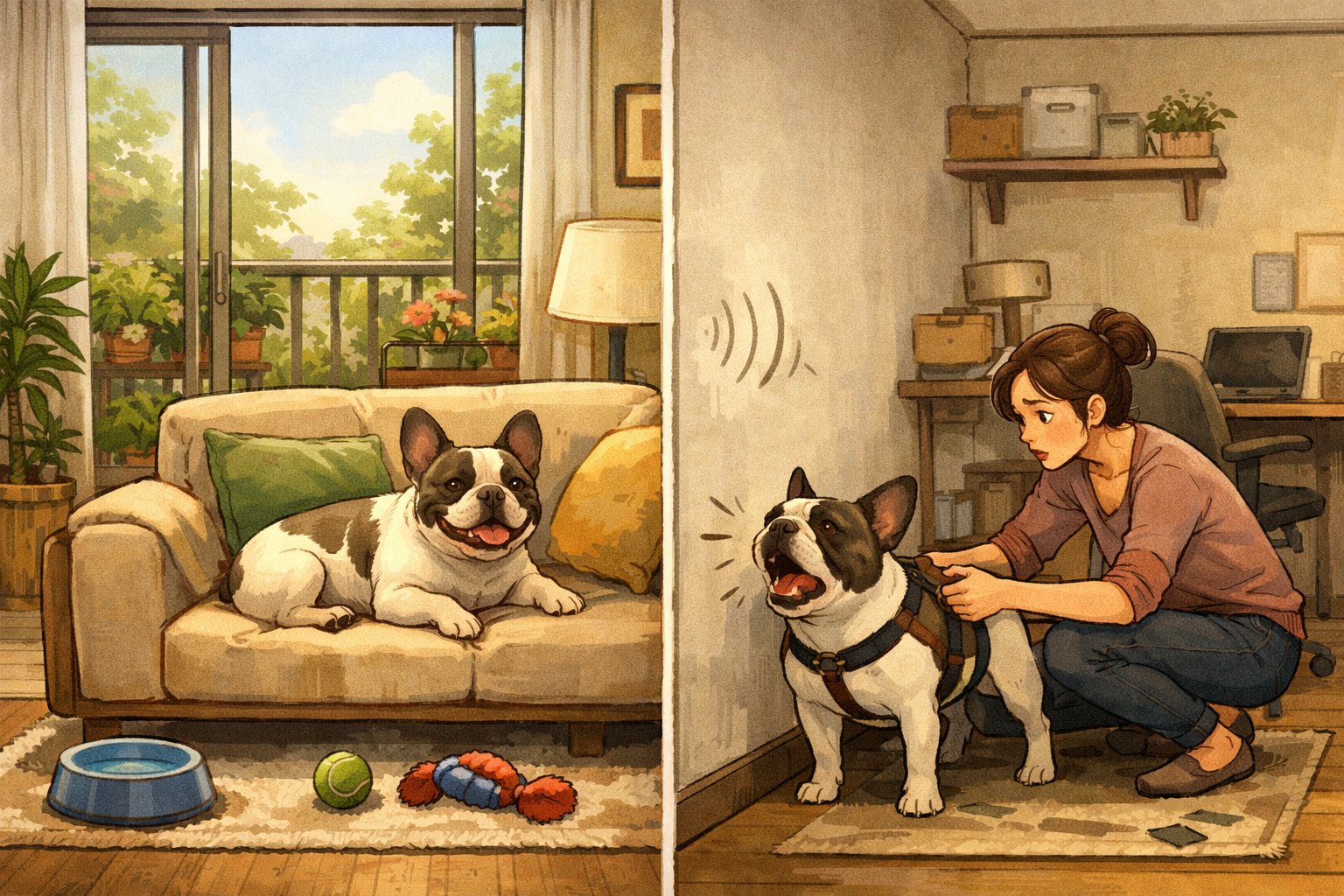
That said, frenchies can bark if they feel lonely or anxious. Separation anxiety remains one of the main french bulldogs pros and cons in apartments.

Common noise-related points include:

  • Low barking frequency in most homes
  • Snoring and snorting, which can sound loud at night
  • Occasional barking when left alone too long

Owners who work long hours may face challenges. Urban guides note that French Bulldogs do well in apartments when neighbors, schedules, and training all align.

Pros and Cons of French Bulldogs in Apartments

A French Bulldog in an apartment showing both positive and negative aspects, with the dog relaxing on a couch and a small balcony on one side, and limited space and noise concerns on the other.

French Bulldogs fit many apartment lifestyles but come with clear trade-offs. They offer close companionship and low daily demands, yet health limits and space challenges matter.

Affectionate Companionship and Adaptability

French Bulldogs form strong bonds with their owners. They enjoy staying close and often follow people from room to room.

This trait suits apartment living, where shared space matters. They adapt well to small homes.

Their compact size helps them move around tight layouts with ease. Many owners choose them because French Bulldogs handle apartment living well without needing a yard, as noted in guides on French Bulldogs and apartment living pros and cons.

Their social nature can also cause issues. They may struggle when left alone for long hours.

Owners who work long shifts should plan for toys, training, or a sitter to reduce stress.

Minimal Grooming and Low Energy Requirements

French Bulldogs need simple grooming. Their short coat sheds, but brushing once a week often works.

Baths stay occasional, which helps apartment owners save time and space. They also have low energy needs.

Short walks and indoor play usually meet their exercise needs. This makes them appealing for people with limited access to parks.

Pros of owning a French Bulldog often include:

  • Small body size
  • Short daily walks
  • Easy coat care

They still need mental activity. Puzzle toys and short play sessions prevent boredom, which helps reduce barking in shared buildings.

Health Issues and Challenges with Frenchies

Health concerns shape many cons of owning a French Bulldog. The breed is brachycephalic, meaning it has a short nose.

This can cause brachycephalic airway syndrome and breathing trouble. Heat poses a real risk.

Poor airflow makes hot apartments unsafe without air conditioning. Owners must manage temperature year-round.

Other common issues include hip dysplasia and cherry eye. Vet care can cost more than with other small breeds.

Many people ask how long do French Bulldogs live. Most live about 10–12 years, but health care plays a big role in lifespan.

Potential Drawbacks of Apartment Living

Apartments can limit outdoor time. French Bulldogs cannot handle long walks or stairs well.

Elevators help, but older dogs may still struggle. Noise can also cause issues.

While many Frenchies bark less than other breeds, boredom or anxiety can increase noise. Training helps, but shared walls raise stakes.

A quick view of French Bulldogs pros and cons for apartments:

Advantage Drawback
Small size Heat sensitivity
Low exercise Separation anxiety
Quiet nature Ongoing vet needs

Lifestyle Factors and Care for Apartment Frenchies

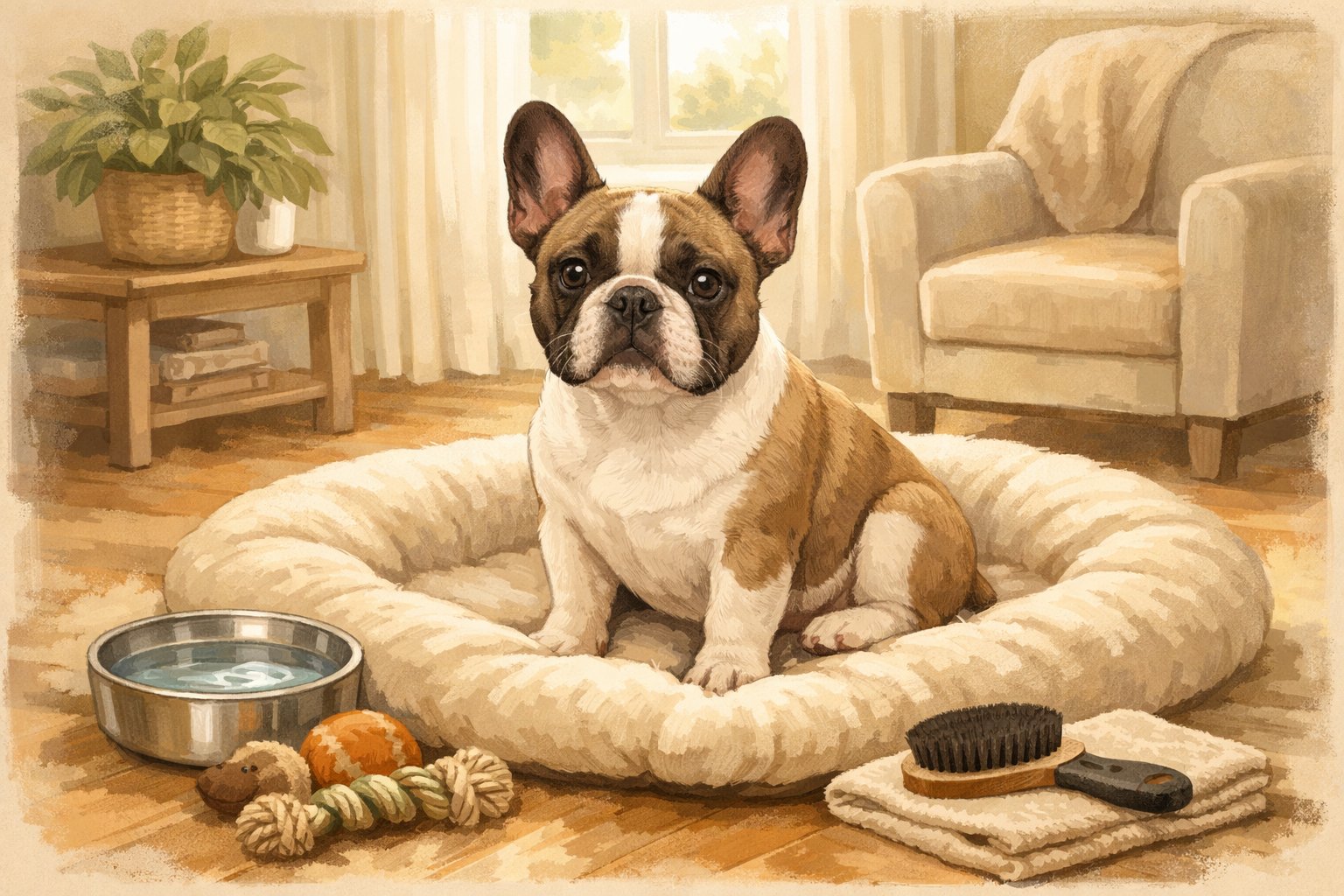
A French Bulldog sitting calmly in a cozy apartment living room with pet care items nearby.

Apartment life works best for Frenchies when owners plan daily routines, choose dogs carefully, and manage training early. Smart choices around breeders, social habits, and family fit shape how well these dogs settle into smaller homes.

Finding a Reputable Breeder for Apartment-Friendly Frenchies

A reputable breeder helps set the stage for calm apartment living. They screen health issues linked to breathing, joints, and heat.

These checks matter more in small spaces with limited airflow. Good breeders also raise French Bulldog puppies in clean, social settings.

Puppies exposed to normal household noise adjust faster to apartment sounds. Elevators, hallways, and neighbors feel less stressful later.

Buyers should ask clear questions. A short checklist helps:

  • Health testing for parents
  • Early social handling
  • Honest guidance on energy level

Many city owners choose this breed because they fit well in small homes. Guides on French Bulldogs living in apartments explain why breeder choices matter from day one.

Socializing, Training, and Care Considerations

Early socializing reduces barking and anxiety in shared buildings. Owners should expose puppies to people, dogs, and common city sounds before habits form.

Short, calm walks work better than long outings. Training needs to stay simple and steady.

Frenchies respond best to praise and treats. Basic cues like sit, stay, and quiet help with hallway manners and neighbor noise.

Daily care stays manageable but consistent. Owners should focus on:

  • Brief walks two to three times a day
  • Mental play like puzzle toys indoors
  • Cool rooms to prevent overheating

Many owners choose Frenchies because they bark less than other breeds. That trait helps with noise rules, as explained in this guide on apartment-friendly French Bulldogs.

French Bulldogs with Children and Other Pets

Families often ask, are French Bulldogs good with children? They usually do well when kids respect space and handle them gently.

Their sturdy build and playful nature fit family routines. Supervision still matters, especially with young kids.

Frenchies tire quickly and need breaks. Calm play works better than rough games in small rooms.

They also live well with other pets when introduced slowly. Clear rules help prevent stress:

  • Separate feeding areas
  • Short first meetings
  • Shared play only after trust builds

They prefer close contact and tend to stay near their people, which suits family life indoors.

Filed Under: Border Collies

French Bulldogs 101: What Every New Owner Should Know Today

December 26, 2025 by Jason Huskey

Essential Facts About French Bulldogs

A French Bulldog sitting with icons around it representing care, feeding, walking, and resting.

French Bulldogs combine a compact body, a flat face, and a calm personality. New owners should understand their physical limits, social nature, family fit, and daily living needs before bringing a Frenchie home.

Physical Features and Brachycephalic Traits

The French bulldog breed has a short, muscular body and a smooth coat. Most adult Frenchies weigh under 28 pounds and stand about a foot tall.

Their large ears, short nose, and wrinkled face give them a clear look that many people recognize right away. French bulldogs have a brachycephalic head shape.

This flat face can cause breathing problems, loud snoring, and low heat tolerance. Many vets warn owners to limit exercise in hot or humid weather.

According to this guide on French bulldog breathing issues, owners should watch for heavy panting or stress during activity.

Breed Temperament and Personality

French bulldog temperament tends to be friendly, playful, and people-focused. Frenchies often follow their owners from room to room and prefer company over being alone.

They usually enjoy short play sessions and long rest periods. French bulldogs learn quickly but may show stubborn behavior.

Clear rules and calm training work best. Many first-time dog owners do well with this breed because Frenchies respond well to praise and routine.

This overview of French bulldog breed characteristics and care explains why consistency matters during training.

Are French Bulldogs Good with Children?

Many families ask, are French bulldogs good with children? In most cases, yes.

Frenchies tend to be patient and gentle when raised with kids. Their small size lowers the risk of accidental knocks compared to larger dogs.

Adults should still supervise play, especially with younger children. Kids should learn not to pull ears or disturb a resting dog.

When families set clear boundaries, French bulldogs often form strong bonds with children. The AKC shares more insight in these French bulldog facts and family traits.

Living Requirements for a Frenchie

Living with a Frenchie works well in apartments or small homes. French bulldogs do not need large yards, but they do need daily interaction.

Short walks, indoor play, and time with people meet most of their needs. Frenchies struggle with heat and should stay in cool spaces with access to water.

Owners should also clean facial folds and ears often to prevent skin issues. Many people choose this breed because their care routine fits busy schedules.

Caring for Your French Bulldog

A French Bulldog sitting on a dog bed in a bright living room with pet care items nearby.

French bulldog care focuses on health checks, smart feeding, safe exercise, and gentle grooming. These steps help reduce common problems like breathing issues, skin trouble, and weight gain.

French Bulldog Health and Common Issues

French bulldog health needs close attention because the breed has known risks. Many Frenchies face breathing issues tied to brachycephalic syndrome, also called brachycephalic obstructive airway syndrome (BOAS).

Short noses can lead to respiratory issues, loud breathing, or trouble cooling down. Owners should watch for heavy panting, coughing, or low energy.

A vet familiar with Frenchie health can spot early signs and guide care, as explained in this overview of French Bulldog health concerns for new owners.

Routine care matters. Schedule yearly vet visits, keep vaccines current, and use flea and tick prevention year-round.

Weight control also lowers strain on joints and airways, which supports long-term health.

Exercise and Activity Needs

French bulldog exercise should stay short and controlled. Most adults do best with two daily walks of 15–20 minutes.

Puppies need even less to protect growing joints. Heat raises risk fast.

Frenchies overheat easily due to their airways, so owners should avoid midday walks and stop activity at the first sign of stress. Indoor play works well on hot or cold days.

Helpful activities include:

  • Tug toys and light fetch indoors
  • Puzzle toys for mental work
  • Short training games

This balanced approach matches guidance found in practical French bulldog care tips for daily activity.

Nutrition and Feeding Guidelines

Good nutrition supports french bulldog health from puppyhood through adulthood. Most Frenchies need measured meals to prevent obesity, which worsens breathing and joint strain.

Key feeding rules

  • Choose food made for small breeds
  • Feed adult dogs twice daily
  • Limit treats to training only
Age Meals per day Notes
French bulldog puppy 3 Smaller portions, steady schedule
Adult 2 Watch weight closely

Some dogs have food sensitivities. Signs include itchy skin or loose stool.

This complete French Bulldog feeding and care guide explains when diet changes may help.

Safe Grooming and Skin Care

French bulldog grooming stays simple but must stay consistent. Short coats shed lightly, yet skin folds need daily care to prevent infection.

Owners should:

  • Wipe face and tail folds with a damp cloth
  • Dry folds fully after cleaning
  • Brush weekly to remove loose hair

Baths every 4–8 weeks work for most dogs. Use mild dog shampoo only.

Trim nails every few weeks and clean ears weekly. Regular grooming supports comfort and helps owners catch skin problems early, a key point in this detailed French Bulldog grooming and skin care guide.

Ownership, Training, and Everyday Life

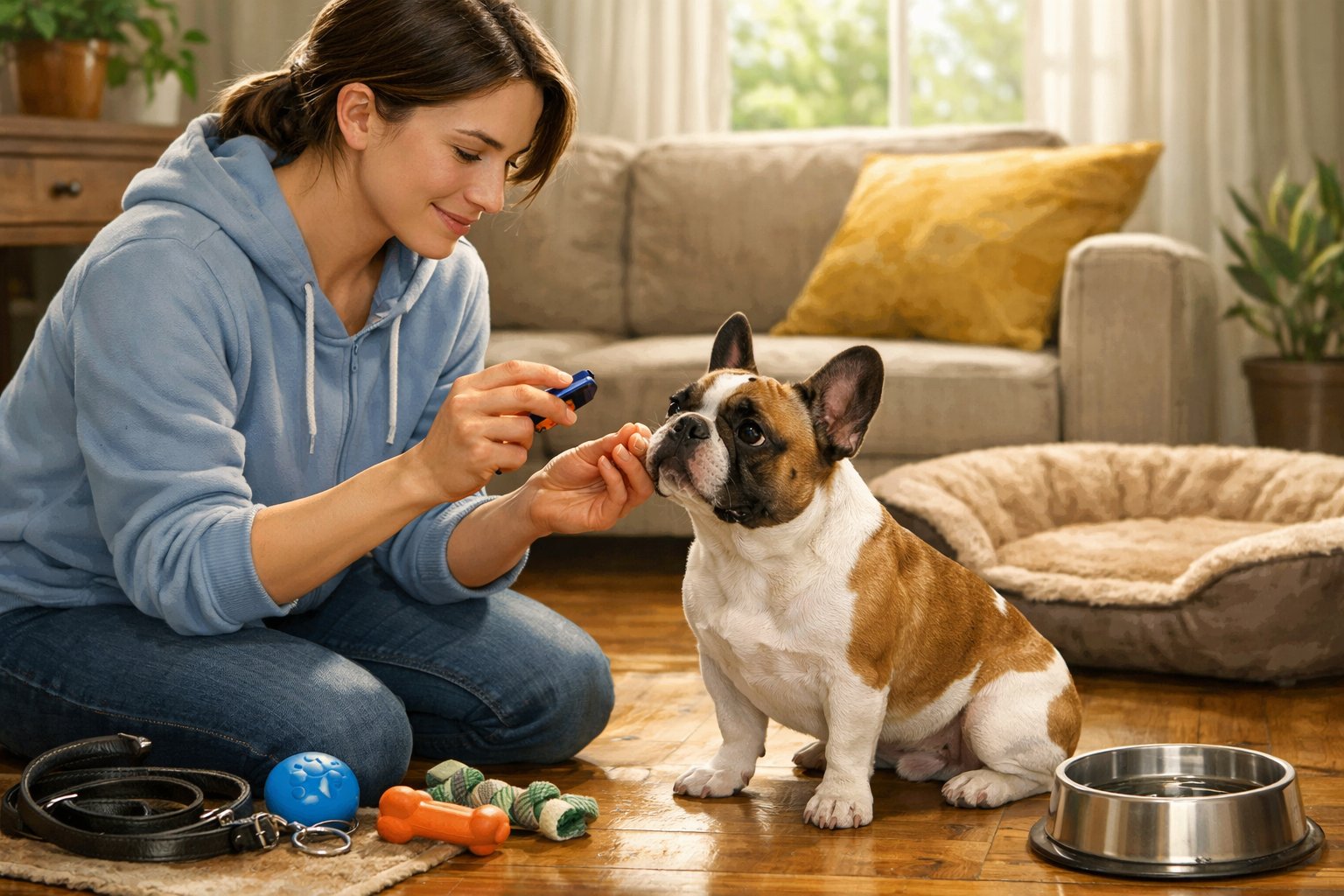
A person training a French Bulldog in a cozy living room with dog toys, a leash, and a dog bed nearby.

French bulldog ownership works best when daily care, training, and health planning stay simple and steady. A frenchie owner should focus on clear training methods, early social habits, smart health planning, and safe routines at home and outdoors.

Positive Reinforcement Training

Positive reinforcement training works well for French Bulldogs because they respond to rewards, not pressure. They learn faster when training uses small treats, praise, and short sessions.

A frenchie owner should keep lessons under 10 minutes to hold attention. Frenchies can act stubborn, but they usually lose focus before they refuse to learn.

Consistency matters more than firmness. Calm repetition builds habits over time.

Helpful rewards include:

  • Soft treats broken into small pieces
  • Verbal praise in a cheerful tone
  • Quick play with a favorite toy

Clear guidance helps reduce confusion. Many owners follow advice from guides like this French Bulldog training guide for owners to set realistic expectations.

Puppy Socialization Essentials

Puppy socialization shapes how a French Bulldog reacts to people, pets, and new places later in life. Early exposure helps prevent fear and stress as the dog grows.

A frenchie owner should introduce new sights and sounds before six months of age. This includes gentle handling, car rides, and meeting calm dogs.

Important social experiences include:

  • Visitors of different ages
  • Short walks in quiet areas
  • Basic grooming at home

Socialization should stay positive and slow. Owners can follow tips from detailed care guides like this French Bulldog care overview for new owners to avoid overstimulation.

Pet Insurance and Proactive Health Management

Pet insurance helps manage the long-term cost of french bulldog ownership. This breed faces higher risks for breathing issues, allergies, and spinal problems.

Early coverage often costs less and covers more. A frenchie owner should compare plans that include:

  • Chronic condition coverage
  • Diagnostic testing
  • Emergency care

Routine vet visits matter just as much. Regular checkups help catch problems early and keep costs lower.

Many veterinarians stress proactive care in breed-focused guides like this French Bulldog 2025 health and care guide.

Can French Bulldogs Swim?

Can French Bulldogs swim? Most cannot swim safely without help.

Their short legs, heavy chest, and flat face make staying afloat difficult.

Water safety rules should stay strict:

  • Always use a dog life jacket
  • Never leave them alone near water
  • Avoid deep pools and rough water

Some Frenchies enjoy shallow water with supervision. Swimming should not count as exercise.

Many breed guides explain this risk clearly, including this French Bulldog breed facts and safety overview.

Filed Under: Border Collies

Border Collie Body Language: Understanding Your Dog’s Signals and Communication

December 24, 2025 by Jason Huskey

Decoding Border Collie Body Language

Several Border Collies displaying different body postures and expressions to show various dog signals.

Border collies use clear physical signals to show focus, stress, excitement, and calm. Reading their eyes, ears, mouth, and posture helps people respond faster and train more effectively.

How Border Collies Communicate

A border collie relies on canine communication more than sound. Body posture, movement, and facial cues guide most interactions.

This intelligent dog often reacts before making noise. They use calming signals like turning the head away, slowing down, or licking the lips to avoid conflict.

Fast, sharp movements usually show drive or tension, not aggression. These traits match common characteristics and temperament seen across the breed, including focus, sensitivity, and high awareness.

Guides on border collie breed characteristics and care describe this strong link between movement and emotion.

Key signals to watch

  • Stiff body: high alert or stress
  • Loose body: calm or playful
  • Sudden freeze: intense focus, often before herding

Eyes and Eye Contact Signals

The eyes play a major role in dog behavior for this breed. Border collies use a strong, fixed stare to control movement.

This behavior comes from herding work. Soft eyes with normal blinking show comfort.

Wide eyes with visible whites often signal fear or stress. Avoid forcing eye contact when the dog looks tense.

Eye direction also matters. Looking away often acts as a calming signal, not disobedience.

Trainers use this cue during dog training to reduce pressure.

Eye Signal Likely Meaning
Soft gaze Relaxed, friendly
Hard stare Focused, aroused
Whale eye Anxiety or fear

Short clips showing border collie facial expressions and eye signals help illustrate these changes in real time.

Ear Movements and Positions

The ears act like mood indicators. Border collies move them often, even when still.

Upright ears pushed forward usually mean alert interest. Flattened or pinned-back ears show fear, stress, or appeasement.

One ear up and one back often means uncertainty. Quick ear flicks can signal listening or rising tension.

Ears should always be read with other signals. A relaxed mouth and loose body can soften what looks like alert ears.

Common ear positions

  • Forward: attention or excitement
  • Sideways: uncertainty
  • Back or flat: stress or fear

This reading helps owners respond before stress escalates.

Mouth, Teeth, and Facial Expressions

The mouth gives clear emotional clues. A relaxed mouth with a slightly open jaw suggests calm.

Tight lips or a closed mouth often signal stress or focus. Lip licking, yawning, and slow blinking act as calming signals.

These behaviors often appear during training or social pressure. Teeth display matters.

Brief flashes can warn, while playful grins appear during relaxed play. Context remains critical.

Short videos on border collie facial expressions show how small changes in the face reflect emotion.

Reading the full face—not just teeth—supports safer handling and better communication.

Interpreting Your Border Collie’s Body Cues

Three illustrations of a Border Collie showing different body postures and expressions that communicate its feelings.

Border Collies show clear signals through the tail, body, feet, and small calming behaviors. These cues reflect mood, focus, and comfort, and they often connect to strong herding instinct and working ability.

Tail Position and Tail Wagging

A Border Collie uses the tail as a clear signal of emotion and intent. Tail height matters more than speed.

A low tail often shows caution or stress, while a high tail points to alert focus. Tail wagging does not always mean happiness.

The direction, speed, and stiffness all matter.

Tail Signal What It Often Means
Loose wag at mid-height Relaxed and friendly
Fast, stiff wag High arousal or tension
Tail held low or tucked Fear or discomfort
Tail held high and still Intense focus, often linked to herding

Many working Border Collies hold their tail steady while watching movement. This posture supports control and precision, not excitement.

Learning these patterns helps guide safe dog training choices.

Body Posture and Movement Meanings

The body gives strong clues about a dog’s state of mind. A relaxed Border Collie stands with soft muscles and smooth weight shifts.

The head stays level, and movement looks easy. A stiff body with slow, careful movement signals concern or high focus.

Border Collies often lower their body and creep forward when the herding instinct kicks in. This posture shows control and intent, not fear.

Sudden freezing matters. It often means the dog is processing a situation or deciding what to do next.

Repeated pacing or spinning can point to stress or excess energy.

Paws, Toes, Feet, and Pads Signals

The feet, toes, and pads provide subtle but useful signals. Lifted paws often show uncertainty or anticipation.

A raised front paw during play or training can mean the dog is thinking. Spread toes and firm pads gripping the ground show readiness to move.

This stance supports fast turns and stops, which match the breed’s working ability. Soft, relaxed feet usually mean the dog feels safe.

Tight toes or constant shifting may signal discomfort or stress. Some Border Collies tap their paws when excited or frustrated.

Watching foot placement helps owners spot early signs of tension and adjust dog behavior support before stress builds.

Lip Licking, Yawning, and Calming Behaviors

Small facial and mouth movements act as calming signals. Lip licking, brief yawns, and slow blinks often appear during mild stress, not tiredness.

These signals help dogs calm themselves and others. A Border Collie may lick lips when meeting new dogs or hearing sharp commands.

Frequent yawning during training can mean pressure feels too high. Facial cues work with body signals.

Border Collies also use eye shape and ear position, which many owners notice when learning about border collie facial expressions and body language.

Recognizing calming behaviors supports clearer communication and steadier progress in dog training.

Physical Structure and Breed Influences on Communication

A Border Collie shown in different body postures demonstrating various dog communication signals.

A Border Collie’s body sends clear signals shaped by its build, coat, and job history. Head shape affects facial cues, coat details change how signals look, and herding instincts drive movement and focus.

Head, Skull, and Muzzle Shapes

The border collie breed has a balanced head with a moderate skull and muzzle. This shape supports clear facial signals.

Small changes around the nose, lips, and eyes show stress or calm fast. Eye contact matters with this collie type.

A steady stare often means focus, not threat. Soft eyes suggest comfort.

Hard eyes can mean tension, as explained in guides on canine body language like this one on reading dog body signals.

Ears also play a role. Many Border Collies hold ears semi-erect.

A slight tilt forward shows interest. Ears pinned back often signal worry or restraint, not fear.

Key facial cues to watch

  • Relaxed mouth vs. tight lips
  • Soft blink vs. fixed stare
  • Neutral ears vs. pulled-back ears

Coat, Color, and Markings

The Border Collie coat can hide or highlight signals. Most have a double coat with a soft undercoat and weather-ready top coat.

Longer hair on the mane and chest can mask posture changes. Color matters for visibility.

Black, red, gray, sable, and solid color coats change contrast. Blue merle, red merle, and merle patterns can make facial cues harder to read, especially around the eyes.

White markings help humans spot movement. A white chest or blaze shows breathing pace and head turns.

In conformation event settings, handlers learn how color affects judge perception. Daily owners should focus on motion and tension, not looks.

What to prioritize

  • Watch body tension, not color
  • Look for movement changes
  • Learn the dog’s normal coat flow

Breed Characteristics and Herding Instinct

Border Collies are herding dogs bred as working dogs in Scotland. They were later shaped in Australia and New Zealand.

The breed standard favors quick response, balance, and focus. These traits drive how they communicate.

A strong herding instinct shows through stalking posture, low head carriage, and intense gaze. This behavior does not equal aggression.

It reflects task focus common in a pure breed bred for control at distance. Movement speaks loudest.

A pause, crouch, or arc around people mirrors sheep work. Owners should read these signals as intent and arousal, not disobedience.

Understanding dog behavior basics helps frame these actions, as outlined in general overviews of how dogs communicate.

Common herding signals

  • Curved approach paths
  • Sudden stops or freezes
  • Heightened focus during motion

Filed Under: Border Collies

  • « Go to Previous Page
  • Page 1
  • Interim pages omitted …
  • Page 14
  • Page 15
  • Page 16
  • Page 17
  • Page 18
  • Interim pages omitted …
  • Page 33
  • Go to Next Page »

Primary Sidebar

Do Labradoodles Need Puzzle Toys? A Friendly Guide to the Best Options for Your Pup

Labradoodles are smart, energetic dogs that need both physical exercise and mental challenges to … [Read More...] about Do Labradoodles Need Puzzle Toys? A Friendly Guide to the Best Options for Your Pup

Best Interactive Training Tools for Smart Labradoodles: Engaging Games and Gadgets to Boost Your Dog’s Intelligence

Labradoodles are smart, energetic dogs that need mental stimulation to stay happy and healthy. … [Read More...] about Best Interactive Training Tools for Smart Labradoodles: Engaging Games and Gadgets to Boost Your Dog’s Intelligence

Top Training Treats for Food-Motivated Labradoodles That Actually Work

Training treats are small rewards used to reinforce good behavior in dogs. They help your … [Read More...] about Top Training Treats for Food-Motivated Labradoodles That Actually Work

Best Harnesses for Labradoodles That Pull on Leash: Top Picks to Stop Tugging in 2026

Labradoodles are energetic and strong dogs that often pull on their leash during walks. This pulling … [Read More...] about Best Harnesses for Labradoodles That Pull on Leash: Top Picks to Stop Tugging in 2026

How to Choose the Right Grooming Table for Your Labradoodle: A Complete Guide for Pet Parents

Grooming your Labradoodle at home can save you money and help your dog feel more comfortable during … [Read More...] about How to Choose the Right Grooming Table for Your Labradoodle: A Complete Guide for Pet Parents

Best Shampoos for Labradoodles With Sensitive Skin: Gentle Solutions for Your Curly Companion

Labradoodles are popular family dogs known for their friendly personalities and curly … [Read More...] about Best Shampoos for Labradoodles With Sensitive Skin: Gentle Solutions for Your Curly Companion

Must-Have Grooming Tools Every Labradoodle Owner Needs to Keep Their Pup Looking Perfect

Labradoodles have thick, curly coats that need regular care to stay healthy and tangle-free. Without … [Read More...] about Must-Have Grooming Tools Every Labradoodle Owner Needs to Keep Their Pup Looking Perfect

Best Clippers for Grooming Your Labradoodle at Home: Top Picks for a Professional Finish

Labradoodles have thick, curly coats that need regular grooming to stay healthy and tangle-free. … [Read More...] about Best Clippers for Grooming Your Labradoodle at Home: Top Picks for a Professional Finish

Top Detangling Sprays for Preventing Labradoodle Mats: Keep Your Pup’s Coat Smooth and Tangle-Free

Labradoodles have thick, curly coats that can tangle and mat easily without proper care. Mats form … [Read More...] about Top Detangling Sprays for Preventing Labradoodle Mats: Keep Your Pup’s Coat Smooth and Tangle-Free

Best Brushes for Labradoodles: Complete Guide to Grooming Curly, Wavy and Straight Coats

Labradoodles have unique coats that need regular brushing to stay healthy and tangle-free. These … [Read More...] about Best Brushes for Labradoodles: Complete Guide to Grooming Curly, Wavy and Straight Coats

Categories

  • Border Collies
  • Uncategorized

Superduperdog.com - Copyright © 2026