Have you ever noticed how quickly dogs seem to age compared to humans? It’s not uncommon for a dog to reach old age at just 10 or 12 years old, while humans can live well into their 80s and 90s. This rapid aging process in dogs is due to a combination of factors, including genetics, size, and lifestyle.
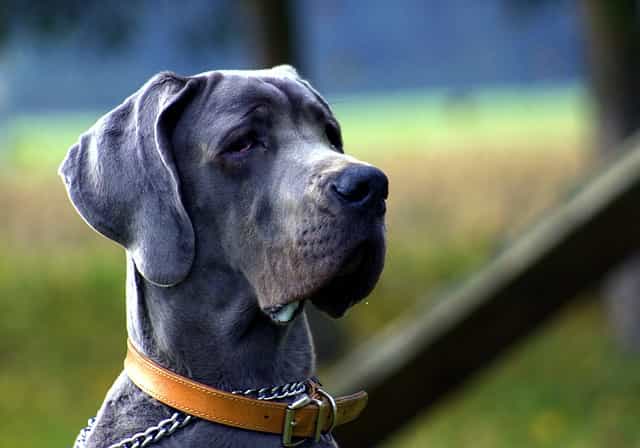
One of the main reasons dogs age so quickly is because of their genetics. Dogs have been selectively bred for centuries to perform specific tasks, such as hunting, herding, or guarding. This selective breeding has resulted in a wide range of breeds with different sizes, shapes, and lifespans. While some breeds, such as the Chihuahua, can live up to 20 years, others, such as the Great Dane, may only live for 6 or 7 years.
In addition to genetics, a dog’s size also plays a role in how quickly it ages. Smaller dogs tend to live longer than larger dogs, with some toy breeds living up to 20 years. This is because larger dogs have a higher metabolic rate and a shorter lifespan. For example, a Great Dane may reach its full size in just 1 year, while a Chihuahua may take 2 or 3 years to reach its full size. This means that a Great Dane’s body is aging much more quickly than a Chihuahua’s, which can lead to a shorter lifespan.
The Science Behind Dog Aging
The answer lies in their biology and genetics. Dogs have a significantly shorter lifespan than humans due to their faster metabolic rate. This means that their cells divide more quickly, which leads to a faster aging process. Additionally, dogs have a higher risk of developing age-related diseases such as cancer, heart disease, and arthritis.
One of the key factors that contribute to dog aging is telomere shortening. Telomeres are the protective caps on the end of chromosomes that prevent them from deteriorating or fusing with other chromosomes. As cells divide, telomeres become shorter, and when they become too short, the cell can no longer divide, leading to aging and disease.
Another factor that contributes to dog aging is oxidative stress. This occurs when there is an imbalance between the production of free radicals and the body’s ability to counteract them with antioxidants. Over time, oxidative stress can damage cells and tissues, leading to age-related diseases.
While there is no way to stop dogs from aging, there are steps that owners can take to help their furry friends live longer, healthier lives. These include providing a balanced diet, regular exercise, and preventative healthcare such as vaccinations and routine check-ups.
Factors That Contribute to Rapid Dog Aging
Here are some of the factors that contribute to rapid dog aging:
- Size: Smaller dogs generally live longer than larger dogs, but they also age more rapidly. This is because their bodies work harder to maintain their metabolism, which can lead to cellular damage and faster aging.
- Breeds: Some dog breeds are more prone to age-related diseases than others. For example, larger breeds like Great Danes and Saint Bernards are more likely to develop joint problems, while smaller breeds like Chihuahuas are more prone to dental issues.
- Environment: The environment in which a dog lives can also play a role in how quickly they age. Dogs that are exposed to pollution or toxins may experience more cellular damage and age more rapidly.
- Diet: A dog’s diet can also impact their aging process. Feeding your dog a high-quality diet that is rich in nutrients can help slow down the aging process and keep them healthy for longer.
While there is no way to completely stop a dog from aging, understanding the factors that contribute to rapid aging can help you make informed decisions about your dog’s health and wellbeing. By providing your dog with a healthy diet, regular exercise, and a safe and clean environment, you can help slow down the aging process and ensure that your furry friend lives a long and happy life.
Health and Lifestyle Implications of Rapid Dog Aging
Due to the fast aging process, dogs are more susceptible to age-related health issues than humans. These health issues can include:
- Joint problems, such as arthritis and hip dysplasia
- Dental issues, such as gum disease and tooth loss
- Vision and hearing loss
- Cancer
- Heart disease
- Decreased immune system function
It is important for dog owners to be aware of these potential health issues and take steps to prevent them. Regular veterinary check-ups, a healthy diet, and exercise can help prevent or delay the onset of these conditions.
In addition to health issues, the rapid aging process also has lifestyle implications for dogs. As dogs age, they may become less active and have decreased mobility. This can lead to weight gain and other health issues. Owners should adjust their dog’s diet and exercise routine as they age to maintain their health and quality of life.
Furthermore, the emotional impact of rapid aging on dogs should not be overlooked. As dogs age, they may become more anxious, less social, and have a decreased quality of life. Owners should provide their aging dogs with plenty of love, attention, and mental stimulation to keep them happy and healthy.
Ways to Slow Down Dog Aging
While we can’t stop the aging process, there are ways to help slow it down and keep our furry friends healthy and happy for longer. Here are some tips:
- Feed a healthy diet: Providing your dog with a balanced and nutritious diet can help keep them healthy and slow down the aging process. Make sure to choose a high-quality dog food that meets their nutritional needs.
- Exercise regularly: Regular exercise can help keep your dog’s muscles and joints strong and healthy, which can slow down the aging process. Make sure to provide your dog with