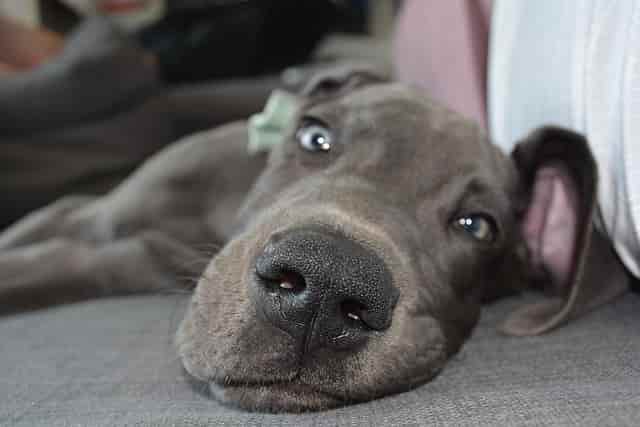
Dogs are known for their wet noses, but have you ever wondered why they get wet in the first place? It’s a common question among pet owners, and the answer lies in a combination of factors that are unique to dogs.
One reason why dogs’ noses are wet is because of the mucus that lines their nasal passages. This mucus helps to trap dirt, dust, and other particles that the dog inhales, preventing them from entering the lungs. The moisture in the mucus also helps to humidify the air as it passes through the nose, making it easier for the dog to breathe.
Another reason why dogs’ noses are wet is because of their habit of licking. Dogs use their tongues to clean themselves, and when they lick their noses, they transfer saliva onto their noses. Saliva contains enzymes that help to break down food, but it also contains antibacterial properties that can help to keep the nose clean and free from infection.
The Anatomy of a Dog’s Nose
The Structure of a Dog’s Nose
A dog’s nose is a complex and intricate organ that is made up of several different parts. The exterior of the nose is covered in skin and fur, and it is the part of the nose that we can see. However, the real magic happens on the inside of a dog’s nose.
Inside the nose, there are two nostrils that lead to a nasal cavity. The nasal cavity is lined with specialized cells called olfactory receptors, which are responsible for detecting different scents. The olfactory receptors are packed tightly together, giving dogs an incredible sense of smell that is far more powerful than our own.
In addition to the olfactory receptors, a dog’s nose also contains a bony structure called the turbinates. The turbinates help to filter and warm the air as it enters the nasal cavity, which is important for protecting the sensitive olfactory receptors from damage.
The Function of a Dog’s Nose
A dog’s nose serves several important functions beyond just the sense of smell. For example, a dog’s nose can also help to regulate body temperature. When a dog is too hot, they will pant to cool down. As they pant, the air passes over the moist membranes inside their nose, which helps to cool the blood vessels in their head and regulate their body temperature.
Another important function of a dog’s nose is to help with communication. Dogs use their noses to sniff out information about other dogs, such as their age, sex, and health status. They can also use their noses to detect changes in their environment, such as the presence of predators or prey.
Overall, a dog’s nose is a fascinating and complex organ that plays an important role in their daily lives. By understanding the anatomy and function of a dog’s nose, we can better appreciate and care for these amazing creatures.
Why Do Dogs Noses Get Wet?
The Role of Mucus
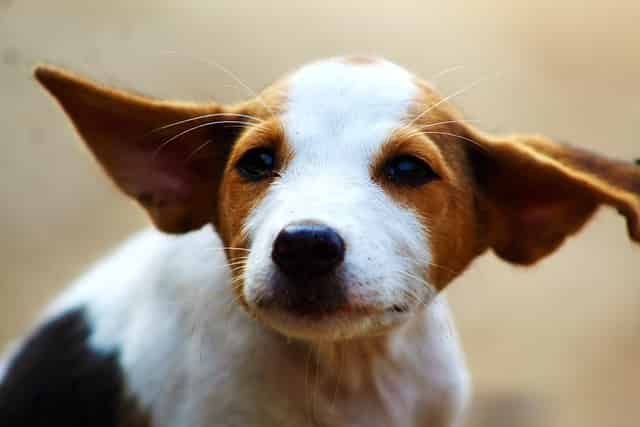
One reason why dogs’ noses are wet is due to the presence of mucus. Mucus is a thick, sticky substance that helps to trap dirt, dust, and other particles that a dog’s nose comes into contact with. When a dog inhales, the mucus helps to filter out these particles before they reach the lungs, preventing potential respiratory issues.
Additionally, mucus contains antibodies and enzymes that can help to fight off infections and keep the nose healthy. This is why a dog’s nose may become more wet or runny when they are sick, as their body produces more mucus to help fight off the infection.
The Importance of Moisture
Another reason why a dog’s nose may be wet is due to the importance of moisture. Dogs use their sense of smell as a primary way to explore and understand their environment, and a moist nose can help to enhance their sense of smell.
Moisture on a dog’s nose can also help to regulate their body temperature. When a dog pants, moisture from their tongue and nasal passages evaporates, helping to cool them down. A wet nose can help to replenish this moisture, allowing a dog to regulate their body temperature more effectively.
It’s important to note that not all dogs have wet noses all the time. Factors such as age, breed, and environment can all play a role in the moisture level of a dog’s nose. However, a consistently dry or cracked nose may indicate an underlying health issue and should be evaluated by a veterinarian.
Other Interesting Facts About Dogs’ Noses
Dogs’ Sense of Smell
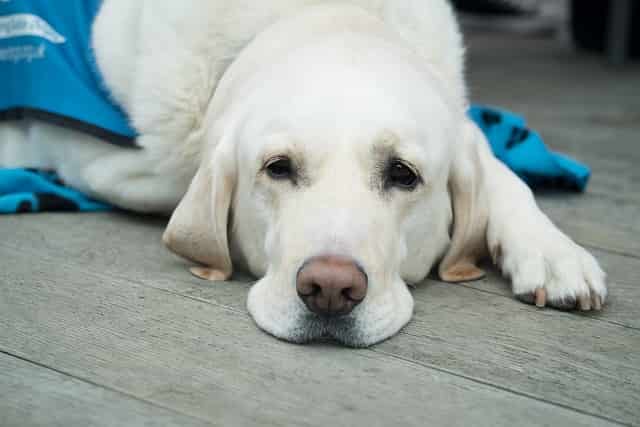
Dogs have an incredible sense of smell that is far more powerful than humans. They have up to 300 million olfactory receptors in their noses, compared to just six million in humans. This allows them to detect even the slightest scents and track things over long distances.
Dogs also have a special organ called the vomeronasal organ, or Jacobson’s organ, in the roof of their mouth. This organ helps them detect pheromones, which are chemical signals released by other animals. It allows dogs to sense things like fear, aggression, and even a female dog’s reproductive status.
The Differences Between Dog and Human Noses
While dogs and humans both have noses, there are some key differences between them. For one, dogs have nostrils that can move independently, which allows them to determine the direction of a scent. They also have a wet nose, which helps them absorb scent molecules more effectively.
In addition, dogs have a much larger nasal cavity than humans. This means that they can take in more air and more scent molecules with each breath. They also have a sophisticated system of turbinates, which are bony structures in the nasal cavity that help filter and humidify the air they breathe in.
Finally, dogs have a special gland in their nose called the nasal gland, or gland of the third eyelid. This gland produces a watery substance that helps keep their nose moist and aids in scent detection.