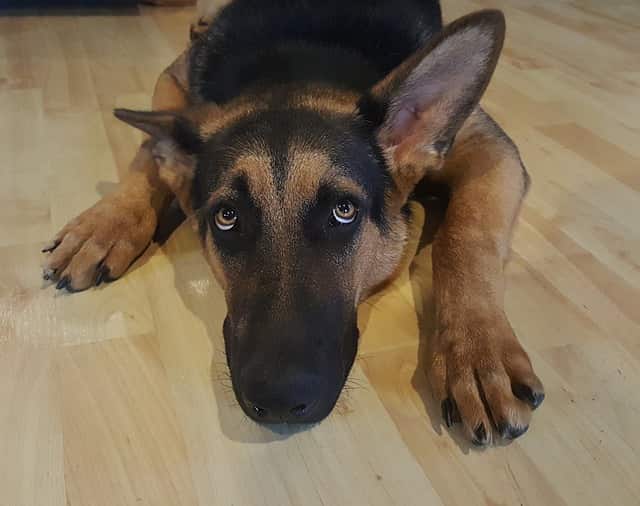
Dogs are social animals and enjoy interacting with other dogs. However, some dogs may exhibit fear or anxiety when they encounter other dogs. This can be a frustrating and confusing experience for owners who may not understand why their dog is scared of other dogs.
One possible reason for a dog’s fear of other dogs is lack of socialization. If a dog has not been exposed to other dogs during their critical socialization period, they may not know how to properly interact with them. This can lead to fear and anxiety when encountering other dogs later in life. Additionally, negative experiences with other dogs, such as being attacked or bullied, can also contribute to a dog’s fear of other dogs.
Understanding the root cause of a dog’s fear of other dogs is crucial in helping them overcome their anxiety and improve their socialization skills. With proper training and socialization, many dogs can learn to overcome their fear and enjoy interacting with other dogs.
Why Dogs Get Scared of Other Dogs
Dogs can exhibit a range of behaviors when they encounter other dogs. Some dogs may become excited and playful, while others may become fearful and anxious. In this section, we will explore some of the reasons why dogs may get scared of other dogs.
Traumatic Experiences
Dogs who have had traumatic experiences with other dogs may also become scared and anxious when they encounter new dogs. For example, a dog who was attacked by another dog may develop a fear of all dogs. Traumatic experiences can have a lasting impact on a dog’s behavior, so it is important to address any issues as soon as possible.
Genetics
Finally, genetics can also play a role in a dog’s fear of other dogs. Some breeds are more prone to fear and anxiety than others. For example, herding breeds such as Border Collies and Australian Shepherds may be more sensitive to changes in their environment and may be more likely to develop fears and phobias.
Signs That Your Dog is Scared of Other Dogs

When a dog is scared of other dogs, it can be challenging for pet owners to identify the signs. However, recognizing the symptoms of fear in dogs is crucial in understanding their behavior and making them feel comfortable. Here are some signs that your dog is scared of other dogs:
Body Language
Dogs communicate through body language, and observing your dog’s posture and behavior around other dogs can provide insight into their emotions. Some common body language signs that indicate fear in dogs include:
- Crouching or hunching down
- Tail tucked between the legs
- Ears flattened against the head
- Avoiding eye contact
- Excessive panting or drooling
- Shaking or trembling
Vocalizations
Dogs may also vocalize when they are scared, and these sounds can range from whining and whimpering to growling and barking. If your dog is making high-pitched whining noises or growling when they see another dog, it may be a sign of fear.
Aggressive Behavior
While some dogs may try to avoid other dogs when they are scared, others may become aggressive. This behavior is often a defense mechanism, and it is essential to understand the difference between fear-based aggression and other types of aggression.
The Effects of Fear and Anxiety on Dogs

Dogs, just like humans, can experience fear and anxiety. These emotions can have a significant impact on a dog’s overall well-being.
Physical Effects
When a dog experiences fear and anxiety, their body responds in various ways. These physical effects can include:
- Increased heart rate
- Rapid breathing
- Sweating
- Dilated pupils
- Trembling
- Increased blood pressure
Over time, these physical responses can take a toll on a dog’s body. Chronic stress can lead to a weakened immune system, digestive issues, and even heart problems.
Behavioral Effects
Fear and anxiety can also have a significant impact on a dog’s behavior. Dogs that are scared or anxious may exhibit the following behaviors:
- Aggression
- Destructive behavior
- Excessive barking
- Hiding or cowering
- Avoiding certain situations or people
- Loss of appetite
- Inability to focus or learn
These behavioral changes can be frustrating for dog owners and can also impact a dog’s quality of life.
It’s important to note that fear and anxiety can also lead to the development of phobias. For example, a dog that has a negative experience with another dog may develop a phobia of all dogs. This can make it challenging for the dog to participate in social activities or even go for walks.
Positive Reinforcement
One way to help dogs overcome their fears and anxieties is through positive reinforcement. This involves rewarding good behavior and ignoring bad behavior. For example, if a dog is scared of other dogs, their owner can reward them for staying calm when they see another dog.
Positive reinforcement can help to change a dog’s emotional response to certain situations. Over time, the dog may learn that other dogs are not a threat and may even begin to enjoy socializing with them.
How to Help Your Dog Overcome Fear of Other Dog
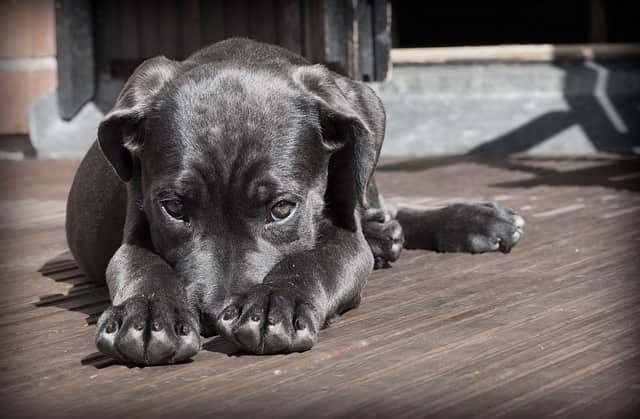
Desensitization and Counterconditioning
Desensitization and counterconditioning are two techniques that can help your dog overcome their fear of other dogs. Desensitization involves gradually exposing your dog to other dogs in a controlled environment, while counterconditioning involves replacing your dog’s negative association with other dogs with positive ones.
Counterconditioning involves pairing the presence of other dogs with positive experiences, such as treats and playtime. Over time, your dog will start to associate the presence of other dogs with positive experiences, and their fear will decrease.
Behavior Modification Techniques
Behavior modification techniques can also help your dog overcome their fear of other dogs. One technique is to teach your dog a new behavior, such as sitting or laying down, when they see other dogs. This can distract your dog from their fear and help them feel more in control of the situation.
Another technique is to use a calming aid, such as a pheromone spray or a calming collar. These products can help reduce your dog’s anxiety and make them feel more relaxed around other dogs.
Training and Socialization
Training and socialization are also important for helping your dog overcome their fear of other dogs. Training your dog to obey basic commands, such as “sit” and “stay,” can help them feel more confident and in control when they are around other dogs.
Socialization involves exposing your dog to a variety of people, animals, and environments from a young age.
When to Seek Professional Help

If a dog owner has tried various methods to help their dog overcome their fear of other dogs and has not seen any improvement, it may be time to seek professional help. This section will cover when to seek help from a veterinarian or veterinary behaviorist.
Veterinarian
The first step in seeking professional help for a dog’s fear of other dogs is to consult with a veterinarian. The veterinarian will be able to rule out any underlying medical conditions that may be contributing to the dog’s fear or anxiety. They may also be able to provide medication to help manage the dog’s anxiety.
The veterinarian can also refer the dog owner to a certified dog trainer or veterinary behaviorist. They can work together to develop a behavior modification plan that is tailored to the dog’s specific needs.
Veterinary Behaviorist
If the dog’s fear of other dogs is severe or if the dog is exhibiting aggressive behavior, it may be necessary to seek help from a veterinary behaviorist. A veterinary behaviorist is a veterinarian who has undergone additional training in animal behavior.
The veterinary behaviorist will conduct a thorough evaluation of the dog’s behavior and develop a behavior modification plan. This plan may include desensitization and counterconditioning techniques, as well as medication to manage the dog’s anxiety.
It is important to note that seeking professional help does not guarantee a quick fix for a dog’s fear of other dogs. It may take time and patience to see improvement, and the dog owner must be committed to following the behavior modification plan.
Preventing Fear of Other Dogs in Puppies
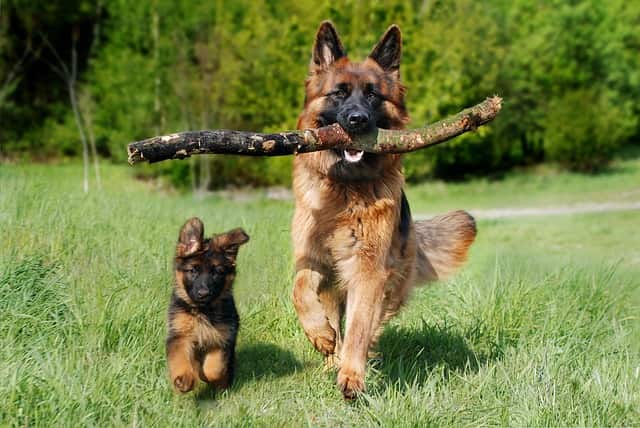
Puppies can develop a fear of other dogs if they don’t receive proper socialization during their critical period of development. This fear can lead to anxiety and aggression towards other dogs, making it difficult for them to interact with other canines in the future.
To prevent fear of other dogs in puppies, it’s important to expose them to a variety of dogs in a safe and controlled environment. Here are some tips for preventing fear of other dogs in puppies:
- Start Early: Begin socializing your puppy as early as possible, ideally between 3 and 14 weeks of age. During this time, puppies are most receptive to new experiences and are less likely to develop a fear of other dogs.
- Positive Reinforcement: Use positive reinforcement techniques to reward your puppy for good behavior when interacting with other dogs. This will help them associate other dogs with positive experiences.
- Routine Socialization: Make socialization a routine part of your puppy’s life. Take them to dog parks, puppy classes, and other places where they can interact with other dogs.
- Eliminate Dangers: Make sure your puppy is safe when socializing with other dogs. Keep them on a leash, supervise their interactions, and avoid putting them in situations where they could be hurt or frightened.
By following these tips, you can help prevent your puppy from developing a fear of other dogs. With proper socialization and positive reinforcement, your puppy can grow up to be a confident and friendly dog who enjoys interacting with other canines.