Master Essential Training Foundations
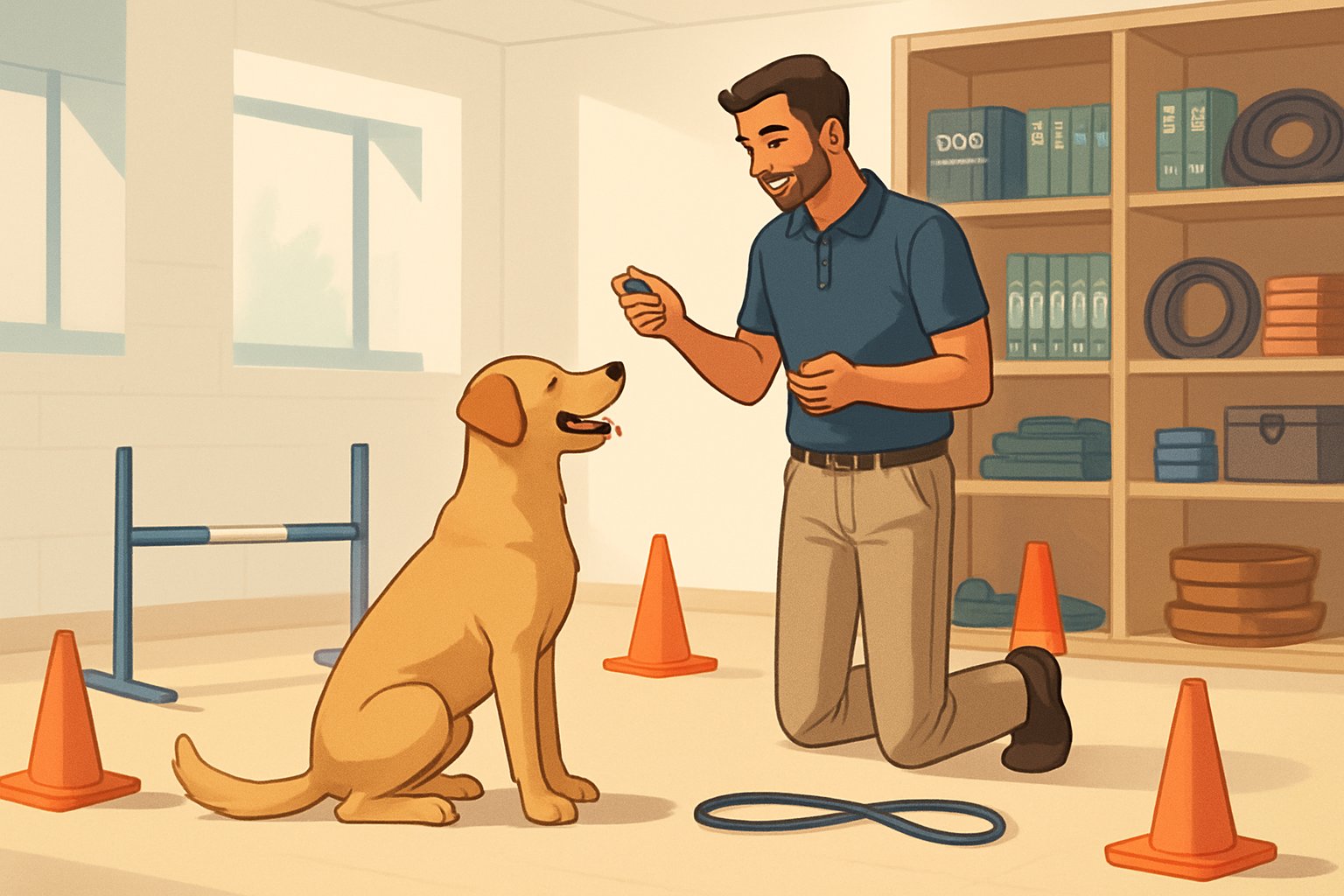
Good dog training starts with clear understanding, simple structure, and rewards that motivate the dog. Dogs learn best when their owners communicate clearly, use short sessions, and make training consistent and fun.
Understand Your Dog’s Mindset
Every dog thinks differently, depending on breed, age, and personality. Some dogs, like retrievers, enjoy tasks and fetch, while others, such as terriers, prefer problem-solving games.
Recognizing these instincts helps owners adjust training methods to fit the dog’s natural behavior. Dogs respond best when training feels like teamwork rather than control.
Staying calm and patient helps them feel safe and ready to learn. When a dog struggles, it usually needs clearer guidance—not harsher correction.
Owners can study breed traits and typical behavior patterns through expert advice such as the guide from Dog Breed Pro, which explains how breed instincts influence learning. Understanding a dog’s mindset builds trust and reduces frustration.
Set Up the Right Training Environment
A well-chosen training environment helps dogs focus and stay calm. Quiet spaces with few distractions allow the dog to pay attention during early sessions.
Later on, introducing busier locations helps them apply learned commands in real-world situations. Clear boundaries make training smoother.
Keeping toys, treats, and leashes nearby avoids interruptions. Consistent locations for training—like the same corner of a living room or yard—help the dog understand when it’s time to work.
Short sessions, around five to ten minutes, are enough to hold attention. As recommended by Dogs Trust, ending each session on a success keeps the mood positive.
Use Positive Reinforcement
Positive reinforcement strengthens desired behaviors by rewarding them with treats, praise, or play. Dogs quickly learn which actions bring rewards and repeat them more often.
Correct timing is crucial—rewards should come within seconds of the good behavior. It’s better to show what the dog should do rather than punish mistakes.
According to The Trusted Companion, consistent rewards improve obedience and build strong communication between pet and owner.
Examples of rewards:
| Behavior | Reward Type | Description |
|---|---|---|
| Sitting on command | Verbal praise | “Good sit!” in a cheerful tone |
| Coming when called | Treat | Small bite-sized snack |
| Staying calm with guests | Play | Short fetch or gentle petting |
This method helps maintain enthusiasm while avoiding fear-based responses.
Choose High-Value Training Treats
Effective training requires the right type of reward. High-value training treats are small, soft, and easy to chew so the dog quickly returns to focus.
These might include bits of cooked chicken, cheese cubes, or commercial training treats low in fillers. Different dogs value rewards differently.
What excites one dog may not interest another. Experimenting with a few treat types helps find what motivates best.
During sessions with many rewards, treats should remain tiny to prevent overfeeding. Guides from Pet Syllabus explain how small, frequent rewards keep training engaging without adding extra calories.
Mixing treats with verbal praise or brief play helps keep sessions balanced and enjoyable for both dog and trainer.
Teach and Strengthen Core Commands
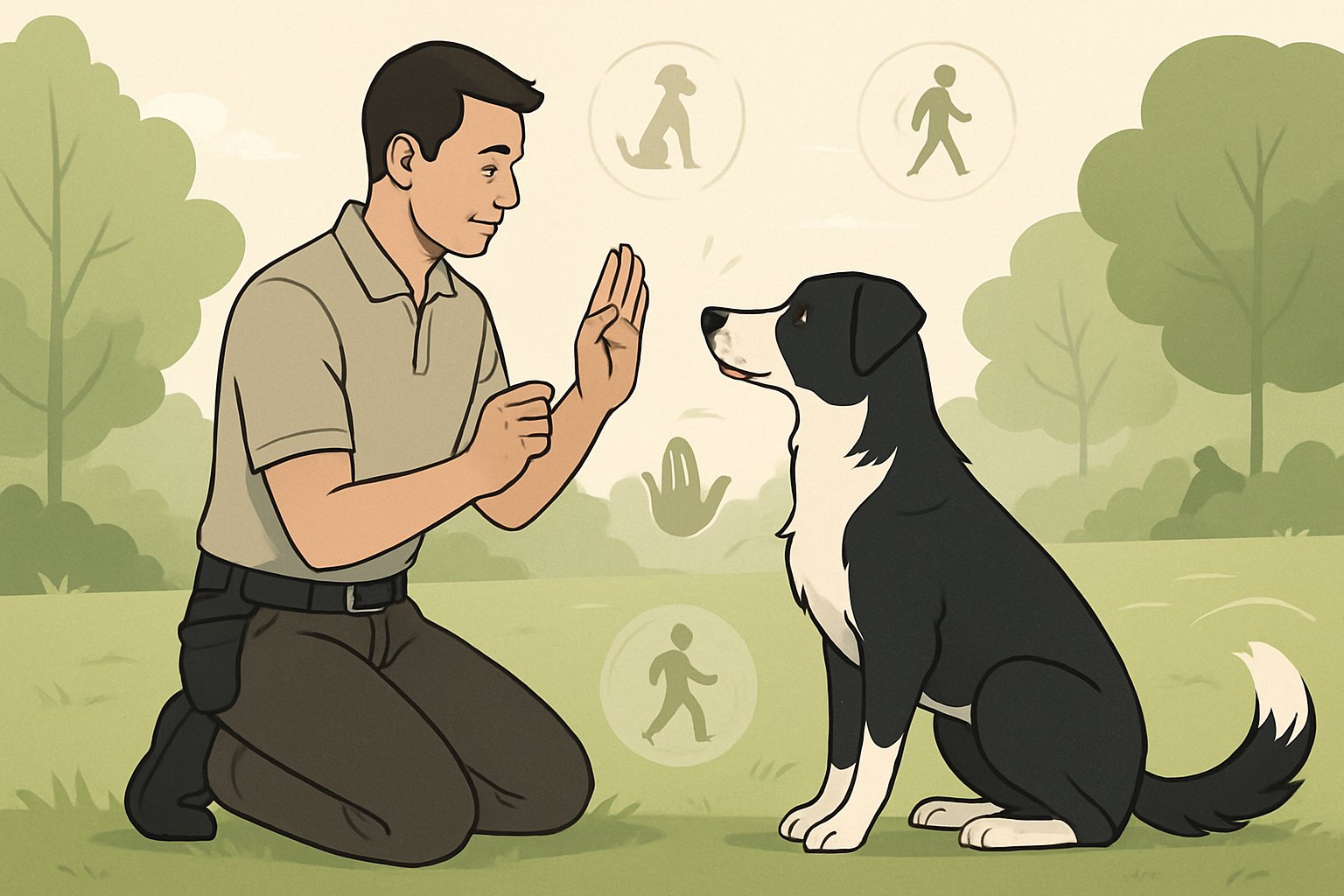
Dogs learn best through clear, repeated guidance and steady progress. Focusing on core obedience skills like “sit,” “stay,” and “come” creates a strong foundation for calm behavior and easier communication between owners and their pets.
Introduce Basic Commands Step-by-Step
When training begins, professional trainers recommend breaking down basic commands into short, focused sessions. Start with “sit,” as it’s easy for dogs to grasp quickly.
Use treats and praise right after the dog performs the action to connect the behavior with the reward. Next, move on to “stay,” “come,” and “down.”
Each command teaches structure and helps prevent accidents or impulsive actions. According to Dog Breed Pro, keeping lessons short and consistent makes the learning process smoother for both the dog and the owner.
Links between actions and cues must remain consistent. Always use the same word, gesture, and tone.
Over time, reduce treats and rely more on verbal praise or petting, so the dog follows commands even without food rewards.
| Command | Benefit | When to Use |
|---|---|---|
| Sit | Builds control | Before meals, greetings |
| Stay | Prevents wandering | At doors, during chores |
| Come | Improves safety | Off-leash recall |
Build Impulse Control Skills
Impulse control helps dogs think before they act. Teaching commands like “wait,” “leave it,” and “drop it” teaches patience and focus.
Dogs that practice self-control are safer and calmer in busy settings. Start with easy setups.
Hold a treat in front of the dog and use “wait.” If the dog pauses, reward it.
Gradually add difficulty, such as walking past toys or food without grabbing them. The “Leave It” command also prevents a dog from eating unsafe objects during walks.
Structured routines make a big difference. Short bursts of calm behavior build mental strength over time.
When trained well, dogs learn to pause before reacting, lowering the chance of jumping, barking, or chasing.
Progress Tracking and Consistency
Tracking training progress helps measure improvement and keeps goals realistic. A simple notebook or phone app can record which commands the dog has mastered and which need work.
Progress isn’t always linear—some days go better than others. Consistency matters most.
Every household member should use the same words and hand signals. Inconsistent cues confuse dogs and slow learning.
DWDogTraining.com notes that a united approach helps reinforce discipline and trust. Weekly reviews can be motivating.
For instance, track the length of time the dog can “stay” without moving. Setting small, measurable targets keeps training structured while showing clear results.
Handle Challenges Like a Pro
Every dog learns at a different pace. Some behaviors take longer to correct.
When progress stalls, professional trainers suggest adjusting the approach rather than repeating the same routine. Shorter sessions, new rewards, or a quieter space can reset focus.
If a dog ignores commands or becomes distracted, return to simpler exercises. Avoid scolding or punishment.
Calm, firm guidance keeps trust intact. Reading a dog’s body language—like tail position or ear movement—helps identify stress or confusion during training.
For persistent problems like jumping or pulling, guidance from a certified trainer can help tailor solutions. Experienced professionals use proven techniques that encourage progress while protecting a dog’s confidence and motivation.