Creating a Focused Foundation for Your Labradoodle
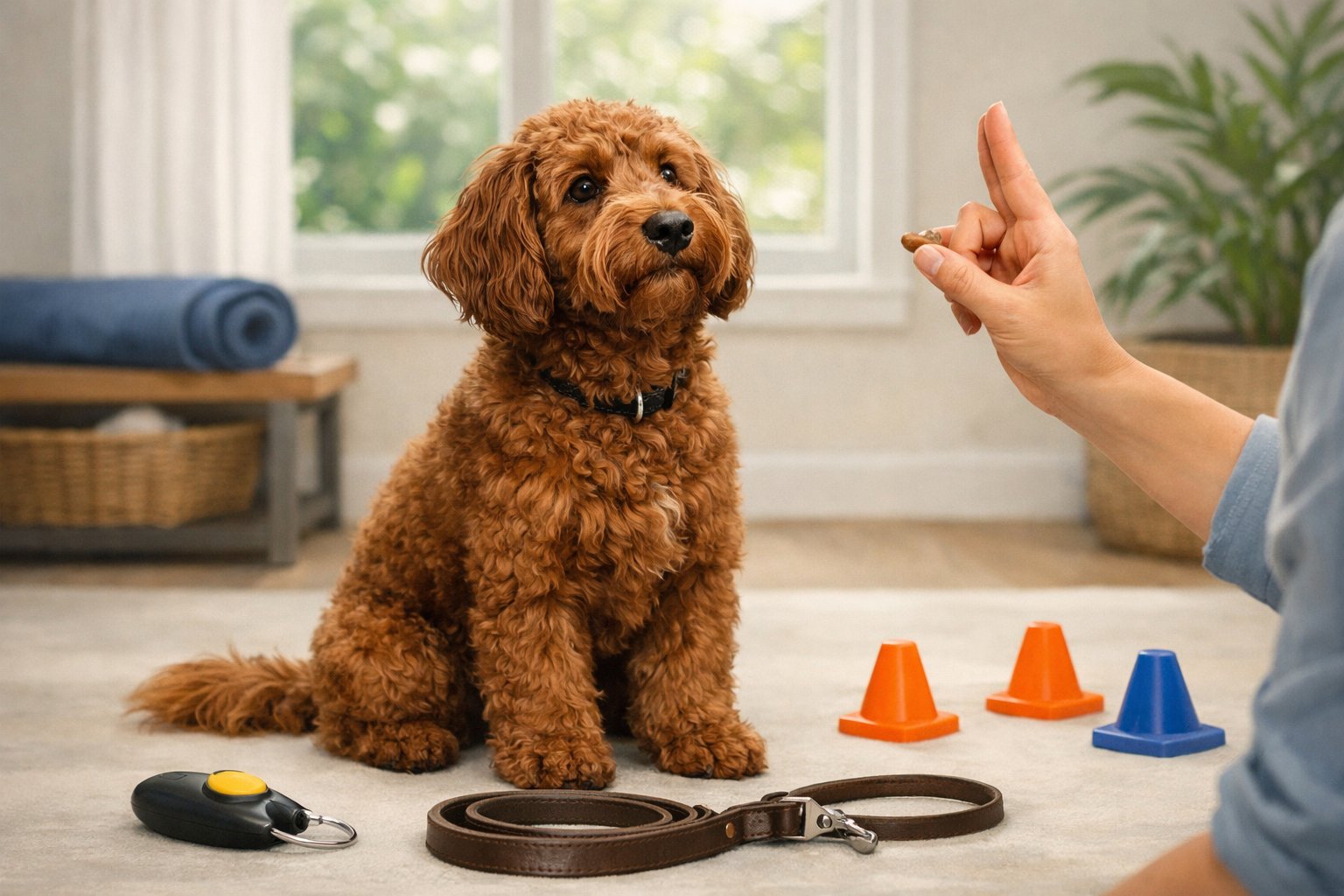
A Labradoodle learns best when training matches how the dog thinks and reacts each day. Clear routines, simple commands, and low-distraction settings help turn short attention into steady focus.
Understanding Labradoodle Intelligence and Behavior
A Labradoodle is smart, social, and quick to notice movement, sound, and smells. This mix explains common labradoodle behaviour like fast learning paired with easy distraction.
Many dogs want to please but lose focus when training feels dull or confusing. Training works better when sessions feel active and rewarding.
Short tasks with clear goals keep attention longer. Reward timing matters.
Praise or treats should come right after the right action. Owners who understand this balance often see better results with positive methods.
Guides on how to motivate a Labradoodle during training stress energy, variety, and clear feedback to hold focus.
Starting Training Early and Setting Consistent Routines
Labradoodle puppy training should begin as soon as the dog settles into the home. Early lessons shape habits before distractions grow stronger.
Even simple actions like sitting before meals build structure. Consistent training matters more than long sessions.
Daily practice at the same times helps the dog know what to expect. Morning and evening routines often work well.
Key routine elements include:
- Same commands used by all family members
- Short sessions lasting 10–15 minutes
- Regular rewards for correct behavior
Consistency builds trust and makes learning feel predictable.
Mastering Basic Commands for Daily Life
Basic commands form the core of training a Labradoodle. These skills support safety and calm behavior at home and outside.
Focus on commands the dog will use every day. Important basic commands include:
- Sit for greetings and waiting
- Stay for control in busy spaces
- Come for safety and recall
- Leave it to avoid hazards
Practice commands during normal routines, not just formal sessions. Asking for a sit before clipping the leash reinforces learning.
Clear steps from guides like how to train a Labradoodle show how repetition in daily life improves reliability.
Minimizing Distractions for Improved Focus
Minimal distractions help a Labradoodle learn faster. Start training in quiet rooms with few toys or noises.
Once focus improves, add small distractions on purpose. A gradual approach works best.
| Training Stage | Environment | Goal |
|---|---|---|
| Early | Quiet room | Learn new commands |
| Middle | Backyard | Hold focus with mild noise |
| Advanced | Walks or parks | Respond around people and dogs |
If focus drops, reduce distractions again. Calm walks before training also help release extra energy.
Managing the environment teaches the dog when to pay attention and when to relax.
Positive Motivation and Engaging Training Techniques

Smart Labradoodles learn fast, but distractions can derail progress. Clear rewards, short sessions, and mental challenges keep attention high and behavior steady.
Using Positive Reinforcement and Training Treats
Positive reinforcement works best for dog training with Labradoodles. Trainers should reward the exact behavior they want, right when it happens.
This timing helps the dog connect the action to the reward. Small, soft training treats work well because they are quick to eat.
High-value treats, like cooked chicken, help with hard tasks or busy settings. Praise and calm touch also count as rewards.
Many labradoodle training tips stress upbeat tone and body language. Consistent encouragement builds trust and focus.
Guides on motivating a Labradoodle during training highlight reward-based methods over correction.
Key points
- Reward fast and clearly
- Use small treats to avoid overfeeding
- Pair food with praise
Keeping Sessions Short, Fun, and Interactive
Labradoodles lose focus when sessions drag on. Short lessons work better.
Ten to fifteen minutes keeps energy steady and minds alert. Trainers should mix commands with movement.
Simple games like recall during fetch add fun without losing structure. Interactive training also helps dogs practice focus around mild distractions.
Many trainers recommend brief sessions spaced through the day. Advice on keeping training sessions short and engaging supports this approach.
Regular breaks prevent frustration for both dog and handler.
Helpful structure
- 1 warm-up command
- 2–3 new or practiced skills
- 1 easy win to end
Choosing the Right Rewards and Puzzle Feeders
Not all rewards motivate the same way. Some Labradoodles prefer toys, while others focus best with food.
Trainers should test rewards and rotate them to keep interest high. Puzzle feeders add challenge and slow eating.
They work well before training to release extra energy or after training as a calm reward. Simple puzzles suit beginners, while complex ones fit advanced dogs.
Food-based rewards should stay small and healthy. Training plans that combine treats with toys reduce reliance on food alone.
Many dog training guides recommend this balance, including advice from positive reinforcement training experts.
Mental Stimulation and Preventing Boredom
Mental stimulation matters as much as physical exercise. Without it, Labradoodles may seek their own entertainment.
That often leads to unwanted behavior. Training should include problem-solving tasks.
These can include scent games, new command chains, or puzzle toys. Rotating activities prevents routine from dulling interest.
Daily mental work does not need to be long. Five focused minutes can make a difference.
Consistent challenges help smart dogs stay calm and attentive during training and daily life.
Building Social Skills and Everyday Manners

Labradoodles learn fast, but distractions can slow progress. Strong social skills and clear daily routines help them stay calm, polite, and focused in real-life settings.
Early Socialization with People, Pets, and Places
Early socialization shapes how a Labradoodle reacts to the world. During puppy training, they should meet adults, children, calm dogs, and friendly cats.
Short, positive visits work better than long outings. They benefit from seeing everyday places.
A quiet dog park during off hours, a pet store, or a walk near traffic helps reduce fear later. Each new experience should include treats and praise to build good feelings.
Owners should watch body language. If the dog shows stress, they should step back and try again later.
When health questions come up, some owners talk to a vet online through services like PangoVet’s online veterinary advice to confirm safe timing for social outings.
Crate Training and House Training Essentials
Crate training supports house training and builds independence. The crate should feel safe, not like punishment.
Soft bedding, a chew toy, and quiet placement help the dog relax. House training works best with a schedule.
Labradoodles should go outside after waking, eating, and playing. Accidents happen, so calm cleanup matters more than scolding.
A simple routine helps:
- Take the dog out every 2–3 hours
- Use the same door and potty spot
- Reward immediately after success
Many guides on how to train a Labradoodle stress consistency, including tips shared in this Labradoodle training guide from puppyhood to adulthood.
Obedience Training and Enrolling in Puppy Classes
Obedience training gives structure to daily life. Basic cues like sit, stay, and come support safe behavior and improve Labradoodle obedience in public.
Puppy classes offer controlled practice. They teach dogs to focus around distractions while learning from professional dog trainers.
Classes also help owners read signals and fix small issues early.
A good class usually includes:
| Skill Focus | Why It Matters |
|---|---|
| Leash walking | Reduces pulling |
| Recall | Improves safety |
| Settle cues | Builds calm behavior |
Many owners find success with programs like these puppy training classes for new Labradoodle owners from Smart Dog Learning.