Interpreting Common Dog Body Language Signals
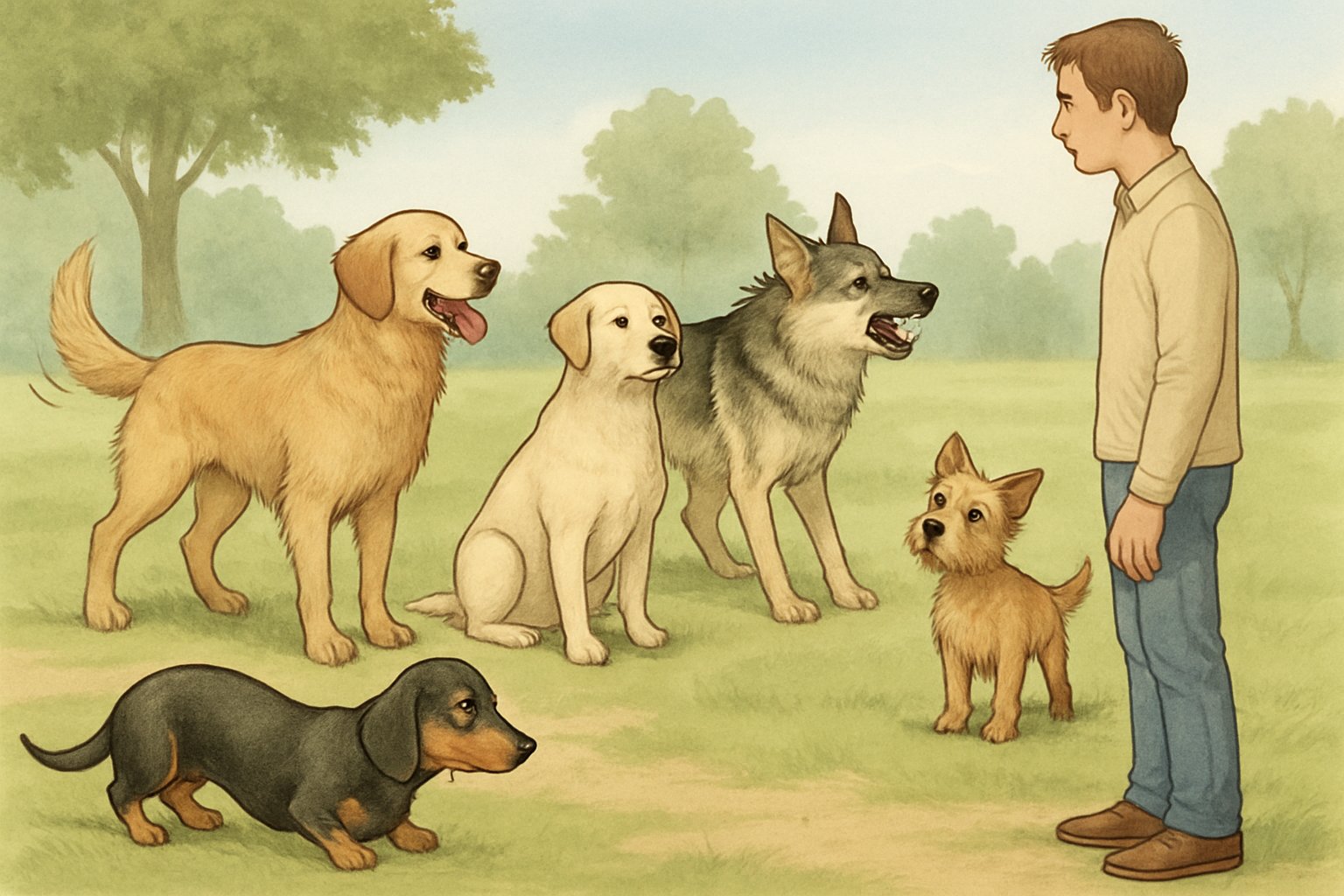
Dogs communicate through their entire body, from ears and tail to posture and facial expression. Paying attention to these signals can help owners spot when a dog feels content, uneasy, or defensive before problems occur.
Small details like tail position or how relaxed the eyes look often explain far more than a bark ever could.
Relaxed and Happy Dog Cues
A relaxed, happy dog often has loose muscles and a gently wagging tail. The wag typically moves in wide, sweeping motions rather than fast, stiff movements.
Their ears rest in a natural position, and their eyes appear soft with no visible whites. The mouth may hang slightly open, and the tongue might peek out when the dog feels calm.
According to the RSPCA Knowledgebase, relaxed posture means the dog feels safe and confident in its environment.
Playful dogs may perform a “play bow,” lowering their front legs while keeping the rear end raised. This is an invitation to engage, not a sign of submission.
A loose, wiggly body and a smooth gait also signal comfort. The key is noticing that movements appear easy, not rigid or tense.
Signs of Stress and Discomfort
When a dog feels uneasy, the signals often become subtle before escalating. Common early cues include lip licking, yawning when not tired, or turning the head away.
These are considered calming signals meant to reduce tension, as discussed in Appeasement Signals in Dogs. Other stress signs are a tucked tail, lowered body, and pinned-back ears.
The eyes may show more white, known as “whale eye,” which often means anxiety or uncertainty. Owners should also note shaking off when the dog isn’t wet.
This quick action often releases stress. A drooping body or slow movements show discomfort too.
Recognizing these mild signs helps prevent the dog from reaching higher levels of fear or defensive behavior.
Body Language Indicating Aggression or Fear
Aggression or fear can look different depending on the dog, but certain patterns repeat. A stiff, upright tail, forward ears, and a fixed stare often signal high arousal or challenge.
The Meowant guide on decoding dog signals explains that even a wagging tail, if stiff and high, may mean tension rather than friendliness. Growling, showing teeth, or freezing are warnings.
The body appears tight with weight shifted forward. Fearful dogs may show similar signs but with a lowered stance, tucked tail, and attempts to avoid eye contact.
In both cases, the dog asks for space and safety. Forcing contact increases risk.
Observing how the whole body moves—tail, eyes, mouth, and posture together—gives the clearest picture of what the dog truly feels.
Key Body Parts and What They Reveal
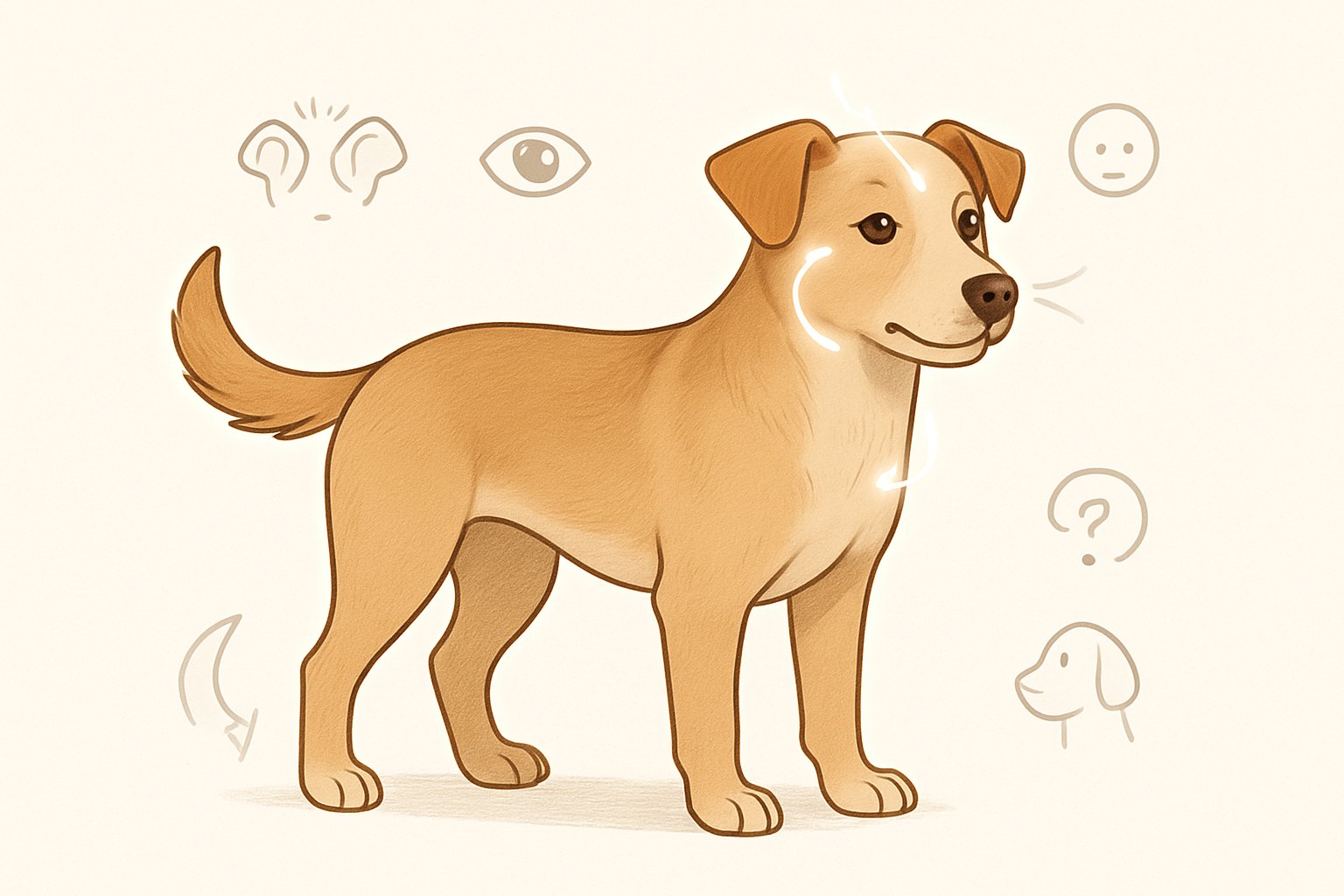
Dogs communicate emotions and intent through movements, posture, and small facial signals. Watching their tails, ears, eyes, and body stance helps people respond appropriately and build trust through calm, respectful interaction.
Tail Position and Movement Meanings
A dog’s tail acts as an emotional indicator. Its position, speed, and direction reveal how the dog feels in the moment.
A tail held high and stiff usually signals alertness or dominance, while a tucked tail shows fear or submission. When the tail hangs low but not tight, the dog may feel cautious or uncertain.
A loose, side-to-side wag generally expresses happiness. But not all wags mean the same thing.
Fast, tight wags with a rigid body can indicate tension or high energy. Slow or hesitant movements reflect careful evaluation of a situation.
According to PawView’s guide on dog tail wagging, even the direction can matter—dogs tend to wag more to the right when relaxed and to the left when alert or uneasy.
Observing these subtle tail changes helps identify comfort levels and prevent misunderstandings during play or greeting.
Ears and Eye Expressions
Dogs often “speak” with their ears and eyes. Ears perked up point to curiosity or attentiveness, while ears pulled back may suggest fear or submission.
Some breeds make this easier to read than others, but the general direction of movement still gives clues about emotional state.
The eyes also reveal a lot. Soft, relaxed eyes show calmness.
Wide eyes with visible whites, often called “whale eye,” suggest stress or discomfort. Sustained direct staring can feel threatening to dogs, while gentle blinking signals peace.
Owners who notice these eye and ear cues can adjust their tone or behavior to reduce anxiety and keep the dog comfortable. Recognizing subtle canine expressions allows for smoother interaction and helps avoid triggering unwanted reactions.
Postures and Physical Gestures
A dog’s overall body posture shows intent before sound or movement.
A balanced stance with loose muscles and a wagging tail usually points to confidence and friendliness.
In contrast, a stiff body with raised hackles signals alertness or potential aggression.
A lowered body or crouch often means fear, insecurity, or a desire to avoid a threat.
Other gestures also matter.
A dog that rolls onto its back may be seeking comfort or showing submission.
Leaning forward with an erect posture often shows high interest or challenge.
These postural shifts combine with tail and ear positioning to give a complete message about mood and behavior.