• Skip to main content
  • Skip to primary sidebar

superduperdog

superduperdog

Jason Huskey

Why I Think Dogs Are So Cute

March 26, 2023 by Jason Huskey

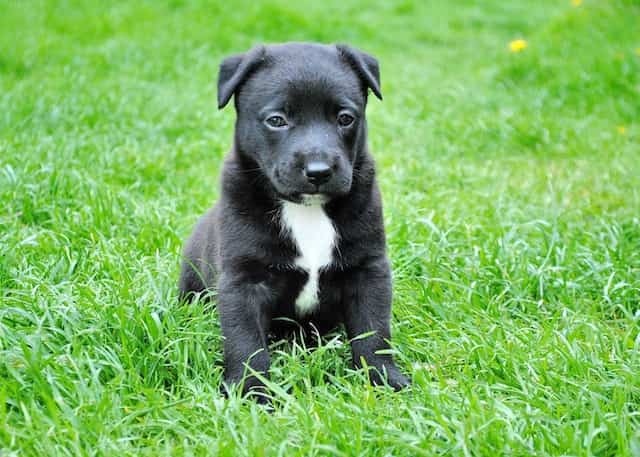
Photo by Pixabay: https://www.pexels.com/photo/dog-puppy-young-dog-59965/

Why I Think Dogs Are So Cute: A Singular Perspective

I have always been fascinated by the cuteness of dogs. Whether it’s their wagging tails, their adorable faces, or their playful nature, there’s just something about them that makes me smile. But have you ever stopped to wonder why dogs are so cute?

It turns out that there’s actually a scientific reason behind why we find dogs so adorable. According to researchers, dogs were created to be cute in order to better communicate with humans. Dogs have certain physical features, such as big eyes and floppy ears, that make them more appealing to us.

But it’s not just their physical appearance that makes dogs so cute. It’s also their behavior. Dogs are social creatures that have learned to interact with humans in a way that is endearing and charming. From their enthusiastic greetings to their playful antics, dogs have a way of making us feel loved and appreciated.
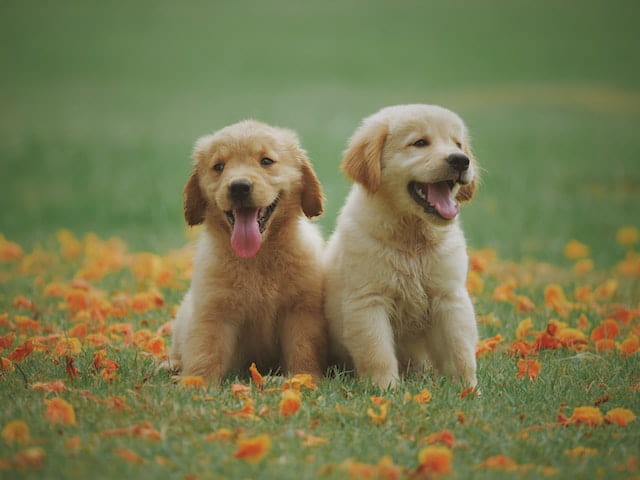
Photo by Chevanon Photography: https://www.pexels.com/photo/two-yellow-labrador-retriever-puppies-1108099/

The Science Behind Canine Cuteness

As a dog lover, I’ve often wondered why these furry creatures are so irresistibly cute. It turns out, there’s actually a scientific explanation for it!

Dogs have a way of communicating with us through their facial expressions. They have the ability to raise their eyebrows and make eye contact, which is something that many other animals cannot do. This creates a sense of connection between humans and dogs, which may contribute to their cuteness factor.

Research has also shown that looking at cute animals can actually make us feel happier and more relaxed. This is because when we see something cute, our brain releases dopamine, a chemical that is associated with pleasure and reward. So, it’s not just our imagination – dogs really do have the power to make us feel good!
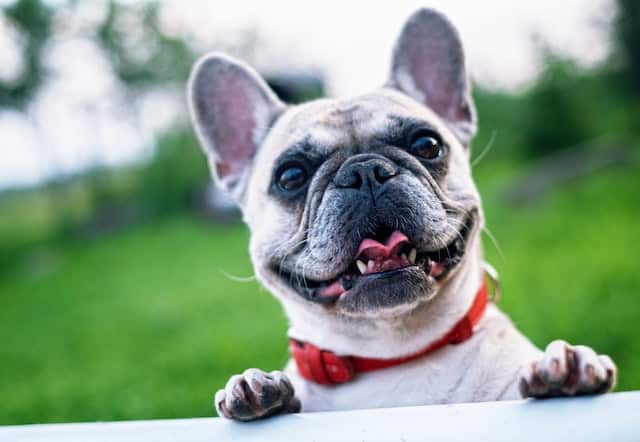
Photo by Pixabay: https://www.pexels.com/photo/white-short-coated-dog-160846/

Here’s a few paragraphs written by my dog!

As a dog, I have to admit that being cute has its perks. But it’s not just about getting extra belly rubs and treats.

One of the main advantages of being cute is that it increases an animal’s chances of survival. Cute animals tend to attract more attention and care from their parents or caretakers, which can help them stay alive and healthy. In the wild, baby animals with cute features are more likely to be protected by their parents and siblings, and are less likely to be abandoned or left behind.

Another advantage of being cute is that it can help animals form social bonds with others. Cute animals are often seen as more approachable and friendly, which can make it easier for them to interact with other animals and humans. This can be especially important for dogs, who rely on social bonds with their owners and other dogs for their emotional and physical well-being.

Additionally, being cute can help animals stand out and be recognized by others of their species. This can be important for mating purposes, as well as for establishing dominance or hierarchy within a group. For example, a cute puppy might be more likely to be chosen as the alpha dog in a pack, simply because other dogs find them more appealing and approachable.

Overall, being cute is not just a superficial trait – it has real advantages that have helped animals survive and thrive over the years. And as a dog, I have to say that I’m pretty grateful for my cute features!
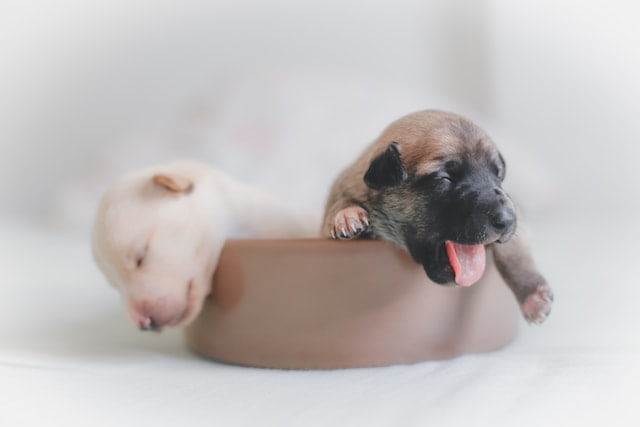
Photo by sergio souza: https://www.pexels.com/photo/two-puppies-on-brown-bowl-3198050/

So I fully acknowledge that this is a silly article! But us dog lovers like to have fun with our pets. In conclusion, there are many factors that contribute to a dog’s cuteness, from their physical features to their ability to communicate with us through facial expressions. Whatever the reason may be, it’s clear that dogs have a special place in our hearts, and their cuteness is just one of the many reasons why we love them so much.

Filed Under: Uncategorized

Why Do Dogs Have Whiskers

March 25, 2023 by Jason Huskey

Photo by Tanino: https://www.pexels.com/photo/close-up-photography-of-furry-dog-1191000/

Why Do Dogs Have Whiskers: Uncovering the Science Behind Canine Facial Hair

Dogs have an array of features that contribute to their remarkable senses, one of which are their whiskers. Whiskers, also known as vibrissae, play an essential role in a dog’s ability to navigate and interpret their surroundings.

These tactile hair-like structures are not simply an aesthetic addition to your canine companion’s face; they provide crucial sensory feedback for the dog’s daily activities. In this article, we will explore the reasons behind the existence of whiskers in dogs and how they function to enhance their perception of the world around them.

It is important to understand that whiskers are not unique to dogs – many mammals, including cats, seals, and rodents, also have vibrissae. These intriguing structures can be found on various areas of a dog’s face, such as above the eyes, on the muzzle, and near the jaw. They serve multiple purposes, which we will delve into in the following paragraphs.

Anatomy of Whiskers

Whiskers, also known as vibrissae, are specialized hair-like structures found on the muzzle of dogs and other mammals. They are thicker and stiffer than regular hairs, with each whisker embedded deep in the skin within a follicle packed with nerve endings.

There are four main types of whiskers on a dog’s face:

  • Mystacial whiskers: positioned on the upper lip, similar to a mustache.
  • Genal whiskers: located on the cheeks.
  • Supraorbital whiskers: found above the eyes.
  • Interramal tufts: found below the chin.

Whiskers are arranged in rows, and their numbers and patterns can vary according to the breed, genetics, and individual differences in dogs. They are typically curved, allowing them to remain sensitive to touch from any direction.

The base of each whisker houses nerve endings that transmit sensory information to the brain, allowing dogs to gather valuable data about their environment, such as detecting air currents, changes in pressure, and nearby obstacles. This sensory function plays a crucial role in a dog’s spatial awareness and decision-making.

Functions of Whiskers

Dog whiskers, also known as vibrissae, serve various essential functions that aid in their daily activities and interactions. These specialized sensory hairs are much thicker and longer than regular fur, providing dogs with valuable information about their surroundings.

Some main functions of whiskers include:

  • Navigation: Whiskers help dogs navigate their environment by detecting subtle changes in air currents, allowing them to avoid obstacles, even in low light conditions.
  • Protection: The whiskers above the eyes act as a protective mechanism, reacting to nearby objects and triggering a blink reflex to shield the eyes from potential harm.
  • Spatial awareness: The whiskers on a dog’s muzzle give them a better sense of the distance and location of objects, helping them avoid collisions and judge the size of openings or gaps.
  • Social cues: Whiskers also play a role in communication, as they can convey emotions such as fear or aggression. The positioning of a dog’s whiskers can help other animals and humans understand their mood or intentions.

Overall, whiskers act as an essential sensory tool that enables dogs to better understand and adapt to their environment, enhancing their safety and social interactions.

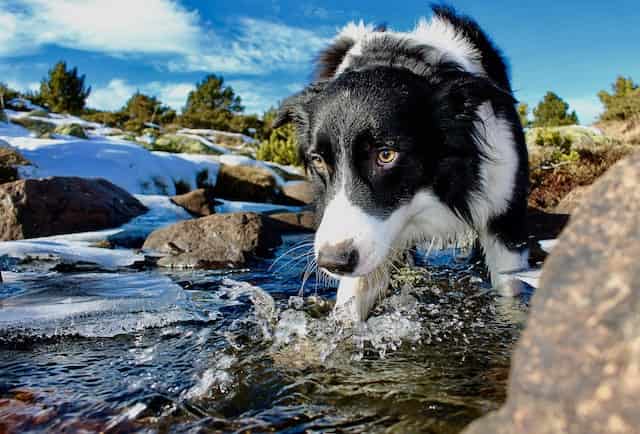
Photo by joan montaner: https://www.pexels.com/photo/close-up-photo-of-water-on-river-1626219/

Importance in Dog’s Daily Life

Whiskers, also known as vibrissae, play a crucial role in a dog’s daily life. They serve as sensory organs that provide the dog with valuable information about their environment, helping them navigate, investigate, and communicate with others.

Some of the essential functions of whiskers include:

  • Navigating in the dark: Vibrissae can detect subtle changes in air currents, allowing dogs to sense nearby objects without touching them. This is particularly helpful when it is dark, enabling dogs to navigate with more confidence.
  • Measuring aperture: By brushing their whiskers against the sides of an opening, dogs can determine whether they can fit through it. This helps to prevent them from getting stuck in tight spaces.
  • Detecting prey: When a dog is following a scent, its whiskers work alongside its nose to detect vibrations caused by potential prey, increasing its chances of finding its target.
  • Expressing emotions: Dogs use their whiskers to communicate their emotional state to other dogs and humans. For example, a dog may pull its whiskers back to appear friendly or push them forward to signal aggression.

Overall, whiskers are an essential part of a dog’s sensory system, contributing significantly to their ability to navigate, investigate and interact with their surroundings and other beings.

Caution When Grooming

When grooming your dog, it’s crucial to be mindful of their whiskers, as they play an essential role in their sensory abilities. Cutting or trimming a dog’s whiskers can cause them to become disoriented and stressed.

Here are some valuable tips for grooming your dog while preserving their whiskers:

  • Always use tools designed specifically for pet grooming, such as brushes with soft bristles.
  • When using scissors, trim your dog’s fur with caution, ensuring that you avoid cutting whiskers by accident.
  • If your dog requires professional grooming, select a reputable groomer and inform them about the importance of your dog’s whiskers.
  • Examine your dog’s whiskers during grooming sessions and clean them gently, taking care not to pull or tug.

By being attentive and gentle during the grooming process, you can maintain the health and function of your pet’s whiskers, ensuring that they can continue to navigate their environment safely and effectively.

Conclusion

In summary, dogs have whiskers to enhance their sensory abilities, allowing them to navigate their environments better and detect changes in their surroundings. Whiskers, also known as vibrissae, enable dogs to gather information about nearby objects, air movements, and even the emotions of their human handlers.

Understanding the importance of whiskers for your dog’s overall well-being and sensory abilities is crucial for dog owners. It is essential to refrain from trimming or removing a dog’s whiskers to prevent any negative impacts on their day-to-day lives.

Ultimately, whiskers are a fascinating and functional aspect of a dog’s anatomy, serving as valuable tools for communication, navigation, and socialization. Respecting and maintaining your dog’s whiskers can contribute to a happier and more confident furry companion.

Filed Under: Uncategorized

  • « Go to Previous Page
  • Page 1
  • Interim pages omitted …
  • Page 10
  • Page 11
  • Page 12

Primary Sidebar

A Labradoodle dog with a fluffy coat being gently groomed with a brush and scissors, with grooming supplies nearby.

How to Prevent Matting in Labradoodle Coats: Easy Grooming Solutions

Understanding Why Labradoodle Coats Mat A Labradoodle coat tangles easily because of its … [Read More...] about How to Prevent Matting in Labradoodle Coats: Easy Grooming Solutions

A Labradoodle dog sitting with a child and family members in a cozy living room, showing a warm and friendly interaction.

Are Labradoodles Good Family Dogs? Honest Pros and Cons Guide

Labradoodle as a Family Dog: The Essentials The labradoodle combines traits from the Labrador … [Read More...] about Are Labradoodles Good Family Dogs? Honest Pros and Cons Guide

A Labradoodle dog standing calmly with subtle highlights on its joints, skin, and eyes indicating common genetic health issues.

Labradoodle Health Issues Every Owner Should Watch For: Key Risks & Prevention

Genetic and Inherited Health Problems Some labradoodle health problems start at the genetic … [Read More...] about Labradoodle Health Issues Every Owner Should Watch For: Key Risks & Prevention

Three Labradoodles of different sizes standing side by side, showing small, medium, and large dogs for comparison.

Labradoodle Size Guide: Mini, Medium, and Standard Explained Clearly

Labradoodle Size Categories and Key Differences Labradoodle size affects daily care, space … [Read More...] about Labradoodle Size Guide: Mini, Medium, and Standard Explained Clearly

A Labradoodle sitting calmly next to various grooming brushes, shampoos, and tools arranged on a surface.

Best Brushes, Shampoos, and Tools for Labradoodles: Groom your Doodle Right

Choosing the Best Brushes for Labradoodles Labradoodles have coats that range from wavy to … [Read More...] about Best Brushes, Shampoos, and Tools for Labradoodles: Groom your Doodle Right

A Labradoodle dog attentively sitting in a training room, looking at a trainer holding a treat and giving a hand signal.

Labradoodle Training Tips for Smart but Easily Distracted Dogs: Essential Strategies for Focus and Obedience

Creating a Focused Foundation for Your Labradoodle A Labradoodle learns best when training … [Read More...] about Labradoodle Training Tips for Smart but Easily Distracted Dogs: Essential Strategies for Focus and Obedience

A Labradoodle dog is shown with scenes around it illustrating common behavior problems like chewing furniture, barking, jumping, and pulling on the leash, alongside people calmly correcting these behaviors indoors and outdoors.

Common Labradoodle Behavior Problems (and How to Fix Them): Practical Solutions for a Happier Dog

Most Common Labradoodle Behavior Problems Many Labradoodle behavior problems come from high … [Read More...] about Common Labradoodle Behavior Problems (and How to Fix Them): Practical Solutions for a Happier Dog

Side-by-side images of Labradoodle puppies playing and adult Labradoodles standing calmly, showing differences in size and appearance.

Labradoodle Puppies vs. Adults: What to Expect as They Grow

Key Differences Between Labradoodle Puppies and Adults Labradoodle puppies and adult dogs … [Read More...] about Labradoodle Puppies vs. Adults: What to Expect as They Grow

A Labradoodle dog being groomed by a professional in a clean grooming salon with grooming tools and a calendar showing regular grooming intervals.

Labradoodle Grooming Guide: How Often, Cost, and Money-Saving Tips

How Often to Groom a Labradoodle and What It Costs Labradoodles need regular grooming to stay … [Read More...] about Labradoodle Grooming Guide: How Often, Cost, and Money-Saving Tips

Illustration showing Labradoodles of different ages and sizes with icons representing various exercise activities and durations.

How Much Exercise Does a Labradoodle Actually Need? Essential Daily Routines & Best Activities

Labradoodle Exercise Requirements by Age and Size Labradoodle exercise needs change as the … [Read More...] about How Much Exercise Does a Labradoodle Actually Need? Essential Daily Routines & Best Activities

Categories

  • Border Collies
  • Uncategorized

Superduperdog.com - Copyright © 2026