• Skip to main content
  • Skip to primary sidebar

superduperdog

superduperdog

Border Collies

Do Border Collies Like Water? Exploring Their Natural Instincts and Preferences

June 20, 2023 by Julia Huskey

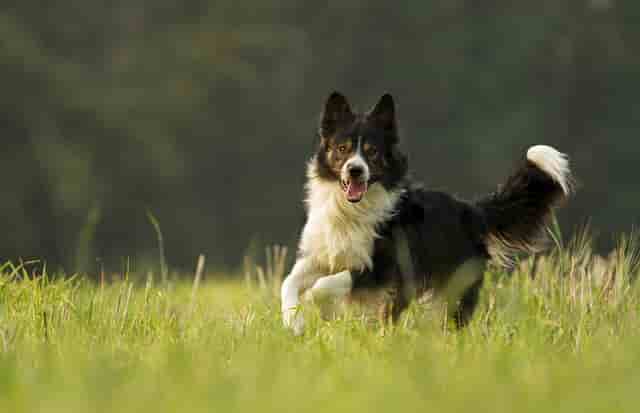
Image by Kev from Pixabay

Some border collies are natural swimmers and thoroughly enjoy spending time in the water. They may enjoy swimming in a pool or lake, chasing after toys or sticks thrown into the water. However, not all border collies are comfortable in the water, and some may even be afraid of it.

Border Collies and Water

Natural Swimmers

Border Collies are known for their intelligence and athleticism. They are a breed that enjoys being active and participating in various activities. One of these activities is swimming. Border Collies are natural swimmers and usually enjoy being in the water. They have a double coat that helps keep them warm, which makes them able to swim in colder waters.

Do Border Collies Like Water?

Border Collies are known for their love of water. They enjoy playing in the water and are not afraid to swim. However, not all Border Collies are the same. Some may not like water due to bad experiences or fear of the unknown. It is important to introduce your Border Collie to water at a young age and with patience.

Image by Jindřich Vízek from Pixabay

Swimming and Exercise

Swimming is a great form of exercise for Border Collies. It is a low-impact exercise that helps build endurance and strengthens their muscles. Swimming is also a great way to cool off during warm weather. However, it is important to monitor your Border Collie’s exposure to water and make sure they do not get too tired or cold.

When introducing your Border Collie to swimming, it is important to start in shallow water and gradually increase the depth. You can use a kiddie pool or take them to a lake or beach. It is also recommended to use a life jacket or life vest for safety measures, especially for puppies or older dogs with hip dysplasia or arthritis.

Training Border Collies to Swim

Start Slowly

The first step in training your Border Collie to swim is to start slowly. Begin by introducing your dog to shallow water, such as a kiddie pool or a calm lake shore. Allow your dog to explore the water at their own pace. You can encourage them to enter the water by tossing a toy or treat in the water.

Gradually Increase Exposure

As your Border Collie becomes more comfortable in the water, gradually increase their exposure to deeper water. Always supervise your dog when they are swimming and make sure they are not overexerting themselves. If your dog seems hesitant or scared, take a step back and continue training in shallower water.

Use Treats and Positive Reinforcement

Positive reinforcement is key when training your Border Collie to swim. Use treats and praise to reward your dog for entering and swimming in the water. This will help create a positive association with swimming and encourage your dog to continue the behavior.

Consider a Life Jacket

If your Border Collie is still learning to swim or is not a strong swimmer, consider using a life jacket. This will provide extra buoyancy and support, making it easier for your dog to swim and reducing the risk of exhaustion or drowning.

Remember, every dog is different and may require different approaches to training. With patience and positive reinforcement, you can help your Border Collie become a confident and happy swimmer.

Image by Katrin B. from Pixabay

Swimming Safety for Border Collies

Border Collies are known for their love of physical activity and are often excellent swimmers. However, it is important to take safety measures when introducing your Border Collie to water. Here are some tips to make sure your dog stays safe while enjoying the water.

Watch for Signs of Panic or Fatigue

It is important to keep an eye on your dog at all times while they are in the water. Signs of panic or fatigue can be subtle, so it is important to be vigilant. If your dog is struggling to keep their head above water, or if they seem to be struggling to swim, it is time to take a break and let them rest.

Be Mindful of Water Temperature

Water temperature can play a big role in your dog’s safety while swimming. Cold water can cause hypothermia, while hot water can cause heat stroke. Make sure to monitor the water temperature and adjust your dog’s swimming time accordingly.

Keep Your Dog on a Leash

Keeping your dog on a leash while they are swimming can help prevent them from getting into dangerous situations. It can also help you keep track of your dog’s location in the water.

Consider Water Sports

If your Border Collie loves to swim, consider introducing them to water sports such as dock diving or water retrieving. These activities can be a great way to keep your dog active and engaged while also helping them build confidence in the water.

Take Care of Your Dog’s Coat and Joints

After your dog has been swimming, it is important to dry them off thoroughly to prevent skin irritation. You should also pay attention to their joints, as swimming can put a lot of strain on them. Make sure to give your dog plenty of breaks and encourage them to rest if they seem to be getting tired.

By following these tips, you can help ensure that your Border Collie stays safe and happy while enjoying the water.

Image by Kayla from Pixabay

Frequently Asked Questions

Do Border Collies enjoy swimming?

Some Border Collies enjoy swimming, while others do not. It depends on the individual dog’s personality and preferences. If your Border Collie seems hesitant or scared around water, do not force them to swim.

Do Border Collies like to play in the water?

Many Border Collies love to play in the water. They may enjoy chasing after toys or splashing around. However, it is important to supervise your dog around water to ensure their safety.

Are Border Collies good swimmers?

Border Collies are generally good swimmers due to their athletic build and strong legs. However, not all Border Collies are natural swimmers, and some may need to be taught how to swim properly.

Do Border Collies like to fetch toys from the water?

Many Border Collies enjoy retrieving toys from the water. This can be a fun activity for both the dog and their owner. However, be sure to use toys that are safe for water use and supervise your dog at all times.

Do Border Collies like to cool off in the water?

Border Collies can overheat easily, especially during hot weather. Cooling off in the water can be a great way for them to regulate their body temperature. However, be sure to monitor your dog’s behavior and never leave them unattended near water.

Do Border Collies need to be trained to swim?

Some Border Collies may need to be trained to swim properly. It is important to introduce your dog to water gradually and in a positive manner. Start with shallow water and use positive reinforcement techniques to encourage your dog to swim.

Are Border Collies Good With Kids?

Border Collies possess intelligence, energy, and loyalty, making them a suitable choice for families with children. However, it’s crucial to bear in mind that each dog has its own unique personality. Therefore, it’s essential to socialize and train them correctly to guarantee their comfort and safety around kids. Additionally, it’s vital to monitor interactions between children and dogs to avoid any mishaps or misunderstandings.

Filed Under: Border Collies

How Much Are Border Collies? A Comprehensive Guide to Their Price Range

June 20, 2023 by Julia Huskey

Image by Jacqueline Galand from Pixabay

Border Collies are a popular breed of dog known for their intelligence, energy, and trainability. If you are considering adding a Border Collie to your family, one of the first things you may be wondering is how much they cost. The answer to this question can vary depending on several factors, including whether you purchase from a breeder or adopt from a shelter, the age of the dog, and where you live.

On average, the cost of a Border Collie can range from $600 to $1,200, with some breeders charging up to $4,000 for a purebred puppy with champion bloodlines. Adoption fees from a shelter or rescue organization are typically much lower, ranging from $100 to $300. It’s important to note that the upfront cost of purchasing or adopting a Border Collie is just the beginning of the financial commitment required to care for and maintain a happy and healthy pet. Other factors to consider include food, toys, grooming supplies, medical care, and training.

The Cost of Border Collies

Factors that Affect the Cost of Border Collies

The cost of a border collie can vary depending on several factors, including:

  • Age: Puppies are generally more expensive than adult dogs.
  • Breed: Purebred border collies are typically more expensive than mixed-breed dogs.
  • Location: The cost of a border collie can vary depending on where you live.
  • Breeder: Reputable breeders may charge more for their dogs than less reputable breeders.
  • Training: Dogs that have already been trained may cost more than untrained dogs.
Image by Katrin B. from Pixabay

Average Price of Border Collies

Upfront Costs

In addition to the cost of the dog itself, there are several other upfront costs to consider when getting a border collie. These can include:

  • Supplies: You’ll need to purchase food, bowls, a leash, a collar, toys, and other supplies for your new dog.
  • Veterinary care: Your dog will need to be vaccinated and spayed or neutered, which can cost several hundred dollars.
  • Training: If you plan on training your dog, you may need to invest in training classes or books.

Monthly Costs

In addition to the upfront costs, there are also ongoing monthly costs associated with owning a border collie. These can include:

  • Food: High-quality dog food can cost $50 or more per month.
  • Grooming: Border collies have thick coats that require regular grooming, which can cost $50 or more per month.
  • Veterinary care: Your dog will need regular checkups and preventative care, which can cost $50 or more per month.

Cost of Owning a Border Collie

Overall, the cost of owning a border collie can vary depending on the factors listed above. However, you should plan on spending several thousand dollars per year to care for your dog. It’s important to budget for these costs before getting a border collie to ensure that you can provide the best possible care for your new pet.

Image by SnottyBoggins from Pixabay

Finding a Border Collie

Shelter Adoption

Adopting a Border Collie from a shelter is a great way to give a dog a second chance at a happy life. Shelters often have a variety of dogs, including purebred Border Collies. Adopting from a shelter is also generally less expensive than purchasing from a breeder. Additionally, many shelters will have already spayed or neutered the dog, saving you the cost and hassle of doing it yourself.

Reputable Breeders

If you decide to purchase a Border Collie from a breeder, it’s important to find a reputable one. A reputable breeder will prioritize the health and well-being of their dogs and will be knowledgeable about the breed. They will also be happy to answer any questions you have and may even offer a health guarantee for your new puppy.

When looking for a breeder, be sure to ask for references and visit the breeder’s facility in person. Look for signs of cleanliness and good care, and make sure the dogs have plenty of space to run and play.

Rescue Organizations

Another option for finding a Border Collie is through a rescue organization. These organizations specialize in finding homes for dogs that have been abandoned, surrendered, or otherwise in need of a new home. Like shelters, rescue organizations often have purebred Border Collies available for adoption.

When considering adopting from a rescue organization, be sure to ask about the dog’s history and any special needs they may have. Many rescue organizations will also conduct a home visit to ensure the dog will be going to a safe and loving home.

No matter which option you choose, always remember to do your research and make sure you’re prepared for the responsibility of owning a Border Collie. With proper care and training, a Border Collie can make a wonderful addition to any family.

Caring for Your Border Collie

Border Collies are intelligent and energetic dogs that require a lot of care and attention. To ensure that your Border Collie remains healthy and happy, you need to provide proper care, nutrition, and training. In this section, we will discuss some important aspects of caring for your Border Collie.

Feeding and Nutrition

Feeding your Border Collie a healthy and balanced diet is crucial for their overall health and well-being. You should provide your pet with high-quality food that is specifically formulated for their breed and size. It is recommended to feed your Border Collie twice a day, and to avoid overfeeding them as they are prone to obesity.

Image by Aleksandr Tarlõkov from Pixabay

Grooming

Border Collies have a thick and long coat that requires regular grooming to keep it healthy and shiny. Brushing your dog’s coat at least once a week can help prevent matting and tangling. You should also bathe your Border Collie once a month, or as needed. Additionally, regular nail trimming, teeth brushing, and ear cleaning are essential for maintaining your dog’s hygiene.

Training

Border Collies are highly intelligent and trainable dogs that require mental stimulation and exercise. Early socialization and obedience training can help prevent behavioral problems such as aggression and anxiety. Positive reinforcement techniques such as rewards and praise are effective in training your Border Collie.

Socialization

Socializing your Border Collie from a young age can help them become well-adjusted and friendly pets. You should expose your dog to children, animals, and environments to prevent them from becoming fearful or aggressive. Regular playtime and interaction with other dogs can also help improve your Border Collie’s social skills.

Exercise

Border Collies are energetic dogs that require daily exercise to keep them healthy and happy. You should provide your pet with plenty of opportunities to run, play, and explore. A daily walk, jog, or play session can help prevent boredom and destructive behavior.

Medical Care

Border Collies are generally healthy dogs, but they may be prone to certain health issues such as Collie Eye Anomaly and Hip Dysplasia. Regular veterinary check-ups, vaccinations, and deworming are essential for maintaining your dog’s health. Additionally, microchipping, spaying, and neutering can help prevent unwanted litters and health issues.

Image by April Reid from Pixabay

Conclusion

In conclusion, the cost of a Border Collie can vary depending on several factors, including the breeder, location, and lineage. Generally, you can expect to pay between $500 and $2,500 for a purebred Border Collie puppy. However, it is essential to note that the upfront cost is only a small part of the total cost of owning a Border Collie.

When considering the cost of a Border Collie, it is crucial to factor in ongoing expenses such as food, grooming, vaccinations, and vet bills. These costs can add up quickly, and it is essential to be financially prepared for the long-term commitment of owning a Border Collie.

It is also worth noting that purchasing a Border Collie from a reputable breeder can help ensure that you are getting a healthy and well-socialized puppy. While it may be tempting to opt for a cheaper puppy from a less reputable breeder, it is important to consider the potential health and behavioral issues that may arise.

Overall, while the cost of a Border Collie may seem high, the joy and love that they bring to their owners can be priceless. With proper planning and budgeting, owning a Border Collie can be a rewarding and fulfilling experience.

Frequently Asked Questions

What is the average price of a Border Collie?

The average price of a Border Collie can vary depending on several factors, such as the breeder, location, and lineage. On average, you can expect to pay between $600 to $1,200 for a Border Collie puppy from a reputable breeder.

Where can I find Border Collies for sale?

You can find Border Collies for sale from reputable breeders, animal shelters, and rescue organizations. It is important to do your research and only purchase from a reputable breeder or adopt from a reputable organization.

Are Border Collies a good choice for a pet?

Border Collies can make great pets for the right owner. They are highly intelligent, active, and require a lot of exercise and mental stimulation. They are also known for their loyalty and affectionate nature. However, they may not be the best choice for everyone, especially those who do not have the time or resources to provide them with the necessary exercise and training.

Image by Helga from Pixabay

Do Border Collies shed a lot?

Yes, Border Collies do shed a lot. They have a thick double coat that sheds seasonally and requires regular grooming to keep it healthy and free of mats.

Do Border Collies bark excessively?

Border Collies are known for their vocal nature and may bark more than some other breeds. However, excessive barking can be prevented through proper training and socialization.

What is the yearly cost of owning a Border Collie?

The yearly cost of owning a Border Collie can vary depending on several factors, such as food, grooming, veterinary care, and training. On average, you can expect to spend between $1,000 to $1,500 per year on a Border Collie. It is important to budget accordingly and provide your dog with the necessary care to keep them healthy and happy.

Filed Under: Border Collies

Are Border Collies Hypoallergenic? The Truth About This Popular Breed and Allergies

June 20, 2023 by Julia Huskey

Image by 4924546 from Pixabay

For individuals with allergies, owning a dog can be a challenge. Many people wonder if Border Collies are hypoallergenic, meaning they produce fewer allergens and are less likely to cause an allergic reaction.

Unfortunately, Border Collies are not considered hypoallergenic. They have a thick double coat that sheds frequently, which can cause allergies to flare up in sensitive individuals. While no dog breed is completely hypoallergenic, some breeds are better suited for people with allergies than others. It is important to note that allergies can vary from person to person, and some people may be more sensitive to certain breeds than others.

Hypoallergenic Dogs

Here is a list of hypoallergenic dog breeds:

  1. Poodle
  2. Bichon Frise
  3. Portuguese Water Dog
  4. Soft Coated Wheaten Terrier
  5. Maltese
  6. Schnauzer (Miniature, Standard, and Giant)
  7. Yorkshire Terrier
  8. Shih Tzu
  9. Havanese
  10. Kerry Blue Terrier
  11. Chinese Crested
  12. Afghan Hound
  13. Basenji
  14. Bedlington Terrier
  15. Irish Water Spaniel

It’s important to note that while these breeds are considered hypoallergenic, no dog is completely allergen-free. People with allergies should spend time with the dog they are considering adopting to see if they have a reaction. Additionally, regular grooming and cleaning can help reduce allergens in the home.

Overview of Border Collies

Border Collies are a breed of working dogs that are known for their intelligence, agility, and obedience. They were originally bred for herding sheep in the border region between England and Scotland, hence their name. Today, they are popular pets and are used in a variety of working roles, including search and rescue, therapy, and agility competitions.

Appearance

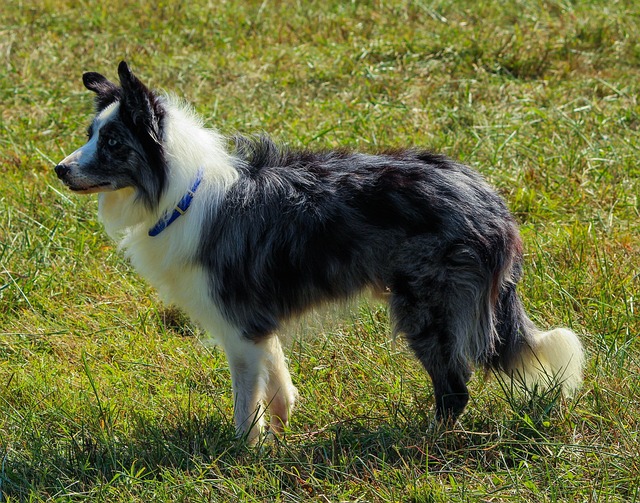
Border Collies are medium-sized dogs that typically weigh between 30 and 55 pounds. They have a distinctive coat that is usually black and white, but can also be red and white, blue and white, or tricolored. Their coat is thick and requires regular grooming to prevent matting and tangling.

Temperament

Border Collies are highly intelligent and energetic dogs that require a lot of exercise and mental stimulation. They are known for their loyalty and affection towards their owners, but can be reserved towards strangers. They are also highly trainable and excel in obedience and agility competitions.

Border Collies are not considered to be hypoallergenic. They shed moderately and require regular grooming, which can help to reduce the amount of dander and hair that they produce. However, they are not recommended for people with severe allergies to dogs.

Overall, Border Collies are a popular breed of working dogs that are known for their intelligence, agility, and obedience. They have a distinctive coat and require regular grooming to maintain their appearance. While they are not considered to be hypoallergenic, they are suitable for people with mild allergies to dogs.

Understanding Hypoallergenic Dogs

What Does Hypoallergenic Mean?

When we talk about hypoallergenic dogs, we are referring to dogs that are less likely to cause allergic reactions in humans. This does not mean that they are completely allergen-free, but rather that they produce fewer allergens than other breeds.

Allergens are substances that cause allergic reactions in humans. In the case of dogs, allergens can come from a variety of sources, including their fur, dander, and saliva. Some breeds produce more allergens than others, and this is where the term hypoallergenic comes in.

Image by Laureetta Williams from Pixabay

Factors That Affect Hypoallergenicity

There are several factors that can affect a dog’s hypoallergenicity. One of the most important is shedding. Dogs that shed a lot of fur are more likely to produce allergens, as the allergens can become airborne and spread throughout the home. Breeds that shed less, such as Poodles and Bichon Frises, are often considered more hypoallergenic.

Another factor is the amount of dander that a dog produces. Dander is made up of tiny flakes of skin that are shed by dogs and can also contain allergens. Breeds that produce less dander, such as the Basenji and the Portuguese Water Dog, are often considered more hypoallergenic.

It’s also important to note that allergens are not just found in a dog’s fur and dander. They can also be found in a dog’s saliva and urine. Breeds that drool a lot, such as the Saint Bernard, may be more likely to cause allergic reactions in humans.

In conclusion, while no dog breed is completely hypoallergenic, some breeds are less likely to cause allergic reactions than others. If you or someone in your household suffers from pet allergies, it’s important to do your research and choose a breed that is compatible with your needs.

Border Collies and Allergies

Border Collie Coat and Allergens

Border Collies have a double coat, which means they shed quite a bit. The undercoat is soft and dense, while the outer coat is coarser and longer. This combination of hair types can trap allergens, such as pollen, dust, and dander, making it difficult for allergy sufferers to be around them.

While Border Collies are not considered hypoallergenic dogs, they are not known to produce excessive amounts of dander, which is the primary allergen that dogs produce. However, people with severe allergies may still experience symptoms around Border Collies.

Grooming Border Collies to Reduce Allergens

Grooming your Border Collie can help reduce allergens in your home. Regular brushing and combing can help remove loose hair, dirt, and dander from their coat. Bathing your Border Collie once a month can also help reduce allergens.

When grooming your Border Collie, it is essential to use the right tools. A slicker brush can help remove loose hair and dirt, while a metal comb can help remove tangles and mats. You may also want to consider using an air purifier in your home to help reduce allergens.

Image by Laureetta Williams from Pixabay

Managing Allergies Around Border Collies

If you or someone in your household suffers from allergies, you may be wondering if a Border Collie is a good fit for your family. While no dog breed is completely hypoallergenic, there are steps you can take to manage allergies around your Border Collie.

Cleaning Up After Your Border Collie

One of the most important steps in managing allergies around your Border Collie is to keep a clean home. Regularly vacuuming your carpets and using a HEPA air purifier can help reduce allergens in the air. It’s also important to bathe your Border Collie regularly with a mild shampoo to reduce dander and other allergens on their coat.

Reducing Allergens in Your Home

In addition to cleaning, there are other steps you can take to reduce allergens in your home. Using hard floors instead of carpet can help reduce the amount of pet hair and dander in your home. You can also use air filters in your home to help reduce allergens in the air. If your Border Collie has accidents in the house, it’s important to clean them up promptly to reduce the amount of urine and other allergens in your home.

Other Tips for Managing Allergies Around Border Collies

Here are a few additional tips for managing allergies around your Border Collie:

  • Use a hair blower to remove dead undercoat and reduce shedding
  • Keep your Border Collie away from pollen and other allergens when possible
  • If you suffer from allergies, talk to your doctor about medications or other treatments that may help

By taking these steps, you can help reduce the amount of allergens in your home and manage allergies around your Border Collie.

Frequently Asked Questions

Are Border Collies good for allergy sufferers?

Border Collies are not hypoallergenic dogs, which means they can trigger allergies in some people.

Image by Myriams-Fotos from Pixabay

Do Border Collies shed a lot of fur?

Border Collies have a moderate shedding rate, which means they shed their fur throughout the year. However, they shed more during the spring and fall seasons when they lose their undercoat. Regular grooming and brushing can help reduce shedding and minimize allergens.

What are Border Collies most allergic to?

Border Collies can be allergic to various things, including pollen, dust, mold, and certain foods. They can also develop skin allergies due to fleas, mites, or other parasites.

Are Border Collies high for dander?

Border Collies produce some dander, which is the dead skin cells that dogs shed. Regular grooming and bathing can help reduce dander levels and minimize allergic reactions.

Image by kalhh from Pixabay

What are common Border Collie food allergies?

Border Collies can develop food allergies to various ingredients, including beef, chicken, dairy, soy, and grains. Symptoms of food allergies can include skin irritation, vomiting, and diarrhea. If you suspect your Border Collie has a food allergy, consult with your veterinarian.

Can Border Collies have skin allergies?

Yes, Border Collies can develop skin allergies due to various factors, including flea bites, environmental allergens, and food allergies. Symptoms of skin allergies can include itching, redness, and inflammation. Consult with your veterinarian if you suspect your Border Collie has a skin allergy.

Are border collies good with kids?

Due to their intelligence, energy, and loyalty, Border Collies are often a great fit for families with kids. Nevertheless, it’s important to remember that every dog has its own distinct personality. As a result, it’s critical to properly socialize and train them to ensure their safety and comfort around children. Moreover, it’s vital to supervise interactions between kids and dogs to prevent any accidents or miscommunications.

Filed Under: Border Collies

Are Border Collies Good with Kids? Here’s What You Need to Know

June 20, 2023 by Jason Huskey

Image by Kev from Pixabay

Border Collies are known for their intelligence, energy, and work ethic. They are a popular breed of dog that is often used for herding livestock, as well as for other tasks that require a high level of intelligence and obedience. However, many people wonder if Border Collies are good with kids.

While Border Collies are not typically aggressive towards children, their high energy levels and herding instincts can sometimes make them difficult to handle around kids. They may be prone to nipping or herding children, which can be dangerous if not properly managed. Additionally, Border Collies require a lot of exercise and mental stimulation, which can be difficult for some families to provide.

Despite these potential challenges, many Border Collies are wonderful with children when properly trained and socialized. They can be loving, loyal, and protective of their families, and can make great companions for kids who are active and enjoy spending time outdoors. With the right training and care, Border Collies can be a great addition to any family with children.

Are Border Collies Good with Kids?

Temperament and Behavior

Border Collies are known for their intelligence, energy, and herding instincts. They are highly trainable and obedient, making them great family pets. However, their intense drive and hyperactive nature can sometimes lead to behavioral issues, such as nipping and chasing.

When properly trained and socialized, Border Collies can be affectionate, loyal, and protective of their families. They are generally good with kids, but it is important to establish boundaries and teach kids how to interact with them safely.

Training and Socialization

Border Collies require proper training and socialization from an early age to prevent behavioral issues. They respond well to positive reinforcement and obedience training, and thrive on mental stimulation and work ethic.

Socializing Border Collies with other dogs, people, and pets is also important to prevent anxiety and aggression. They do well in homes with a consistent routine and clear house rules.

Exercise and Energy Level

Border Collies are highly active and require daily exercise and mental stimulation. They do well in homes with a yard or access to outdoor activities, such as hiking or agility training.

Their energy level can sometimes be too much for small children, but with proper training and exercise, they can make great companions for families with older kids.

Grooming and Health

Border Collies have a medium-sized coat that requires regular brushing to prevent tangles and shedding. They are generally healthy, but can be prone to hip dysplasia and epilepsy.

Dental care and regular check-ups with a veterinarian are important to ensure their overall health and well-being.

Image by Kev from Pixabay

Temperament and Behavior

Friendly and Affectionate

Border Collies are known for their friendly and affectionate nature, making them great companions for kids. They are highly social and thrive on human interaction. Moreover, they are highly trainable and eager to please their owners, which makes them easy to handle around children.

Protective Instincts

Border Collies have a strong protective instinct and will do everything in their power to protect their family, including children. They are highly alert and vigilant, which makes them great watchdogs. However, this protective instinct can sometimes lead to overprotectiveness or aggression towards strangers, so it is important to socialize them from an early age.

Nipping and Chasing

Border Collies have a natural herding instinct, which means they may nip or chase kids while playing. While this behavior is not necessarily harmful, it can be frightening for young children. Therefore, it is important to train them to control this behavior and teach kids how to interact with them safely.

Training and Socialization

Image by Andrés Carlo from Pixabay

Obedience Training

Border collies are highly intelligent dogs that are eager to please their owners. As such, they respond well to obedience training. It is important to start training your border collie at a young age to ensure that they grow up to be well-behaved and obedient. Positive reinforcement techniques, such as treats and praise, are effective with this breed.

Proper Socialization

Socialization is crucial for any breed of dog, but especially for border collies. They can be prone to anxiety and fear if not properly socialized. Expose your border collie to different people, animals, and environments from a young age to ensure they are comfortable in a variety of situations.

Teaching Kids

Border collies can make great family pets, but it is important to teach kids how to interact with them properly. Children should be taught to respect the dog’s space and not to pull on their tail or ears. It is also important to teach kids how to properly handle and play with the dog.

Exercise and Energy Level

High Energy Level

Border Collies are known for their high energy levels. They are an active breed that needs plenty of exercise to keep them happy and healthy. This means that they may not be the best fit for families who are looking for a more laid-back dog. Border Collies are always ready to play and run around, and they have the stamina to keep going for hours.

Need for Exercise

Because of their high energy levels, Border Collies need plenty of exercise every day. This can come in the form of long walks, runs, or playtime in the backyard. Without enough exercise, they can become restless and destructive. It’s important to keep in mind that Border Collies have a strong work ethic and need a job to do. This means that they may not be content with just a short walk around the block.

Image by JamesDeMers from Pixabay

Herding Instincts

Border Collies were originally bred to herd sheep, and they still have strong herding instincts. This means that they may try to herd children or other pets in the household. While this behavior is natural for the breed, it can be problematic if not properly managed. It’s important to provide plenty of exercise and mental stimulation to help keep these instincts under control.

Grooming and Health

Coat Care

Border Collies have a thick double coat that requires regular grooming to keep it healthy and shiny. Brushing their coat at least once a week will help remove loose hair and prevent matting. During shedding season, which occurs twice a year, they will require more frequent brushing to remove the excess hair.

It’s important to use the right type of brush when grooming a Border Collie. A slicker brush or a pin brush is recommended to remove tangles and mats. A comb can also be used to remove any remaining knots.

Bathing should be done on an as-needed basis, typically every three to four months. Over-bathing can strip their coat of natural oils, leading to dry skin and irritation.

Health Issues

Border Collies are generally healthy dogs, but like all breeds, they can be prone to certain health issues. It’s important to be aware of these potential issues and take preventative measures when possible.

Hip dysplasia and epilepsy are two common health problems that can affect Border Collies. Hip dysplasia is a genetic condition that can cause pain and discomfort in the hips. Regular exercise and maintaining a healthy weight can help prevent this condition. Epilepsy is a neurological disorder that can cause seizures. It’s important to monitor any unusual behavior and seek veterinary care if seizures occur.

Maintaining a healthy weight is important for overall health and can help prevent a variety of health issues. A balanced diet and regular exercise can help keep your Border Collie at a healthy weight.

Dental care is also important for Border Collies. Regular brushing and dental check-ups can help prevent dental issues such as gum disease and tooth decay.
Overall, with proper grooming and preventative care, Border Collies can live long, healthy lives.

Frequently Asked Questions

Image by tcats718 from Pixabay

Are Border Collies safe around children?

Border Collies can be safe around children if they are trained properly and socialized from a young age. However, they are herding dogs and may try to herd children, which can result in nipping or biting. It is important to supervise interactions between children and Border Collies to ensure safety.

Is a Border Collie a good family dog?

Border Collies can make great family dogs if they are given proper exercise and mental stimulation. They are intelligent and loyal, but they require a lot of attention and training. Families with young children should carefully consider whether a Border Collie is the right fit for their lifestyle.

Do Border Collies like to be cuddled?

Border Collies are affectionate dogs, but they may not enjoy cuddling or being held for long periods of time. They prefer to be active and engaged in activities with their owners.

Are Border Collies gentle?

Border Collies can be gentle if they are trained and socialized properly. However, they are herding dogs and may have a tendency to nip or herd children or other animals.

Are Border Collies good for first-time owners?

Border Collies are intelligent and trainable dogs, but they require a lot of attention and exercise. They may not be the best choice for first-time dog owners who are not experienced with high-energy breeds.

Are Border Collies easy to train?

Border Collies are highly trainable due to their intelligence and willingness to please their owners. However, they require consistent training and socialization to prevent behavioral issues.

Are Border Collies hypoallergenic?

No, Border Collies are not hypoallergenic. They have a double coat that sheds heavily, which can cause allergies in some people.

How much are Border Collies?

The cost of a Border Collie can vary widely depending on the breeder and location. On average, a Border Collie puppy can cost between $500 and $1,500.

Do Border Collies bark a lot?

Border Collies are vocal dogs and may bark to alert their owners or to express excitement. However, excessive barking can be a sign of boredom or anxiety and should be addressed through training.

Image by Kev from Pixabay

Do Border Collies like water?

Some Border Collies enjoy water and may enjoy swimming or playing in water. However, others may be hesitant or fearful of water.

Are Border Collies good with cats?

Border Collies can get along with cats if they are introduced properly and socialized from a young age. However, some Border Collies may have a strong prey drive and may not be suitable for homes with cats.

Are Border Collies aggressive?

Border Collies are not inherently aggressive, but they may exhibit aggressive behavior if they are not trained or socialized properly.

Are Border Collies protective?

Border Collies can be protective of their owners and their home, but they are not typically aggressive or territorial.

How much exercise do Border Collies need?

Border Collies require a lot of exercise and mental stimulation to prevent behavioral issues. They should have at least 1-2 hours of exercise and playtime each day.

Do Border Collies like to cuddle?

Border Collies may enjoy brief cuddling or snuggling sessions, but they prefer to be active and engaged in activities with their owners.

Do Border Collies have webbed feet?

No, Border Collies do not have webbed feet. They have small skin flaps that go partially up their toes.

When do Border Collies calm down?

Border Collies typically calm down around 2-3 years of age, but they may still require a lot of exercise and mental stimulation throughout their lives.

Why do Border Collies hug?

Border Collies may hug as a way of showing affection or seeking attention from their owners.

Are Border Collies good guard dogs?

Border Collies are not typically used as guard dogs, as they are not aggressive or territorial. However, they may alert their owners to potential threats.

Are Border Collies affectionate?

Border Collies are affectionate dogs and enjoy spending time with their owners. However, they may not enjoy cuddling or being held for long periods of time.

Are Border Collies good with other dogs?

Border Collies can get along well with other dogs if they are socialized properly from a young age. However, they may exhibit herding behavior towards other dogs.

Do Border Collies like to swim?

Some Border Collies enjoy swimming, but others may be hesitant or fearful of water.

Are Border Collies cuddly?

Border Collies may enjoy brief cuddling or snuggling sessions, but they prefer to be active and engaged in activities with their owners.

Are Border Collies loyal?

Border Collies are loyal and devoted to their owners, but they may take time to warm up to strangers.

Do Border Collies have tails?

Yes, Border Collies have tails.

When do Border Collies go into heat?

Female Border Collies typically go into heat or estrus twice a year, starting at around six months of age. The first heat cycle may occur later in some dogs, and the frequency may vary from dog to dog.

Do Border Collies need haircuts?

Border Collies have a double coat that protects them from the elements, and regular grooming is necessary to keep their coat healthy and clean. However, they do not need haircuts in the traditional sense, as their coat does not grow continuously like human hair.

Image by Kev from Pixabay

Jobs for Border Collies?

Border Collies are highly intelligent and energetic dogs that excel in a variety of jobs, including herding, agility, obedience, search and rescue, and therapy work. They are also used in law enforcement and as service dogs for people with disabilities.

How many puppies do Border Collies have?

The average litter size for Border Collies is around six puppies, but it can range from one to ten or more. The size of the litter can be affected by factors such as the age and health of the mother, as well as the quality of the breeding.

What are some good dog names for Border Collies?

There are many great names for Border Collies, including traditional names like “Shep” and “Rex,” as well as more unique names like “Zephyr” and “Echo.” Some popular names for Border Collies include “Blue,” “Ranger,” “Scout,” and “Ace.”

Are Border Collies good service dogs?

Yes, Border Collies can make excellent service dogs due to their intelligence, trainability, and willingness to please. They are often used as hearing dogs, mobility assistance dogs, and psychiatric service dogs.

Are Border Collies good with chickens?

Border Collies have a strong herding instinct and may try to herd or chase chickens, so it is important to introduce them to chickens slowly and under supervision. With proper training and socialization, Border Collies can learn to coexist peacefully with chickens.

Do Border Collies smell?

Border Collies, like all dogs, have a natural odor, but with regular grooming and bathing, this can be minimized. A healthy Border Collie with a clean coat should not have a strong or unpleasant odor.

Do Border Collies bite?

Border Collies, like all dogs, may bite if they feel threatened or scared. However, with proper training and socialization, Border Collies can learn to control their biting instincts and interact safely with people and other animals.

Are Border Collies good apartment dogs?

Border Collies are high-energy dogs that require a lot of exercise and mental stimulation, so they may not be the best choice for apartment living. However, with proper exercise and training, they can adapt to living in smaller spaces.

Do Border Collies bark?

Yes, Border Collies are known for their vocal nature and may bark to communicate with their owners or to alert them of potential dangers. However, excessive barking can be a sign of anxiety or boredom and should be addressed through training and exercise.

Why do Border Collies stare?

Border Collies have a strong herding instinct and may stare at people or animals as a way to control or move them. Staring can also be a sign of focus and concentration, which makes Border Collies excellent working dogs.

Why do Border Collies lick so much?

Licking is a natural behavior for dogs and can be a sign of affection or submission. Border Collies may also lick as a way to groom themselves or to communicate with their owners.

Image by moniquevanvliet from Pixabay

When do Border Collies’ ears stand up?

Border Collie puppies are born with floppy ears that gradually stand up as they grow older. Most Border Collies’ ears will stand up by the time they are four to six months old, although some may take longer.

Can Border Collies be left alone?

Border Collies are social dogs that thrive on human interaction, so they may become anxious or destructive if left alone for long periods of time. However, with proper training and exercise, they can learn to tolerate being alone for short periods.

Are Border Collies stubborn?

Border Collies are highly intelligent and independent dogs that can be stubborn at times. However, with consistent training and positive reinforcement, they can learn to follow commands and work well with their owners.

Do Border Collies need a lot of exercise?

Yes, Border Collies are high-energy dogs that require a lot of exercise and mental stimulation to stay healthy and happy. They benefit from daily walks, runs, and playtime, as well as activities like agility training and herding trials.

Are there miniature Border Collies?

No, there are no true miniature Border Collies. However, some breeders may advertise smaller Border Collies as “miniature” or “toy” breeds, but these dogs are not recognized by the American Kennel Club.

How do Border Collies show affection?

Border Collies show affection in a variety of ways, including wagging their tails, cuddling, licking, and following their owners around. They may also lean against their owners or nuzzle them as a sign of affection.

Can Border Collies be aggressive?

Border Collies, like all dogs, can become aggressive if they feel threatened or scared. However, with proper training and socialization, they can learn to interact safely with people and other animals.

Are Border Collies dangerous?

Border Collies are not inherently dangerous, but like all dogs, they can become aggressive if they are not properly trained or socialized. It is important to supervise interactions between Border Collies and children or other pets to prevent accidents.

Are Border Collies good hunting dogs?

Border Collies are not typically used as hunting dogs, as their herding instincts may conflict with their training as hunting dogs. However, they can be trained for hunting activities like retrieving and tracking.

Filed Under: Border Collies

How Much Exercise Do Border Collies Need? A Comprehensive Guide

June 20, 2023 by Julia Huskey

Image by SoloStar from Pixabay

Border collies are highly intelligent and energetic dogs that require a considerable amount of exercise to remain healthy and happy. As an active breed, they need daily physical activity to maintain their physical and mental well-being. However, determining the right amount of exercise for your border collie can be challenging, as it depends on several factors such as age, weight, and overall health.

In general, border collies require at least 60 minutes of physical activity per day. This can include brisk walks, running, playing fetch, or participating in dog sports such as agility or flyball. However, some border collies may need more exercise than others, especially if they are working dogs or have a high energy level. It’s essential to provide them with enough exercise to prevent boredom, destructive behavior, and health problems associated with a sedentary lifestyle.

How Much Exercise Do Border Collies Need?

Factors Affecting Exercise Needs

Several factors affect the amount of exercise a Border Collie needs. Age, health, and energy level are the primary factors. Puppies and senior dogs have different exercise requirements than adult dogs. Puppies should not engage in high-impact activities like running or jumping until their bones and muscles are fully developed. Senior dogs may have mobility issues and require low-impact exercises like walking.

Health is another critical factor. Border Collies with health issues may require less exercise or certain types of exercise. It’s essential to consult with a veterinarian to determine the appropriate exercise routine for your dog.

Energy level is the most significant factor affecting exercise needs. Border Collies are high-energy dogs and require daily exercise to prevent behavioral problems and maintain their physical and mental health.

Recommended Exercise for Border Collies

Border Collies need a combination of physical and mental stimulation to stay healthy and happy. Here are some recommended exercises for Border Collies:

  • Walking: Border Collies enjoy walking and require at least 30 minutes of walking daily.
  • Running: Border Collies have high stamina and enjoy running. They require at least 30 minutes of running daily.
  • Playing fetch: Border Collies love playing fetch and need at least 20 minutes of fetch daily.
  • Hiking: Border Collies enjoy hiking and require at least 1-2 hours of hiking weekly.
  • Swimming: Border Collies enjoy swimming and require at least 30 minutes of swimming weekly.
  • Agility training: Border Collies excel in agility courses and require at least 1-2 hours of agility training weekly.

It’s important to provide both physical and mental activities for Border Collies. Puzzle toys, obedience training, herding trials, and canine sports are excellent ways to provide mental stimulation.

Image by Jindřich Vízek from Pixabay

Factors Affecting Exercise Needs

Age

Age is an important factor when determining the exercise needs of border collies. Puppies require less exercise than adult dogs, as their bones and joints are still developing. It is recommended that puppies receive 5-10 minutes of exercise per month of age, up to twice a day. For example, a 3-month-old border collie should receive 15-30 minutes of exercise twice a day. As border collies reach adulthood, they require more exercise to maintain their physical and mental health.

Health

The health of a border collie also affects their exercise needs. Dogs with health issues or injuries may require modified exercise routines or less strenuous activities. It is important to consult with a veterinarian before starting or modifying an exercise routine for a dog with health issues.

Energy Level

Border collies are known for their high energy levels. The amount of exercise they require will depend on their individual energy level. Some border collies may require more exercise than others to burn off excess energy. Providing mental stimulation through training and play can also help to tire out high-energy border collies.

Purpose

The purpose of a border collie can also affect their exercise needs. Dogs that are used for working or sports may require more exercise than those kept as pets. For example, a border collie used for herding may require several hours of exercise per day.

Breed

As a herding breed, border collies have high exercise needs compared to other breeds. However, individual dogs within the breed may have varying exercise needs based on their age, health, energy level, and purpose. It is important to consider all of these factors when determining the exercise needs of a border collie.

Recommended Exercise for Border Collies

Image by Kev from Pixabay

Physical Exercise

Border Collies are known for their high energy levels and require a lot of physical exercise to stay healthy. They are a breed that needs a minimum of 1 hour of vigorous exercise every day. This exercise should include activities that challenge them both physically and mentally to keep them engaged.

Some recommended physical exercises for Border Collies include:

  • Running
  • Swimming
  • Playing fetch
  • Agility training
  • Hiking

It is important to note that Border Collies are prone to joint problems, so it is essential to avoid activities that put too much strain on their joints.

Mental Stimulation

Border Collies are highly intelligent dogs that require mental stimulation to stay happy and healthy. Mental stimulation can help prevent boredom, which can lead to destructive behavior.

Some recommended mental stimulation activities for Border Collies include:

  • Puzzle toys
  • Training sessions
  • Interactive games
  • Hide and seek
  • Nose work

Mental stimulation activities should be challenging enough to keep the Border Collie engaged, but not too difficult to cause frustration.

Socialization

Border Collies are social dogs and require socialization to prevent behavioral problems. Socialization helps them learn how to interact with other dogs and people.

Some recommended socialization activities for Border Collies include:

  • Playdates with other dogs
  • Obedience classes
  • Dog sports
  • Visiting dog-friendly places
  • Meeting new people

Socialization should be a gradual process, starting with familiar people and dogs and gradually introducing new experiences.

Image by Katrin B. from Pixabay

Physical Exercise

Border Collies are highly energetic dogs that require a lot of physical exercise to stay healthy and happy. There are many different types of exercises that are suitable for Border Collies, and it’s important to provide them with a variety of activities to keep them mentally and physically stimulated.

Walking

Walking is a great form of exercise for Border Collies. It’s low impact, easy to do, and can be done almost anywhere. A daily walk of at least 30 minutes is recommended for Border Collies. Walking is also a great way to bond with your dog and explore new areas.

Running

Border Collies love to run and are natural athletes. Running is a great way to burn off excess energy and keep your dog in great shape. If you’re going to run with your Border Collie, it’s important to start slow and gradually build up their endurance. A good rule of thumb is to start with short runs of 10-15 minutes and gradually increase the time and distance.

Hiking

Hiking is a great way to get your Border Collie out into nature and explore new trails. It’s also a great way to provide them with a more challenging workout. When hiking with your Border Collie, it’s important to bring plenty of water and take frequent breaks.

Image by Katrin B. from Pixabay

Swimming

Swimming is a great form of exercise for Border Collies, especially during hot summer months. It’s a low impact exercise that is easy on their joints. If you’re going to take your Border Collie swimming, it’s important to supervise them at all times and make sure they are comfortable in the water.

Agility Training

Agility training is a great way to provide your Border Collie with mental and physical stimulation. It’s a high-energy activity that involves running, jumping, and weaving through obstacles. If you’re interested in agility training, it’s important to find a qualified trainer and start with basic exercises.

Playing Fetch

Playing fetch is a great way to provide your Border Collie with exercise and mental stimulation. It’s a simple activity that can be done almost anywhere. When playing fetch, it’s important to use a safe toy and make sure your Border Collie doesn’t overexert themselves.

Biking

Biking is a great way to provide your Border Collie with a high-energy workout. It’s important to start slow and gradually build up their endurance. When biking with your Border Collie, it’s important to use a safe leash and make sure they are comfortable with the activity.

Mental Stimulation

Border collies are highly intelligent and active dogs that require plenty of mental stimulation to stay happy and healthy. Providing your border collie with plenty of mental exercise is just as important as physical exercise, and can help prevent boredom, destructive behavior, and other problems.

Puzzle Toys

Puzzle toys are a great way to provide your border collie with mental stimulation. These toys challenge your dog’s problem-solving abilities and can keep them occupied for hours. There are many different types of puzzle toys available, including treat-dispensing toys, puzzle balls, and interactive games.

When choosing puzzle toys for your border collie, look for ones that are durable and can withstand heavy use. You should also choose toys that are appropriate for your dog’s skill level, as toys that are too easy or too difficult can quickly become boring.

Agility Courses

Agility courses are another great way to provide your border collie with mental stimulation. These courses challenge your dog’s coordination, balance, and problem-solving abilities, and can be a lot of fun for both you and your dog.

When setting up an agility course for your border collie, start with simple obstacles like jumps and tunnels, and gradually increase the difficulty as your dog improves. You can also enroll your dog in agility classes or competitions to give them more opportunities to practice and improve.

Image by お花さん from Pixabay

Dog Sports

Dog sports like flyball, frisbee, and herding trials are another great way to provide your border collie with mental stimulation. These sports challenge your dog’s physical and mental abilities, and can be a lot of fun for both you and your dog.

When choosing a dog sport for your border collie, look for one that matches your dog’s personality and energy level. You should also choose a sport that is appropriate for your dog’s age and health, as some sports can be more physically demanding than others.

Socialization

Socialization is an important aspect of any dog’s life, and it is especially important for Border Collies. These dogs are highly intelligent and active, and they need to be exposed to a wide variety of people, children, animals, and environments to ensure that they grow up to be well-adjusted and well-behaved.

One of the best ways to socialize your Border Collie is to take them to obedience classes. These classes will not only teach your dog basic commands, but they will also expose them to other dogs and people in a controlled environment. This can help your dog learn how to interact with others in a positive way.

It’s also important to expose your Border Collie to a variety of environments. Take them for walks in different neighborhoods, parks, and other areas where they can experience new sights, sounds, and smells. This will help your dog learn how to adapt to new situations and become more confident in unfamiliar surroundings.

Another important aspect of socialization is introducing your Border Collie to other animals. If you have other pets, it’s important to introduce them slowly and carefully to ensure that everyone gets along. You can also take your dog to dog parks or other areas where they can interact with other dogs in a safe and controlled environment.

Frequently Asked Questions

Image by Be_Zen from Pixabay

How much exercise do Border Collies require?

Border Collies are highly active dogs and require a lot of exercise to maintain their physical and mental health. They are known for their high energy levels, so it’s important to provide them with enough exercise to keep them happy and healthy.

What is the recommended daily exercise for a Border Collie?

The recommended daily exercise for a Border Collie is at least 2 hours of physical activity. This can include a combination of walking, running, playing, and training. It’s important to provide them with enough exercise to keep them mentally stimulated as well as physically active.

How far should a Border Collie walk each day?

A Border Collie should walk at least 5 miles each day. This can be broken up into shorter walks throughout the day to provide mental stimulation and prevent boredom.

What are some mental exercises for Border Collies?

Border Collies are highly intelligent dogs and require mental stimulation to prevent boredom and destructive behavior. Mental exercises can include training, puzzle toys, and games such as hide and seek.

What is the ideal duration of exercise for a Border Collie?

The ideal duration of exercise for a Border Collie is 2 hours per day. This can be broken up into shorter sessions throughout the day to prevent exhaustion and overexertion.

Can over-exercising harm a Border Collie?

Yes, over-exercising can harm a Border Collie. It’s important to provide them with enough exercise to maintain their health, but too much exercise can lead to exhaustion, injury, and other health problems. It’s important to monitor their activity levels and provide them with enough rest and recovery time.

Filed Under: Border Collies

Do Border Collies Bark a Lot? Understanding Their Vocal Habits

June 11, 2023 by Julia Huskey

Image by Katrin B. from Pixabay

Border Collies are known for their intelligence, agility, and herding abilities. However, one common question among potential owners is, “Do Border Collies bark a lot?” The answer is yes, they tend to bark more than other breeds

Do Border Collies Bark a Lot?

Reasons for Barking

Border Collies are vocal dogs that use barking as a way to communicate with their owners and alert them of potential threats. Some common reasons for barking include:

  • Play and Exercise: Border Collies are high-energy dogs that require plenty of physical and mental stimulation. They may bark when they are excited or eager to play.
  • Herding Instincts: As herding dogs, Border Collies have a strong instinct to control and manipulate their surroundings. They may bark to control the movement of livestock or other animals.
  • Anxiety and Separation Anxiety: Border Collies are intelligent dogs that can become anxious or stressed when left alone for long periods. They may bark excessively as a way to cope with their anxiety.
  • Territory and Guarding: Border Collies are territorial dogs that may bark to protect their home and family from perceived threats.
  • Seeking Attention: Border Collies are social dogs that crave attention and affection from their owners. They may bark to get their owner’s attention or to seek interaction.

Reducing Barking

While Border Collies may bark more than other breeds, excessive barking can be reduced with proper training and socialization. Some ways to reduce barking include:

  • Positive Reinforcement: Reward your Border Collie for good behavior and ignore excessive barking.
  • Physical Exercise and Mental Stimulation: Border Collies require plenty of physical exercise and mental stimulation to keep them happy and healthy. Providing enough exercise and mental stimulation can reduce barking due to boredom or frustration.
  • Socialization: Socializing your Border Collie with other dogs and people can reduce anxiety and stress, which can lead to excessive barking.
  • Obedience Training: Teaching your Border Collie basic obedience commands can help them understand what is expected of them and reduce barking due to confusion or frustration.
  • Addressing Triggers: Identify the triggers that cause your Border Collie to bark excessively and address them. For example, if your Border Collie barks at strangers, introduce them to new people in a controlled environment to help them feel more comfortable and reduce barking.

Reasons for Barking

Herding Instincts

Image by Couleur from Pixabay

Border collies are herding dogs, which means they have a natural instinct to control the movement of livestock. This instinct can also manifest in barking behavior, as the dog tries to communicate with and control the sheep or other animals. When a border collie is not given an outlet for this instinct, they may bark excessively out of frustration or boredom.

Anxiety and Stress

Like all dogs, border collies can experience anxiety and stress in certain situations. This can include separation anxiety, fear of loud noises, or unfamiliar surroundings. Barking can be a way for the dog to communicate their discomfort or seek reassurance from their owner.

Excitement and Alertness

Border collies are energetic and highly intelligent dogs that require mental and physical stimulation. When they become excited or alert, such as during play or exercise, barking can be a natural way for them to communicate and release their energy.

Seeking Attention

If they feel neglected or ignored, they may resort to barking to get their owner’s attention. This can be a learned behavior that is reinforced by the owner’s response, so it is important to train the dog to communicate in other ways.

Territorial Behavior

Border collies can be protective of their space and their family, which can lead to territorial behavior and barking. This can be triggered by the presence of strangers or other animals, and can be a way for the dog to warn and protect their territory.

Reducing Barking

Image by SoloStar from Pixabay

Training

One of the most effective ways to reduce barking in Border Collies is through training. Proper training can teach your dog to understand when it’s appropriate to bark and when it’s not. You can use positive reinforcement techniques such as treats and praise to encourage good behavior and discourage barking. You can also use commands like “quiet” or “enough” to help your dog understand when to stop barking.

Providing Mental and Physical Stimulation

Border Collies are highly intelligent and active dogs. They require plenty of mental and physical stimulation to keep them occupied and prevent boredom. Providing your dog with enough exercise and playtime can help reduce barking. You can also consider providing your dog with puzzle toys, interactive toys, and other mentally stimulating activities.

Socialization

Socialization is an important aspect of training for any dog breed, including Border Collies. Proper socialization can help your dog feel more comfortable and less anxious in different situations, which can reduce barking. Introducing your dog to new people, animals, and environments can help them learn to adapt and feel more confident.

Controlling Barking Triggers

Identifying and controlling barking triggers can also help reduce barking in Border Collies. Common triggers include loud noises, strangers, other animals, and separation anxiety. You can try to minimize these triggers by providing a safe and comfortable environment for your dog, using white noise or calming music, and gradually exposing your dog to new experiences.

By using these techniques, you can help reduce barking in your Border Collie and create a more peaceful and harmonious home environment.

Image by Ray Shrewsberry • from Pixabay

Frequently Asked Questions

Do Border Collies bark excessively?

Border Collies are known to be vocal dogs, and they can bark more than some other breeds. However, excessive barking is not a trait specific to Border Collies. Some individuals may bark more than others, but overall, Border Collies are not considered to be excessive barkers.

Are Border Collies prone to barking?

Border Collies are a herding breed, and as such, they were bred to use their voice to communicate with their handlers and other animals. Therefore, they are naturally inclined to bark. However, proper training and socialization can help minimize excessive barking.

Can Border Collies be trained to bark less?

Yes, Border Collies can be trained to bark less. Training methods such as positive reinforcement, distraction, and desensitization can be used to teach them when it is appropriate to bark and when it is not.

Do Border Collies bark at strangers?

Border Collies can be protective of their owners and their territory, so they may bark at strangers. However, with proper socialization and training, they can learn to be more accepting of strangers and bark less.

What are some reasons why Border Collies might bark?

Border Collies may bark for a variety of reasons, including boredom, anxiety, fear, excitement, or to alert their owner of potential danger. Identifying the reason for the barking can help in addressing the behavior.

Do Border Collies bark more than other breeds?

Border Collies are not known to bark more than other breeds. However, as with any breed, individual dogs may have different barking tendencies. Proper training and socialization can help prevent excessive barking in Border Collies.

Are Border Collies Good With Kids?

Yes, Border Collies are generally good with kids. They are known for their intelligence, energy, and loyalty, which can make them great family pets. However, it’s important to note that every dog is different and has its own personality, so it’s important to socialize and train them properly to ensure they are comfortable and safe around children. It’s also important to supervise interactions between children and dogs to prevent any accidents or misunderstandings.

Filed Under: Border Collies

  • « Go to Previous Page
  • Page 1
  • Interim pages omitted …
  • Page 15
  • Page 16
  • Page 17
  • Page 18
  • Go to Next Page »

Primary Sidebar

A Labradoodle dog with a fluffy coat being gently groomed with a brush and scissors, with grooming supplies nearby.

How to Prevent Matting in Labradoodle Coats: Easy Grooming Solutions

Understanding Why Labradoodle Coats Mat A Labradoodle coat tangles easily because of its … [Read More...] about How to Prevent Matting in Labradoodle Coats: Easy Grooming Solutions

A Labradoodle dog sitting with a child and family members in a cozy living room, showing a warm and friendly interaction.

Are Labradoodles Good Family Dogs? Honest Pros and Cons Guide

Labradoodle as a Family Dog: The Essentials The labradoodle combines traits from the Labrador … [Read More...] about Are Labradoodles Good Family Dogs? Honest Pros and Cons Guide

A Labradoodle dog standing calmly with subtle highlights on its joints, skin, and eyes indicating common genetic health issues.

Labradoodle Health Issues Every Owner Should Watch For: Key Risks & Prevention

Genetic and Inherited Health Problems Some labradoodle health problems start at the genetic … [Read More...] about Labradoodle Health Issues Every Owner Should Watch For: Key Risks & Prevention

Three Labradoodles of different sizes standing side by side, showing small, medium, and large dogs for comparison.

Labradoodle Size Guide: Mini, Medium, and Standard Explained Clearly

Labradoodle Size Categories and Key Differences Labradoodle size affects daily care, space … [Read More...] about Labradoodle Size Guide: Mini, Medium, and Standard Explained Clearly

A Labradoodle sitting calmly next to various grooming brushes, shampoos, and tools arranged on a surface.

Best Brushes, Shampoos, and Tools for Labradoodles: Groom your Doodle Right

Choosing the Best Brushes for Labradoodles Labradoodles have coats that range from wavy to … [Read More...] about Best Brushes, Shampoos, and Tools for Labradoodles: Groom your Doodle Right

A Labradoodle dog attentively sitting in a training room, looking at a trainer holding a treat and giving a hand signal.

Labradoodle Training Tips for Smart but Easily Distracted Dogs: Essential Strategies for Focus and Obedience

Creating a Focused Foundation for Your Labradoodle A Labradoodle learns best when training … [Read More...] about Labradoodle Training Tips for Smart but Easily Distracted Dogs: Essential Strategies for Focus and Obedience

A Labradoodle dog is shown with scenes around it illustrating common behavior problems like chewing furniture, barking, jumping, and pulling on the leash, alongside people calmly correcting these behaviors indoors and outdoors.

Common Labradoodle Behavior Problems (and How to Fix Them): Practical Solutions for a Happier Dog

Most Common Labradoodle Behavior Problems Many Labradoodle behavior problems come from high … [Read More...] about Common Labradoodle Behavior Problems (and How to Fix Them): Practical Solutions for a Happier Dog

Side-by-side images of Labradoodle puppies playing and adult Labradoodles standing calmly, showing differences in size and appearance.

Labradoodle Puppies vs. Adults: What to Expect as They Grow

Key Differences Between Labradoodle Puppies and Adults Labradoodle puppies and adult dogs … [Read More...] about Labradoodle Puppies vs. Adults: What to Expect as They Grow

A Labradoodle dog being groomed by a professional in a clean grooming salon with grooming tools and a calendar showing regular grooming intervals.

Labradoodle Grooming Guide: How Often, Cost, and Money-Saving Tips

How Often to Groom a Labradoodle and What It Costs Labradoodles need regular grooming to stay … [Read More...] about Labradoodle Grooming Guide: How Often, Cost, and Money-Saving Tips

Illustration showing Labradoodles of different ages and sizes with icons representing various exercise activities and durations.

How Much Exercise Does a Labradoodle Actually Need? Essential Daily Routines & Best Activities

Labradoodle Exercise Requirements by Age and Size Labradoodle exercise needs change as the … [Read More...] about How Much Exercise Does a Labradoodle Actually Need? Essential Daily Routines & Best Activities

Categories

  • Border Collies
  • Uncategorized

Superduperdog.com - Copyright © 2026