• Skip to main content
  • Skip to primary sidebar

superduperdog

superduperdog

Border Collies

Are Border Collies Good Apartment Dogs? Pros and Cons to Consider

July 19, 2023 by Julia Huskey

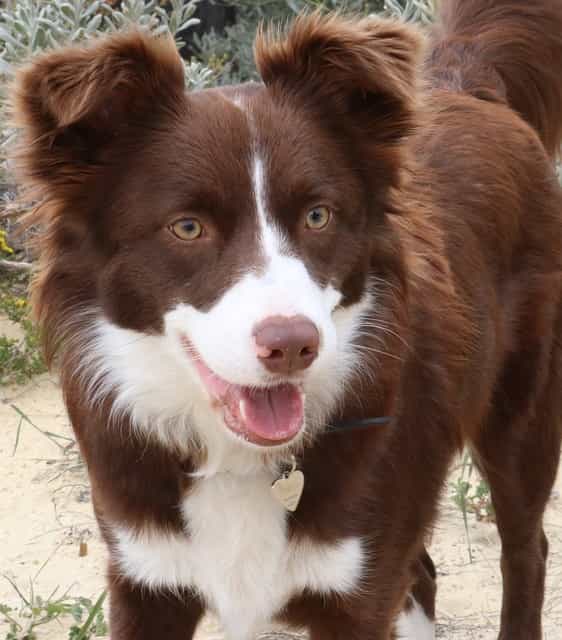
Image by Ray Shrewsberry • from Pixabay

One of the main concerns with having a Border Collie in an apartment is their energy level. These dogs have a lot of energy and require plenty of exercise and mental stimulation to stay healthy and happy. Without enough exercise and stimulation, they can become bored and destructive. However, with a consistent exercise routine and plenty of mental stimulation, Border Collies can adapt to apartment living and make great companions for apartment dwellers.

History and Origin of Border Collies

Border Collies are a breed of dog that originated in the border area between Scotland and England. They were bred to be working dogs, specifically for herding sheep. In the 19th century, the breed began to be standardized and developed into what we now know as the Border Collie.

The name “Border Collie” comes from the fact that the breed was developed in the border region between Scotland and England. The word “collie” is derived from the Scottish word for sheepdog, “colley.” The breed was recognized by the American Kennel Club in 1995.

Border Collies are highly intelligent and trainable dogs, which is why they are so good at herding sheep. They have a strong work ethic and are very loyal to their owners. They are also very active dogs and require a lot of exercise and mental stimulation to stay healthy and happy.

In addition to their herding abilities, Border Collies have also been used in other roles, such as search and rescue, agility competitions, and as service dogs for people with disabilities. They are also popular pets due to their affectionate and loyal nature.

Physical Characteristics of Border Collies

Border Collies are medium-sized dogs that typically weigh between 30 to 55 pounds and stand around 18 to 22 inches tall. They have a lean, athletic build with a muscular body that is built for endurance and agility.

Their coat is double-layered, with a thick undercoat and a longer, coarser outer coat. The coat can come in a variety of colors, including black and white, red and white, and blue merle. Border Collies require regular grooming to maintain their coat’s health and prevent matting.

Border Collies are moderate shedders, with shedding increasing during seasonal changes. They require regular brushing to keep their coat healthy and minimize shedding.
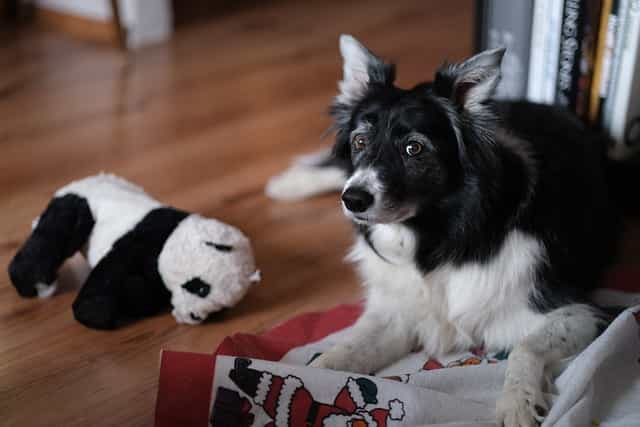
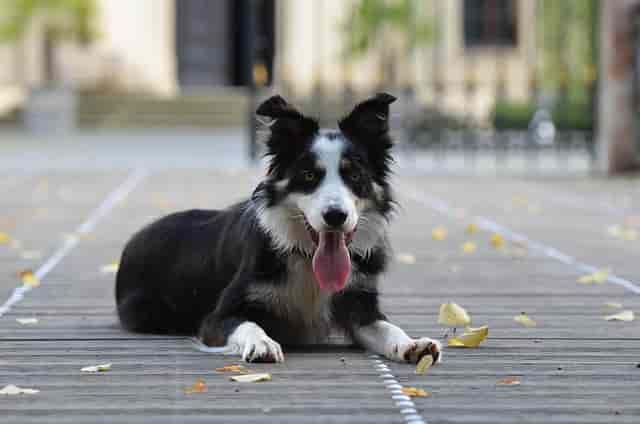
Image by Leopold Böttcher from Pixabay

Personality and Temperament

Border collies are known for their exceptional intelligence, loyalty, and affectionate nature. They are also highly alert and sensitive dogs, making them excellent watchdogs. Their keen sense of awareness and ability to quickly pick up on cues make them ideal for training and agility competitions.

While their intelligence and energy levels make them great working dogs, they can also make them challenging apartment pets. Without adequate exercise and mental stimulation, they can become bored and destructive.

However, with proper training and attention, border collies can adapt well to apartment living. They are highly trainable and eager to please, making them well-suited for obedience training. Additionally, their affectionate nature makes them great companions for owners who are willing to put in the effort to meet their needs.

Overall, border collies are not the easiest breed for apartment living, but with the right owner and training, they can thrive in smaller living spaces.

Training and Mental Stimulation

Training is essential for Border Collies, as they have a natural instinct to herd and may try to herd humans or other animals in the household. Obedience training can help to curb this behavior and teach the dog appropriate ways to interact with their environment. Agility training is also a great way to provide both physical and mental stimulation for Border Collies.

Interactive toys can be another great way to keep Border Collies mentally stimulated. Puzzle toys, treat-dispensing toys, and interactive games can all provide mental challenges for dogs. It’s important to supervise playtime with these toys, as some Border Collies may become overly excited and destructive with them.

Exercise and Activity Needs

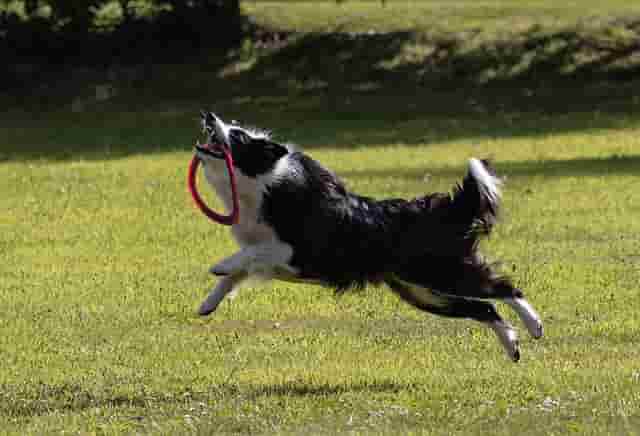
Daily exercise is a must for Border Collies. They are bred to work and have a lot of energy to burn off. Long walks, playing fetch, and engaging in dog sports such as agility are excellent ways to provide them with the physical activity they need. However, it is important to note that just a walk around the block may not be enough to satisfy their exercise needs.

In addition to physical exercise, Border Collies also require mental stimulation. They are highly intelligent dogs that need to be mentally challenged to prevent boredom and destructive behaviors. Interactive toys, puzzle games, and training sessions are great ways to provide them with the mental stimulation they need.

If you are unable to provide your Border Collie with the necessary exercise and mental stimulation, they may become destructive and develop behavioral problems. It is crucial to ensure that they receive enough physical and mental activities to keep them happy and healthy.

Overall, Border Collies are not recommended as apartment dogs unless their exercise and activity needs are met. They are highly active dogs that require a lot of physical and mental stimulation to thrive. If you are prepared to provide them with the necessary exercise and activities, they can make great apartment dogs.

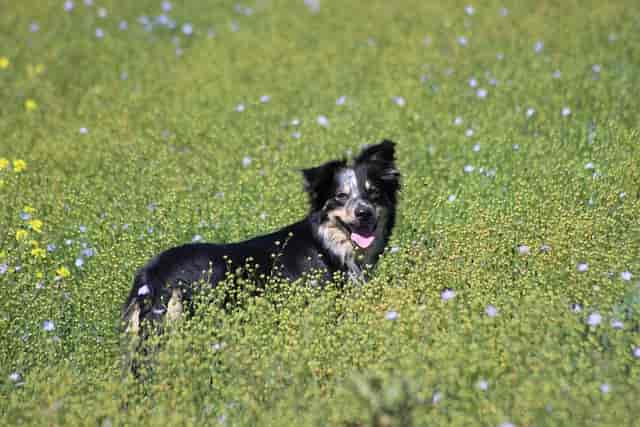
Image by Ali Vidler from Pixabay

Socialization and Interaction

It’s important to socialize your Border Collie with family members, other dogs, and children from a young age. This will help them develop social skills and prevent any aggression or shyness towards strangers. Make sure to supervise interactions with children to prevent any accidental injuries.

If you have other pets in your apartment, it’s important to introduce your Border Collie to them slowly and in a controlled environment. They have a strong herding instinct and may try to herd smaller animals, which can be dangerous. With proper socialization, they can learn to coexist peacefully with other pets.

Image by Patou Ricard from Pixabay

Potential Challenges

Barking

Border Collies are known to be vocal dogs and may bark excessively if not properly trained and socialized. This can be a problem in an apartment setting where noise levels need to be kept to a minimum. It’s important to desensitize your Border Collie to environmental stimuli and teach them appropriate barking behavior to avoid disturbances.

Destructive Behavior

Due to their high energy levels, Border Collies may exhibit destructive behavior if not given enough exercise and mental stimulation. This can include chewing, digging, and scratching. It’s important to provide your Border Collie with plenty of opportunities to release their energy and engage in activities that stimulate their mind.

Effort and Commitment

Border Collies require a significant amount of effort and commitment from their owners. They need daily exercise and mental stimulation to prevent boredom and destructive behavior. This may include activities such as obedience training, agility training, and daily walks or runs.

Health and Grooming

Border Collies are generally healthy dogs with a life expectancy of 12-15 years. However, like all dogs, they are prone to certain health issues, such as hip dysplasia, epilepsy, and eye problems. Regular visits to the vet can help prevent and treat these issues.

Grooming is an important aspect of Border Collie care. Their thick double coat requires regular brushing to prevent matting and tangling. A slicker brush and metal comb are recommended for grooming. Bathing should be done as needed, but not too frequently as it can strip the natural oils from their coat.

In terms of food, Border Collies require a balanced diet that meets their nutritional needs. High-quality dry dog food is recommended, and it should be appropriate for their age, size, and activity level. Treats should be given in moderation and not as a substitute for meals.

Conclusion

In conclusion, Border Collies can be good apartment dogs, but it depends on a variety of factors. Here are some pros and cons to consider:

Pros

  • Border Collies are highly trainable and intelligent, making them adaptable to different living situations.
  • They are small to medium-sized dogs, which can make them a good fit for apartments.
  • They have a low-shedding coat, which can be beneficial for those with allergies.
  • Border Collies are active dogs and can thrive in apartments with enough exercise and mental stimulation.

Cons

  • Border Collies have high energy levels and require a lot of exercise and mental stimulation, which can be challenging in smaller living spaces.
  • They are herding dogs and can have a strong instinct to chase and herd, which can be difficult to manage in an apartment setting.
  • They can be prone to separation anxiety, which can lead to destructive behaviors if left alone for long periods.

Overall, if you are considering a Border Collie as an apartment dog, it is important to ensure that you can provide enough exercise and mental stimulation for them. It is also important to train them properly and provide them with a structured routine to help manage their energy levels and instincts. With the right care and attention, Border Collies can make great apartment dogs.
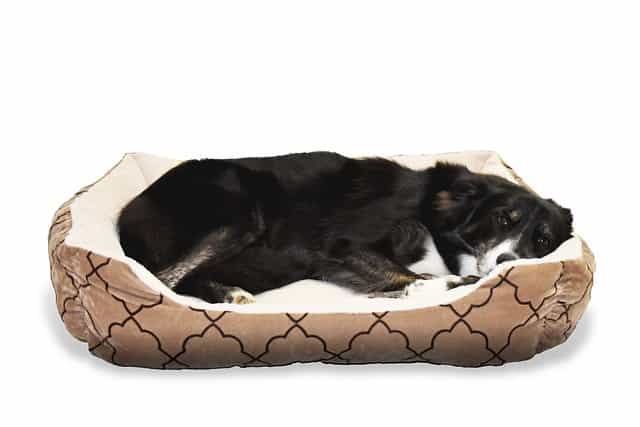
Image by Mira Gane from Pixabay

Frequently Asked Questions

Can Border Collies adapt to living in an apartment?

Border Collies are highly energetic dogs that need plenty of exercise and mental stimulation to thrive. While they can adapt to living in an apartment, it’s important to provide them with enough physical activity and mental stimulation to prevent destructive behavior.

What are some medium-sized apartment dogs?

If you’re looking for a medium-sized apartment dog, some good options include French Bulldogs, Boston Terriers, and Cocker Spaniels. These breeds are generally low-energy and don’t require as much exercise as Border Collies.

How much exercise do Border Collies need?

Border Collies are highly active dogs that need at least 1-2 hours of exercise per day. This can include walks, runs, and playtime in a fenced-in yard. Mental stimulation is also important for these intelligent dogs, so puzzle toys and training sessions can be helpful.

Are Border Collies okay being left alone?

Border Collies are social dogs that thrive on human interaction. They can become anxious and destructive if left alone for long periods of time. If you’re considering a Border Collie as an apartment dog, it’s important to make sure someone is home with them for most of the day or to hire a dog walker or pet sitter.

What are some high maintenance dog breeds?

Border Collies are considered high maintenance due to their high energy levels and need for exercise and mental stimulation. Other high maintenance breeds include Poodles, Shih Tzus, and Bulldogs.

Is a Border Collie a good indoor dog?

While Border Collies can adapt to living in an apartment, they are not ideal indoor dogs. These highly active dogs need plenty of exercise and mental stimulation to prevent destructive behavior. If you’re considering a Border Collie as an apartment dog, make sure you have a plan in place to provide them with enough physical activity and mental stimulation.


Are Border Collies Good with Kids? Here’s What You Need to Know

Filed Under: Border Collies

Why Do Border Collies Stare: Understanding the Reasons Behind Their Intense Gaze

July 18, 2023 by Julia Huskey

Image by Benoit Gantiez from Pixabay

Border collies were originally bred to herd sheep in the Scottish Highlands. Their intense stare was a crucial tool for controlling the flock, as it allowed them to keep a constant eye on the sheep and anticipate their movements. This instinctual behavior has been passed down through generations of border collies, making it a defining trait of the breed.

While the stare may seem intimidating or even creepy to some people, it is simply a natural behavior for border collies. In fact, it is a sign of their intelligence and working ability. Understanding the reasons behind this behavior can help owners and trainers better communicate with their border collies and appreciate their unique characteristics.

Understanding Border Collies

Border Collies are a breed of dog that originated in Scotland, and they are known for being highly intelligent and energetic. They are often referred to as a “workaholic” breed, as they were originally bred for herding sheep and other livestock.

One of the most notable characteristics of Border Collies is their intense stare. This behavior is a result of their herding instincts, as they use their gaze to control and direct the movement of livestock. This stare can be unnerving to some people, but it is simply a natural behavior for this breed.

Border Collies are considered to be one of the most intelligent breeds of dog, and they excel in a variety of activities, including obedience training, agility, and flyball. They are also commonly used as therapy dogs and search and rescue dogs due to their intelligence and trainability.

Breeders have worked hard to maintain the intelligence and work ethic of the Border Collie, and as a result, they are a highly sought-after breed. However, it is important for potential owners to understand the breed’s high energy levels and need for mental and physical stimulation.

The Staring Behavior of Border Collies

The stare of a Border Collie is often referred to as “strong eye” or “sticky eye”. This means that they maintain intense eye contact with their target, whether it’s a sheep or their owner, in order to communicate their intentions and exert control. This behavior is not aggressive in nature, but rather a way for the Border Collie to establish dominance and assert their authority.

While staring behavior is a natural trait in Border Collies, it can also be a sign of boredom or anxiety. If a Border Collie is not given enough physical or mental stimulation, they may resort to staring as a way to occupy themselves. It’s important for owners to provide plenty of exercise and mental stimulation to prevent this behavior from becoming excessive.

In addition to their strong eye, Border Collies also have the ability to use a “loose eye” or “no eye” when herding. This means that they can use their body language and movement to control livestock without relying solely on eye contact. However, the strong eye is still an important part of their herding repertoire.

Image by Eveline de Bruin from Pixabay

Training and the Stare

Commands and the Stare

Border collies are highly trainable dogs, which means that they can learn a variety of commands that can help control their staring behavior. One effective command to use is “look,” which can redirect your dog’s gaze away from whatever they are fixated on. It is important to use a clear and firm tone when giving commands to your dog, as they respond well to confident and consistent communication.

Positive Reinforcement and Staring

Positive reinforcement is a powerful tool in training your border collie to stop staring. When your dog looks away from whatever they are fixated on, reward them with a treat or praise. Over time, your dog will learn that looking away from something is a good behavior that results in positive consequences. It is important to be consistent with your rewards and praise, as this will reinforce the behavior you want to see in your dog.

Staring as a Form of Communication

Staring and Human Interaction

When a Border Collie stares at their owner, it can mean a variety of things. It can be a way for them to communicate their needs or desires, such as wanting to play fetch or go for a walk. It can also be a sign of loyalty and submission, as they are looking to their owner for guidance.

However, it’s important to note that staring can also be a sign of aggression or anger in some cases. If a Border Collie is staring at a human with a fixed and intense gaze, it’s important to assess the situation and ensure that the dog is not feeling threatened or intimidated.

Staring and Interaction with Other Pets

When it comes to interacting with other pets, Border Collies use staring as a way to communicate their intentions. For example, when playing with another dog, a Border Collie may use their intense stare to signal that they want to play or to initiate a game of chase.

However, staring can also be used as a way to manipulate other pets. For example, a Border Collie may use their stare to intimidate a smaller or less confident pet into submission.

The Impact of Staring on Behavior

Staring and Aggression

When a border collie stares at another dog or person, it may be seen as a sign of dominance or a warning to back off. If the other dog or person does not respond appropriately, the border collie may become aggressive.

It is important for owners to understand that staring is a natural behavior for border collies, but it is also important to recognize when it is becoming a problem. If a border collie is staring excessively or becoming aggressive, it may be necessary to limit their interactions with other dogs or people.

Staring and Obsession

In addition to potentially leading to aggression, staring can also be a sign of obsession in border collies. This breed is known for their high energy and intense focus, which can sometimes manifest as obsessive behavior. If a border collie becomes fixated on a particular object or activity, they may stare at it for extended periods of time.

While this behavior may seem harmless, it can become problematic if it interferes with the dog’s daily life or causes them to become anxious or stressed. If a border collie is exhibiting obsessive behavior, it is important to consult with a veterinarian or animal behaviorist to determine the best course of action.

Image by Ray Shrewsberry • from Pixabay

Stimulation and Staring

One of the main reasons why border collies stare is to seek stimulation. These dogs have a high energy level and require a lot of exercise and mental stimulation to stay healthy and happy. When they are not given enough opportunities to burn off their energy, they may resort to staring as a way to release some of their pent-up energy. This can be especially true for dogs that are kept indoors for long periods of time or are not given enough opportunities to engage in outdoor activities.

Studies have shown that border collies that are given plenty of exercise and mental stimulation are less likely to exhibit staring behavior. Activities such as agility training, obedience training, and outdoor activities like hiking and swimming can provide the necessary stimulation to keep these dogs happy and healthy.

Staring and the Environment

One possible explanation for why border collies stare is that it helps them to focus on their environment. When herding, border collies need to be able to keep track of their surroundings and anticipate the movements of their flock. By staring intently at their surroundings, they are able to pick up on small details and changes in the environment that might otherwise go unnoticed.

Another possible explanation for why border collies stare is that it is a way for them to communicate with their owners. Dogs are known for their ability to read human body language, and many border collies are highly attuned to their owners’ movements and expressions. By staring at their owners, border collies may be trying to convey a message or get their attention.

It is also possible that staring is simply a form of play for border collies. Many dogs enjoy playing with toys, and border collies are no exception. By staring at a toy or object, they may be trying to figure out how to interact with it or trying to entice their owner to play with them.

Regardless of the exact reason for why border collies stare, it is clear that this behavior is an important part of their personality and should be celebrated. Whether they are herding cattle, playing with toys, or simply enjoying their environment, border collies are sure to captivate and entertain their owners with their intense gaze.

Image by jarmstrong100 from Pixabay

Understanding and Responding to Staring

Understanding Staring

When a border collie stares at you, it’s usually an attempt to communicate. Dogs use body language to convey their emotions, and staring is one way they can get our attention. They may be trying to tell you that they need something, such as food, water, or a walk. Alternatively, they may be trying to communicate their affection or seek reassurance.

It’s important to note that not all staring is the same. A border collie’s stare can range from intense and prolonged to soft and relaxed. The context of the stare is also important. For example, a border collie may crouch down and stare when they’re trying to intimidate or herd something. Similarly, they may stare and whine when they’re afraid or anxious.

Responding to Staring

When your border collie stares at you, it’s important to pay attention to their body language and respond appropriately. Here are some tips for responding to your dog’s stare:

  • If your border collie is staring at you intently, try to figure out what they need. Do they need food, water, or a walk? Are they seeking attention or affection? Responding appropriately can help reinforce positive behaviors and prevent negative ones.
  • If your border collie is crouched down and staring, they may be trying to intimidate or herd something. In this case, it’s important to redirect their attention to a more appropriate activity.
  • If your border collie is staring and whining, they may be afraid or anxious. In this case, it’s important to provide reassurance and comfort. Try to calm your dog down and redirect their attention to a more positive activity.
  • If your border collie is staring and their tail is wagging, they’re likely expressing affection and seeking attention. In this case, it’s important to respond positively and provide affection and attention.

Frequently Asked Questions

What is Border Collie herding eye?

Border Collie herding eye is a unique trait that allows them to control the movement of livestock. This is accomplished through a fixed stare that is intense and unwavering, which can be intimidating to both humans and animals. This stare is a result of their breeding and is a natural instinct that Border Collies use to control their flock.

Why does my dog stare at me constantly?

Border Collies are known for their intense gaze, and they use it to communicate with their owners. They are highly intelligent and use their stare to read their owner’s body language and emotions. It’s their way of trying to understand what their owner wants or needs.

Why do Border Collies stalk?

Stalking is another instinctive behavior that is common in Border Collies. This behavior is a result of their herding instincts and is used to control the movement of livestock. When Border Collies are not properly trained or exercised, they may transfer this behavior to other animals or people.

Why do Border Collies nip?

Nipping is another behavior that is related to their herding instincts. Border Collies use their mouths to control the movement of livestock, and this behavior can sometimes transfer to their human owners. Nipping can be a sign of over-excitement or a lack of training, and it’s important to address this behavior early on.

Why do Border Collies bark so much?

Border Collies are vocal dogs and use their barks to communicate with their owners. They are highly intelligent and use their barks to express their needs or to alert their owners to potential danger. However, excessive barking can be a sign of boredom or a lack of exercise, so it’s important to provide them with plenty of mental and physical stimulation.

Why does my Border Collie lick me so much?

Licking is a natural behavior in dogs and is often a sign of affection. Border Collies are known for their loyalty and affectionate nature, and they use licking as a way to show their love for their owners. However, excessive licking can be a sign of anxiety or stress, so it’s important to monitor this behavior and address any underlying issues.

Are Border Collies Good with Kids? Here’s What You Need to Know

Filed Under: Border Collies

Why Do Border Collies Lick So Much?

July 8, 2023 by Julia Huskey

Image by TomTom from Pixabay

Licking is a natural behavior for dogs. It is a way for them to communicate and show affection towards their owners and other dogs. However, when it comes to border collies, their excessive licking may be due to anxiety or stress. Border collies are highly intelligent and energetic dogs that require a lot of mental and physical stimulation. If they are not given enough exercise or attention, they may become anxious and resort to licking as a coping mechanism.

Why Border Collies Lick So Much?

Sign of Affection

Licking is a common way for dogs to show affection towards their owners or other dogs. Border Collies are no exception. They may lick their owners’ faces, hands, or feet as a way of expressing their love and affection.

Attention Seeking

Border Collies are highly social dogs and crave attention from their owners. Licking is one way they may seek attention. They may lick their owners’ faces or hands to get them to pet or play with them.

Image by Katrin B. from Pixabay

Boredom and Mental Stimulation

Border Collies are intelligent dogs that require mental stimulation to prevent boredom. Licking can be a way for them to occupy their minds and alleviate boredom. It can also be a self-soothing behavior when they are feeling anxious or stressed.

Taste and Sensory Input

Dogs have a highly developed sense of taste and smell. Licking can be a way for Border Collies to explore and taste different objects or surfaces. It can also provide them with sensory input and help them learn about their environment.

Instinct and Habit

Licking is a natural behavior for dogs and can be an instinctual or learned habit. Border Collies may have learned to lick from their mothers as puppies or from other dogs they have been around. It may also be a habit they have developed over time.

Reasons for LickingExamples
Sign of AffectionLicking owner’s face
Attention SeekingLicking owner’s hand
Boredom and Mental StimulationSelf-soothing behavior
Taste and Sensory InputExploring and tasting objects
Instinct and HabitLearned behavior

Understanding Border Collie’s Behavior

Communication

Dogs communicate through body language, and licking is one of the ways they express themselves. Border Collies may lick their owners or other dogs to show affection or to establish dominance. They may also lick themselves as a way to groom or clean themselves.

Image by TomTom from Pixabay

Canine Behavior

Licking is a natural behavior for dogs, and it is not necessarily a cause for concern. However, if your Border Collie is licking excessively, it may be a sign of an underlying health issue or anxiety.

Emotions

Border Collies are sensitive dogs that are highly attuned to their owner’s emotions. They may lick as a way to comfort their owners or to show their own anxiety. If your Border Collie is licking excessively, it may be a sign that they are feeling stressed or anxious.

Intelligence

Border Collies are one of the most intelligent dog breeds and require a lot of mental stimulation. Licking may be a way for them to relieve stress or boredom. Providing your Border Collie with plenty of exercise and mental stimulation can help reduce excessive licking.

Image by Kev from Pixabay

Health Related Reasons for Licking

Anxiety and Stress

Anxiety and stress can cause Border Collies to lick excessively. This behavior is a way for them to soothe themselves and reduce their stress levels. If your Border Collie is anxious or stressed, they may also exhibit other signs such as restlessness, pacing, and whining.

Allergies and Skin Irritation

Allergies and skin irritation can cause excessive licking in Border Collies. If your dog is allergic to something in their environment, such as pollen or certain foods, they may lick their paws or other areas of their body to relieve the itching. Skin irritation can also cause your dog to lick excessively, especially if they have a hot spot or other skin condition.

Pain and Illness

Pain and illness can cause Border Collies to lick excessively. If your dog is in pain or discomfort, they may lick the affected area to try to alleviate the pain. Illnesses such as arthritis or gastrointestinal issues can also cause your dog to lick excessively.

Problematic Licking and How to Address It

Identifying Excessive Licking

Border collies are known for their affectionate nature, but excessive licking can become problematic. Identifying excessive licking is crucial in addressing the behavior. If your border collie is licking themselves or others excessively, it may indicate an underlying problem. Some common reasons for excessive licking include itchy or irritated skin, allergies, stress, or anxiety.

If you notice bald patches, bleeding, or signs of itchiness, it is essential to seek veterinary help. Additionally, if your border collie is licking excessively due to stress or anxiety, it is important to address the underlying issue and not just the behavior.

Training and Positive Reinforcement

Training and positive reinforcement can help address problematic licking behavior in border collies. Providing your border collie with a reward for good behavior can help reinforce positive behavior and discourage negative behavior.

When training your border collie, it is important to use positive reinforcement techniques. Avoid using punishment or negative reinforcement, as this can lead to more aggressive behavior. Instead, use positive reinforcement to reward good behavior, such as sitting calmly or lying down.

Image by Be_Zen from Pixabay

When to Seek Veterinary Help

If your border collie’s licking behavior is becoming problematic, it is important to seek veterinary help. Your veterinarian can help identify any underlying health issues that may be causing the behavior and provide treatment options.

In some cases, medication may be necessary to address anxiety or stress-related licking behavior. Additionally, your veterinarian can provide advice on how to manage the behavior, such as providing your border collie with plenty of exercise and mental stimulation.
The Role of Exercise and Mental Stimulation

Border collies are known to be active dogs that require a lot of exercise and mental stimulation to keep them happy and healthy. When they don’t get enough exercise or mental stimulation, they can become bored, anxious, and even destructive. This is why it is important to provide them with plenty of opportunities to exercise and engage in activities that challenge their minds.

Exercise is not only important for keeping border collies physically fit but also for strengthening the bond between them and their owners. Regular exercise, such as daily walks or runs, can help to increase the love and bond between a border collie and its owner. This is because exercise provides an opportunity for physical contact and interaction between the two, which can help to strengthen their relationship.

In addition to exercise, mental stimulation is also crucial for the overall well-being of a border collie. These dogs are highly intelligent and require activities that challenge their minds. This can include puzzle toys, obedience training, and even activities such as agility or flyball. Providing mental stimulation not only keeps them entertained but also helps to prevent destructive behavior.

Overall, it is important to remember that border collies require a lot of love, exercise, and mental stimulation to thrive. By providing them with these things, owners can strengthen their bond with their furry friend and ensure that they live happy and healthy lives.

Image by vixor from Pixabay

Common Licking Targets and Their Meanings

Licking Paws

One of the most common targets of licking for border collies is their paws. Dogs may lick their paws for various reasons, including to clean them, soothe irritation, or relieve anxiety. However, excessive paw licking can be a sign of an underlying issue, such as allergies, parasites, or infections. If your border collie is obsessively licking their paws, it is essential to consult with a veterinarian to determine the cause and provide appropriate treatment.

Licking Furniture

Border collies may also lick furniture, such as couches, chairs, or tables. This behavior can be a sign of boredom, anxiety, or simply a habit. However, licking furniture can be harmful to your dog’s health, as it can lead to ingestion of harmful chemicals or substances. To prevent this behavior, provide your border collie with appropriate toys, exercise, and mental stimulation.

Licking Wounds

Another common target of licking for border collies is wounds or injuries. Dogs may lick their wounds to clean them or relieve pain. However, excessive licking can delay the healing process and lead to infection or further injury. To prevent this behavior, use a muzzle or cone to prevent your dog from licking their wounds and consult with a veterinarian for appropriate treatment.

Image by Kev from Pixabay

Frequently Asked Questions

Why do Border Collies show affection through licking?

Border Collies are affectionate dogs that often show their love by licking their owners. Licking is a natural behavior for dogs and is a way for them to communicate with their owners and other dogs. When a Border Collie licks you, they are showing you that they love you and want to be close to you.

What are some reasons why Border Collies lick excessively?

Excessive licking in Border Collies can be caused by a variety of reasons, including anxiety, boredom, stress, allergies, and medical issues. If your Border Collie is licking excessively, it is important to identify the underlying cause and address it accordingly.

Do Border Collies lick more than other dog breeds?

Border Collies are not known to lick more than other dog breeds. However, every dog is unique, and some may have a stronger tendency to lick than others.

What is the purpose of Border Collies licking their owners?

Border Collies lick their owners as a way to show affection and communicate. Licking can also be a way for dogs to groom themselves and their owners.

How can I train my Border Collie to stop excessive licking?

To train your Border Collie to stop excessive licking, you can redirect their attention to a toy or treat when they start to lick excessively. You can also teach them the “leave it” command and reward them when they follow it.

Is excessive licking a sign of a health issue in Border Collies?

Excessive licking can be a sign of a health issue in Border Collies, such as allergies, skin infections, or gastrointestinal problems. If your Border Collie is licking excessively, it is important to consult with a veterinarian to rule out any underlying health issues.

Are Border Collies Good with Kids? Here’s What You Need to Know

Filed Under: Border Collies

When Do Border Collies’ Ears Stand Up?

July 8, 2023 by Julia Huskey

Image by Ray Shrewsberry • from Pixabay

Generally, Border Collie puppies’ ears will begin to stand up around 8-12 weeks of age. However, this can vary depending on the individual dog and their genetics. Some puppies may have ears that stand up earlier or later, and some may have one ear that stands up before the other. It is important to note that not all Border Collies will have ears that stand up fully, as some may have a slight fold or flop at the tip of their ear.

Understanding Border Collie Ears

Border Collie Ear Anatomy

The Border Collie’s ear is made up of three parts: the outer ear, the middle ear, and the inner ear. The outer ear is the visible part of the ear that is covered in fur. The middle ear is responsible for amplifying sound, while the inner ear is responsible for balance.

The ear canal is a tube-like structure that connects the outer ear to the middle ear. It is important to keep the ear canal clean and free of debris to prevent infections.

Border Collie Ear Shape

Border Collies typically have medium-sized, triangular-shaped ears that stand upright. However, some Border Collies may have ears that are slightly floppy or tipped forward. This is normal and does not necessarily indicate a health problem.

Image by Ray Shrewsberry • from Pixabay

When Do Border Collie Ears Stand Up?

Border Collie puppies are born with floppy ears that gradually start to stand up when they are around 2-4 months old. However, some puppies may have ears that stand up earlier or later.

It is important to note that not all Border Collies’ ears will stand up. Some may have ears that remain floppy or tipped forward throughout their lives. This is perfectly normal and does not affect their health.

Maintaining Border Collie Ear Health

Owners should regularly check their Border Collie’s ears for signs of infection or irritation. Signs of an ear infection include redness, swelling, discharge, and a foul odor. If any of these symptoms are present, it is important to take your dog to the vet for treatment.

Genetics and Border Collie Ears

The shape and position of a Border Collie’s ears are determined by genetics. The breed standard for Border Collies calls for ears that are medium-sized, set well apart, and carried erect or semi-erect. However, not all Border Collies have ears that stand up, and the timing of when they do can vary.

The inheritance of ear shape is not fully understood, but it is believed to be a polygenic trait, meaning that it is influenced by multiple genes. Additionally, environmental factors such as nutrition and early experiences can also play a role in ear development.

When breeding Border Collies, it is important to consider the ear shape and position of both parents. If both parents have ears that stand up, it is more likely that their puppies will as well. However, even if both parents have erect ears, there is no guarantee that all of their puppies will inherit this trait.

It is also worth noting that Border Collies that are not purebred may have different ear shapes and positions due to the influence of other breeds in their ancestry. DNA testing can help determine a dog’s breed composition and provide insight into the potential ear shape and position of their offspring.

In general, Border Collie puppies’ ears begin to stand up between 6 and 12 weeks of age. However, some puppies may take longer to develop erect ears, and others may never fully achieve them. It is important to remember that each dog is unique and will develop at their own pace.

Ear Development Stages in Border Collies

The development of a Border Collie’s ears is an exciting and intriguing process for any dog lover. The breed is known for its distinctive, upright ears that give them a sharp, attentive expression. However, not all puppies are born with fully erect ears. In this section, we will discuss the different ear development stages in Border Collies.

Image by serena montagnani from Pixabay

Puppyhood

When puppies are born, their ears are flat and floppy, and they cannot hear or see. The ears start to open up and stand up on their own around three weeks of age. However, some puppies may take longer to develop their ear muscles, and their ears may remain floppy for a few more weeks.

Adolescence

As puppies enter adolescence, their ear development progresses. The ears start to stand up more consistently, but they may still flop over from time to time. During this stage, it is essential to monitor the puppy’s ear development, as any abnormalities or deformities may require veterinary attention.

Adulthood

By the time a Border Collie reaches adulthood, its ears should be fully erect and symmetrical. The ears’ size and shape may vary slightly from dog to dog, but they should be proportional to the dog’s head. It is worth noting that some Border Collies may have a slight tilt or fold in their ears, which is considered a natural variation and not a cause for concern.

Timeline

The timeline for ear development in Border Collies can vary from dog to dog. However, most puppies’ ears start to stand up around three weeks of age and should be fully erect by the time they reach adulthood. If you notice any abnormalities or delays in your puppy’s ear development, it is best to consult with a veterinarian.

Image by Yuppy Ermeton from Pixabay

Types of Border Collie Ears

Floppy Ears

Some Border Collies are born with floppy ears that droop down. This type of ear is common in puppies and can be seen in both purebred and mixed breed dogs. As the puppy grows, the ears may start to stand up on their own or with the help of training.

Erect Ears

Erect ears are the most common type of ear in Border Collies. These ears stand straight up and are pointed at the top. This type of ear is often seen in adult Border Collies and is a desirable trait for breeders.

Semi-Erect Ears

Some Border Collies may have semi-erect ears that are a combination of floppy and erect. These ears may be slightly bent or tipped at the top. This type of ear can be seen in both puppies and adult dogs.

Down Ears

Down ears are a rare type of ear in Border Collies. These ears droop down and are not pointed at the top. This type of ear can be a result of genetics or health issues.

Pointy Ears

Pointy ears are a desirable trait in Border Collies and are often seen in show dogs. These ears are very erect and pointed at the top, giving the dog a more alert and attentive appearance.

Image by Ray Shrewsberry • from Pixabay

Factors Affecting Border Collie Ear Shape

Genetics

Border Collies are a breed that is known for having erect ears, which means that their ears should stand up straight and tall. However, not all Border Collies have the same ear shape, and some may have ears that are slightly floppy or that stand up only partway. This is largely determined by genetics, and it is important to choose a breeder who carefully selects for ear shape when breeding Border Collies.

Muscle Strength

The muscles in a Border Collie’s ears are responsible for holding them upright, and if these muscles are weak, the ears may not stand up properly. This can be caused by a number of factors, including poor nutrition, lack of exercise, and certain medical conditions. Regular exercise, a healthy diet, and regular visits to the vet can all help to ensure that a Border Collie’s ear muscles are strong and healthy.

Taping

Some breeders and owners choose to tape a Border Collie’s ears in order to encourage them to stand up straight. This involves using medical tape to hold the ears in an upright position for several weeks or months. While taping can be effective, it is important to do it correctly and to avoid causing any damage to the ears in the process.

Environmental Factors

Environmental factors can also play a role in a Border Collie’s ear shape. For example, if a puppy is kept in a crate or confined space for long periods of time, their ears may not have the opportunity to develop properly. Similarly, exposure to extreme temperatures or harsh weather conditions can also affect the way a Border Collie’s ears stand up.

Nutrition

A Border Collie’s diet can also affect the way their ears stand up. A diet that is high in protein and other essential nutrients can help to ensure that the muscles in the ears are strong and healthy. Additionally, certain supplements may be helpful in promoting healthy ear development.

Image by Rhian from Pixabay

Common Ear Problems in Border Collies

Border Collies are generally healthy dogs but like any other breed, they can experience ear problems. Here are some of the common ear problems that Border Collies may face:

Infections

Ear infections are common in Border Collies. They can be caused by bacteria, yeast, or mites. Symptoms of an ear infection include itching, redness, discharge, and a foul odor. If you suspect your Border Collie has an ear infection, take them to the vet for proper diagnosis and treatment.

Hearing

Border Collies have sensitive ears and can suffer from hearing loss. This can be caused by a variety of factors including old age, genetics, and exposure to loud noises. If you notice your Border Collie is not responding to sounds as well as they used to, it may be a sign of hearing loss. Consult with your vet to determine the cause and appropriate treatment.

Irritation

Border Collies may experience ear irritation from allergies, insect bites, or foreign objects in the ear. Symptoms of irritation include scratching, head shaking, and redness. If you suspect your Border Collie is experiencing ear irritation, take them to the vet for proper diagnosis and treatment.

Redness

Redness in the ear can be a sign of inflammation or infection. It can be caused by a variety of factors including allergies, ear mites, or trauma. If you notice redness in your Border Collie’s ear, take them to the vet for proper diagnosis and treatment.

Image by Ray Shrewsberry • from Pixabay

Border Collies and the Breed Standard

Border Collies are a breed of purebred dogs that have a specific breed standard set by the American Kennel Club (AKC). The breed standard is a set of guidelines that describe the ideal physical appearance and temperament of the breed.

The Border Collie breed standard emphasizes the breed’s working ability, intelligence, and athleticism. The breed is known for its keen intelligence and ability to work tirelessly, making it a popular choice for herding and agility competitions.

The breed standard sets specific guidelines for the Border Collie’s appearance, including its size, coat color, and ear shape. According to the AKC, the ideal height for a male Border Collie is 19-22 inches, and for a female, it is 18-21 inches. The breed standard also specifies that the Border Collie’s ears should be medium-sized, set well apart, and carried erect or semi-erect.

While the breed standard does not specifically address when a Border Collie’s ears will stand up, it does provide guidance on the breed’s overall appearance. It is important to note that not all Border Collies will have ears that stand up, and some may have ears that flop over.

The Role of Ears in Border Collie Behavior

While Border Collie ears typically stand up when they are around 2 to 4 months old, the position of their ears can indicate their mood and level of energy. When a Border Collie is alert and focused, their ears will stand up and point forward. If they are relaxed or content, their ears will be in a more relaxed position.

Owners can use a Border Collie’s ears as a sign of their energy level and mood. If their ears are up and forward, they are likely ready to work or play. If their ears are down and relaxed, they may be tired or content.

Border Collies are highly intelligent and respond well to commands. Owners can use their Border Collie’s ears to communicate with them. For example, if a Border Collie is not paying attention, their owner can make a noise to get their attention and the Border Collie will likely respond by perking up their ears.

In addition to their intelligence and obedience, Border Collies are also known for their agility and athleticism. Their ears play a role in their ability to navigate obstacles and move quickly. When a Border Collie is running or jumping, their ears will be back to reduce wind resistance and improve their speed and agility.

Controversies Surrounding Border Collie Ears

Border Collies are known for their unique physical characteristics, including their pointy ears. However, there has been some controversy surrounding when their ears should stand up. Here are some of the key points to consider:

  • Trials: In working trials, the appearance of the dog is not as important as its ability to perform the task at hand. Therefore, the position of the ears is not a significant concern in this context.
  • Cosmetic: Some breeders and owners prefer their Border Collies to have erect ears, as they believe it enhances the dog’s appearance. However, this is purely cosmetic and does not affect the dog’s health or working ability.
  • Conformation Showing: In conformation shows, judges may prefer dogs with erect ears as it is seen as a desirable trait. This has led to some breeders artificially manipulating the ears of their puppies to achieve this appearance, which is controversial.
  • Competition: In competitions such as agility or obedience, the position of the ears is not a factor in judging. The focus is on the dog’s performance and ability to follow commands.
Image by April Reid from Pixabay

It is important to note that the position of a Border Collie’s ears is largely determined by genetics and can vary from dog to dog. While some may have naturally erect ears, others may have floppy ears that never stand up. It is also important to consider the health and well-being of the dog over its appearance.

Frequently Asked Questions

At what age do Border Collie puppies’ ears typically stand up?

Border Collie puppies’ ears typically start to stand up between the ages of 6 to 12 weeks. However, it’s not uncommon for some puppies’ ears to take longer to stand up, and it can sometimes take up to 6 months for the ears to fully stand up.

Is it normal for Border Collie puppies to have floppy ears?

Yes, it’s normal for Border Collie puppies to have floppy ears when they are born. This is because their ear cartilage is not yet strong enough to support the weight of the ears. As the puppy grows, the cartilage will strengthen, and the ears will gradually start to stand up.

How can I encourage my Border Collie puppy’s ears to stand up?

There isn’t much you can do to encourage your Border Collie puppy’s ears to stand up. However, you can make sure your puppy is getting proper nutrition and plenty of exercise, which can help strengthen the ear cartilage. Additionally, avoid rubbing or massaging your puppy’s ears, as this can cause damage to the cartilage.

What factors determine whether a Border Collie’s ears will stand up or stay floppy?

The main factor that determines whether a Border Collie’s ears will stand up or stay floppy is genetics. If both parents have floppy ears, it’s more likely that their offspring will also have floppy ears. However, environmental factors such as nutrition, exercise, and ear infections can also play a role.

Image by Chica de Tulear from Pixabay

Can Border Collies have one ear up and one ear down?

Yes, it’s possible for Border Collies to have one ear up and one ear down. This is known as a “broken ear” and is considered a normal variation in the breed.

Do all Border Collies eventually have their ears stand up or are there exceptions?

While most Border Collies will eventually have their ears stand up, there are exceptions. Some Border Collies may have permanently floppy ears due to genetics or other factors such as injury or infection. However, this is relatively rare and most Border Collies will have their ears stand up by the time they are 6 months old.

Are Border Collies Good with Kids? Here’s What You Need to Know

Filed Under: Border Collies

Best Dog Food for Border Collies: Top Picks for Optimal Nutrition

July 8, 2023 by Julia Huskey

Image by Gerhard Bögner from Pixabay

When it comes to choosing the best dog food for border collies, there are a few critical factors to consider. First, the food should contain high-quality protein sources, such as chicken, beef, or fish, to support muscle growth and repair. Second, the food should be free from artificial preservatives, colors, and flavors, which can be harmful to your dog’s health. Last, the food should be formulated to meet the specific nutritional needs of border collies, which may vary depending on their age, weight, and activity level.

After researching and testing various dog foods, we have identified the top options for border collies. These foods meet our criteria for high-quality ingredients, balanced nutrition, and overall value. By choosing one of these dog foods, you can ensure that your border collie is getting the best possible nutrition for their unique needs.

Product NameRoyal Canin Sensitive DigestionRoyal Canin Health NutritionBlue Buffalo Protection FormulaPurina Pro Plan Advanced HealthIams Proactive Health Minichunks
Main IngredientRice, chicken by-product meal, chicken fatChicken meal, brown rice, brewers riceDeboned chicken, chicken meal, brown riceChicken, rice flour, corn gluten mealChicken, ground whole grain corn, ground whole grain sorghum
Protein Content23%26%24%26%25%
Fat Content16%16%14%16%14%
Fiber Content3.7%3.6%5%4%4%
Special FeaturesSupports digestive health, easy-to-digest proteinsSupports immune system, promotes digestive healthReal meat as the first ingredient, no chicken/poultry by-product mealsContains prebiotic fiber to aid digestion, supports immune systemNo artificial preservatives, promotes strong muscles
PriceCheck PriceCheck PriceCheck PriceCheck PriceCheck Price

Best Dog Food for Border Collies

Royal Canin Medium Digestive Care Dry Dog Food

Royal Canin Medium Digestive Care Dry Dog Food

If you’re looking for a dog food that supports your midsize dog’s sensitive stomach, then Royal Canin Medium Digestive Care Dry Dog Food could be a great option for you.

Pros

  • Highly digestible proteins support digestive health
  • Optimal blend of highly digestible proteins, prebiotics, and dietary fibers promotes healthy digestion
  • Aids digestion and supports a balanced intestinal flora that also promotes optimal stool quality

Cons

  • Pricey compared to some other dog food brands
  • Some dogs may not like the taste or texture
  • Not eligible for international shipping

This dog food is formulated with a blend of prebiotics and fibers to support healthy digestion, and it’s specially designed for medium dogs weighing between 23-55 pounds with a sensitive stomach. In fact, 91% of medium dogs fed Digestive Care had optimal stool quality, a clear sign of positive digestion health.

While this dog food is a bit pricey compared to some other options on the market, it’s worth considering if you’re looking for a high-quality dog food that supports your dog’s sensitive stomach. Some dogs may not like the taste or texture, so it’s important to introduce this food gradually and monitor your dog’s reaction.

Overall, we recommend Royal Canin Medium Digestive Care Dry Dog Food for pet owners looking for a dog food that supports their midsize dog’s sensitive stomach.

Royal Canin Medium Breed Adult Dry Dog Food

Royal Canin Medium Breed Adult Dry Dog Food

If you’re looking for a dog food that is tailored to your medium-sized dog breed’s high-energy lifestyle, then Royal Canin Medium Breed Adult Dry Dog Food is a great option.

Pros

  • Precise nutrition specifically made for medium-sized dogs weighing 23-55 lb
  • Blend of prebiotics and antioxidants for immune support
  • Optimal levels of EPA and DHA maintain healthy skin and a healthy dog coat

Cons

  • More expensive than some other dog food options
  • May not be suitable for dogs with certain dietary restrictions
  • Some dogs may not like the taste of the kibble

Royal Canin Medium Breed Adult Dry Dog Food contains an exclusive mix of antioxidants and prebiotics to help support natural defenses, and omega-3 fatty acids to nourish your dog’s skin and coat health. The kibble is highly palatable, and the optimal balance of highly digestible proteins and fibers helps your dog digest and absorb nutrients.

If you’re looking for variety, Royal Canin also offers Adult Wet Dog Food and Medium Adult 7+ and Medium Aging Adult 10+ Dry Dog Food to help keep your dog happy and healthy as they age.

Overall, we recommend Royal Canin Medium Breed Adult Dry Dog Food for medium-sized dogs with high energy lifestyles who need special nutritional support to keep them running, jumping, and playing all day, every day.

Blue Buffalo Life Protection Formula Natural Adult Dry Dog Food

Blue Buffalo Life Protection Formula Natural Adult Dry Dog Food

If you’re looking for a high-quality dog food for your Border Collie, Blue Buffalo Life Protection Formula Natural Adult Dry Dog Food is definitely worth considering.

Pros

  • Real meat is the first ingredient
  • Contains essential proteins and carbohydrates for adult dogs
  • Antioxidant-rich LifeSource Bits to support immune system health

Cons

  • Contains chicken fat, which may not be suitable for all dogs
  • Some dogs may not like the taste
  • A bit pricier than some other dog food options

Blue Buffalo Life Protection Formula Natural Adult Dry Dog Food is made with real meat as the first ingredient, which is always a good sign. It also contains essential proteins and carbohydrates to meet the energy needs of adult dogs, as well as omega 3 & 6 fatty acids to promote a shiny coat and healthy skin. The antioxidant-rich LifeSource Bits are a precise blend of vitamins, minerals, and antioxidants selected by holistic veterinarians and animal nutritionists to support immune system health, life stage needs, and a healthy oxidative balance.

While Blue Buffalo Life Protection Formula Natural Adult Dry Dog Food is generally a great choice for most dogs, it does contain chicken fat, which may not be suitable for all dogs. Additionally, some dogs may not like the taste of this dog food. Finally, it is a bit pricier than some other dog food options on the market.

Overall, if you’re looking for a high-quality dog food that is made with natural ingredients and designed to meet the nutritional needs of adult dogs, Blue Buffalo Life Protection Formula Natural Adult Dry Dog Food is definitely a product worth considering.

Iams Advanced Health Adult Healthy Digestion Dry Dog Food with Real Chicken

Iams Advanced Health Adult Healthy Digestion Dry Dog Food with Real Chicken

If you want to ensure your Border Collie is getting the best nutrition possible, Iams Advanced Health Adult Healthy Digestion Dry Dog Food with Real Chicken is a great option.

Pros

  • Guaranteed live probiotics and prebiotics to promote a healthy microbiome
  • Real, farm-raised chicken is the first ingredient, providing quality protein to build strong muscles
  • Fiber from beet pulp and prebiotics support nutrient absorption and promote healthy digestion

Cons

  • Some dogs may not like the taste
  • May cause stomach upset in some dogs
  • Contains some grains, which may not be suitable for all dogs with dietary restrictions

Iams Advanced Health Adult Healthy Digestion Dry Dog Food with Real Chicken is designed to support your dog’s whole-body health, with clinically proven technology to support healthy digestion. The recipe is formulated without artificial flavors or preservatives, and the kibble is crunchy, which helps to reduce plaque buildup that can lead to bad breath.

This dog food is ideal for those who want to see results quickly. With this premium tailored recipe, you can be confident that your dog will always be at their best, today and every day. The formula is highly digestible, making it easy for your dog to digest and absorb the nutrients they need to thrive.

In summary, if you’re looking for a dog food that will support your Border Collie’s health and wellbeing, Iams Advanced Health Adult Healthy Digestion Dry Dog Food with Real Chicken is a great choice.

IAMS Adult Minichunks Small Kibble High Protein Dry Dog Food with Real Chicken

IAMS Adult Minichunks Small Kibble High Protein Dry Dog Food with Real Chicken

If you’re looking for a high-quality dog food that’s tailored to your adult dog’s unique needs, IAMS Adult Minichunks Small Kibble High Protein Dry Dog Food with Real Chicken is a great option to consider.

Pros

  • Real, farm-raised chicken as the first ingredient
  • Supports healthy digestion with a wholesome blend of fibers and prebiotics
  • No artificial preservatives, flavors, or fillers

Cons

  • More expensive than some other dog food brands
  • Some dogs may not like the small kibble size
  • May cause digestive issues in some dogs

This dog food is made with high-quality animal protein and no artificial preservatives, flavors, or fillers, making it a complete and balanced option for adult dogs. The smaller kibble size promotes strong muscles with premium-sourced protein, and the wholesome blend of fibers and prebiotics supports healthy digestion.

While this dog food is more expensive than some other brands, it’s worth the investment for the high-quality ingredients and tailored nutrition. However, some dogs may not like the small kibble size, and it may cause digestive issues in some dogs.

Buying Guide

When it comes to choosing the best dog food for your Border Collie, there are several factors to consider. We want to make sure that we are providing our pets with the best nutrition possible. Here are some features to look for when choosing the right dog food:

Ingredients

The first thing to consider is the ingredients in the dog food. Look for a product that has high-quality protein as the first ingredient. Avoid dog foods that contain fillers, artificial preservatives, and by-products. It is also important to consider your Border Collie’s individual dietary needs. Some dogs may have allergies or sensitivities to certain ingredients, so it is important to read the label carefully.

Nutritional Value

The nutritional value of the dog food is also important. Look for a product that provides a balance of protein, fat, and carbohydrates. The Association of American Feed Control Officials (AAFCO) provides guidelines for the minimum nutritional requirements for dogs. Make sure that the dog food you choose meets these guidelines.

Brand Reputation

The reputation of the brand is also important. Look for a brand that has a good reputation for producing high-quality dog food. Do some research and read reviews from other pet owners to get an idea of the quality of the product.

Price

Price is also a factor to consider when choosing the best dog food for your Border Collie. While it may be tempting to choose a cheaper brand, it is important to remember that you get what you pay for. High-quality dog food may cost more, but it will provide your pet with the nutrition they need to stay healthy.

In conclusion, choosing the best dog food for your Border Collie requires careful consideration of several factors, including ingredients, nutritional value, brand reputation, and price. By taking the time to research and choose the right product, you can ensure that your pet is getting the best possible nutrition.

Frequently Asked Questions

Image by Ray Shrewsberry • from Pixabay

What are the best dog foods for Border Collies?

The best dog foods for Border Collies are those that contain high-quality protein, healthy fats, and essential nutrients. Look for dog foods that have real meat as the first ingredient, such as chicken, beef, or lamb. Avoid dog foods that contain fillers, artificial preservatives, and by-products.

Can Border Collies have grain-free food?

Yes, Border Collies can have grain-free food. However, it is important to note that not all grain-free dog foods are created equal. Some grain-free dog foods may contain high levels of carbohydrates, which can be detrimental to a Border Collie’s health. Always read the label and choose a grain-free dog food that is high in protein and low in carbohydrates.

Do Border Collies need high protein?

Yes, Border Collies need high protein. Border Collies are active dogs that require a lot of energy to stay healthy and happy. High-quality protein is essential for maintaining muscle mass, repairing tissues, and supporting a healthy immune system. Look for dog foods that contain at least 25% protein.

What do Border Collies like the most?

Border Collies are known for their high energy and intelligence. They enjoy playing, running, and engaging in activities that challenge their minds. When it comes to food, Border Collies tend to prefer high-quality protein sources, such as chicken, beef, and lamb.

What is the best dry dog food for Border Collies?

The best dry dog food for Border Collies is one that contains high-quality protein, healthy fats, and essential nutrients. Look for dog foods that have real meat as the first ingredient and avoid dog foods that contain fillers, artificial preservatives, and by-products. Some of the best dry dog food brands for Border Collies include Blue Buffalo, Wellness, and Taste of the Wild.

What is the best wet food for Border Collies?

The best wet food for Border Collies is one that contains high-quality protein, healthy fats, and essential nutrients. Look for wet dog foods that have real meat as the first ingredient and avoid dog foods that contain fillers, artificial preservatives, and by-products. Some of the best wet dog food brands for Border Collies include Merrick, Wellness, and Blue Buffalo.

Are Border Collies Good With Kids?

Border Collies can be great with kids when they are properly trained and socialized. They are known for being highly intelligent, energetic, and loyal dogs that thrive on attention and interaction with their owners. However, like any dog breed, Border Collies require proper training and socialization to ensure they behave appropriately around children. It is important to supervise interactions between children and dogs to prevent any accidental injuries or negative experiences. Additionally, it is important to teach children how to interact with dogs in a safe and respectful manner. With proper training, socialization, and supervision, Border Collies can make excellent family pets and be great with kids.

Filed Under: Border Collies

Can Border Collies Be Left Alone? Tips for Owners

July 8, 2023 by Julia Huskey

Photo by Blue Bird

Border Collies are a highly active breed that requires plenty of exercise and mental stimulation. They were originally bred for herding and thrive in environments where they have a job to do. As a result, leaving them alone for extended periods of time can lead to boredom and destructive behavior. However, with proper training and preparation, it is possible to leave a Border Collie alone for short periods of time.

Understanding Border Collies

Border Collies are an intelligent breed of dog that are known for their energy and quick learning abilities. They are often referred to as working dogs or herding dogs due to their natural instincts to herd and work alongside their owners. However, their high energy levels and intelligence make them a unique breed that requires special attention and understanding.

As high energy dogs, Border Collies require a lot of exercise and mental stimulation to keep them happy and healthy. They are not the type of dog that can be left alone for long periods of time without any interaction or activity. Without proper exercise and stimulation, they can become destructive and develop behavioral issues.

Age and Leaving Border Collies Alone

Puppies

Puppies require a lot of attention and care, and leaving them alone for extended periods is not recommended. They have not yet developed the necessary skills to entertain themselves or hold their bladder for long periods. It is recommended that puppies under six months old should not be left alone for more than two hours at a time.

If you need to leave your puppy alone for a short period, you can create a safe area for them to stay in, such as a crate or playpen. Make sure they have access to water and toys to keep them occupied. Gradually increase the time you leave them alone as they get older and more independent.

Adult Dogs

Adult Border Collies can handle being left alone for longer periods than puppies, but it is still essential to ensure they have everything they need to be comfortable and entertained. Most adult dogs can hold their bladder for up to eight hours, but it is recommended to limit alone time to six hours or less.

To help your Border Collie cope with being alone, provide them with plenty of toys and activities to keep them busy. Consider leaving the radio or TV on to provide some background noise and make them feel less alone.

It is also important to ensure your Border Collie gets enough exercise and mental stimulation when you are home. A tired dog is less likely to become anxious or destructive when left alone.

Photo by Elina Volkova

Effects of Isolation on Border Collies

Border Collies are social animals that thrive on human interaction and companionship. When left alone for extended periods, they can develop negative behaviors and symptoms associated with isolation distress, loneliness, stress, and anxiety.

Isolation distress is a condition that occurs when dogs are separated from their owners and experience negative emotions. Border Collies are prone to isolation distress due to their attachment to their owners and high energy levels. Symptoms of isolation distress include excessive barking, whining, destructive behavior, and even self-mutilation.

Loneliness is another negative effect of isolation on Border Collies. These dogs are highly social and crave human interaction and attention. When left alone for long periods, they can become depressed and withdrawn, leading to a lack of energy and enthusiasm.

Separation anxiety is a more severe form of isolation distress that can occur in Border Collies. This condition is characterized by extreme anxiety and fear when the dog is separated from its owner. Symptoms of separation anxiety include excessive barking, destructive behavior, and self-injury.

Signs of Distress in Border Collies

Photo by Blue Bird

Here are some signs that your Border Collie may be experiencing distress:

  • Destructive Behavior: Border Collies may chew on furniture, shoes, or other household items when they are anxious or bored.
  • Excessive Barking, Whining, or Howling: Border Collies may vocalize excessively when they are left alone, especially if they are anxious or stressed.
  • Pacing: Border Collies may pace back and forth when they are anxious or stressed.
  • Nipping: Border Collies may nip at their own paws or tails when they are anxious or bored.
  • Digging: Border Collies may dig holes in the yard or carpet when they are anxious or bored.

It is important to note that not all Border Collies will exhibit these signs of distress. Some may become withdrawn or lethargic when left alone. It is important to observe your dog’s behavior and seek professional help if you notice any concerning changes.

If you must leave your Border Collie alone for extended periods, try to provide them with plenty of mental and physical stimulation before leaving. Consider leaving them with puzzle toys, long-lasting chews, or a comfortable bed to rest in. Additionally, you may want to consider hiring a dog walker or pet sitter to provide your Border Collie with some company and exercise while you are away.

How Long Can Border Collies Be Left Alone

The general rule of thumb is that Border Collies should not be left alone for more than 8 hours at a time. This is because they need regular exercise, mental stimulation, and socialization to stay healthy and happy.

However, some Border Collies may be able to handle being alone for longer periods of time, especially if they have access to plenty of toys, puzzles, and other forms of entertainment. It’s important to note that every dog is different, and what works for one may not work for another.

If you need to leave your Border Collie alone for an entire day, it’s important to make sure they have access to food, water, and a comfortable place to rest.

Training Border Collies to Stay Alone

Training a Border Collie to stay alone can be a challenging task, but it is not impossible. It requires patience, consistency, and positive reinforcement.

The first step in training your Border Collie to stay alone is to start with short periods of time. Begin by leaving your dog alone for a few minutes and gradually increase the time as your dog becomes more comfortable.

Crate training can also be helpful in teaching your Border Collie to stay alone. A crate provides a safe and comfortable space for your dog and can help prevent destructive behaviors when left alone. Make sure to introduce the crate gradually and never use it as a form of punishment.

When training your Border Collie to stay alone, it is important to provide plenty of exercise and mental stimulation. A tired and mentally stimulated dog is more likely to rest and relax when left alone.

To reinforce good behavior, reward your Border Collie with treats and praise when they stay calm and relaxed while alone. Avoid punishing your dog for bad behavior, as this can cause anxiety and make the problem worse.

Photo by Blue Bird

Stimulation and Activities for Border Collies

One of the best ways to provide mental stimulation for your Border Collie is through interactive toys. Puzzle toys that require your dog to figure out how to get a treat or toy out of them can keep them occupied for hours. Kongs, treat balls, and other interactive toys can be filled with treats or peanut butter to make them even more enticing.

In addition to interactive toys, you should also provide plenty of physical activity for your Border Collie. These dogs love to run and play, so regular walks and trips to the dog park are essential. You can also play fetch or frisbee with your dog in the backyard or a nearby field.

Dealing with Separation Anxiety in Border Collies

If you’re a Border Collie owner, it’s important to recognize the signs of separation anxiety and take steps to help your dog overcome it. Here are some tips for dealing with separation anxiety in Border Collies:

  • Start by gradually increasing the amount of time your dog spends alone. This can help them get used to being alone and reduce their anxiety over time.
  • Make sure your dog has plenty of exercise and mental stimulation throughout the day. This can help tire them out and make them more relaxed when you’re not around.
  • Provide your dog with a safe and comfortable space to be in when you’re not home. This can be a crate, a specific room, or an area of the house that they feel comfortable in.
  • Consider using calming aids such as pheromone diffusers or calming music to help your dog relax when you’re not around.
  • Work with a professional dog trainer or behaviorist to develop a plan to help your dog overcome their separation anxiety. This may involve desensitization and counterconditioning techniques to help your dog learn that being alone is not a threat.

Alternative Care Options for Border Collies

While it is best to avoid leaving your Border Collie alone for extended periods, sometimes it may be necessary. In such cases, it is important to ensure that your dog is well taken care of and does not become anxious or destructive.

One option is to hire a dog sitter who can come and check on your Border Collie periodically throughout the day. This will provide your dog with some company and allow them to get some exercise and attention. Make sure to hire a reputable and experienced dog sitter who is familiar with the breed.

Another option is to have a family member or friend look after your Border Collie while you are away. This can be a good choice if your dog is already familiar with the person and feels comfortable around them. However, make sure that the person is willing and able to provide the necessary care and attention your dog needs.

Doggy daycare is another alternative care option for Border Collies. This can be a great option if your dog enjoys socializing with other dogs and needs plenty of exercise. Look for a daycare that has experienced staff and a good reputation. Make sure to check that the daycare has adequate facilities and safety measures in place.

Adding a second dog to your household can also provide your Border Collie with some company and stimulation. However, it is important to ensure that the two dogs get along and that you have the time and resources to care for both dogs properly.

Photo by Blue Bird

Creating a Comfortable Environment for Border Collies

Comfortable Furniture and Bed

Having comfortable furniture and a cozy bed can make a big difference in your Border Collie’s comfort level. Invest in a quality dog bed that is the appropriate size for your dog and has a soft cushion. You can also provide your dog with a comfortable sofa or chair to lounge on while you are away.

Dedicated Space

Creating a dedicated space for your Border Collie can help them feel safe and secure. This space should be a quiet area where your dog can relax and sleep. You may want to consider using a crate or playpen to create a designated area for your dog.

Safety Measures

Border Collies are curious and active dogs that can get into trouble when left alone. Take safety measures to ensure your dog is safe while you are away. This includes removing any hazardous items from your dog’s reach, securing doors and windows, and providing plenty of toys to keep your dog occupied.

Photo by Jan Kopczyński

Frequently Asked Questions

What is the maximum amount of time a Border Collie can be left alone?

Border Collies are social animals and require a lot of attention and exercise. They should not be left alone for more than 6-8 hours at a time. Leaving them alone for extended periods can lead to boredom, anxiety, and destructive behaviors.

Are Border Collies prone to separation anxiety?

Yes, Border Collies can be prone to separation anxiety. They form strong bonds with their owners and can become anxious and stressed when left alone for long periods. It is important to gradually train them to be comfortable with being alone and provide them with plenty of mental and physical stimulation.

What are some activities I can leave for my Border Collie while I’m at work?

Border Collies are intelligent and active dogs that require plenty of mental and physical stimulation. Leaving puzzle toys, chew toys, and interactive toys can help keep them occupied while you are away. You can also consider hiring a dog walker or pet sitter to provide them with exercise and attention during the day.

Can Border Collies be trained to stay calm when left alone?

Yes, Border Collies can be trained to stay calm when left alone. It is important to start training them gradually and provide them with positive reinforcement when they exhibit calm behavior. Crate training can also be helpful in providing them with a safe and comfortable space when left alone.

Are Border Collies good apartment dogs?

Border Collies are active dogs that require plenty of exercise and mental stimulation. While they can adapt to apartment living, it is important to provide them with daily exercise and mental stimulation to prevent boredom and destructive behaviors.

Are Border Collies more likely to become aggressive when left alone?

Border Collies are not more likely to become aggressive when left alone. However, if they are not properly trained and socialized, they can exhibit destructive behaviors out of boredom and anxiety. It is important to provide them with plenty of exercise, mental stimulation, and socialization to prevent these behaviors.

Are Border Collies Good With Kids

Yes, Border Collies can be great with kids, especially if they are well socialized and trained. Border Collies are known for their intelligence, loyalty, and energy, which can make them great playmates for children. However, it is important to supervise interactions between children and dogs, and to teach children how to properly interact with dogs to avoid any potential accidents or negative experiences. Additionally, it is important to provide Border Collies with plenty of exercise and mental stimulation to prevent boredom and destructive behavior.

Filed Under: Border Collies

  • « Go to Previous Page
  • Page 1
  • Interim pages omitted …
  • Page 20
  • Page 21
  • Page 22
  • Page 23
  • Page 24
  • Interim pages omitted …
  • Page 26
  • Go to Next Page »

Primary Sidebar

Must-Have Puppy Essentials for New Labradoodle Owners: Your Complete Starter Guide

Bringing home a Labradoodle puppy is an exciting time filled with wagging tails and playful energy. … [Read More...] about Must-Have Puppy Essentials for New Labradoodle Owners: Your Complete Starter Guide

Best Cooling Mats for Labradoodles in Summer: Keep Your Pup Comfortable During Hot Weather

Labradoodles have thick, fluffy coats that can make them uncomfortable during hot summer months. … [Read More...] about Best Cooling Mats for Labradoodles in Summer: Keep Your Pup Comfortable During Hot Weather

Top Car Seat Covers for Labradoodle Owners: Protect Your Vehicle from Fur and Mess

Labradoodles are wonderful family dogs, but they shed fur and can track dirt into your car. Their … [Read More...] about Top Car Seat Covers for Labradoodle Owners: Protect Your Vehicle from Fur and Mess

Best Dog Beds for Large Labradoodles: Comfortable and Durable Options for Your Furry Friend

Large Labradoodles need a comfortable place to rest after a day of play and exercise. A good dog bed … [Read More...] about Best Dog Beds for Large Labradoodles: Comfortable and Durable Options for Your Furry Friend

Best Crates for Labradoodles: Complete Mini vs Standard Size Guide for 2026

Labradoodles are popular dogs that come in different sizes, from mini versions around 15-30 pounds … [Read More...] about Best Crates for Labradoodles: Complete Mini vs Standard Size Guide for 2026

Best Healthy Treats for Labradoodle Training: Expert-Approved Options for 2026

Training a Labradoodle requires patience, consistency, and the right rewards to reinforce good … [Read More...] about Best Healthy Treats for Labradoodle Training: Expert-Approved Options for 2026

Are Elevated Bowls Good for Labradoodles? What Every Owner Should Know

Labradoodles are energetic and lovable dogs that need proper care at mealtime. One important choice … [Read More...] about Are Elevated Bowls Good for Labradoodles? What Every Owner Should Know

Best Supplements for Labradoodle Joint Health: Keep Your Pup Active and Pain-Free

Labradoodles are active dogs that love to run, jump, and play throughout their lives. Their … [Read More...] about Best Supplements for Labradoodle Joint Health: Keep Your Pup Active and Pain-Free

Top Slow Feeders for Labradoodles Who Eat Too Fast: A Guide to Healthier Mealtimes

Labradoodles are energetic dogs who often get very excited at mealtime. Many of them eat their food … [Read More...] about Top Slow Feeders for Labradoodles Who Eat Too Fast: A Guide to Healthier Mealtimes

Best Dog Food for Labradoodles: Top Picks for Puppies, Adults and Seniors in 2026

Labradoodles are energetic and friendly dogs that need the right nutrition to stay healthy … [Read More...] about Best Dog Food for Labradoodles: Top Picks for Puppies, Adults and Seniors in 2026

Categories

  • Border Collies
  • Uncategorized

Superduperdog.com - Copyright © 2026