• Skip to main content
  • Skip to primary sidebar

superduperdog

superduperdog

Border Collies

Are Border Collies Good with Other Dogs? A Comprehensive Guide

June 21, 2023 by Julia Huskey

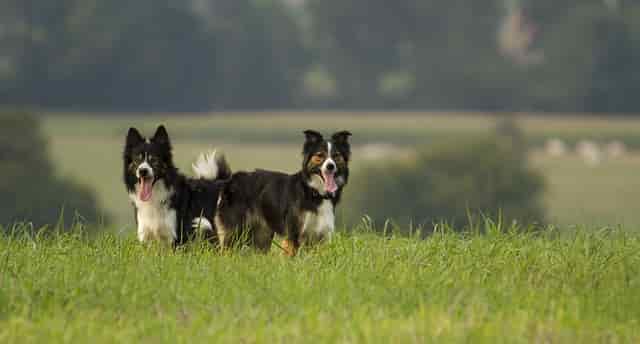
Image by Herbert Aust from Pixabay

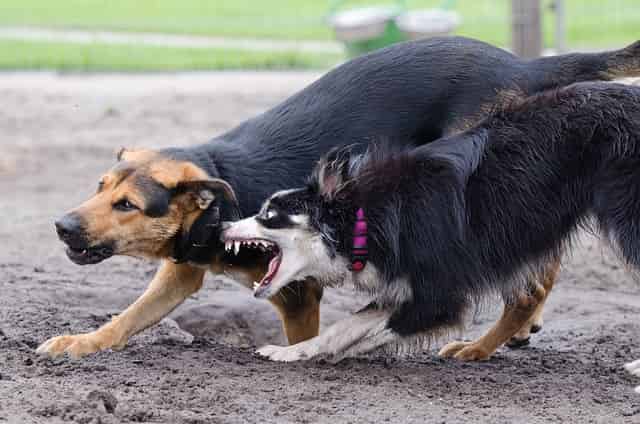
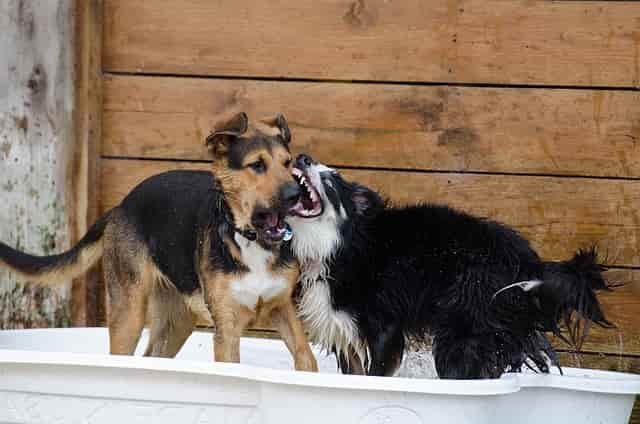
Border Collies are generally social animals and can get along well with other dogs, but there are some things to keep in mind. Some Border Collies can be aggressive towards other dogs, and this can be due to a lack of socialization or training. It is essential to socialize Border Collies from a young age and train them to interact appropriately with other dogs. Additionally, Border Collies have a strong herding instinct, which can sometimes manifest as chasing or nipping at other dogs, especially smaller breeds. It is crucial to monitor their interactions with other dogs and intervene if necessary.

Key Takeaways

  • Border Collies can get along well with other dogs, but it depends on their temperament, socialization, and training.
  • It is essential to socialize Border Collies from a young age and train them to interact appropriately with other dogs.
  • Border Collies have a strong herding instinct, which can sometimes lead to chasing or nipping at other dogs, especially smaller breeds. It is crucial to monitor their interactions and intervene if necessary.

Border Collies and Other Dogs

Benefits of Socialization

Socialization is important for all dogs, but especially for Border Collies. Early socialization can help them become more comfortable around other dogs and people. It can also help prevent behavioral issues like aggression or fearfulness.

When socializing your Border Collie, be sure to expose them to a variety of dogs of different breeds, sizes, and energy levels. This will help them learn how to interact appropriately with other dogs. Positive reinforcement training can also be effective in teaching your Border Collie how to behave around other dogs.

Potential Challenges

While Border Collies are generally friendly and sociable, there are some potential challenges to keep in mind. Here are some things to consider:

  • Herding Instinct: Border Collies have a strong herding instinct, which can sometimes cause them to try to herd other dogs. This can be annoying or even threatening to other dogs, especially if they are not used to it.
  • Energy Level: Border Collies are high-energy dogs that require a lot of exercise and stimulation. This can sometimes be overwhelming for other dogs, especially if they are more laid-back or low-energy breeds.
  • Aggression: Like any breed, Border Collies can be aggressive towards other dogs if they feel threatened or are not properly socialized. It’s important to monitor your Border Collie’s behavior around other dogs and intervene if necessary.
  • Leash Reactivity: Some Border Collies can be reactive on leash, especially if they are not used to being around other dogs. It’s important to work on leash training and socialization to prevent this behavior.

When introducing your Border Collie to other dogs, it’s important to do so in a controlled and supervised environment. Avoid introducing them to dogs that are known to be aggressive or unfriendly. Some breeds that Border Collies may get along well with include German Shepherds, Australian Shepherds, Golden Retrievers, Labradors, Dalmatians, English Pointers, Boxers, Siberian Huskies, and Standard Poodles.

Overall, with proper socialization and training, Border Collies can make great companions for other dogs.
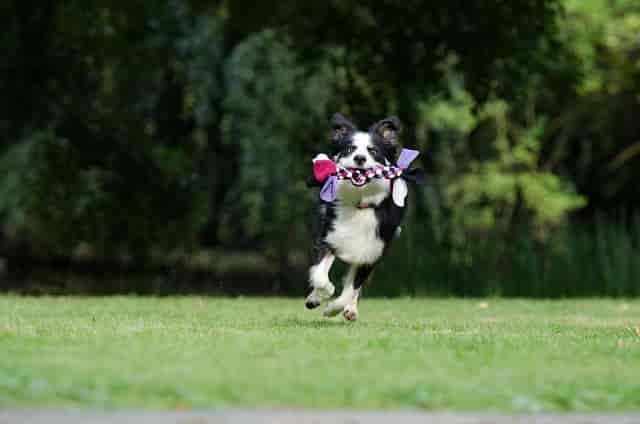
Image by Katrin B. from Pixabay

Border Collie Temperament and Personality

Traits That Make Them Good with Other Dogs

Border Collies are a social breed that enjoys companionship. They are highly trainable and respond well to socialization and training. With proper socialization, they can learn to get along well with other dogs. They are also excellent herding dogs and have a natural instinct to work with other animals. This can translate into a friendly and cooperative demeanor when interacting with other dogs.

Potential Challenges

Despite their friendly nature, Border Collies can be wary of other dogs. They have a strong desire to herd, and this can sometimes lead to aggressive behavior towards other dogs, especially if they are not properly socialized. Additionally, their high energy levels can be overwhelming for some dogs, leading to conflicts.

It is important to note that not all Border Collies are the same. While some may be naturally friendly towards other dogs, others may require more socialization and training to get along well with their furry counterparts. It is also important to consider the personality and energy levels of the other dog when introducing them to a Border Collie.

Image by お花さん from Pixabay

Physical and Mental Exercise for Border Collies

Physical Exercise

Border Collies are high-energy dogs that require plenty of physical exercise to stay healthy and happy. A full-grown Border Collie needs at least 2 hours of exercise per day. This breed was originally bred as a herding dog, so they have a lot of energy and love to run, play, and work. Without enough exercise, they can become bored and develop behavioral problems.

There are many ways to exercise a Border Collie. Running, playing fetch, and going for long walks are all great options. Swimming is also a good way to exercise a Border Collie, as it is low-impact and helps to build muscle. It is important to note that Border Collies should not be left alone in a yard for long periods of time. They need to be mentally stimulated and engaged with their owners.

Mental Stimulation

In addition to physical exercise, Border Collies also need plenty of mental stimulation. They are intelligent dogs that thrive on learning new things and being challenged. Mental stimulation can tire a Border Collie out just as much as physical exercise.

Image by TomTom from Pixabay

There are many ways to provide mental stimulation for a Border Collie. One way is to teach them new tricks and commands. Obedience classes can be a great way to teach a Border Collie new skills and to socialize them with other dogs. Another way to provide mental stimulation is to play games with them, such as hide and seek, frisbee, or tug of war. Providing them with puzzle toys and interactive games can also help to keep them mentally stimulated.

It is important to note that mental stimulation should be combined with physical exercise. A Border Collie that is mentally stimulated but not physically exercised can still become bored and develop behavioral problems.

Pros and Cons of Owning a Border Collie

Border Collies are an intelligent, active, and highly trainable breed that can make excellent pets. However, before deciding to bring one into your home, it’s important to consider the pros and cons of owning a Border Collie, particularly when it comes to their interactions with other dogs.

Pros

  • Socialization: With proper socialization and training, Border Collies can be great with other dogs, including those outside of their own breed.
  • Herding Instinct: Border Collies have a natural herding instinct, which can make them excellent at controlling and managing other dogs.
  • Active Lifestyle: Border Collies are high-energy dogs that require a lot of exercise, making them ideal for people who enjoy an active lifestyle and want a companion for outdoor activities like hiking, running, and biking.
  • Mental Stimulation: Border Collies are intelligent dogs that require mental stimulation to stay happy and healthy. They thrive on training, games, and other activities that challenge their minds.
  • Loyal Companions: Border Collies are known for their loyalty and can make excellent companions for those who are looking for a dog that will be by their side through thick and thin.

Cons

  • Sensitive to Sounds: Border Collies can be sensitive to loud or sudden noises, which can make them anxious or fearful around other dogs that bark or make a lot of noise.
  • Large Size: Border Collies are a medium to large breed, which can make them intimidating to other dogs, particularly smaller breeds.
  • Protective Instincts: Border Collies can be protective of their owners and their territory, which can lead to aggression towards other dogs if not properly trained and socialized.
  • High Energy: Border Collies require a lot of exercise and mental stimulation to stay happy and healthy, which can be challenging for owners who are not able to provide them with enough physical and mental activity.
  • Herding Instinct: While Border Collies’ herding instincts can be a pro when it comes to managing other dogs, it can also lead to them trying to herd other dogs, which can be annoying or even dangerous for other dogs.

Image by Vojtěch Jaňour from Pixabay

Frequently Asked Questions

What dogs do Border Collies not get along with?

Border Collies are known to be a bit clannish and can be picky about their doggy friends. They tend to prefer the company of other Border Collies or dogs that have similar personalities. Border Collies may not get along well with dogs that are hyperactive or out of control. They may also have issues with dogs that are too dominant or aggressive.

Do Border Collies get along well with other dogs?

Border Collies can get along well with other dogs if they are socialized properly from a young age. However, they may still have a preference for other Border Collies or dogs with similar personalities. It is important to supervise your Border Collie when they are interacting with other dogs to ensure that they are playing nicely and not getting into any fights.

Are Border Collies aggressive to other dogs?

Border Collies are not typically aggressive towards other dogs. However, they can become aggressive if they feel threatened or if they are not socialized properly. It is important to train your Border Collie to be well-behaved around other dogs and to supervise them when they are interacting with other animals.

Are Border Collies good with small dogs?

Border Collies can be good with small dogs if they are socialized properly from a young age. However, they may have a strong prey drive and may try to chase or herd small dogs. It is important to supervise your Border Collie when they are interacting with small dogs to ensure that they are playing nicely and not getting too rough.

Getting a second dog with a Border Collie?

Border Collies can do well with a second dog if they are introduced properly and if the second dog has a similar personality. It is important to supervise their interactions and to make sure that they are getting along well. It is also important to make sure that your Border Collie is still getting enough attention and exercise even with a second dog in the house.

Are Border Collies good with cats?

Border Collies can be good with cats if they are socialized properly from a young age. However, they may have a strong prey drive and may try to chase or herd cats. It is important to supervise your Border Collie when they are interacting with cats to ensure that they are playing nicely and not getting too rough.


Filed Under: Border Collies

Are Border Collies Protective?

June 20, 2023 by Julia Huskey

Image by Be_Zen from Pixabay

While border collies are not typically known for being aggressive or protective in the same way that some other breeds are, they can still exhibit protective behaviors towards their owners and their territory. Border collies have been bred to be working dogs, and as such, they are naturally loyal and devoted to their families. They are also highly alert and aware of their surroundings, which can make them good watchdogs. However, it is important to note that a border collie’s protective instincts should never be encouraged or trained to be aggressive, as this can lead to dangerous behavior.

Border Collies: A Brief Overview

Border Collies, commonly referred to as BC, are a breed of dog that originated in the border region between Scotland and England. They are known for their herding instincts and intelligence, making them popular working dogs.

Border Collies are highly intelligent and trainable, with a strong desire to please their owners. They are often used for herding livestock, but also excel in agility and obedience competitions.

In terms of temperament, Border Collies are generally loyal and affectionate towards their owners. They can be wary of strangers, but are not typically aggressive. However, their protective instincts may kick in if they perceive a threat to their family or territory.

Due to their high energy levels and intelligence, Border Collies require plenty of exercise and mental stimulation. They do best in homes with active owners who can provide them with plenty of opportunities to work and play.

Are Border Collies Protective?

The answer is yes, but it depends on various factors, including their training, socialization, and personality.

Protective Behavior

Border Collies have a protective instinct that makes them fiercely loyal to their owners and their territory. They will bark, growl, and even snarl at intruders to alert their owners and deter potential threats. However, their protective behavior can also be a problem if it is not properly channeled and controlled.

Barking and Growling

Border Collies are not typically excessive barkers, but they will bark to alert their owners of any perceived danger. They may also growl and snarl if they feel threatened or if they sense that their owners are in danger. However, excessive barking and growling can be a nuisance to neighbors and may require training to control.

Training and Socialization

Training and socialization are crucial for any dog, including Border Collies. They are highly trainable and respond well to positive reinforcement techniques such as treats, praise, and commands. Socialization is also important to expose them to different people, animals, and environments to prevent fear and aggression.

Aggression and Biting

Border Collies are not typically aggressive dogs, but they can become aggressive if they feel threatened or if they are not properly trained and socialized. Biting is a rare occurrence, but it can happen if they feel cornered or if they perceive a threat to their owners.

Image by Eveline de Bruin from Pixabay

Herding Instinct and Livestock

Border Collies were originally bred as herding dogs, and their herding instinct is still strong today. They may try to herd children, other pets, or even cars, which can be a problem if not properly trained. They are also excellent livestock dogs and can be trained to work on farms and ranches.

Exercise and Mental Stimulation

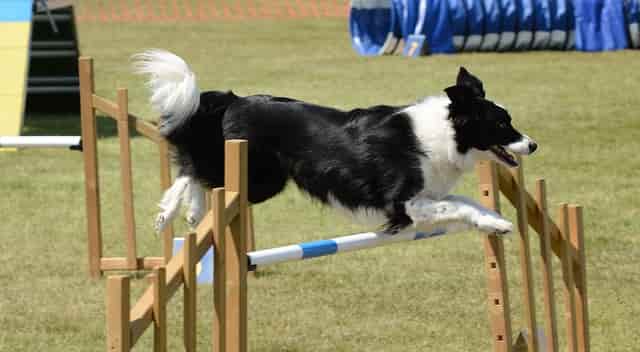
Border Collies are high-energy dogs that require plenty of exercise and mental stimulation. They excel in canine sports such as agility, flyball, and frisbee, which can help channel their energy and keep them mentally stimulated.

Territory and Boundaries

Border Collies need clear boundaries and a sense of territory to feel secure. They respond well to alpha and dominance training, but it is important to establish yourself as the pack leader without resorting to physical punishment.

Image by CStern from Pixabay

Watchdog and Guard Dog Qualities

Border Collies make excellent watchdogs and can be trained to be great guard dogs. Their protective instinct and loyalty to their owners make them ideal for protecting homes and properties.

Companionship and Family Life

Border Collies are friendly and loyal companions that thrive on human interaction and attention. They are great family dogs and get along well with children and other pets if properly socialized.

Training and Obedience

Border Collies are highly trainable and respond well to obedience training. They are eager to please their owners and enjoy learning new commands and tricks.

Physical Characteristics

Border Collies are medium-sized dogs that typically weigh between 30 and 45 pounds. They have a double coat that can be either smooth or rough and comes in a variety of colors, including black and white, red and white, and blue merle. They are known for their intense stare and their ability to focus on their tasks.

Image by SoloStar from Pixabay

Frequently Asked Questions

Do Border Collies make good guard dogs?

Border Collies are not typically known for being guard dogs. They are bred to be herding dogs and are highly intelligent, active, and trainable. However, they can be trained to be good watch dogs and alert their owners to potential danger.

Are Border Collies generally loyal to their owners?

Yes, Border Collies are known for being loyal and devoted to their owners. They are highly affectionate and form strong bonds with their families. They are also protective of their owners and will defend them if they feel threatened.

Do Border Collies have a tendency to attack intruders?

Border Collies are not aggressive dogs by nature and do not have a tendency to attack intruders. However, they will bark and alert their owners to potential danger. With proper training, they can be taught to be protective of their home and family.

Are Border Collies known for being protective?

While Border Collies are not typically known for being protective, they can be trained to be watch dogs and protect their owners. With their intelligence and trainability, they can be taught to be alert and responsive to potential threats.

Image by SoloStar from Pixabay

Are Border Collies friendly with children?

Border Collies are generally friendly with children and make great family pets. They are highly energetic and playful, which can make them a good match for active families. However, as with any dog, it is important to supervise interactions between children and dogs to ensure safety.

Do Border Collies require a lot of training to be protective?

Border Collies are highly trainable and intelligent dogs, which can make them easier to train for protective behaviors. However, it is important to note that training a dog to be protective requires time, patience, and consistency. It is also important to work with a professional dog trainer to ensure that the dog’s protective behaviors are safe and appropriate.

Filed Under: Border Collies

Are Border Collies Aggressive? The Truth About Their Temperament

June 20, 2023 by Julia Huskey

Image by Явор Тонев from Pixabay

There is a common misconception that Border Collies are aggressive dogs. This misconception may deter some people from considering the breed as a pet, but it is important to understand the truth about Border Collies and their temperament.

In reality, Border Collies are not inherently aggressive dogs. Like any breed, a Border Collie’s temperament is shaped by their genetics, environment, and training. While some individual Border Collies may exhibit aggressive behavior, this is not a common trait of the breed as a whole. In fact, Border Collies are typically friendly and affectionate towards their owners and other humans.

Are Border Collies Aggressive?

Border Collies are known for their intelligence, energy, and herding instincts. But are they aggressive? The short answer is no, not typically. Border Collies are generally friendly, obedient, and eager to please their owners. However, like any dog breed, they can display aggressive behavior in certain situations.

Signs of Aggression

Signs of aggression in Border Collies can include growling, barking, biting, and nipping. They may also exhibit territorial behavior, resource guarding, or possessive aggression. It’s important to recognize these warning signs and take action to address the behavior before it escalates.

Causes of Aggression

Aggression in Border Collies can be caused by a variety of factors, including pain, fear, stress, anxiety, and poor socialization. It can also be a result of undiagnosed health conditions or diseases. Male Border Collies may be more prone to aggressive behavior than females, and poor breeding practices can also contribute to aggression.

Training and Socialization

Proper training and socialization are key to preventing aggression in Border Collies. Positive reinforcement techniques, such as treats and praise, can be effective in teaching good behavior. It’s also important to provide mental stimulation and daily exercise to prevent restlessness and boredom. Socializing your Border Collie with other dogs and children from a young age can help them learn appropriate behavior and reduce the risk of aggression.

In conclusion, while Border Collies are not typically aggressive, it’s important to be aware of the warning signs and take steps to prevent and address aggressive behavior. With proper training, socialization, and care, Border Collies can make excellent family pets and companions.

Image by Katrin B. from Pixabay

Signs of Aggression

Border Collies are known for their intelligence and high-energy levels, but they are not typically an aggressive breed. However, like any dog, they can exhibit aggressive behavior in certain situations. It is important for owners to be aware of the signs of aggression in their Border Collie to prevent any potential harm to themselves or others.

One of the most common signs of aggression in Border Collies is growling. Growling can be a warning sign that your dog is feeling threatened or uncomfortable. Other signs of aggression include barking, biting, and snapping. These behaviors can be caused by fear, pain, or territorial instincts.

Aggressive behavior can also be triggered by strangers or other dogs. Border Collies are known for their herding instincts, which can lead to nipping or biting if they feel the need to control their surroundings. However, this behavior can be trained out of them with proper socialization and training.

Exercise and mental stimulation are important for Border Collies, and a lack of either can lead to restlessness and aggression. It is important to provide your dog with enough physical and mental stimulation to prevent any behavioral problems.

Positive reinforcement is the best way to train your Border Collie to avoid aggressive behavior. Punishing your dog for aggressive behavior can actually make the problem worse. Instead, reward your dog for good behavior with treats and praise.

If you notice any signs of aggression in your Border Collie, it is important to consult with a veterinarian or a professional dog trainer. They can help you identify the cause of the aggression and develop a plan to correct the behavior.

Image by Katrin B. from Pixabay

Causes of Aggression

Undiagnosed Health Conditions

Border Collies, like any other breed, may develop health problems that can cause them to become aggressive. Some of these conditions include thyroid problems, brain tumors, and other neurological disorders. If your Border Collie is displaying aggressive behavior, it is essential to take them to a veterinarian to rule out any underlying health issues.

Poor Socialization

Border Collies that are not socialized properly may become aggressive towards other dogs or humans. Socialization involves exposing your Border Collie to different people, animals, and environments from a young age. Without proper socialization, your Border Collie may become fearful or anxious, leading to aggressive behavior.

Possessive Aggression

Border Collies may exhibit possessive aggression towards their food, toys, or other belongings. This type of aggression can be caused by a lack of training or inconsistent training. To prevent possessive aggression, it is crucial to teach your Border Collie to share their belongings and to respect your authority.

Predatory Aggression

Border Collies are known for their strong herding instincts, which can sometimes lead to predatory aggression. This type of aggression is often directed towards smaller animals, such as cats or rabbits. To prevent predatory aggression, it is essential to train your Border Collie to obey commands and to redirect their focus away from smaller animals.

Behavioral Problems

Border Collies that are not trained properly may develop behavioral problems that can lead to aggression. These problems can include separation anxiety, fear, or territorial aggression. To prevent behavioral problems, it is crucial to train your Border Collie from a young age and to provide them with plenty of exercise and mental stimulation.

Frequently Asked Questions

Image by Katrin B. from Pixabay

Do Border Collies have a tendency to be aggressive?

Border Collies are bred to be working dogs and are known for their high energy and intelligence. However, aggression is not a common trait of the breed. Like any dog, individual temperament can vary, but with proper socialization and training, Border Collies can be friendly and well-behaved pets.

How can I prevent my Border Collie from being aggressive?

Socialization is key to preventing aggression in Border Collies. Introduce your puppy to different people, animals, and situations early on to help them become comfortable and confident. Training is also important to teach your dog appropriate behavior and commands.

What are the common behavioral issues with Border Collies?

Border Collies are intelligent and active dogs that require mental and physical stimulation. Without proper exercise and training, they can develop destructive behaviors such as chewing, digging, and barking excessively. They may also become anxious or aggressive if not properly socialized.

Are Border Collies known to be territorial?

Border Collies are not typically known to be territorial. They are social animals and enjoy being around people and other dogs. However, like any dog, they may become protective of their home or family if they feel threatened.

Can Border Collies be trained to be less aggressive?

Yes, Border Collies can be trained to be less aggressive through positive reinforcement training and socialization. It is important to work with a professional trainer to address any aggressive behavior and develop a training plan that is tailored to your dog’s individual needs.

Do Border Collies have a history of attacking people or other dogs?

No, Border Collies do not have a history of attacking people or other dogs. Like any breed, individual temperament can vary, but with proper socialization and training, Border Collies can be friendly and well-behaved pets. It is important to always supervise your dog when around other people or animals and to address any aggressive behavior immediately.

Filed Under: Border Collies

Are Border Collies Good with Cats? Understanding Their Compatibility

June 20, 2023 by Julia Huskey

Image by Jan Barkmann from Pixabay

Border Collies are a highly trainable breed that excels in various activities, including obedience, agility, and flyball. However, when it comes to their compatibility with cats, many people wonder if Border Collies are good with felines.

The answer to this question is not straightforward. While some Border Collies can coexist peacefully with cats, others may show aggression towards them. The breed’s natural herding instinct can sometimes manifest as chasing or nipping at cats, which can be dangerous for both animals. Therefore, it is crucial to introduce Border Collies and cats slowly and under supervision to ensure a positive and safe relationship.

Image by rihaij from Pixabay

Border Collies and Cats: Can They Coexist?

The Border Collie Temperament

Border Collies are highly intelligent and energetic dogs that are bred for herding livestock. They have a strong herding instinct and are known for their intense stare, which can be intimidating to other animals. However, with proper training and socialization, Border Collies can be loving and patient companions.

Introducing Your Border Collie to Your Cat

When introducing a Border Collie to a cat, it is important to do so slowly and under supervision. Start by keeping them in separate rooms and allowing them to sniff each other’s scent through a closed door. Once they seem comfortable with each other’s scent, you can begin to introduce them while on a leash.

Training Your Border Collie to Coexist with Your Cat

Training your Border Collie to coexist with your cat requires patience and consistency. Use positive reinforcement techniques, such as treats and praise, to reward good behavior. Teach your Border Collie basic commands, such as “sit,” “stay,” and “leave it,” to help control their behavior around the cat.

It is also important to provide your Border Collie with plenty of mental and physical stimulation. Daily exercise, such as walks or runs, can help burn off excess energy and prevent behavioral issues. Providing your Border Collie with games and toys can also help stimulate their mind and prevent boredom.

In conclusion, Border Collies can coexist with cats if they are properly trained and socialized. It is important to be patient and consistent with training, and to provide your Border Collie with plenty of mental and physical stimulation. Always supervise interactions between your Border Collie and cat, and seek professional help if needed.

Border Collie and Cat Playtime

Toys and Games for Border Collies and Cats

Border Collies and cats can be great playmates when introduced properly. However, it is important to provide appropriate toys and games to avoid any potential issues.

Border Collies enjoy games that involve chasing and retrieving, such as playing fetch with a ball or frisbee. Cats, on the other hand, enjoy games that involve stalking and pouncing, such as playing with a feather wand or laser pointer.

Toys that encourage interactive play between Border Collies and cats can include puzzle feeders, treat-dispensing toys, and hide-and-seek games. It is important to supervise playtime and make sure that toys are appropriate for both pets.

Supervising Playtime Between Your Border Collie and Cat

When introducing a Border Collie to a cat, it is important to do so slowly and gradually. Allow them to sniff each other through a barrier, such as a baby gate, before allowing them to interact face-to-face.

Supervision is key when allowing a Border Collie and cat to play together. This is especially important if the Border Collie has a strong herding drive or prey drive. It is important to redirect any nipping or chasing behavior and provide plenty of mental stimulation and daily exercise to prevent behavioral issues.

Positive reinforcement and praise can be used to encourage good behavior during playtime. It is also important to provide plenty of distractions, such as toys and games, to prevent any potential conflicts.

Image by rihaij from Pixabay

Border Collies and Cats: Potential Challenges

Dealing with Border Collie Herding Instincts

Border Collies are highly intelligent working dogs with a strong instinct to herd livestock. This herding instinct can sometimes transfer to other animals, including cats. Your Border Collie may try to herd your cats by nipping at their heels or chasing them around the house.

To deal with this behavior, it’s essential to provide your Border Collie with plenty of mental and physical stimulation. Daily exercise, games, and training can help distract your dog from their herding instincts and provide an outlet for their energy. Positive reinforcement and praise can also help encourage good behavior.

Addressing Behavioral Issues in Border Collies

Border Collies can be prone to behavioral issues, including aggression towards other animals. This behavior may be exacerbated by their herding instincts and prey drive. It’s essential to address any behavioral issues in your Border Collie early on to prevent them from becoming a danger to your cats.

Socialization is critical for Border Collies to learn how to interact appropriately with other animals. Early socialization with cats and other dogs can help your Border Collie learn to coexist peacefully with them. If your Border Collie displays aggressive behavior towards your cats, it’s essential to seek professional help from a trainer or behaviorist.

Managing Border Collie Prey Drive Around Cats

Border Collies have a strong prey drive, which can make them a danger to cats. It’s crucial to manage your Border Collie’s prey drive around your cats by providing supervision and a barrier between them. Keep your cats in a separate room or provide a high perch where they can escape from your dog’s reach.

Image by Brigitte Werner from Pixabay

Frequently Asked Questions

Do Border Collies get along with cats?

Border Collies can get along with cats, but it depends on the individual dog’s temperament and the cat’s personality. Some Border Collies have a strong prey drive and may chase or try to herd cats. However, with proper socialization and training, many Border Collies can learn to coexist peacefully with cats.

How can I train my Border Collie not to chase cats?

Training a Border Collie not to chase cats requires patience and consistency. Start by teaching your dog basic obedience commands such as “sit,” “stay,” and “come.” Then, gradually introduce your dog to cats in a controlled environment, such as on a leash. Reward your dog for good behavior and redirect their attention when they show interest in the cat. With time and practice, your Border Collie can learn to ignore cats and focus on you instead.

Are Border Collies good with rabbits?

Border Collies have a strong prey drive, and rabbits are often seen as prey. Therefore, it is not recommended to keep Border Collies and rabbits together unsupervised. However, with proper training and socialization, some Border Collies can learn to coexist peacefully with rabbits.

Are Rough Collies good with cats?

Rough Collies have a more laid-back personality compared to Border Collies and may be more tolerant of cats. However, as with any breed, it depends on the individual dog’s temperament and the cat’s personality. It is important to introduce any new pets slowly and supervise their interactions.

What animals are compatible with Border Collies?

Border Collies can coexist with many different animals, including other dogs, cats, and livestock. However, it is important to supervise their interactions and provide proper training and socialization to ensure everyone’s safety.

Image by Couleur from Pixabay

How do I stop my Border Collie from herding my cat?

Border Collies have a strong herding instinct, and they may try to herd other animals, including cats. To stop your Border Collie from herding your cat, provide plenty of exercise and mental stimulation to help them burn off excess energy. Teach your dog basic obedience commands and redirect their attention when they show interest in the cat. With patience and consistency, your Border Collie can learn to control their herding instincts.

Are Border Collies Good with Children?

Yes, Border Collies are generally good with children. They are known for their intelligence, energy, and loyalty, which can make them great family pets. However, it’s important to note that every dog is different and has its own personality, so it’s important to socialize and train them properly to ensure they are comfortable and safe around children. It’s also important to supervise interactions between children and dogs to prevent any accidents or misunderstandings.

Filed Under: Border Collies

Do Border Collies Like Water? Exploring Their Natural Instincts and Preferences

June 20, 2023 by Julia Huskey

Image by Kev from Pixabay

Some border collies are natural swimmers and thoroughly enjoy spending time in the water. They may enjoy swimming in a pool or lake, chasing after toys or sticks thrown into the water. However, not all border collies are comfortable in the water, and some may even be afraid of it.

Border Collies and Water

Natural Swimmers

Border Collies are known for their intelligence and athleticism. They are a breed that enjoys being active and participating in various activities. One of these activities is swimming. Border Collies are natural swimmers and usually enjoy being in the water. They have a double coat that helps keep them warm, which makes them able to swim in colder waters.

Do Border Collies Like Water?

Border Collies are known for their love of water. They enjoy playing in the water and are not afraid to swim. However, not all Border Collies are the same. Some may not like water due to bad experiences or fear of the unknown. It is important to introduce your Border Collie to water at a young age and with patience.

Image by Jindřich Vízek from Pixabay

Swimming and Exercise

Swimming is a great form of exercise for Border Collies. It is a low-impact exercise that helps build endurance and strengthens their muscles. Swimming is also a great way to cool off during warm weather. However, it is important to monitor your Border Collie’s exposure to water and make sure they do not get too tired or cold.

When introducing your Border Collie to swimming, it is important to start in shallow water and gradually increase the depth. You can use a kiddie pool or take them to a lake or beach. It is also recommended to use a life jacket or life vest for safety measures, especially for puppies or older dogs with hip dysplasia or arthritis.

Training Border Collies to Swim

Start Slowly

The first step in training your Border Collie to swim is to start slowly. Begin by introducing your dog to shallow water, such as a kiddie pool or a calm lake shore. Allow your dog to explore the water at their own pace. You can encourage them to enter the water by tossing a toy or treat in the water.

Gradually Increase Exposure

As your Border Collie becomes more comfortable in the water, gradually increase their exposure to deeper water. Always supervise your dog when they are swimming and make sure they are not overexerting themselves. If your dog seems hesitant or scared, take a step back and continue training in shallower water.

Use Treats and Positive Reinforcement

Positive reinforcement is key when training your Border Collie to swim. Use treats and praise to reward your dog for entering and swimming in the water. This will help create a positive association with swimming and encourage your dog to continue the behavior.

Consider a Life Jacket

If your Border Collie is still learning to swim or is not a strong swimmer, consider using a life jacket. This will provide extra buoyancy and support, making it easier for your dog to swim and reducing the risk of exhaustion or drowning.

Remember, every dog is different and may require different approaches to training. With patience and positive reinforcement, you can help your Border Collie become a confident and happy swimmer.

Image by Katrin B. from Pixabay

Swimming Safety for Border Collies

Border Collies are known for their love of physical activity and are often excellent swimmers. However, it is important to take safety measures when introducing your Border Collie to water. Here are some tips to make sure your dog stays safe while enjoying the water.

Watch for Signs of Panic or Fatigue

It is important to keep an eye on your dog at all times while they are in the water. Signs of panic or fatigue can be subtle, so it is important to be vigilant. If your dog is struggling to keep their head above water, or if they seem to be struggling to swim, it is time to take a break and let them rest.

Be Mindful of Water Temperature

Water temperature can play a big role in your dog’s safety while swimming. Cold water can cause hypothermia, while hot water can cause heat stroke. Make sure to monitor the water temperature and adjust your dog’s swimming time accordingly.

Keep Your Dog on a Leash

Keeping your dog on a leash while they are swimming can help prevent them from getting into dangerous situations. It can also help you keep track of your dog’s location in the water.

Consider Water Sports

If your Border Collie loves to swim, consider introducing them to water sports such as dock diving or water retrieving. These activities can be a great way to keep your dog active and engaged while also helping them build confidence in the water.

Take Care of Your Dog’s Coat and Joints

After your dog has been swimming, it is important to dry them off thoroughly to prevent skin irritation. You should also pay attention to their joints, as swimming can put a lot of strain on them. Make sure to give your dog plenty of breaks and encourage them to rest if they seem to be getting tired.

By following these tips, you can help ensure that your Border Collie stays safe and happy while enjoying the water.

Image by Kayla from Pixabay

Frequently Asked Questions

Do Border Collies enjoy swimming?

Some Border Collies enjoy swimming, while others do not. It depends on the individual dog’s personality and preferences. If your Border Collie seems hesitant or scared around water, do not force them to swim.

Do Border Collies like to play in the water?

Many Border Collies love to play in the water. They may enjoy chasing after toys or splashing around. However, it is important to supervise your dog around water to ensure their safety.

Are Border Collies good swimmers?

Border Collies are generally good swimmers due to their athletic build and strong legs. However, not all Border Collies are natural swimmers, and some may need to be taught how to swim properly.

Do Border Collies like to fetch toys from the water?

Many Border Collies enjoy retrieving toys from the water. This can be a fun activity for both the dog and their owner. However, be sure to use toys that are safe for water use and supervise your dog at all times.

Do Border Collies like to cool off in the water?

Border Collies can overheat easily, especially during hot weather. Cooling off in the water can be a great way for them to regulate their body temperature. However, be sure to monitor your dog’s behavior and never leave them unattended near water.

Do Border Collies need to be trained to swim?

Some Border Collies may need to be trained to swim properly. It is important to introduce your dog to water gradually and in a positive manner. Start with shallow water and use positive reinforcement techniques to encourage your dog to swim.

Are Border Collies Good With Kids?

Border Collies possess intelligence, energy, and loyalty, making them a suitable choice for families with children. However, it’s crucial to bear in mind that each dog has its own unique personality. Therefore, it’s essential to socialize and train them correctly to guarantee their comfort and safety around kids. Additionally, it’s vital to monitor interactions between children and dogs to avoid any mishaps or misunderstandings.

Filed Under: Border Collies

How Much Are Border Collies? A Comprehensive Guide to Their Price Range

June 20, 2023 by Julia Huskey

Image by Jacqueline Galand from Pixabay

Border Collies are a popular breed of dog known for their intelligence, energy, and trainability. If you are considering adding a Border Collie to your family, one of the first things you may be wondering is how much they cost. The answer to this question can vary depending on several factors, including whether you purchase from a breeder or adopt from a shelter, the age of the dog, and where you live.

On average, the cost of a Border Collie can range from $600 to $1,200, with some breeders charging up to $4,000 for a purebred puppy with champion bloodlines. Adoption fees from a shelter or rescue organization are typically much lower, ranging from $100 to $300. It’s important to note that the upfront cost of purchasing or adopting a Border Collie is just the beginning of the financial commitment required to care for and maintain a happy and healthy pet. Other factors to consider include food, toys, grooming supplies, medical care, and training.

The Cost of Border Collies

Factors that Affect the Cost of Border Collies

The cost of a border collie can vary depending on several factors, including:

  • Age: Puppies are generally more expensive than adult dogs.
  • Breed: Purebred border collies are typically more expensive than mixed-breed dogs.
  • Location: The cost of a border collie can vary depending on where you live.
  • Breeder: Reputable breeders may charge more for their dogs than less reputable breeders.
  • Training: Dogs that have already been trained may cost more than untrained dogs.
Image by Katrin B. from Pixabay

Average Price of Border Collies

Upfront Costs

In addition to the cost of the dog itself, there are several other upfront costs to consider when getting a border collie. These can include:

  • Supplies: You’ll need to purchase food, bowls, a leash, a collar, toys, and other supplies for your new dog.
  • Veterinary care: Your dog will need to be vaccinated and spayed or neutered, which can cost several hundred dollars.
  • Training: If you plan on training your dog, you may need to invest in training classes or books.

Monthly Costs

In addition to the upfront costs, there are also ongoing monthly costs associated with owning a border collie. These can include:

  • Food: High-quality dog food can cost $50 or more per month.
  • Grooming: Border collies have thick coats that require regular grooming, which can cost $50 or more per month.
  • Veterinary care: Your dog will need regular checkups and preventative care, which can cost $50 or more per month.

Cost of Owning a Border Collie

Overall, the cost of owning a border collie can vary depending on the factors listed above. However, you should plan on spending several thousand dollars per year to care for your dog. It’s important to budget for these costs before getting a border collie to ensure that you can provide the best possible care for your new pet.

Image by SnottyBoggins from Pixabay

Finding a Border Collie

Shelter Adoption

Adopting a Border Collie from a shelter is a great way to give a dog a second chance at a happy life. Shelters often have a variety of dogs, including purebred Border Collies. Adopting from a shelter is also generally less expensive than purchasing from a breeder. Additionally, many shelters will have already spayed or neutered the dog, saving you the cost and hassle of doing it yourself.

Reputable Breeders

If you decide to purchase a Border Collie from a breeder, it’s important to find a reputable one. A reputable breeder will prioritize the health and well-being of their dogs and will be knowledgeable about the breed. They will also be happy to answer any questions you have and may even offer a health guarantee for your new puppy.

When looking for a breeder, be sure to ask for references and visit the breeder’s facility in person. Look for signs of cleanliness and good care, and make sure the dogs have plenty of space to run and play.

Rescue Organizations

Another option for finding a Border Collie is through a rescue organization. These organizations specialize in finding homes for dogs that have been abandoned, surrendered, or otherwise in need of a new home. Like shelters, rescue organizations often have purebred Border Collies available for adoption.

When considering adopting from a rescue organization, be sure to ask about the dog’s history and any special needs they may have. Many rescue organizations will also conduct a home visit to ensure the dog will be going to a safe and loving home.

No matter which option you choose, always remember to do your research and make sure you’re prepared for the responsibility of owning a Border Collie. With proper care and training, a Border Collie can make a wonderful addition to any family.

Caring for Your Border Collie

Border Collies are intelligent and energetic dogs that require a lot of care and attention. To ensure that your Border Collie remains healthy and happy, you need to provide proper care, nutrition, and training. In this section, we will discuss some important aspects of caring for your Border Collie.

Feeding and Nutrition

Feeding your Border Collie a healthy and balanced diet is crucial for their overall health and well-being. You should provide your pet with high-quality food that is specifically formulated for their breed and size. It is recommended to feed your Border Collie twice a day, and to avoid overfeeding them as they are prone to obesity.

Image by Aleksandr Tarlõkov from Pixabay

Grooming

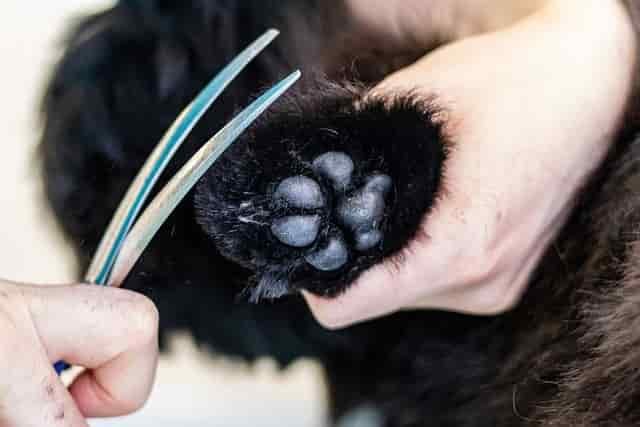
Border Collies have a thick and long coat that requires regular grooming to keep it healthy and shiny. Brushing your dog’s coat at least once a week can help prevent matting and tangling. You should also bathe your Border Collie once a month, or as needed. Additionally, regular nail trimming, teeth brushing, and ear cleaning are essential for maintaining your dog’s hygiene.

Training

Border Collies are highly intelligent and trainable dogs that require mental stimulation and exercise. Early socialization and obedience training can help prevent behavioral problems such as aggression and anxiety. Positive reinforcement techniques such as rewards and praise are effective in training your Border Collie.

Socialization

Socializing your Border Collie from a young age can help them become well-adjusted and friendly pets. You should expose your dog to children, animals, and environments to prevent them from becoming fearful or aggressive. Regular playtime and interaction with other dogs can also help improve your Border Collie’s social skills.

Exercise

Border Collies are energetic dogs that require daily exercise to keep them healthy and happy. You should provide your pet with plenty of opportunities to run, play, and explore. A daily walk, jog, or play session can help prevent boredom and destructive behavior.

Medical Care

Border Collies are generally healthy dogs, but they may be prone to certain health issues such as Collie Eye Anomaly and Hip Dysplasia. Regular veterinary check-ups, vaccinations, and deworming are essential for maintaining your dog’s health. Additionally, microchipping, spaying, and neutering can help prevent unwanted litters and health issues.

Image by April Reid from Pixabay

Conclusion

In conclusion, the cost of a Border Collie can vary depending on several factors, including the breeder, location, and lineage. Generally, you can expect to pay between $500 and $2,500 for a purebred Border Collie puppy. However, it is essential to note that the upfront cost is only a small part of the total cost of owning a Border Collie.

When considering the cost of a Border Collie, it is crucial to factor in ongoing expenses such as food, grooming, vaccinations, and vet bills. These costs can add up quickly, and it is essential to be financially prepared for the long-term commitment of owning a Border Collie.

It is also worth noting that purchasing a Border Collie from a reputable breeder can help ensure that you are getting a healthy and well-socialized puppy. While it may be tempting to opt for a cheaper puppy from a less reputable breeder, it is important to consider the potential health and behavioral issues that may arise.

Overall, while the cost of a Border Collie may seem high, the joy and love that they bring to their owners can be priceless. With proper planning and budgeting, owning a Border Collie can be a rewarding and fulfilling experience.

Frequently Asked Questions

What is the average price of a Border Collie?

The average price of a Border Collie can vary depending on several factors, such as the breeder, location, and lineage. On average, you can expect to pay between $600 to $1,200 for a Border Collie puppy from a reputable breeder.

Where can I find Border Collies for sale?

You can find Border Collies for sale from reputable breeders, animal shelters, and rescue organizations. It is important to do your research and only purchase from a reputable breeder or adopt from a reputable organization.

Are Border Collies a good choice for a pet?

Border Collies can make great pets for the right owner. They are highly intelligent, active, and require a lot of exercise and mental stimulation. They are also known for their loyalty and affectionate nature. However, they may not be the best choice for everyone, especially those who do not have the time or resources to provide them with the necessary exercise and training.

Image by Helga from Pixabay

Do Border Collies shed a lot?

Yes, Border Collies do shed a lot. They have a thick double coat that sheds seasonally and requires regular grooming to keep it healthy and free of mats.

Do Border Collies bark excessively?

Border Collies are known for their vocal nature and may bark more than some other breeds. However, excessive barking can be prevented through proper training and socialization.

What is the yearly cost of owning a Border Collie?

The yearly cost of owning a Border Collie can vary depending on several factors, such as food, grooming, veterinary care, and training. On average, you can expect to spend between $1,000 to $1,500 per year on a Border Collie. It is important to budget accordingly and provide your dog with the necessary care to keep them healthy and happy.

Filed Under: Border Collies

  • « Go to Previous Page
  • Page 1
  • Interim pages omitted …
  • Page 23
  • Page 24
  • Page 25
  • Page 26
  • Go to Next Page »

Primary Sidebar

Must-Have Puppy Essentials for New Labradoodle Owners: Your Complete Starter Guide

Bringing home a Labradoodle puppy is an exciting time filled with wagging tails and playful energy. … [Read More...] about Must-Have Puppy Essentials for New Labradoodle Owners: Your Complete Starter Guide

Best Cooling Mats for Labradoodles in Summer: Keep Your Pup Comfortable During Hot Weather

Labradoodles have thick, fluffy coats that can make them uncomfortable during hot summer months. … [Read More...] about Best Cooling Mats for Labradoodles in Summer: Keep Your Pup Comfortable During Hot Weather

Top Car Seat Covers for Labradoodle Owners: Protect Your Vehicle from Fur and Mess

Labradoodles are wonderful family dogs, but they shed fur and can track dirt into your car. Their … [Read More...] about Top Car Seat Covers for Labradoodle Owners: Protect Your Vehicle from Fur and Mess

Best Dog Beds for Large Labradoodles: Comfortable and Durable Options for Your Furry Friend

Large Labradoodles need a comfortable place to rest after a day of play and exercise. A good dog bed … [Read More...] about Best Dog Beds for Large Labradoodles: Comfortable and Durable Options for Your Furry Friend

Best Crates for Labradoodles: Complete Mini vs Standard Size Guide for 2026

Labradoodles are popular dogs that come in different sizes, from mini versions around 15-30 pounds … [Read More...] about Best Crates for Labradoodles: Complete Mini vs Standard Size Guide for 2026

Best Healthy Treats for Labradoodle Training: Expert-Approved Options for 2026

Training a Labradoodle requires patience, consistency, and the right rewards to reinforce good … [Read More...] about Best Healthy Treats for Labradoodle Training: Expert-Approved Options for 2026

Are Elevated Bowls Good for Labradoodles? What Every Owner Should Know

Labradoodles are energetic and lovable dogs that need proper care at mealtime. One important choice … [Read More...] about Are Elevated Bowls Good for Labradoodles? What Every Owner Should Know

Best Supplements for Labradoodle Joint Health: Keep Your Pup Active and Pain-Free

Labradoodles are active dogs that love to run, jump, and play throughout their lives. Their … [Read More...] about Best Supplements for Labradoodle Joint Health: Keep Your Pup Active and Pain-Free

Top Slow Feeders for Labradoodles Who Eat Too Fast: A Guide to Healthier Mealtimes

Labradoodles are energetic dogs who often get very excited at mealtime. Many of them eat their food … [Read More...] about Top Slow Feeders for Labradoodles Who Eat Too Fast: A Guide to Healthier Mealtimes

Best Dog Food for Labradoodles: Top Picks for Puppies, Adults and Seniors in 2026

Labradoodles are energetic and friendly dogs that need the right nutrition to stay healthy … [Read More...] about Best Dog Food for Labradoodles: Top Picks for Puppies, Adults and Seniors in 2026

Categories

  • Border Collies
  • Uncategorized

Superduperdog.com - Copyright © 2026