Must-Try DIY Dog Treat Recipes
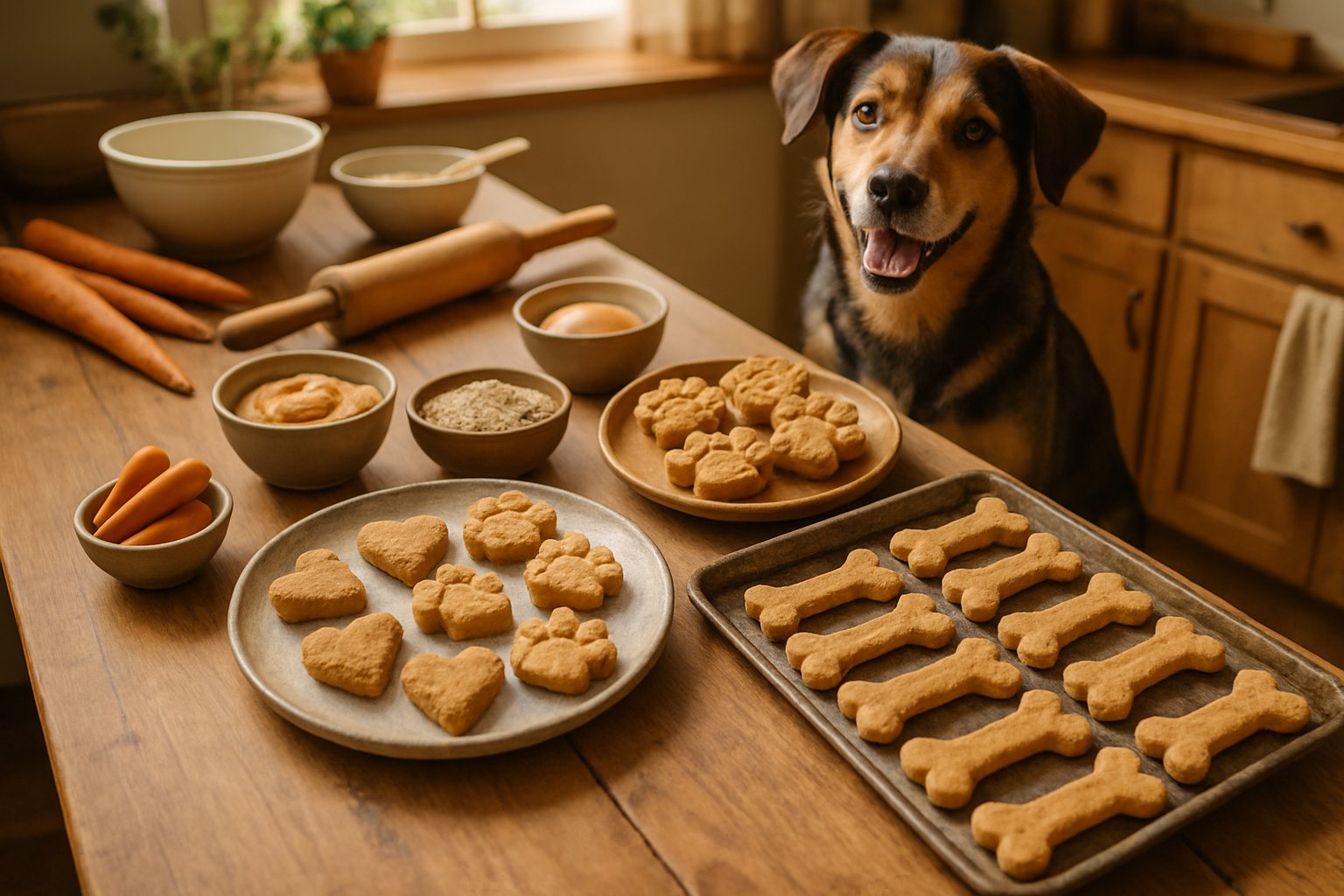
Owners can make tasty and healthy homemade dog treats with simple ingredients from their pantry. These recipes focus on wholesome foods like peanut butter, pumpkin, banana, and sweet potato that most dogs enjoy and tolerate well.
Easy Peanut Butter Dog Biscuits
Peanut butter dog treats are one of the easiest recipes to make at home. Dogs love their nutty flavor, and the dough comes together with just a few kitchen staples—whole wheat flour, eggs, water, and natural peanut butter (without xylitol).
To prepare, mix the ingredients into a firm dough, roll it out, and cut into fun shapes with cookie cutters. Bake at 350°F until the biscuits turn golden and crisp.
These peanut butter biscuits store well in an airtight container for up to two weeks. Adding a thin glaze made from peanut butter and honey gives them a little shine and extra taste.
For a detailed recipe, check out these peanut butter dog biscuit recipes from Hepper, which are vet-approved and simple to follow.
Irresistible Pumpkin Dog Treats
Pumpkin adds fiber and moisture to diy dog treats, helping digestion while keeping dogs satisfied. To make this recipe, combine pumpkin puree, egg, peanut butter, and whole wheat flour into a soft dough.
Roll the dough to about ¼ inch thickness, cut it into pieces, and bake until firm around the edges. The result is a batch of chewy, fragrant pumpkin dog treats that are easy to digest and loaded with nutrients.
For variety, bakers can add a sprinkle of cinnamon or oats for texture. The Canine Bible’s homemade dog treat recipes include pumpkin-based options that balance nutrition and taste.
Banana-Based Dog Biscuits
Bananas make a naturally sweet base for homemade dog treats and don’t require added sugar. They provide potassium, vitamin B6, and fiber, making them a good choice for everyday snacks.
Mash ripe bananas and mix with rolled oats, peanut butter, and a small amount of egg to bind the mixture. Form small balls or flatten them into cookies before baking until set.
The result is a soft and chewy dog biscuit with mild sweetness dogs enjoy. Because the dough contains fruit, these treats should be stored in the refrigerator and eaten within a week.
Dogs that prefer gentle textures will find these banana dog treats especially tasty.
Sweet Potato Chews Your Pup Will Love
Sweet potato chews are one-ingredient diy dog treats that satisfy dogs who like to gnaw. Slice sweet potatoes thinly into long strips (about ¼ inch thick), then bake at a low temperature, around 250°F, for two to three hours.
This slow bake removes moisture and creates a tough, chewy texture similar to jerky. Sweet potatoes are full of beta-carotene, fiber, and vitamin A, making them a nutritious replacement for processed snacks.
Owners can adjust baking time for different levels of chewiness. According to Pup’s Gourmet Kitchen’s easy dog treat recipes, this method produces healthy, tail-wagging results with minimal ingredients and no additives.
Fun Frozen Dog Treat Recipes
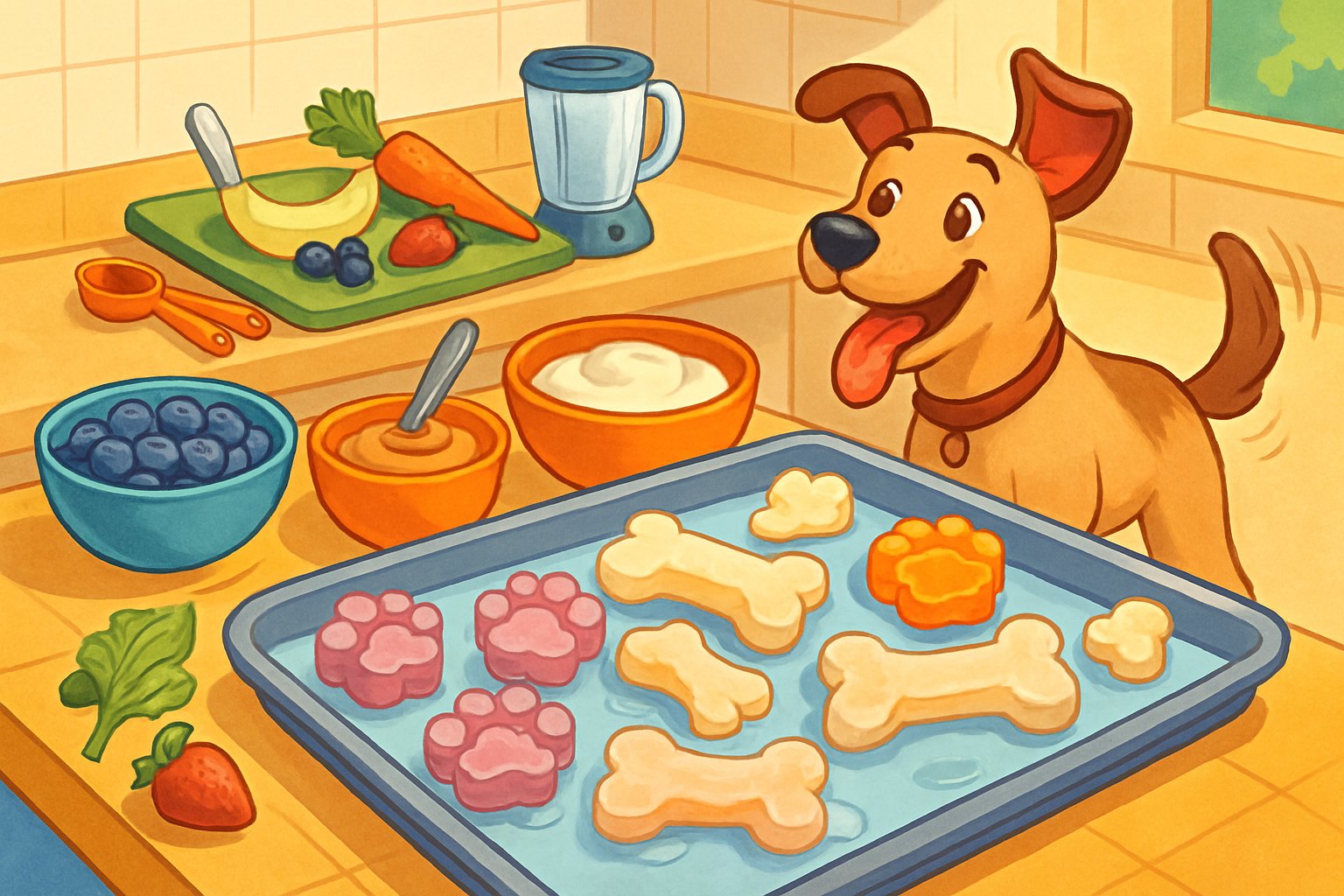
Frozen dog treats help dogs stay cool, hydrated, and satisfied during warm weather. Using ingredients like fruit, yogurt, and pumpkin gives these homemade dog treats both flavor and nutrition while keeping them easy to prepare and store in an airtight container.
Watermelon Pupsicles for Hot Days
Watermelon pupsicles are a light and refreshing option for dogs. Since watermelon is naturally hydrating and low in calories, it’s a great base for frozen snacks.
To make them, blend seedless watermelon chunks with a little water until smooth. Pour the mixture into silicone molds, ice cube trays, or paper cups.
Freeze them for about three hours or until firm. Serve one cube as a snack or mix a few pieces into a bowl after playtime.
According to Canine Journal, watermelon-based treats help dogs stay cool and can be safely enjoyed as long as seeds and rind are removed. Store leftovers in an airtight container in the freezer for up to two weeks for easy grab-and-go summer treats.
Yogurt & Berry Frozen Dog Treats
A simple mix of plain yogurt and berries creates a creamy, nutrient-rich frozen dog treat. Yogurt adds calcium and probiotics for gut health, while strawberries and blueberries supply antioxidants and natural sweetness.
These ingredients combine well without added sugar or flavoring. To prepare, combine one cup of unsweetened yogurt with a handful of fresh or frozen berries.
Spoon the mixture into a silicone mold and freeze. The team at Rover notes that using molds shaped like paws or bones makes treats fun and portion-controlled.
Yogurt & berry treats can last about one month in an airtight container. Dogs enjoy them as a cool snack after walks or outdoor play.
Pumpkin and Yogurt Freezies
Pumpkin dog treats offer a gentle option for dogs with sensitive stomachs. Pumpkin adds fiber, vitamins A and C, and a smooth texture when blended with plain yogurt.
For this recipe, mix one cup of 100% pure canned pumpkin with a half cup of plain yogurt and a small splash of water. Blend until smooth and freeze in molds or small bowls.
These creamy orange bites make cooling down tasty and healthy. The recipes featured on PetHubUSA include similar pumpkin-based treats ideal for warm days.
Keep these freezies in an airtight container for quick snacks that double as nutritious rewards your pup will look forward to.
Homemade Treat Storage, Ingredients & Tips
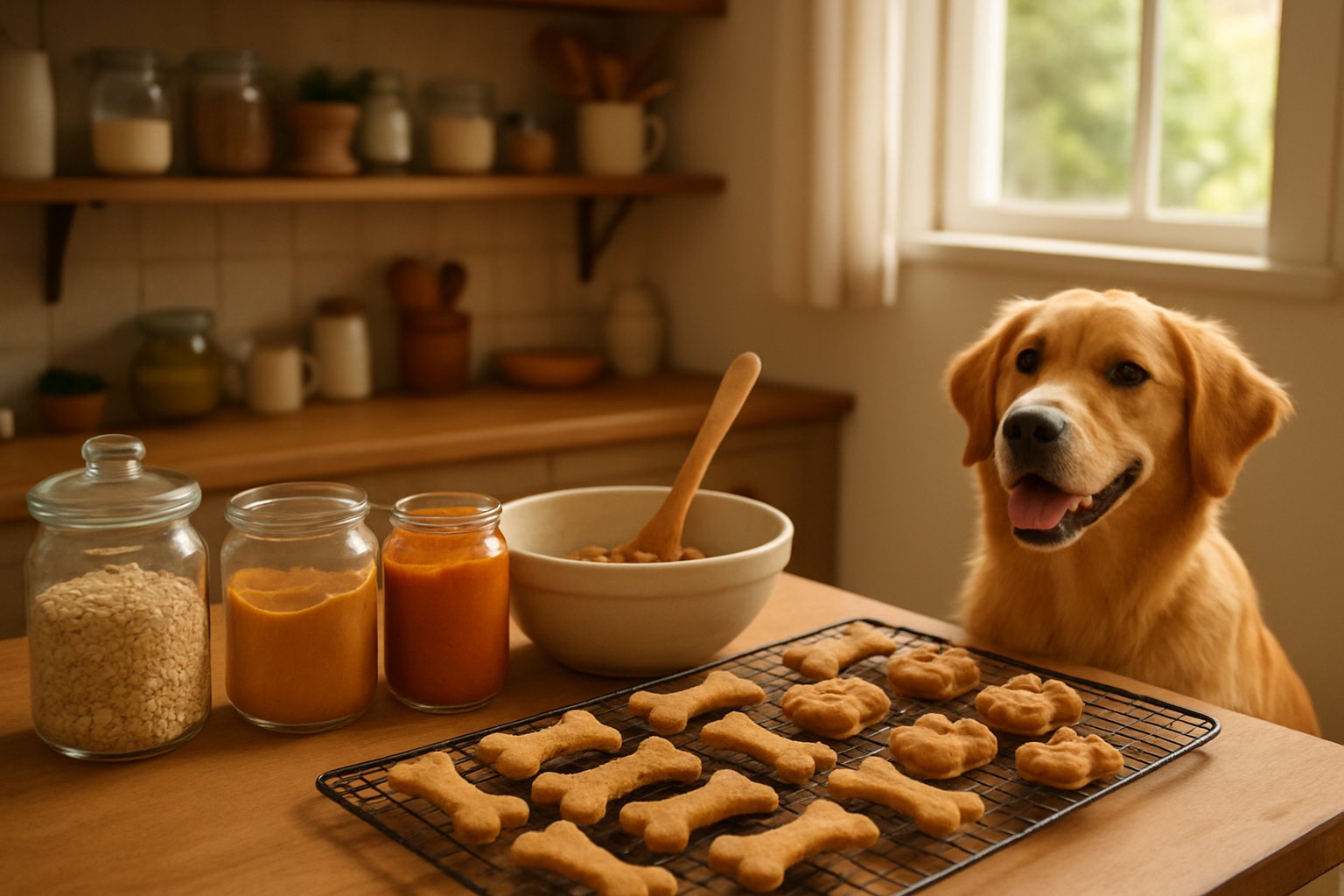
Healthy, tasty DIY dog treats depend on clean ingredients, proper storage, and a few creative touches. Focusing on freshness, safety, and variety helps owners make snacks their dogs enjoy while keeping them nutritious and easy to manage at home.
Choosing Wholesome Ingredients and Avoiding Preservatives
He or she can start by picking wholesome ingredients like oats, eggs, and natural peanut butter. Recipes that skip fillers and artificial preservatives help dogs stay healthy and reduce upset stomachs.
Ingredients such as pumpkin, carrots, or sweet potato add valuable fiber and vitamins. When baking, it’s important to use dog-safe products.
For instance, peanut butter should be xylitol-free, as noted in AKC’s homemade dog treat guide. Whole wheat or barley flour works well for most dogs, though grain-free flour like tapioca can help sensitive pups.
Using fresh produce ensures that every treat stays natural and unprocessed. Lean meats such as chicken or salmon can add protein without needing preservatives.
The fewer ingredients on the list, the easier it is to track what a dog eats and how it affects their health.
Best Ways to Store DIY Treats
Homemade dog treats tend to spoil faster because they lack stabilizers. Keeping them fresh depends on how they’re stored.
Once baked and cooled, the treats should go into an airtight container to prevent moisture absorption. Owners can place containers in a cool, dry cabinet for up to a week or refrigerate for longer shelf life.
Freezer-safe bags or boxes extend freshness for several months. Soft treats with moist ingredients like meat or cheese do better in the fridge, while dry biscuits keep fine at room temperature.
Labeling each batch with the date helps avoid serving outdated snacks. Storing treats in smaller portions also helps dogs enjoy fresh bites each time.
For those using molds like the “pyramid” pans mentioned by the American Kennel Club article, smaller shapes cool faster and freeze easily.
Creative Add-Ins and Flavor Combinations
Simple bases can become exciting with thoughtful mix-ins. Combining bacon and tapioca flour, as seen in the Easy 3 Ingredient Dog Treats recipe, adds protein and flavor while staying minimal.
Other options include apples for sweetness, or shredded cheese for extra aroma. Peanut butter pairs nicely with banana or pumpkin, creating a creamy texture most dogs love.
For something savory, sardines or chicken can be blended with oat flour for a nutritious protein snack. Balance flavor with nutrition by keeping add-ins moderate.
Too much dairy or fat can upset some dogs. Owners can rotate ingredients weekly so pets enjoy new flavors without disrupting their diet.
Tips for Safe and Enjoyable Snacking
Even healthy treats should only make up about 10% of daily calories. Overfeeding can lead to weight gain, so smaller portions work best during training.
Dogs often respond better to bite-sized rewards. Before trying new recipes, he or she should check with a veterinarian to confirm that all ingredients are safe.
This is especially important for dogs with allergies or medical issues. Using fun shapes or small molds adds variety to snack time.
Owners should store treats properly and inspect them regularly for mold or spoilage.