Beagle Traits and Temperament
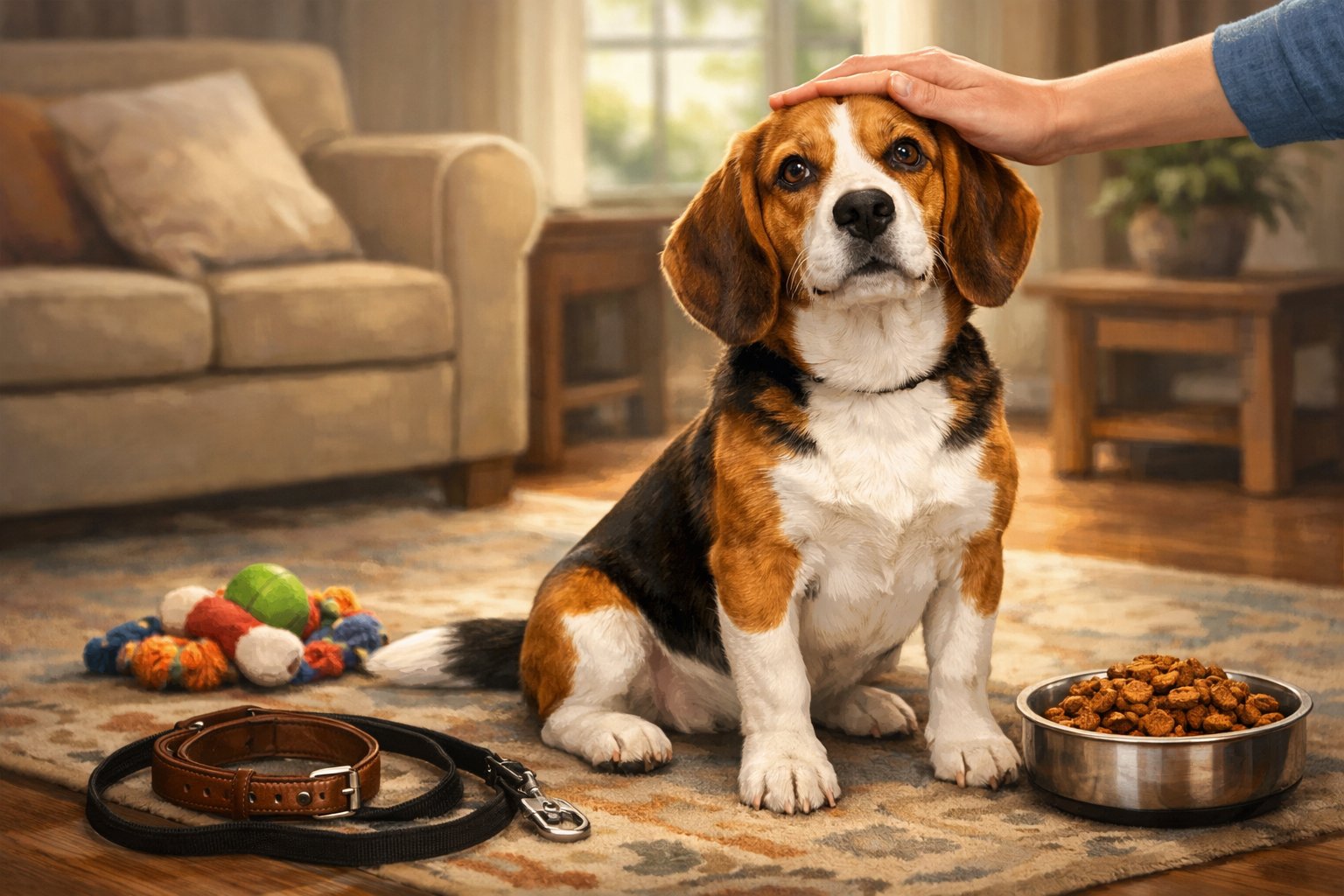
Beagles show a mix of friendliness, curiosity, and strong instincts. Their behavior reflects their history as pack hunters and affects noise levels, social needs, and daily life.
Typical Beagle Personality and Disposition
The beagle personality tends to feel warm, curious, and social. Beagles enjoy being around people and often greet strangers with interest instead of caution.
Many owners describe them as cheerful and playful, even into adulthood. As a scent hound, the beagle follows its nose with focus.
This trait can make them seem stubborn, but it comes from instinct, not defiance. Training works best with patience and food rewards.
The beagle temperament suits families and active homes. They prefer engagement and routine.
Without structure, they may get bored and look for their own fun.
Vocalizations and Noise Levels
Beagles communicate with sound more than many breeds. They bark, howl, and use a baying call linked to their hunting past.
Noise levels vary by individual, but many beagles speak up when excited, bored, or left alone. They may howl when they hear other dogs or unfamiliar sounds.
Close neighbors may notice this. Early training helps manage noise, but it rarely removes it.
Owners should expect some vocal habits as part of daily life. Quiet homes may struggle with this trait.
Companionship and Separation Tolerance
Beagles thrive on company and do best in homes where someone is around often. Many people ask, can beagles be left alone for long hours.
The answer depends on training and routine, but long isolation often leads to stress. When left alone too long, some beagles howl, pace, or chew.
These actions reflect anxiety, not bad behavior. Crate training and gradual time apart can help.
Homes with flexible schedules or another pet often suit them better. Strong bonds make beagles loyal, but they need time and attention to stay calm.
Pack Instincts and Social Behavior
Beagles were bred to work in groups, and that history shapes their social behavior. They usually enjoy other dogs and play well in group settings.
Dog parks and group walks often suit them. This pack instinct also affects life at home.
Beagles may follow family members from room to room and dislike being excluded. They want to feel included in daily routines.
Clear rules help balance their social nature. Without guidance, they may test limits or seek attention in noisy ways.
Structure supports harmony when living with a Beagle.
Daily Life with a Beagle
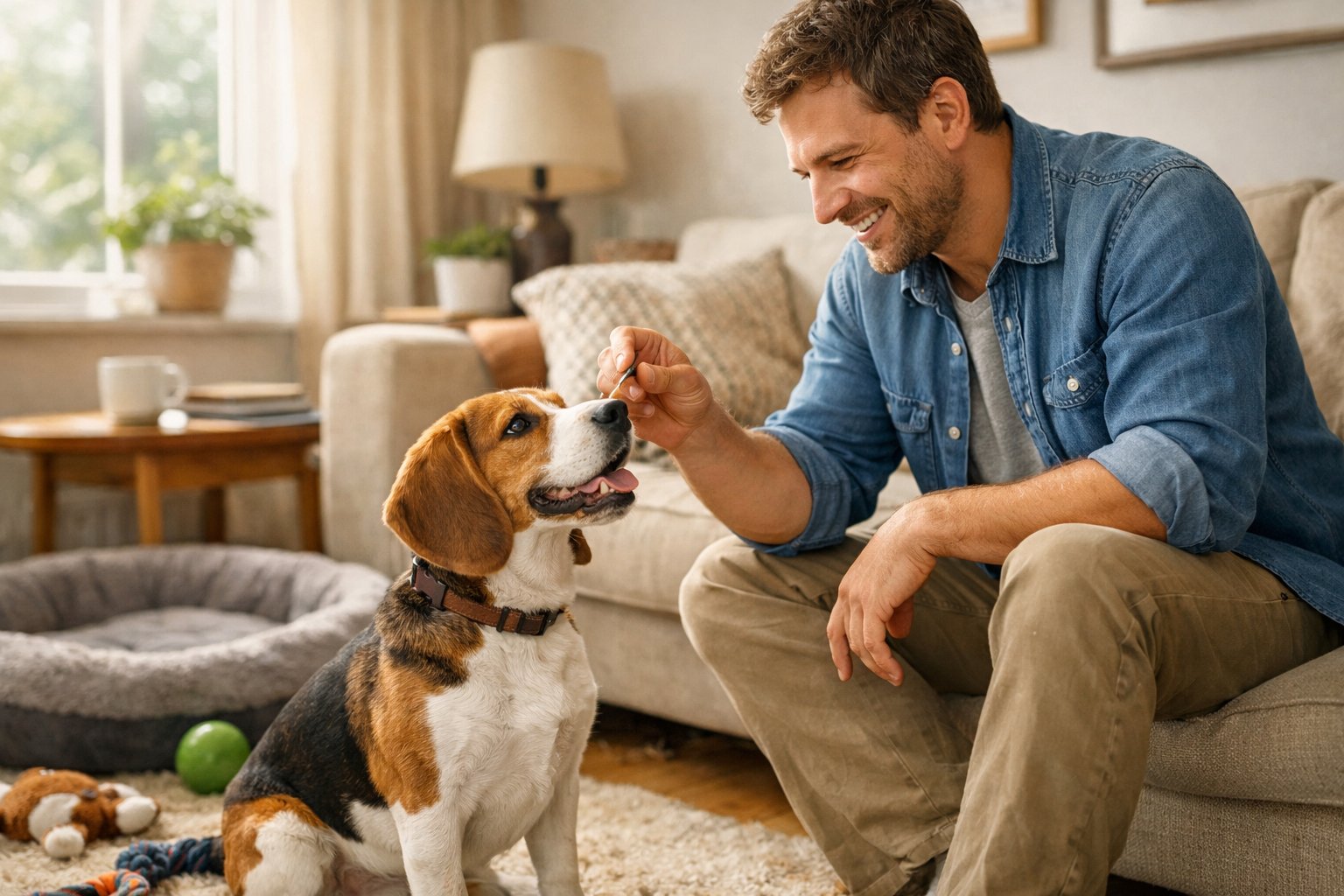
Living with a Beagle means sharing daily routines with a curious, food-driven dog that follows its nose. Life with this breed involves regular exercise, steady training, frequent cleanup, and thoughtful planning around space and noise.
Exercise and Enrichment Needs
A Beagle needs at least 60 minutes of activity each day. Many owners split this into two walks plus playtime.
Because the Beagle is a scent hound, slow sniffing walks matter more than fast laps. Mental work matters as much as physical movement.
Puzzle feeders, scent games, and hide-and-seek with treats help burn energy. Common daily activities include:
- Leash walks in safe areas
- Backyard sniff sessions
- Food puzzles or treat hunts
According to this Beagle care guide, most Beagles struggle without enough daily exercise. A bored Beagle often howls, chews, or digs.
Ease of Training and Mental Stimulation
Many people ask, are Beagles easy to train? The answer depends on expectations. Beagles learn commands quickly, but they follow scent before people.
Food rewards work best. Short sessions help keep attention.
Consistency matters more than firmness. Training tips that work well:
- Use treats with strong smells
- Keep sessions under 10 minutes
- Practice in low-distraction areas
A complete Beagle owner guide notes that Beagles respond well to positive training but ignore cues when distracted. A Beagle puppy needs early training to manage pulling, barking, and recall.
Shedding and Grooming Requirements
People often ask, do Beagles shed? Yes, they shed year-round. The short coat drops hair daily, with heavier shedding in spring and fall.
Grooming stays simple:
- Brush once or twice a week
- Bathe every few months
- Clean ears weekly
Their floppy ears trap moisture and dirt. Regular checks help prevent infections.
This AKC Beagle breed overview explains that Beagles stay easy to groom but still leave hair on clothes and furniture. A lint roller becomes part of daily life.
Adaptability to Different Living Situations
Beagles adapt well, but space and noise matter. They can live in apartments if owners meet exercise needs and manage barking.
Living situation considerations:
| Home Type | Key Needs |
|---|---|
| Apartment | Daily walks, noise training |
| House | Secure fencing |
| Family home | Supervision with food |
Beagles do best with fenced yards, but they dig and escape if bored. A brutally honest Beagle guide warns that scent trails override recall, even in familiar areas.
They thrive with people around often and struggle when left alone for long hours.
Beagle Health, Size, and Heritage

A Beagle’s size stays manageable, but health needs steady care. The breed also has a long hunting history that shapes behavior today.
Knowing these facts helps people decide if daily life with a Beagle fits their home.
Typical Beagle Size and Weight
Beagles are small to medium dogs with a solid build. Most adults stand 13 to 15 inches tall at the shoulder and weigh 20 to 30 pounds, according to the Beagle breed standard from the American Kennel Club.
They have short legs, a strong chest, and a compact body. This shape helps them track scents for long periods.
Their size makes them easier to handle than larger hounds, but they are heavier than they look. Beagle puppies grow fast in the first year.
Owners should watch weight closely during this stage. Extra pounds can strain joints early and raise health risks later in life.
Common Health Issues and Longevity
Beagle health is generally stable, but the breed has known risks. Common concerns include ear infections, obesity, and thyroid problems.
Their long ears can trap moisture, which leads to frequent infections if not cleaned. Many Beagles also love food.
This trait makes weight control important. PetMD notes that diet and exercise play a major role in preventing long-term issues for the breed, as outlined in its guide on Beagle health and care.
Most Beagles live 10 to 15 years. Regular vet visits, daily walks, and mental play help support a longer life.
Early training also reduces stress-related behaviors.
Historical Background and Ancestors
Beagles come from a long line of scent hounds. Early records link them to small hunting dogs in England used for tracking rabbits.
One ancestor often mentioned is the Talbot Hound, an extinct breed known for its strong nose. The Beagle also shares traits with the Harrier, a larger hound used for hunting hares.
Both breeds focus on scent rather than speed. Britannica describes the Beagle as a breed shaped by pack hunting and endurance, not guarding, in its detailed Beagle history and temperament overview.