• Skip to main content
  • Skip to primary sidebar

superduperdog

superduperdog

Can French Bulldogs Swim? Safety Tips Every Owner Must Know

December 26, 2025 by Jason Huskey

Can French Bulldogs Swim and Why It’s So Challenging

A French Bulldog swimming cautiously in a shallow pool with its owner watching nearby, highlighting safety during swimming.

Many owners ask if can French Bulldogs swim safely. The short answer is yes, but their body shape and health risks make water time hard and sometimes unsafe.

Understanding these limits helps owners make better choices around French Bulldogs and water.

Brachycephalic Anatomy: The Impact of Short Snouts

French Bulldogs belong to brachycephalic breeds, which means they have short snouts and flat faces. This shape affects how they breathe, especially during activity.

When swimming, a French Bulldog must keep the nose and mouth above water at all times. The short snout makes this harder, and water can enter the airway fast.

Breathing problems can start within seconds. Their compact chest and heavy head also shift weight forward.

This makes it harder to stay level in water. According to why swimming is hard for French Bulldogs, these traits increase fatigue and risk.

Dangers of Swimming for French Bulldogs

French Bulldogs swimming face risks that many owners do not expect. Panic can happen quickly, even in calm water.

Common dangers include:

  • Fast exhaustion due to poor breathing
  • Sinking because of low natural buoyancy
  • Overheating during warm weather
  • Water inhalation, which can cause breathing distress

Many experts warn that French Bulldogs should never swim without help. As explained in why French Bulldogs sink in water, even strong paddling may not keep them afloat.

A dog life jacket and close supervision reduce, but do not remove, these dangers.

Are French Bulldogs Good Swimmers Compared to Other Breeds

Most people ask are French Bulldogs good swimmers when they see other dogs enjoy the water. Compared to breeds like Labradors or Retrievers, the answer is no.

Dogs bred for water have long snouts, strong legs, and balanced bodies. French Bulldogs have short legs, dense bodies, and limited breathing capacity.

These traits work against them in water. As noted in French Bulldog swimming safety facts, some can paddle short distances with support.

Still, they do not have natural swimming skills. Owners should treat water as a controlled activity, not free play.

Essential Water Safety Tips for French Bulldogs

A French Bulldog wearing a life jacket at the edge of a swimming pool with its owner nearby, showing a safe water environment.

French bulldogs and water require extra care because this breed struggles in deep or fast-moving areas. Owners need to focus on close supervision, proper gear, and slow introductions to reduce risk during french bulldog swimming.

Supervision and Safe Swimming Environments

Owners should never leave a French bulldog alone near water. Even shallow pools can pose a risk if the dog slips or panics.

French bulldogs do best in calm, controlled places. Good options include kiddie pools, shallow pool steps, or still lakes with easy entry and exit.

Avoid rivers, ocean waves, and deep pools. Because of their body shape, many people ask can French bulldogs swim safely.

They can paddle for short moments, but they tire fast. Breathing issues also increase risk.

This is why constant, hands-on supervision matters, as explained in guides on French bulldog swimming safety.

Safer water choices include:

  • Shallow water with firm footing
  • Warm temperatures to prevent muscle strain
  • Clear exits like ramps or wide steps

Dog Life Jackets: Choosing and Using the Right One

A dog life jacket is one of the most important safety tools for this breed. It adds buoyancy and keeps the head above water.

The jacket should fit snug but not tight. It must cover the chest and belly and include a sturdy top handle.

The handle allows quick lifting if the dog struggles. Owners should look for designs made for short, broad dogs.

Articles on dog life jackets for French Bulldogs stress fit and balance as key points.

Key features to check:

  • Adjustable straps for a secure fit
  • Bright colors for easy spotting
  • A strong handle for fast support

Dogs should wear the jacket anytime they are near open water, not just when swimming.

Introducing Your French Bulldog to Water Safely

A slow approach helps reduce fear and stress. Owners should start with shallow water where the dog can stand.

Positive reinforcement works best. Calm praise and small treats help the dog feel safe.

Forced entry can cause panic and long-term fear. Sessions should stay short.

A few minutes is enough at first. Owners should watch for heavy breathing, wide eyes, or stiff movement, then stop right away.

Introducing french bulldogs and water works best when done at the dog’s pace. Comfort matters more than progress.

Alternative Water Activities and Aftercare

A French Bulldog wearing a life jacket swimming in a calm pool while its owner watches nearby, with a towel and water bowl on a table beside the pool.

French Bulldogs do not need full swimming sessions to enjoy water. Owners can choose safer play options and follow simple care steps to protect skin, ears, and breathing after water time.

Fun Options Beyond Swimming

Many dogs enjoy water without deep swimming. Shallow play lowers risk during french bulldog swimming and still gives exercise.

Safer water activities include:

  • Wading in shallow water like a kiddie pool or beach edge
  • Sprinkler play in the yard for short bursts of fun
  • Water toys on dry land, such as splash pads or mist mats
  • Supervised pool steps where the dog can stand, not float

These options reduce stress on breathing and balance. Experts note that french bulldogs swimming need close control due to body shape and head weight, which make floating hard.

Using calm, shallow settings follows common French Bulldog water safety tips shared by experienced breeders.

### Post-Swim Care and Health Considerations

After water play, quick care helps prevent common health issues. Moisture can trap bacteria in folds, ears, and paws.

Key aftercare steps:

  • Dry skin folds with a clean towel.
  • Wipe ears gently; never push deep.
  • Rinse off chlorine or salt water.
  • Offer fresh drinking water.
  • Watch breathing for signs of strain.

Short-nosed dogs can tire fast. Heavy panting, coughing, or slow recovery means it is time to stop.

Filed Under: Border Collies

French Bulldog Grooming Guide: Wrinkles, Ears, and Coat Care Made Simple

December 26, 2025 by Jason Huskey

Wrinkle Care and Facial Fold Cleaning

A French Bulldog being gently groomed with focus on cleaning facial wrinkles and inspecting ears in a tidy grooming salon.

French Bulldogs need steady wrinkle care to avoid skin irritation and odor. Clean folds often, use safe products, and pay close attention to hidden areas like the tail pocket.

Daily Wrinkle Cleaning Steps

A steady wrinkle cleaning routine keeps skin healthy and dry. Many Frenchies need cleaning once a day, especially after meals or outdoor play.

Vets often stress the importance of daily wrinkle care for French Bulldogs because moisture and dirt build up fast.

Simple steps to follow:

  • Gently open each fold with clean fingers.
  • Wipe inside the wrinkle using a soft pad or cloth.
  • Dry the area fully before letting the skin rest.

Never scrub hard. Slow and gentle motion protects the skin barrier.

Dogs with deeper folds may need extra time on the nose area and around the mouth.

Choosing Safe Wrinkle Wipes and Balms

Not all wrinkle wipes suit sensitive bulldog skin. Choose fragrance-free wipes made for dogs.

Alcohol and strong scents often cause dryness and redness. Many owners follow guidance similar to tips shared in this French Bulldog wrinkle cleaning guide.

After cleaning, apply a thin layer of vet-approved wrinkle balm when the skin looks dry or pink. Balms help reduce friction and keep folds from rubbing.

Product Type What to Look For
Wrinkle wipes Hypoallergenic, no alcohol
Wrinkle balm Vet-approved, zinc-free
Cloths Soft cotton or gauze

Use only a small amount. Too much balm traps moisture and defeats wrinkle care.

Tail Pocket Cleaning Tips

Some French Bulldogs have a tail pocket that needs special care. This fold sits under the tail and traps sweat and bacteria.

Many owners overlook it, but guides like this tail pocket cleaning resource for French Bulldogs highlight its importance. Clean the tail pocket 2–3 times a week, or daily if redness appears.

Lift the tail gently, wipe inside the fold, and dry it well. Watch for strong odor, redness, or discharge.

These signs mean the dog may need a vet check. Consistent tail pocket cleaning helps prevent painful infections and keeps the dog comfortable.

Ear Cleaning and Maintenance

A French Bulldog sitting calmly on a grooming table while a person cleans its ears with grooming supplies nearby.

French Bulldogs have upright bat ears that collect dirt and moisture fast. Regular care keeps ears clean, dry, and comfortable, while helping owners spot problems early.

Ear Cleaning Routine for Bat Ears

A steady ear cleaning routine matters because bat ears stand open and trap debris. Most French Bulldogs need cleaning about once a week, or more often after baths or swimming.

They should start by checking each ear in good light. If the ear looks pink and smells normal, cleaning is safe.

Owners can gently lift the ear flap, add a few drops of ear cleaning solution, and massage the base for 20 seconds. After the dog shakes its head, they should wipe only what they can see.

Cotton pads work best. Many step-by-step guides, like this how to clean French Bulldog ears safely, stress never pushing anything deep inside the canal.

A calm pace and treats help dogs accept ear care. Short, relaxed sessions prevent stress and resistance over time.

Signs of Ear Issues to Watch For

Healthy ears stay clean, light pink, and odor-free. Changes often signal trouble and need quick attention.

Owners should watch for:

  • Strong or sour smells
  • Redness or swelling
  • Frequent head shaking
  • Scratching at the ears
  • Thick yellow, brown, or black discharge

Pain or yelping during cleaning also matters. These signs often point to yeast, bacteria, or mites.

Detailed checklists in guides like this French Bulldog ear health guide help owners know when home care is not enough. If bleeding, pus, or balance problems appear, a vet visit should happen right away.

Cleaning alone cannot treat infections.

Ear Cleaning Tools and Solutions

Using the right tools keeps ears safe and prevents irritation. Simple supplies work best.

Recommended basics

  • Vet-approved ear cleaner made for dogs
  • Soft cotton pads or gauze
  • Clean towel
  • Small treats for rewards

A vet-approved ear cleaner protects sensitive skin and keeps the ear’s natural balance. Alcohol, vinegar, and hydrogen peroxide can burn and dry the canal.

Many grooming guides, including this essential French Bulldog grooming guide, warn against harsh liquids.

Tool Why It Helps
Ear cleaning solution Loosens wax and debris
Cotton pads Clean without pushing dirt deeper
Towel Controls mess and movement

Clean tools and gentle products keep bat ears healthy and comfortable.

Coat Care and Shedding Management

A French Bulldog is being gently groomed by a person who is brushing its coat and cleaning its wrinkles and ears at a grooming station.

French Bulldogs have a short coat that looks easy to manage, but it still needs regular care. Proper brushing, smart bathing, and steady routines help keep the French bulldog coat clean, comfortable, and healthy.

Brushing Techniques for Short Coats

A French Bulldog’s short coat benefits from gentle, frequent brushing. Brushing removes loose hair, spreads natural oils, and supports basic coat care.

It also gives owners a chance to check the skin for redness or bumps.

Best tools for short coats include:

  • Rubber grooming mitt for daily or near-daily use
  • Soft bristle brush or soft-bristle brush for weekly grooming
  • Fine-toothed comb for light work around the neck and legs

They should brush in the direction of hair growth using light pressure. One to two short sessions per week often work well, though some dogs enjoy more frequent brushing.

Bathing Frequency and Dog-Specific Shampoo

French Bulldogs do not need frequent baths. Too much bathing can dry out the skin and weaken the natural oil layer that protects the coat.

Most do well with a bath every four to six weeks, unless they get dirty or smell strong. They should always use a mild, dog-specific shampoo made for sensitive skin.

Human shampoos can cause irritation and itching. Owners should rinse the coat fully to avoid residue, then dry the dog well, especially in skin folds.

Many grooming guides, including this French Bulldog grooming guide on bathing and shedding, stress careful rinsing as a key step.

Managing Shedding Through Routine

Even with a short coat, Frenchies shed year-round. The fine hair often sticks to clothes and furniture, which surprises some owners.

Regular grooming helps reduce loose hair before it spreads.

A simple routine works best:

  • Brush 1–2 times per week
  • Increase brushing during seasonal shedding
  • Bathe on a consistent schedule

Consistent coat care supports cleaner skin and a smoother coat.

Many owners notice less shedding when they stick to basic routines described in this complete French Bulldog grooming guide focused on coat and wrinkle care.

Filed Under: Border Collies

How Much Exercise Does a French Bulldog Really Need? A Complete Activity Guide

December 26, 2025 by Jason Huskey

How Much Exercise Does a French Bulldog Really Need?

A French Bulldog walking on a leash in a green park with trees and a water bowl nearby.

French bulldogs need short, gentle activity to stay healthy. Their bodies limit how long and how hard they can move, so owners must balance daily exercise, age, and signs of fatigue.

Recommended Daily Exercise Duration

Most experts agree on a clear range for how much exercise does a French bulldog need each day. An adult french bulldog does best with 30 to 60 minutes of activity, split into short sessions.

This keeps muscles active without stressing breathing or joints. Light walks and indoor play work best.

Long runs or intense games do not fit the exercise needs of french bulldogs. According to guidance on daily French bulldog exercise limits, activity should stay gentle because frenchies tire fast.

Good daily options include:

  • 2–3 short walks of 10–20 minutes
  • Indoor play with toys
  • Short training games

Avoid heat and humidity. Warm weather raises the risk of breathing trouble.

Exercise Needs by Life Stage

Age changes the french bulldog exercise needs in clear ways. Puppies, adults, and seniors all need different routines.

Life stage Daily activity focus
Puppy (under 1 year) Short play, social time
Adult (1–7 years) Walks, play, mental games
Senior (7+ years) Very short walks, gentle movement

Puppies follow a simple rule. They should get about 5 minutes of exercise per month of age, once or twice daily.

Structured walks should stay short. Healthy adults usually manage the full 30–60 minutes.

Many vets note that French bulldogs have low exercise needs compared to other breeds. Seniors often slow down.

Joint pain and stiffness may limit walks.

Signs of Overexertion and Exercise Intolerance

Frenchies often show exercise intolerance before owners expect it. Their flat faces restrict airflow, which makes recovery slow.

Watch closely for these warning signs:

  • Heavy or noisy breathing
  • Stopping or lying down suddenly
  • Blue or pale gums
  • Excess drooling
  • Trouble cooling down

These signs mean the dog needs rest right away. According to details on breathing limits during French bulldog exercise, pushing past fatigue can cause heat stress or injury.

Short sessions and frequent breaks protect the long-term health of french bulldogs.

Best Types of Exercise for French Bulldogs

A French Bulldog walking on a leash, playing with a ball, and resting in a green park with trees and sunlight.

Frenchies stay healthy with short walks, simple indoor play, and calm time with other dogs. Each activity needs limits to protect breathing, joints, and energy levels.

Walking Guidelines and Duration

French bulldog walking works best when owners keep walks short and steady. Most adult dogs do well with 30–60 minutes per day, split into two or three walks.

This range matches common advice on French Bulldog exercise needs. Walks should stay slow and flat.

Heat and humidity raise risk fast for frenchies.

Key walking rules:

Guideline What to Do
Time 10–20 minutes per walk
Pace Easy, no jogging
Weather Cool mornings or evenings
Gear Harness, not a collar

If the dog slows down, sits, or pants hard, the walk should stop. Short walks done often work better than one long outing for french bulldog exercise.

Indoor Play and Enrichment Activities

Indoor play supports exercise for french bulldogs when weather limits outdoor time. These dogs enjoy quick bursts of movement with rest in between.

Owners should aim for 10–15 minutes per session, once or twice a day. Good options focus on the brain as much as the body.

Safe indoor activities include:

  • Tug with soft toys
  • Treat puzzles or snuffle mats
  • Hide-and-seek with food
  • Short hallway fetch on carpet

Mental games tire frenchies without stressing their lungs. Many vets support this balance, as explained in guides on how to exercise your French Bulldog safely.

Socializing Safely with Other Dogs

Social play helps french bulldog exercise, but it needs structure. Frenchies often enjoy other dogs, yet rough play can lead to breathing trouble or injury.

Owners should choose calm, friendly dogs of similar size. Play sessions should stay short.

Best practices for social exercise:

  • Start with 5–10 minutes
  • Use shaded or indoor spaces
  • Avoid high-speed chasing
  • Watch breathing and posture

Dog parks often overwhelm frenchies. Small playgroups or one-on-one meetups work better.

Breed guides on French Bulldog exercise needs stress calm interaction over nonstop running.

Filed Under: Border Collies

Common French Bulldog Behavior Problems (And How to Fix Them)

December 26, 2025 by Jason Huskey

Common French Bulldog Behavior Problems and Solutions

Two scenes showing a French Bulldog exhibiting problem behaviors like barking and chewing, and the same dog calmly sitting next to a person offering a treat and leash.

French bulldog behavior problems often follow clear patterns tied to boredom, stress, and routine. Owners see the best results when they act early and match training to the breed’s needs.

Separation Anxiety Signs and Management

Separation anxiety in French Bulldogs shows up fast and loud. Common signs include nonstop barking, pacing, drooling, or accidents soon after the owner leaves.

Frenchies bond closely with people, so sudden alone time feels stressful. Many owners mistake this behavior for stubbornness, but anxiety drives it.

Clear warning signs appear in guides on separation anxiety in French Bulldogs.

Simple steps help reduce stress:

  • Keep departures calm and brief
  • Practice short absences several times a day
  • Offer a food puzzle only during alone time

Crates help some dogs but stress others. Owners should test slowly and watch body language.

Excessive Barking and Attention-Seeking

French Bulldogs bark to get results. They bark when bored, excited, or rewarded by attention.

This behavior often grows when owners react by talking, touching, or yelling. Articles on French bulldog behavior problems note that attention-seeking barking works because it gets a response.

Effective fixes focus on timing:

  • Ignore barking until it stops
  • Reward calm behavior right away
  • Add short daily play and training sessions

Mental activity matters more than long walks. Puzzle toys and scent games reduce barking without overexertion.

Destructive Chewing and Furniture Damage

Chewing feels normal to dogs, but Frenchies often target furniture, pillows, and shoes. This usually happens during teething, boredom, or anxiety.

Owners often lack enough safe chew options. Many behavior guides, including common French Bulldog behavior problems, point to poor chew rotation as a key issue.

Helpful chewing rules:

  • Keep 3–5 approved chews available
  • Rotate chews every few days
  • Remove access to problem areas

Bitter sprays help, but supervision matters more.

Resource Guarding and Aggression

Resource guarding appears when a dog stiffens, growls, or snaps over food or toys. It often starts small and worsens if ignored.

French Bulldogs guard items when they feel insecure or rushed. Guides on French Bulldog behavior issues stress early training to prevent escalation.

A simple trade-up method works well:

Step Action
1 Approach calmly
2 Offer higher-value food
3 Say “trade”
4 Return the item

Punishment increases fear and risk. Calm exchanges build trust and reduce aggressive responses over time.

Essential Training Strategies and Prevention Methods

A French Bulldog being gently trained by a person using hand signals and treats, surrounded by icons representing common dog behavior problems and their solutions.

French Bulldogs respond best to clear rules and steady routines. Training works best when owners focus on rewards, early exposure to new situations, and timely help when problems grow beyond basic home training.

Positive Reinforcement Training Techniques

Positive reinforcement training helps French Bulldogs learn faster and with less stress. Owners should reward wanted behavior right away using small treats, praise, or play.

Timing matters more than the reward size. Short sessions work best because French Bulldogs lose focus quickly.

Five to ten minutes, two or three times a day, keeps training productive. Consistency across all family members prevents confusion.

Common rewards that work well include:

  • Soft treats that are easy to chew
  • Verbal praise in a calm, happy tone
  • Brief play with a favorite toy

Punishment often increases fear or stubborn behavior. Many guides on French Bulldog behavior problems and training methods stress that reward-based methods protect trust while correcting issues like barking or leash pulling.

Early Socialization Tips

Early socialization reduces fear-based behavior later in life. Puppies should meet new people, see other dogs, and experience different sounds before bad habits form.

Owners should start with controlled settings. Calm dogs, quiet parks, and short car rides help build confidence.

Each new experience should stay brief and positive. Key socialization areas include:

  • People of different ages and appearances
  • Other dogs with gentle temperaments
  • Environments like sidewalks, stores, and vet offices

Lack of mental activity often leads to behavior problems. Some trainers note that missing daily mental work is a major cause of issues, as explained in common French Bulldog behavior issue breakdowns.

Puzzle toys and scent games help meet this need.

When to Consult a Professional Dog Trainer

Some behavior problems need expert help. Aggression, severe anxiety, or ongoing disobedience often signal the need for a professional dog trainer.

A qualified trainer assesses the dog’s triggers. They build a plan that fits the breed’s limits.

French Bulldogs struggle with harsh methods. Owners should look for trainers who use reward-based systems.

Signs it is time to seek help include:

  • Escalating aggression toward people or pets
  • Separation anxiety that causes damage or distress
  • Training stalls despite consistent effort

Breed-specific guidance matters. Many owners benefit from structured programs like those outlined in essential French Bulldog training strategies, which focus on patience and realistic expectations.

Filed Under: Border Collies

Why French Bulldogs Are Such Great Companion Dogs: Traits & Tips

December 26, 2025 by Jason Huskey

Key Qualities That Make French Bulldogs Outstanding Companions

A French Bulldog sitting next to a smiling person in a cozy home, showing a close and happy companionship.

French bulldogs stand out as companion dogs because they form strong bonds, adjust well to daily routines, and stay calm in busy homes. They suit many households, from single adults to families with pets.

Affectionate and Loyal Nature

French bulldogs rank high among affectionate dogs because they enjoy close contact with their people. They often follow owners from room to room and prefer to rest nearby.

This behavior reflects the loving and affectionate nature of French Bulldogs, which many owners value in a companion dog. A frenchie shows loyalty through attention rather than guarding.

They respond well to calm voices and gentle handling. This makes them easy to bond with, even for first-time dog owners.

They also read human moods well. Many owners notice their french bulldog becomes quiet during stressful moments and playful during relaxed times.

Adaptability to Different Lifestyles

Frenchies adapt well to many living situations. They do not need long daily runs and feel comfortable in apartments or houses.

This flexibility explains why French Bulldog personality traits appeal to city and suburban owners. They adjust to work schedules as long as they get steady attention.

Short walks, indoor play, and routine feeding keep them content.

Lifestyle fit at a glance

Situation How French Bulldogs Respond
Apartment living Calm indoors, low space needs
Busy owners Do well with routines
Quiet homes Relaxed and observant
Active homes Playful in short bursts

This balance helps frenchies stay easy to manage without constant activity.

Good With Children and Other Pets

French bulldogs usually show patience with kids when adults set clear rules. Their size and friendly temperament help reduce rough play.

Many families describe them as good with children because they prefer gentle interaction. They also tend to be good with other pets.

Early social time helps them accept cats and other dogs without tension. A french bulldog often treats new animals as part of the group rather than a threat.

Supervision still matters, especially with young children. With guidance, frenchies fit smoothly into multi-pet and family homes.

Unique Features and Care Considerations

A French Bulldog sitting comfortably in a cozy living room with a dog bed, food bowl, leash, and chew toy nearby.

French Bulldogs stand out for their looks, easy daily care, and well-known variations. Their bodies, faces, and coats shape how owners care for them at home.

Distinctive Appearance and Physical Traits

French Bulldogs have bat ears, a wrinkled face, and a compact size that fits well in small homes. They usually weigh under 28 pounds and have a strong, muscular build.

Their short nose gives them a flat face, which many people love, but it also affects breathing. These traits mean owners should watch heat and exercise levels.

Long runs and hot weather can stress them. Vets often note breathing limits tied to flat faces, which owners should plan for, as explained in this guide to French Bulldog breed characteristics and care.

French Bulldog puppies show these traits early. Their ears often stand up within the first few months, and facial wrinkles deepen as they grow.

Low Maintenance and Grooming Needs

French Bulldogs have short coats that shed lightly and need simple grooming. Weekly brushing removes loose hair and keeps skin healthy.

Bathing every few weeks usually works well. Daily care focuses on skin folds and ears.

Moisture can build up in wrinkles, so gentle cleaning helps prevent irritation. Nail trims and dental care also matter.

Basic grooming tasks

Task How Often Why It Matters
Face fold cleaning Daily Prevents skin infections
Brushing Weekly Reduces shedding
Nail trimming Monthly Supports joint health

Their grooming needs stay low compared to many breeds, as noted in this overview of French Bulldog physical traits.

Popular French Bulldog Variations

French Bulldogs come in several coat colors and types. Standard coats include fawn, brindle, and cream.

Some owners seek rare looks, such as the lilac French Bulldog, which shows a pale gray-purple coat due to specific genetics. Another growing trend is the fluffy French Bulldog.

This type has longer hair caused by a recessive gene. While eye-catching, it needs more brushing than standard coats.

Color and coat do not change personality, but some rare traits link to higher costs and added care. Breed guides like this complete French Bulldog overview explain these differences in clear terms.

Important Health Insights for Owners

A French Bulldog sitting comfortably next to a person in a cozy home setting, showing a warm and friendly bond between them.

French Bulldogs bring a lot of joy, but they also have specific health needs. Owners who understand breathing limits and common medical risks can make better daily choices and spot problems early.

Brachycephalic Traits and Breathing

French Bulldogs are a brachycephalic breed. They have short noses, narrow airways, and compact skulls.

These traits shape how they breathe, rest, and handle exercise. Many Frenchies face BOAS, which stands for brachycephalic obstructive airway syndrome.

This condition can cause loud breathing, snoring, heat stress, and trouble after activity. Hot weather and overexertion raise the risk.

Owners should keep walks short, avoid midday heat, and watch for signs like heavy panting or blue gums. A vet familiar with brachycephalic breeds can explain testing and treatment options, including lifestyle changes or surgery when needed.

Detailed guidance appears in this expert guide to French Bulldog breathing risks and BOAS.

Common Health Concerns

French Bulldogs also face several non-breathing health issues. Skin allergies, ear infections, and eye problems rank high on the list.

One well-known eye issue is cherry eye, which causes a red bulge near the eyelid and often needs treatment.

Back health matters too. Their short, muscular build increases the risk of intervertebral disc disease (IVDD).

IVDD can lead to pain, weakness, or trouble walking. Jumping off furniture often makes it worse.

Owners can help by using ramps and keeping weight stable. Scheduling regular vet visits is also important.

Veterinarians outline these risks clearly in discussions about French Bulldog health concerns and care needs.

Filed Under: Border Collies

French Bulldog Puppies vs. Adults: What to Expect at Every Life Stage

December 26, 2025 by Jason Huskey

Growth Stages and Development Differences

Two groups of French Bulldogs side by side, with playful puppies on one side and calm adult dogs on the other, showing differences in size and features.

French Bulldogs change fast from birth to adulthood. Each stage brings clear shifts in size, behavior, and care needs.

Newborn to Weaning: Milestones and Needs

Newborn French Bulldogs depend fully on their mother. A newborn french bulldog cannot see or hear at first and spends most time sleeping and nursing.

During the earliest french bulldog growth stages, weight gain matters more than play or training. Care focuses on warmth, steady feeding, and safety.

Handling should stay gentle and brief.
Key needs during this stage include:

  • Warmth to support body temperature
  • Frequent nursing for steady growth
  • Low stress to protect health

As explained in guides on French Bulldog growth stages from birth, eyes and ears open within the first few weeks. By weaning, newborn french bulldogs start to stand, wobble, and react to sound.

Puppyhood to Adolescence: Socialization and Training

A french bulldog puppy becomes alert, curious, and social between 8 weeks and 6 months. This period shapes behavior more than any other stage.

French bulldog puppies need daily exposure to people, sounds, and safe places. Short training sessions help them learn manners and basic commands.

Consistency matters more than strict rules.
Important focus areas include:

  • Positive social contact with people and pets
  • Basic training like sit and leash walking
  • Balanced food to support french bulldog growth

Growth charts, like those used in French Bulldog puppy growth tracking, show rapid weight and muscle changes. Adolescence may bring stubborn behavior, so patience stays important.

Adulthood: Personality, Maturity, and Physical Changes

Adult French Bulldogs reach full height by about 10–12 months. Most filling out finishes soon after, as noted in studies on when a French Bulldog stops growing.

Adult french bulldogs show steadier energy and more predictable behavior. Training holds better, and routines feel easier to manage.

Common adult traits include:

  • Stable temperament with strong attachment to owners
  • Moderate exercise needs, not intense activity
  • Ongoing health care to manage weight and breathing

An adult french bulldog keeps the playful personality of puppyhood but needs less supervision and fewer daily adjustments.

Comparing Puppies vs. Adults: What Owners Should Know

A French Bulldog puppy and an adult French Bulldog side by side, showing differences in size and appearance in a cozy home setting.

French Bulldog puppies and adults bring different needs, costs, and daily routines. Owners should understand training time, health risks tied to a brachycephalic breed, and how age affects temperament and lifestyle fit.

Training and Socialization Needs

French Bulldog puppies need daily training and steady social time. They learn house rules, leash manners, and basic cues from scratch.

Short sessions work best because attention spans stay limited. Early exposure to people, pets, and sounds helps shape calm adult behavior.

Adult French Bulldogs often arrive with habits already formed. Many know basic commands and may be house-trained.

This saves time but leaves less room to change behavior. Adopting adults often means working with known traits, which many owners prefer.

Articles comparing adopting an adult French Bulldog vs a puppy highlight how predictability can reduce stress for first-time owners.

Health Considerations and Vet Care

French Bulldogs face health risks at all ages due to their brachycephalic build. Flat faces raise concerns tied to brachycephalic syndrome, including breathing trouble and heat sensitivity.

Puppies need vaccines, parasite control, and spay or neuter surgery within the first year. Adults may already show signs of chronic issues.

These can include airway limits, skin folds infections, or joint strain. Weight matters at every stage.

A healthy French Bulldog weight usually ranges from 16–28 pounds, depending on size and build. Owners often track growth using a French Bulldog growth chart during puppyhood.

Breed health guidance from the American Kennel Club’s French Bulldog overview explains these risks clearly.

Lifestyle, Commitment, and Temperament

Puppies demand more time at home. They need frequent bathroom breaks, feeding schedules, and close supervision.

Growth happens fast, and routines change often during the first year. Puppies also test limits, which requires patience and consistency.

Adult French Bulldogs usually settle into calmer patterns. They nap more and handle short periods alone better.

Temperament stays easier to predict, which helps match the dog to the household. Most adults still enjoy play but balance it with rest.

Their compact size and moderate exercise needs fit apartment living well when owners manage heat and breathing limits.

Common Challenges and Rewards

Puppies challenge owners with chewing, accidents, and night waking. Vet bills add up early.

Training mistakes can set habits that last. Owners shape behavior from the start and watch steady growth into adulthood.

Adults may bring unknown history. Some need help adjusting or unlearning past behaviors.

Medical costs may rise sooner. Many owners value giving an adult French Bulldog a stable home while gaining a dog with a clear personality and lower daily training demands.

Filed Under: Border Collies

  • « Go to Previous Page
  • Page 1
  • Interim pages omitted …
  • Page 5
  • Page 6
  • Page 7
  • Page 8
  • Page 9
  • Interim pages omitted …
  • Page 25
  • Go to Next Page »

Primary Sidebar

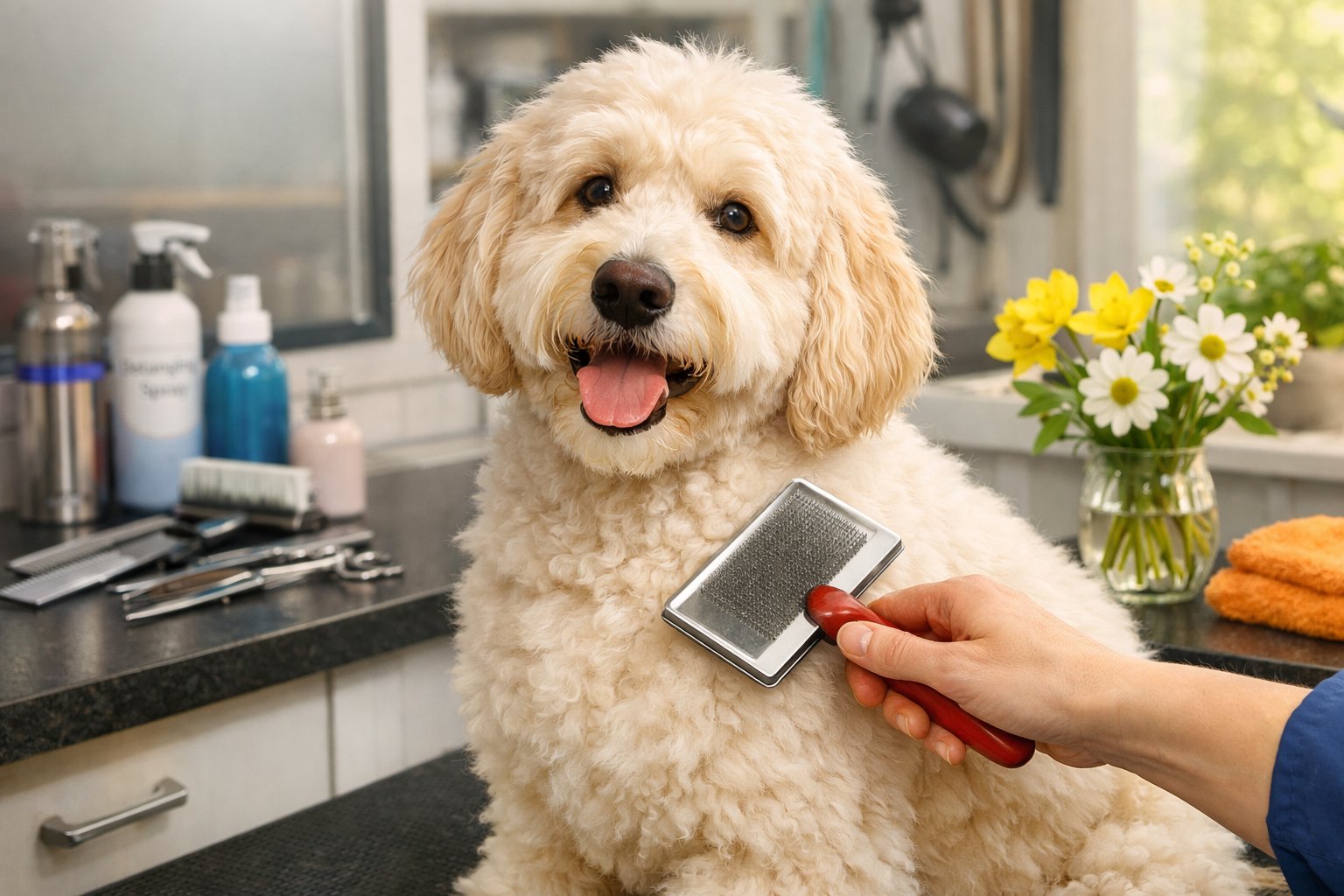
A Labradoodle dog with a fluffy coat being gently groomed with a brush and scissors, with grooming supplies nearby.

How to Prevent Matting in Labradoodle Coats: Easy Grooming Solutions

Understanding Why Labradoodle Coats Mat A Labradoodle coat tangles easily because of its … [Read More...] about How to Prevent Matting in Labradoodle Coats: Easy Grooming Solutions
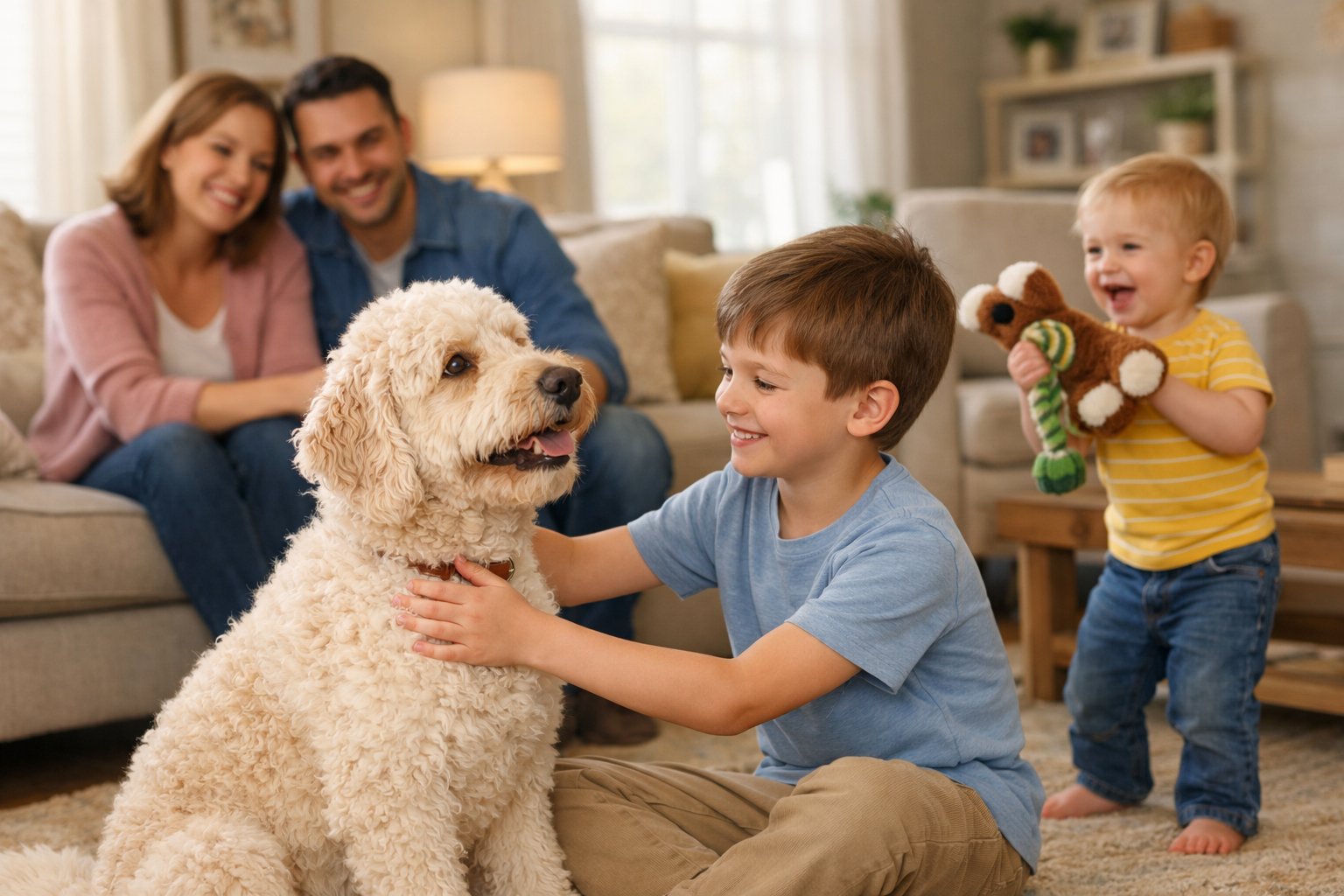
A Labradoodle dog sitting with a child and family members in a cozy living room, showing a warm and friendly interaction.

Are Labradoodles Good Family Dogs? Honest Pros and Cons Guide

Labradoodle as a Family Dog: The Essentials The labradoodle combines traits from the Labrador … [Read More...] about Are Labradoodles Good Family Dogs? Honest Pros and Cons Guide

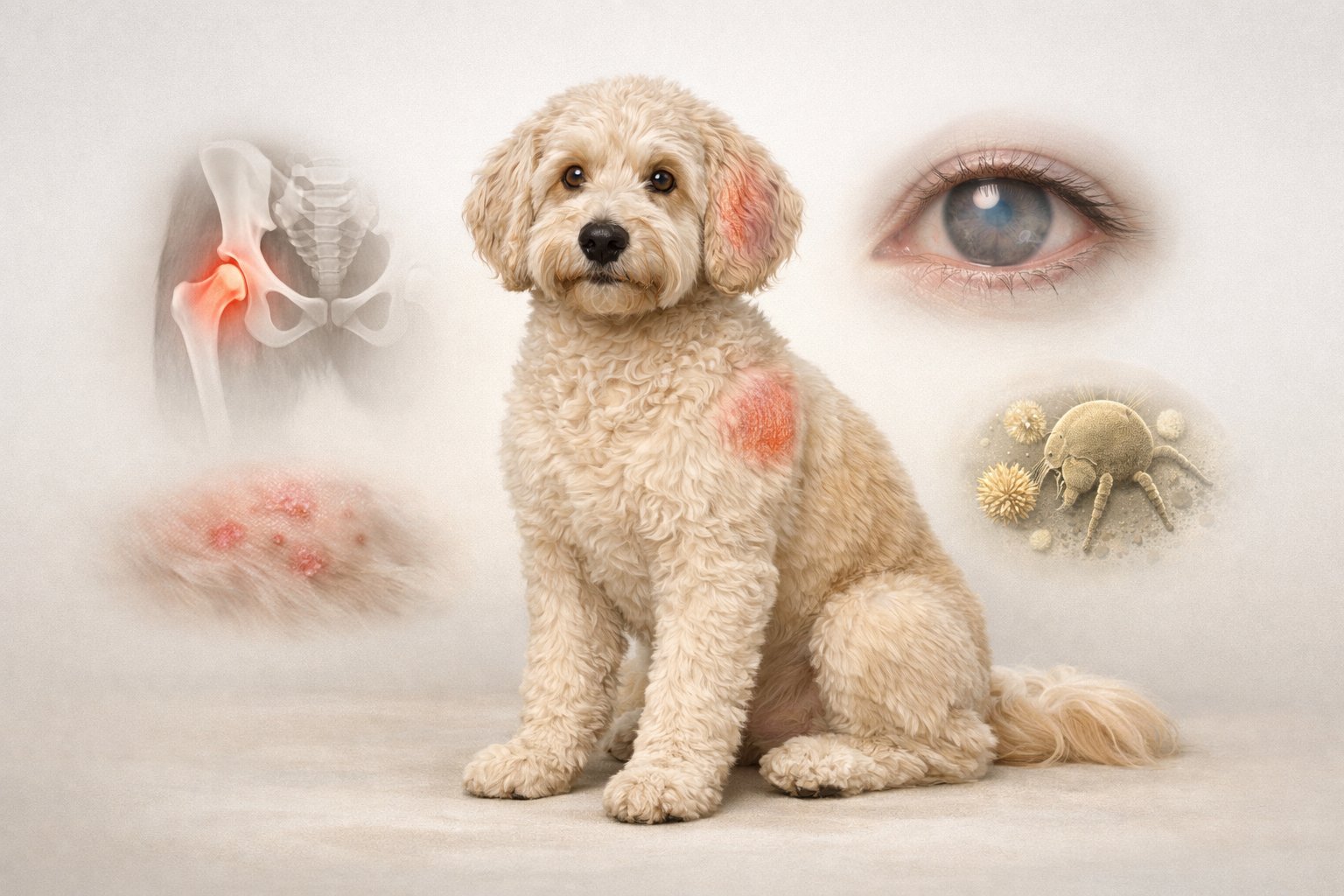
A Labradoodle dog standing calmly with subtle highlights on its joints, skin, and eyes indicating common genetic health issues.

Labradoodle Health Issues Every Owner Should Watch For: Key Risks & Prevention

Genetic and Inherited Health Problems Some labradoodle health problems start at the genetic … [Read More...] about Labradoodle Health Issues Every Owner Should Watch For: Key Risks & Prevention

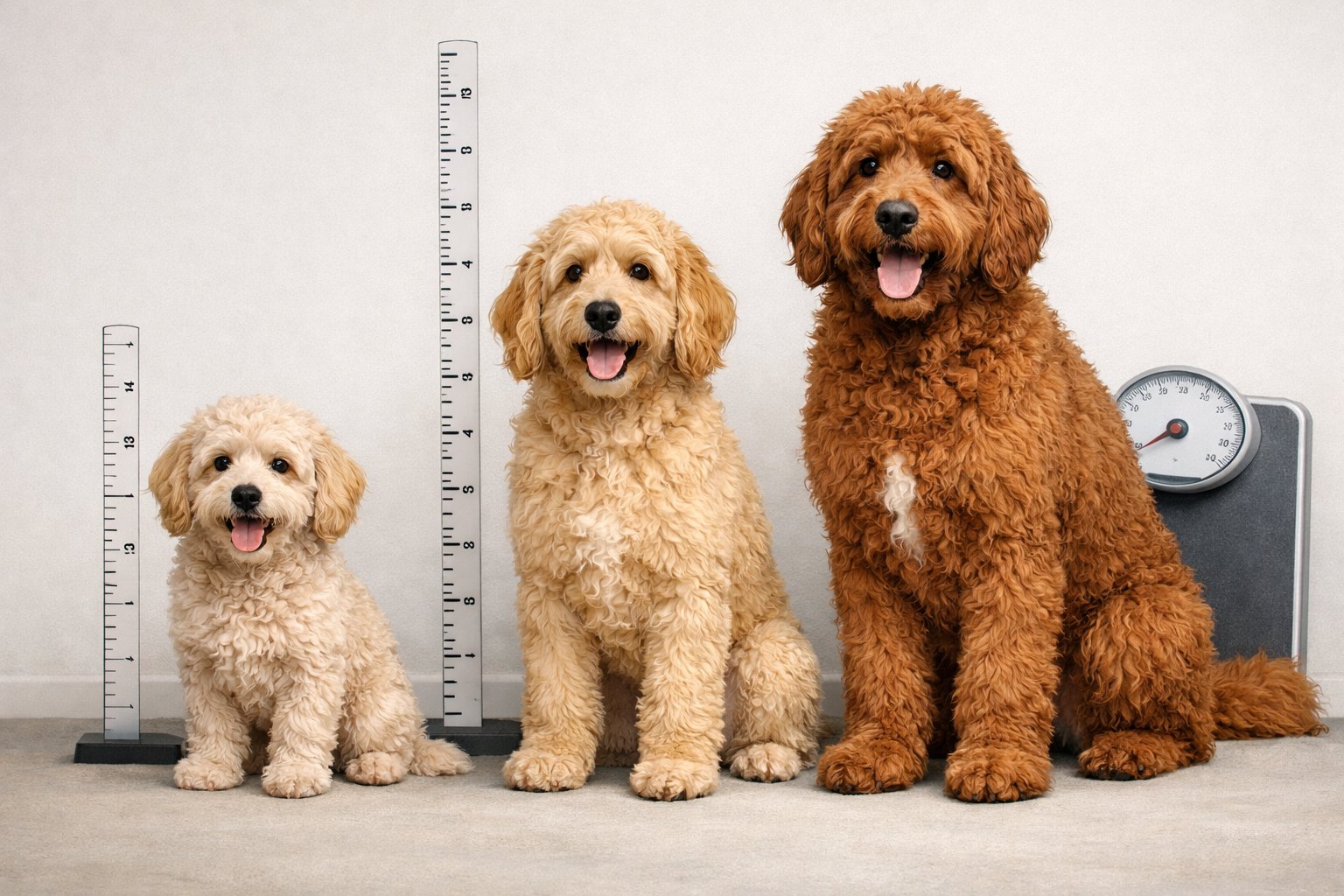
Three Labradoodles of different sizes standing side by side, showing small, medium, and large dogs for comparison.

Labradoodle Size Guide: Mini, Medium, and Standard Explained Clearly

Labradoodle Size Categories and Key Differences Labradoodle size affects daily care, space … [Read More...] about Labradoodle Size Guide: Mini, Medium, and Standard Explained Clearly

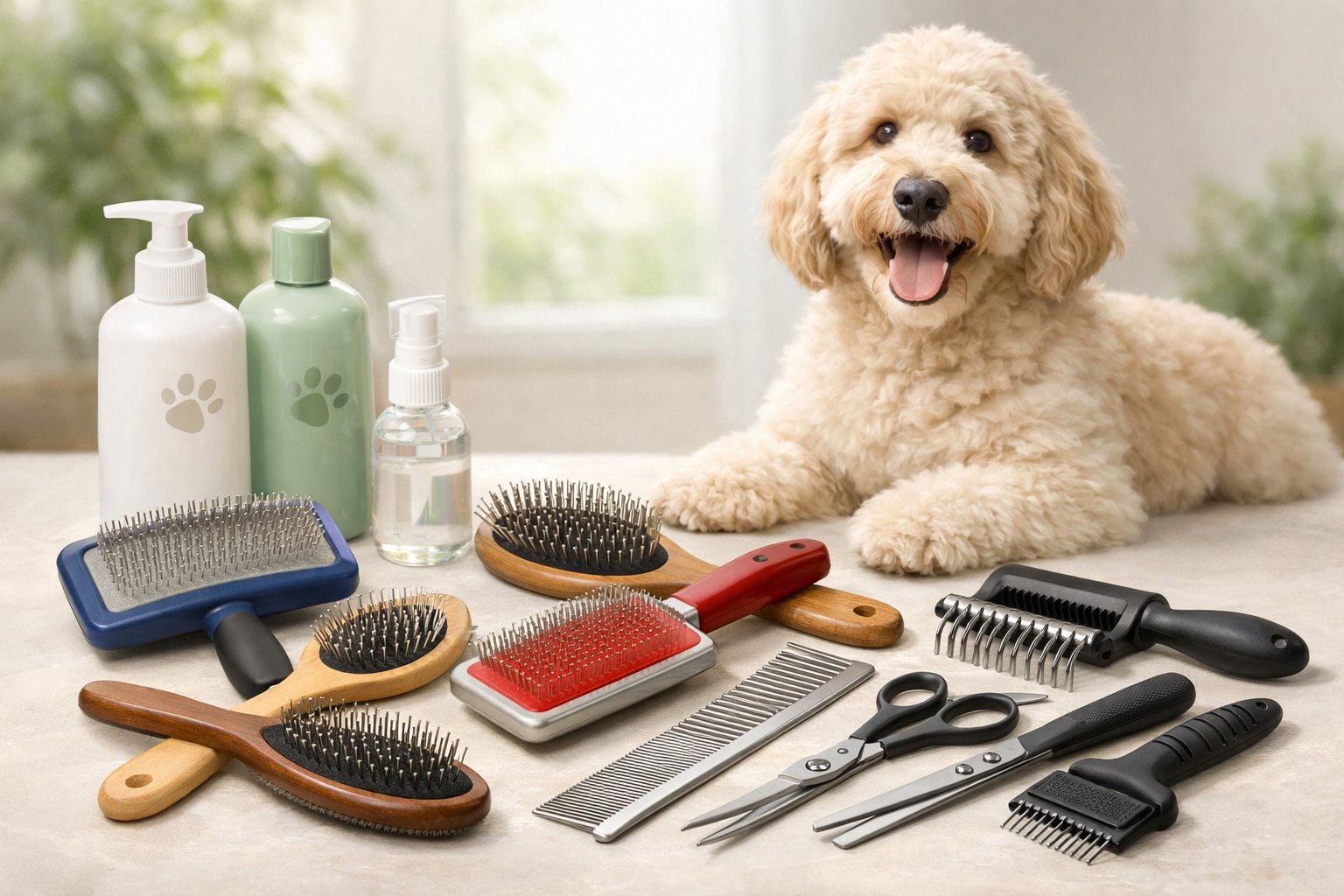
A Labradoodle sitting calmly next to various grooming brushes, shampoos, and tools arranged on a surface.

Best Brushes, Shampoos, and Tools for Labradoodles: Groom your Doodle Right

Choosing the Best Brushes for Labradoodles Labradoodles have coats that range from wavy to … [Read More...] about Best Brushes, Shampoos, and Tools for Labradoodles: Groom your Doodle Right

A Labradoodle dog attentively sitting in a training room, looking at a trainer holding a treat and giving a hand signal.

Labradoodle Training Tips for Smart but Easily Distracted Dogs: Essential Strategies for Focus and Obedience

Creating a Focused Foundation for Your Labradoodle A Labradoodle learns best when training … [Read More...] about Labradoodle Training Tips for Smart but Easily Distracted Dogs: Essential Strategies for Focus and Obedience

A Labradoodle dog is shown with scenes around it illustrating common behavior problems like chewing furniture, barking, jumping, and pulling on the leash, alongside people calmly correcting these behaviors indoors and outdoors.

Common Labradoodle Behavior Problems (and How to Fix Them): Practical Solutions for a Happier Dog

Most Common Labradoodle Behavior Problems Many Labradoodle behavior problems come from high … [Read More...] about Common Labradoodle Behavior Problems (and How to Fix Them): Practical Solutions for a Happier Dog

Side-by-side images of Labradoodle puppies playing and adult Labradoodles standing calmly, showing differences in size and appearance.

Labradoodle Puppies vs. Adults: What to Expect as They Grow

Key Differences Between Labradoodle Puppies and Adults Labradoodle puppies and adult dogs … [Read More...] about Labradoodle Puppies vs. Adults: What to Expect as They Grow

A Labradoodle dog being groomed by a professional in a clean grooming salon with grooming tools and a calendar showing regular grooming intervals.

Labradoodle Grooming Guide: How Often, Cost, and Money-Saving Tips

How Often to Groom a Labradoodle and What It Costs Labradoodles need regular grooming to stay … [Read More...] about Labradoodle Grooming Guide: How Often, Cost, and Money-Saving Tips

Illustration showing Labradoodles of different ages and sizes with icons representing various exercise activities and durations.

How Much Exercise Does a Labradoodle Actually Need? Essential Daily Routines & Best Activities

Labradoodle Exercise Requirements by Age and Size Labradoodle exercise needs change as the … [Read More...] about How Much Exercise Does a Labradoodle Actually Need? Essential Daily Routines & Best Activities

Categories

  • Border Collies
  • Uncategorized

Superduperdog.com - Copyright © 2026