What Hypoallergenic Really Means for Labradoodles
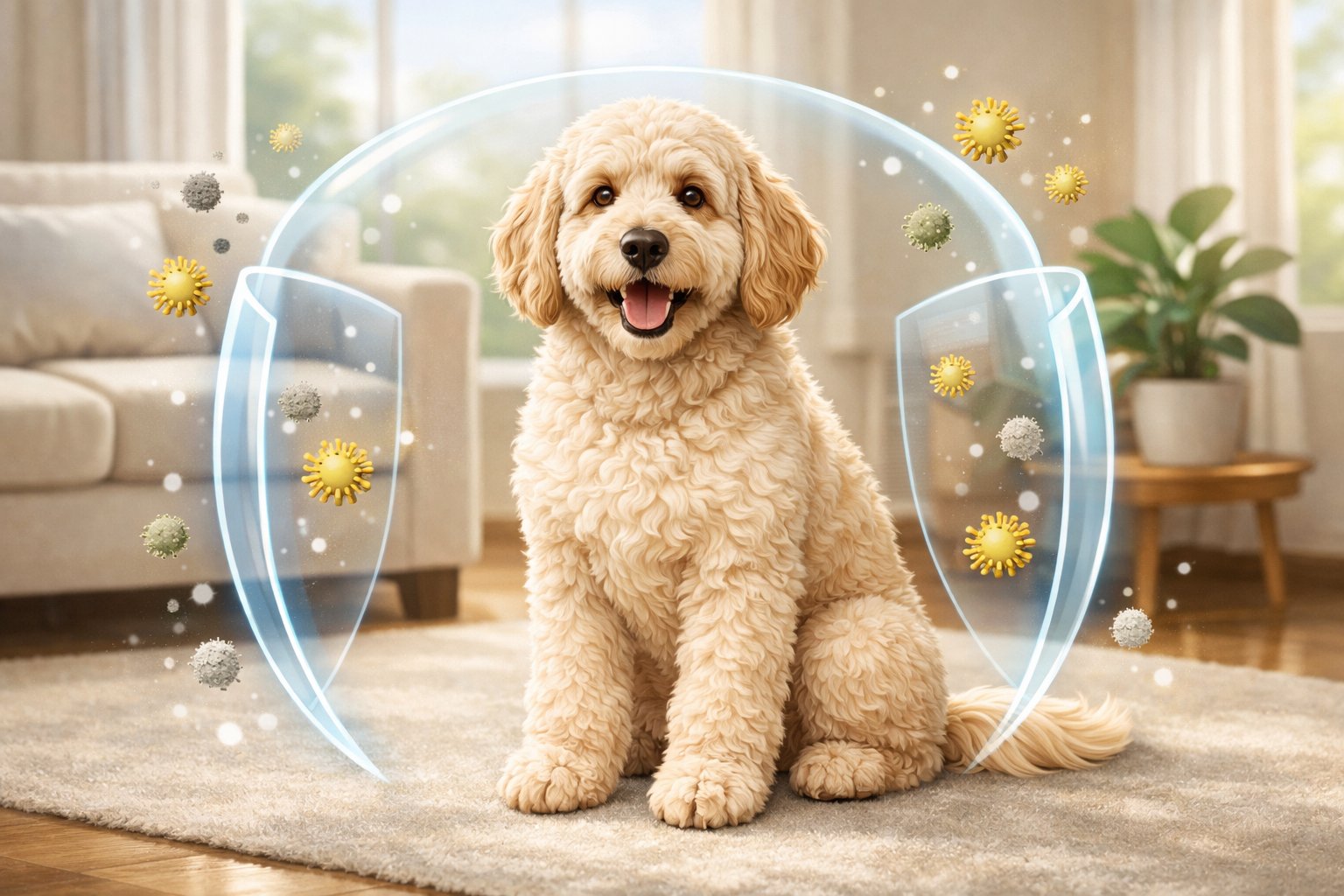
People often ask if a Labradoodle is a true hypoallergenic dog. The answer depends on why the breed exists, how dog allergens work, and what science says about pet allergies.
Why the Labradoodle Was Created for Allergy Sufferers
Breeders first created the Labradoodle by mixing a Poodle with a Labrador Retriever. The goal was to develop a guide dog that caused fewer allergy problems.
Poodles already ranked among more allergy-friendly dogs because they tend to shed less. The idea focused on coat type, not eliminating allergens.
Some Labradoodles inherit more Poodle traits, while others lean toward the Labrador side. This mix explains why people still debate are Labradoodles hypoallergenic.
Many veterinarians and breeders note that Labradoodles can help some allergy sufferers, but results vary. Articles like Is a Labradoodle Hypoallergenic? Vet-Verified Facts explain that early breeding goals did not guarantee consistent allergy outcomes.
How Dog Allergens Cause Reactions
Dog allergies come from proteins, not fur. The main trigger is Can f 1, a protein found in dog dander, saliva, and urine.
Dogs spread this protein when they lick, shed skin cells, or groom themselves. People react differently to allergens.
One person may tolerate a Labradoodle well, while another may not. Coat texture matters because curly or fleece coats may trap dander instead of releasing it into the air.
Allergy testing helps people understand their sensitivity level. It cannot predict reactions to a specific dog, but it can guide decisions.
Guides like Are Labradoodles Hypoallergenic? Expert Breeder Guide stress that individual dogs vary, even within the same litter.
The Myth of Allergen-Free Dogs
No breed qualifies as completely allergen-free. The term hypoallergenic dog means “less likely to cause reactions,” not “safe for everyone.”
This applies to Labradoodles and other so-called hypoallergenic dog breeds. Marketing often oversimplifies the idea.
Many articles, including Labradoodle Allergy Concerns: Are They Truly Hypoallergenic?, explain that shedding alone does not control allergies.
The key factors include:
- Individual dog allergen levels
- Coat type and grooming
- Severity of pet allergies
- Home environment
Labradoodle Coat Types and Their Impact on Allergies
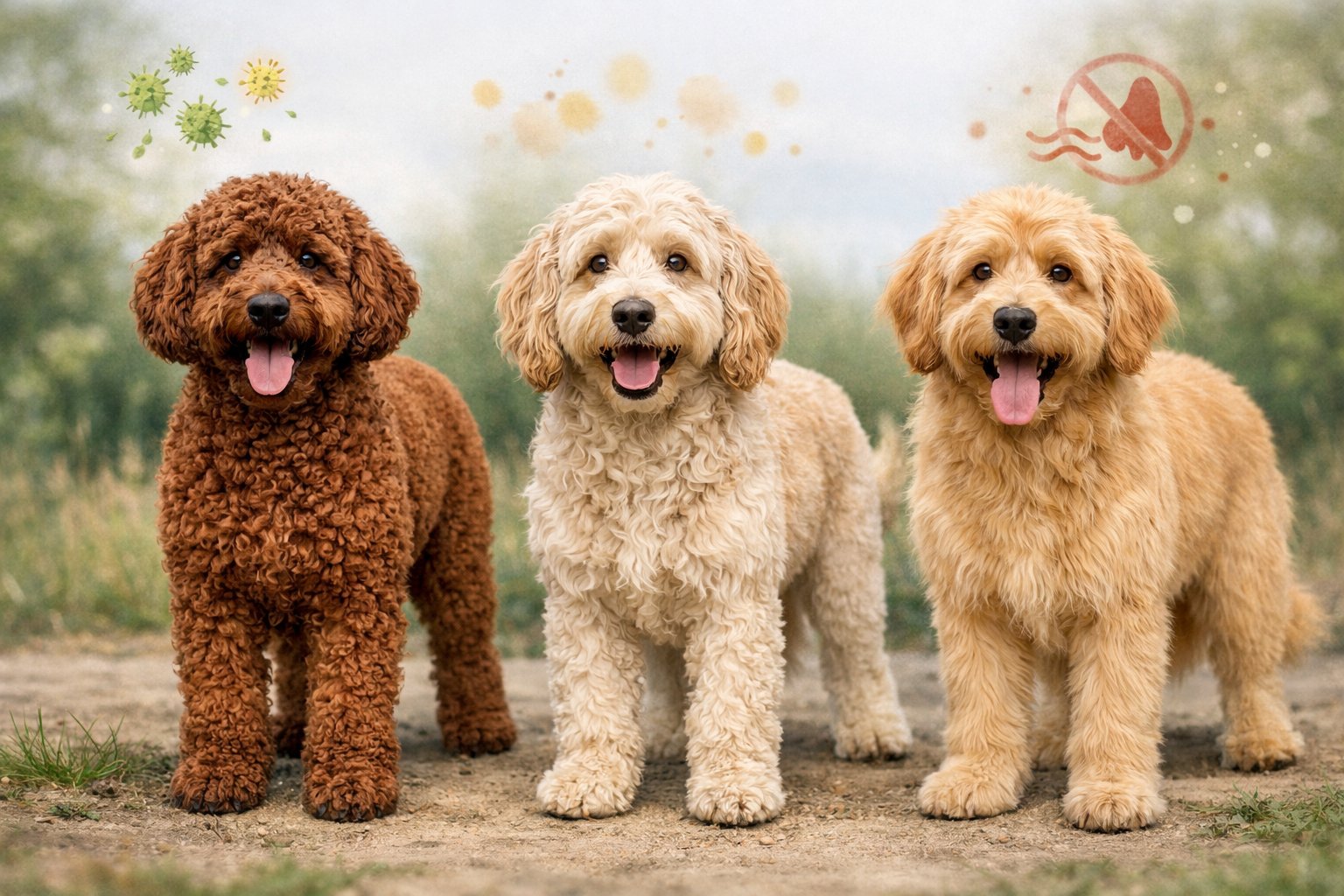
Labradoodle allergies depend more on coat type and genetics than on the breed name alone. Understanding how each coat works helps families choose a more allergy-friendly Labradoodle with fewer surprises.
Wool, Fleece, and Hair Coats: Key Differences
Labradoodle coat types fall into wool, fleece, and hair. Each one feels different, sheds differently, and affects allergies in distinct ways.
A wool coat looks and behaves like a poodle coat. It has tight curls, high density, and very little shedding.
Grooming takes time, but the coat holds loose dander close to the skin. A fleece coat feels soft and silky, with loose waves or curls.
Many people prefer fleece because it sheds less than hair but needs less upkeep than wool. A hair coat looks like a Labrador coat.
It lies flat, sheds often, and spreads dander easily. This coat type appears more often in early crosses.
| Coat Type | Texture | Shedding Level |
|---|---|---|
| Wool | Tight curls | Very low |
| Fleece | Wavy or loose curls | Low |
| Hair | Straight | High |
Allergy Potential of Each Coat Type
No Labradoodle is fully hypoallergenic. Allergies react to proteins in dander and saliva, not fur itself.
Coat structure controls how much dander spreads into the home. Wool coats usually work best for people with stronger allergies.
Their tight curls trap dander and reduce airborne allergens. This makes them common in dogs marketed as a hypoallergenic Labradoodle.
Fleece coats often suit mild to moderate allergies. They shed very little, especially with regular brushing and grooming.
Many families report good results with consistent care. Hair coats trigger more reactions.
Shedding releases dander into carpets, furniture, and air. For allergy concerns, this coat type works poorly.
According to guidance on Labradoodle coat types and allergies, coat texture and grooming habits matter as much as genetics.
Poodle Ancestry and the Role of Generations
Poodle ancestry plays a major role in allergy outcomes. The closer the coat resembles a poodle-like coat, the better it tends to control dander.
A first-generation Labradoodle, also called an F1 Labradoodle, has one Labrador parent and one Poodle parent. Coat types vary widely.
Some shed heavily, while others do not. Later generations, such as F1B or multigenerational Labradoodles, often show more consistent coats.
Breeders select dogs with low-shedding traits over time. Research on how Labradoodle generations affect allergies shows that predictability improves as poodle ancestry increases.
Still, each dog remains an individual.
Choosing an Allergy-Friendly Labradoodle
Choosing an allergy-friendly Labradoodle requires more than picking a puppy online. Direct exposure matters.
Allergy specialists and breeders often suggest spending time with the specific dog. Reactions can vary even within the same litter.
Personal testing gives clearer answers than coat labels alone. Curly or wavy coats usually work better than straight ones.
Regular grooming, bathing, and home cleaning reduce allergen buildup. Guides like how coat type affects Labradoodle allergy risk stress honest expectations.
No coat removes allergens completely, but the right match can make daily life manageable.
Practical Ways to Manage Allergies with Labradoodles
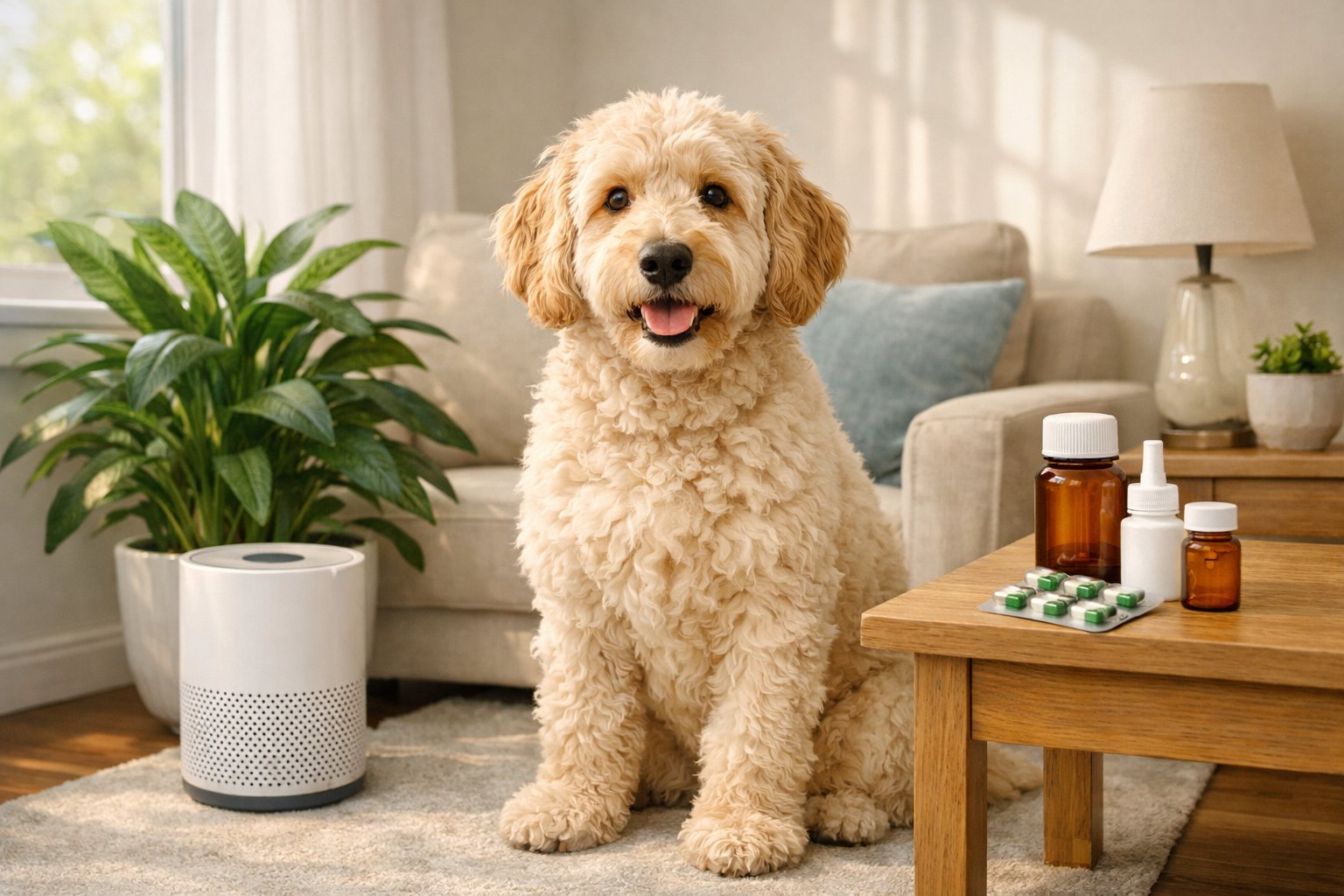
Many people live well with Labradoodles by lowering allergen levels and treating symptoms early. Daily habits, home setup, and medical support make the biggest difference.
Regular Grooming and Professional Care
Regular grooming reduces loose hair, dander, and saliva that trigger reactions. They should brush the dog 3–4 times a week using a slicker brush to pull out trapped hair without irritating the skin.
Baths every 3–6 weeks help, but too many baths can cause skin conditions that raise allergen levels. A mild dog shampoo works best.
They should dry the coat fully to prevent odor and flakes. Professional grooming every 6–8 weeks keeps the coat trimmed and clean.
Many groomers understand allergy concerns and can recommend coat lengths that shed less. Articles on managing Labradoodle allergies explain why grooming matters for sensitive owners.
Reducing Allergen Levels at Home
Home setup plays a big role in managing pet allergies. HEPA air purifiers capture fine particles like dander.
They work best in bedrooms and living rooms where people spend the most time. They should set up pet-free zones, especially bedrooms.
This step alone often improves sleep and breathing. Washing dog beds weekly and vacuuming with HEPA filters also helps.
Simple habits matter. Wiping paws after walks and cleaning surfaces limits spread.
Guides on reducing Labradoodle allergens at home show how small changes can lower exposure without removing the dog.
High-impact steps
- HEPA air purifiers in main rooms
- Weekly washing of dog bedding
- Hard floors instead of carpet where possible
Helpful Tools and Allergy Treatments
Medical support can ease symptoms when home care is not enough. Over-the-counter allergy medicine helps many people.
A doctor can guide safe options. For long-term relief, immunotherapy may reduce sensitivity over time.
Allergy shots or drops train the immune system to react less. This approach takes months but helps some families stay comfortable.
Special wipes and sprays lower dander between baths. These tools support daily care without stress.
Vet-reviewed advice on treating Labradoodle allergy symptoms explains how to combine tools and medical care safely.