• Skip to main content
  • Skip to primary sidebar

superduperdog

superduperdog

Jason Huskey

Common Behavior Problems in Border Collies (and How to Fix Them): Expert Solutions for Happier Dogs

December 24, 2025 by Jason Huskey

Most Common Behavior Problems in Border Collies
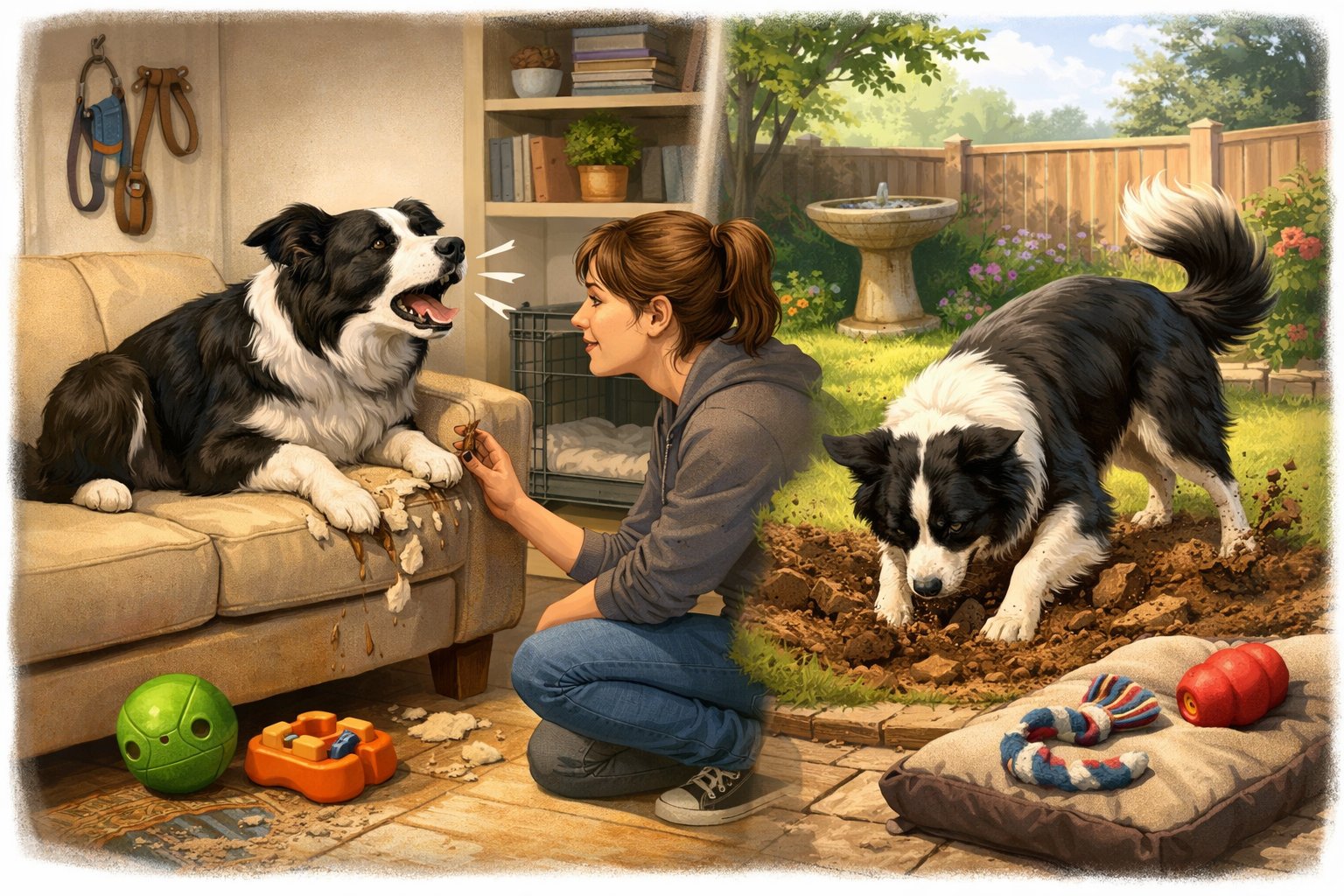
A Border Collie in a home setting showing behavior problems like chewing and barking, with a trainer and toys nearby suggesting solutions.

Border Collies show behavior problems when their minds or bodies lack enough work. Many issues tie to high energy, strong herding instincts, and close bonds with people.

Excessive Barking

Excessive barking ranks among the most common border collie behavior problems. Border Collies bark to release energy, signal stress, or react to movement and noise.

Boredom causes much of this behavior. A dog without daily tasks may bark at doors, cars, or shadows.

Anxiety can also trigger barking, especially in busy homes. Helpful steps include daily exercise, clear routines, and short training sessions.

Teaching a quiet command works best when paired with rewards.

Common triggers

  • Long periods alone
  • Lack of mental games
  • Loud or fast-moving surroundings

Destructive Chewing

Destructive chewing often shows up as torn cushions, chewed shoes, or damaged doors. This destructive behavior usually links to boredom or stress, not spite.

Border Collies need more than walks. Without puzzles or training games, they find their own outlets.

Puppies chew while teething, but adults chew when under-stimulated. Owners reduce damage by offering safe chew toys and rotating them often.

Crate training can help when done properly and never used as punishment.

Items often targeted

  • Furniture legs
  • Shoes and socks
  • Remote controls

Separation Anxiety

Separation anxiety affects many Border Collies due to their strong attachment to people. Signs include barking, pacing, accidents, and escape attempts.

This issue often starts when a dog never learns to be alone. Sudden schedule changes can also trigger anxiety.

Gradual alone-time training helps. Short departures that slowly increase build confidence.

Leaving calm music or a familiar scent can also ease stress.

Warning signs

  • Destructive behavior near exits
  • Howling soon after departure
  • Heavy drooling or panting

Obsessive Herding and Nipping

The herding instinct defines border collie behavior. When unmanaged, it turns into obsessive behaviors like chasing kids, bikes, or cars.

Nipping at heels often appears during play or excitement. The dog tries to control movement, not cause harm.

Redirection works better than punishment. Fetch, agility, and structured games give the dog a proper outlet.

Teaching impulse control commands also helps.

Common targets

  • Running children
  • Joggers or cyclists
  • Other pets

Digging

Digging often frustrates owners, but Border Collies dig for clear reasons. Heat, boredom, and prey smells top the list.

Some dogs dig to cool off. Others dig when left alone too long.

Yard digging can also signal unmet exercise needs. Designating a digging zone can reduce damage.

Filling holes quickly removes reinforcement. Extra playtime often solves the issue faster than correction.

Why digging happens

  • Excess energy
  • Cool soil seeking
  • Rodent scents

Effective Solutions and Training Methods
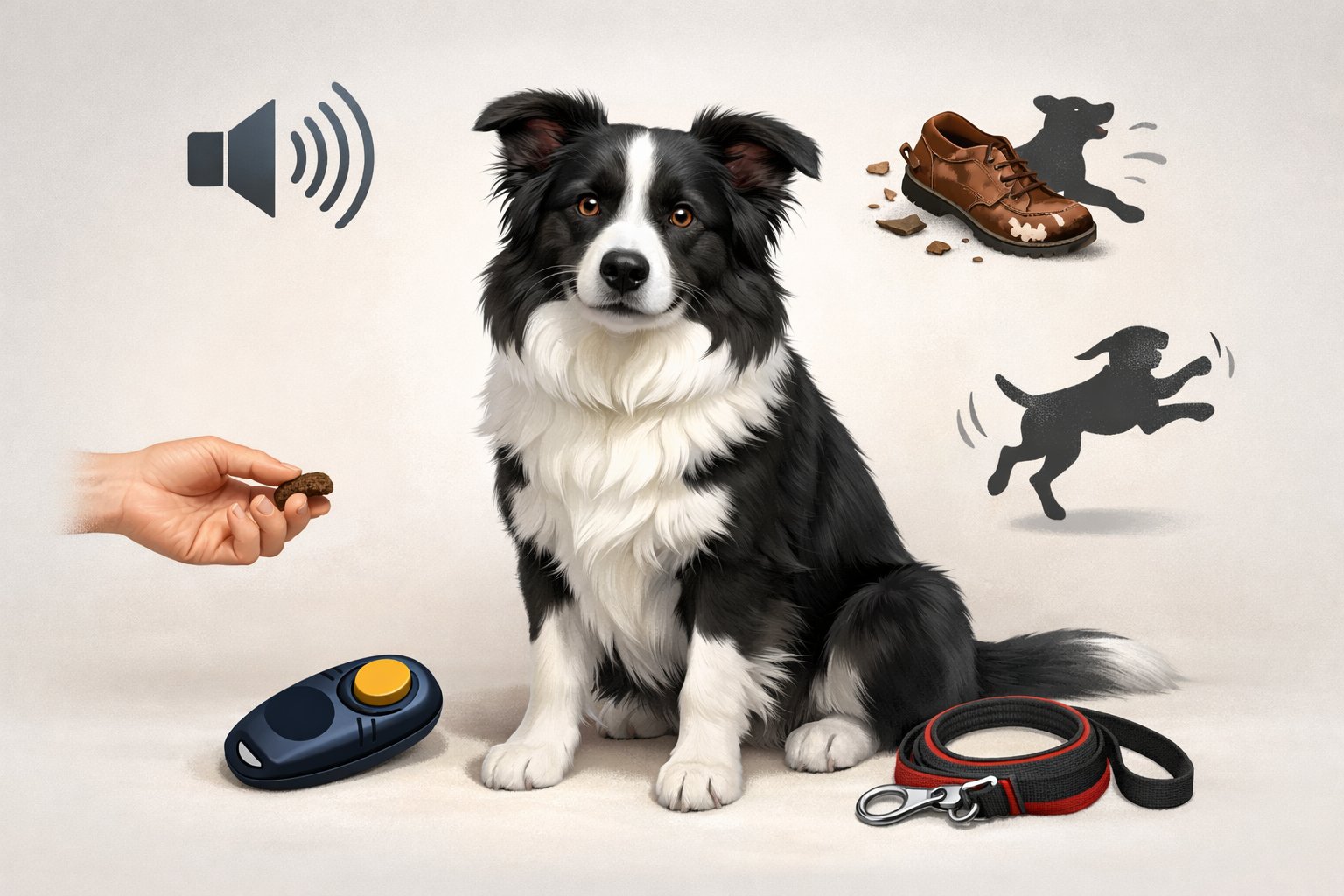
A Border Collie surrounded by icons representing common behavior problems and training tools, illustrating solutions for managing the dog's behavior.

Border Collies need clear outlets for energy, steady mental exercise, and calm, fair guidance. Owners who pair physical exercise with structured training methods see better focus and fewer behavior problems.

Channeling Energy and Instincts

Border Collies show strong work ethic and high drive. Daily physical exercise prevents hyperactivity and destructive habits.

Long walks alone often fall short. Owners get better results when they mix movement with purpose.

Activities that use instincts work best.

Effective options include:

  • Agility training to burn energy and build control
  • Interactive games like fetch with rules
  • Herding-style games that teach start and stop cues

Short, intense sessions help more than long, unfocused ones.

Mental Stimulation and Enrichment

Mental exercise matters as much as physical work. Border Collies get bored fast, which leads to chewing and restlessness.

Owners should rotate puzzle toys, scent games, and food-dispensing tools. These tasks slow the dog down and improve focus.

A simple routine works well:

  • Morning: short training session with basic commands
  • Midday: puzzle toys or chew toys
  • Evening: calm problem-solving games

Changing toys weekly keeps interest high.

Training Techniques for Border Collies

Clear rules and reward-based training shape good behavior. Border Collies respond best to positive reinforcement training that rewards correct choices.

Effective training methods include:

  • Clicker training for precise timing
  • Obedience training with short, focused drills
  • Treats, praise, or play as rewards

Training sessions should last 5–10 minutes. Consistency and patience matter more than intensity.

Harsh corrections often increase anxiety.

Addressing Anxiety and Calming Strategies

Some Border Collies struggle with anxiety, especially when under-stimulated or left alone. Signs include pacing, whining, and destructive behavior.

Calming starts with routine. Dogs relax when meals, walks, and training happen at set times.

Helpful tools include:

  • Calming aids like pressure wraps
  • Quiet chew toys for downtime
  • Slow sniffing games indoors

Owners should reward calm behavior, not just active work. Structured rest teaches the dog how to settle.

Preventing and Managing Behavioral Issues
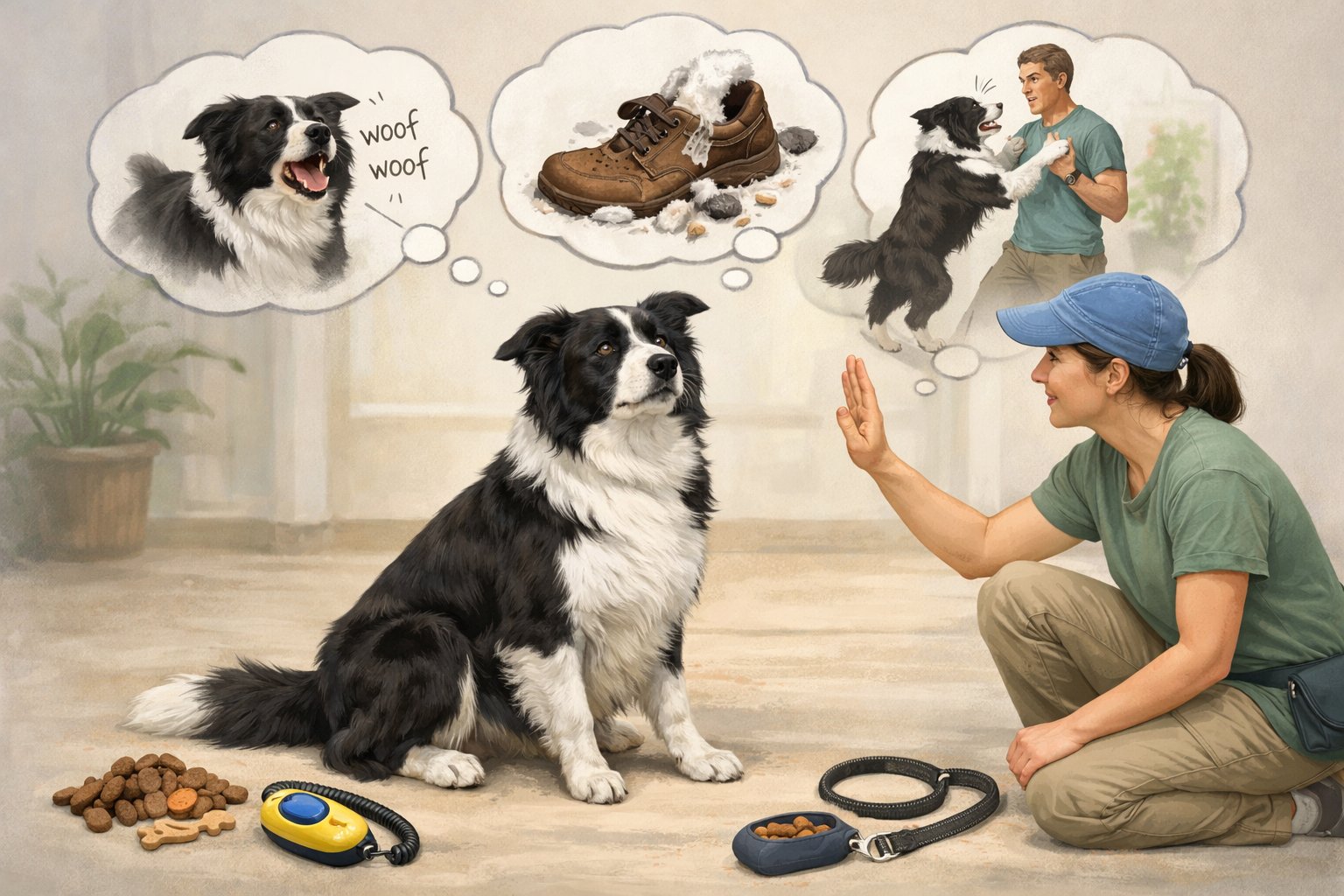
A Border Collie with a dog trainer in an indoor training setting, showing common behavior problems like barking, chewing, and jumping, along with training tools for managing these issues.

Strong habits form early, and daily routines keep them steady. Early socialization lowers fear and reactivity, while timely professional help stops small issues from becoming hard problems.

Importance of Early Socialization

Early socialization shapes how a Border Collie responds to the world. Puppies should meet many people, calm dogs, and safe places before 16 weeks.

These short, positive visits reduce fear and lower the risk of aggression towards other dogs. Owners should pair new experiences with treats and praise.

This builds trust and supports obedience. Controlled playdates, puppy classes, and quiet walks help a lot.

A simple plan helps keep progress steady:

  • People: adults, kids, and visitors in hats or coats
  • Dogs: friendly, vaccinated dogs in calm settings
  • Places: parks, sidewalks, and pet‑friendly stores

Consistent socialization helps a Border Collie grow into a calm, loyal companion.

When to Seek Professional Help

Some behaviors need professional help. Owners should act if barking, chewing, or anxiety does not improve with routine changes.

Growling, snapping, or aggression towards other dogs calls for faster action. A professional dog trainer can assess triggers and build a clear plan.

Trainers often focus on structure, rewards, and safe exposure. For anxiety tied to long days alone, a dog walker can add mid‑day exercise and reduce stress.

Clear signs to get help include:

  • Ignoring basic cues despite practice
  • Escaping, pacing, or self‑injury
  • Sudden behavior changes

Filed Under: Border Collies

Mental Stimulation Games Every Border Collie Needs: Brain-Boosting Activities for Intelligent Dogs

December 24, 2025 by Jason Huskey

Essential Mental Stimulation Games for Border Collies

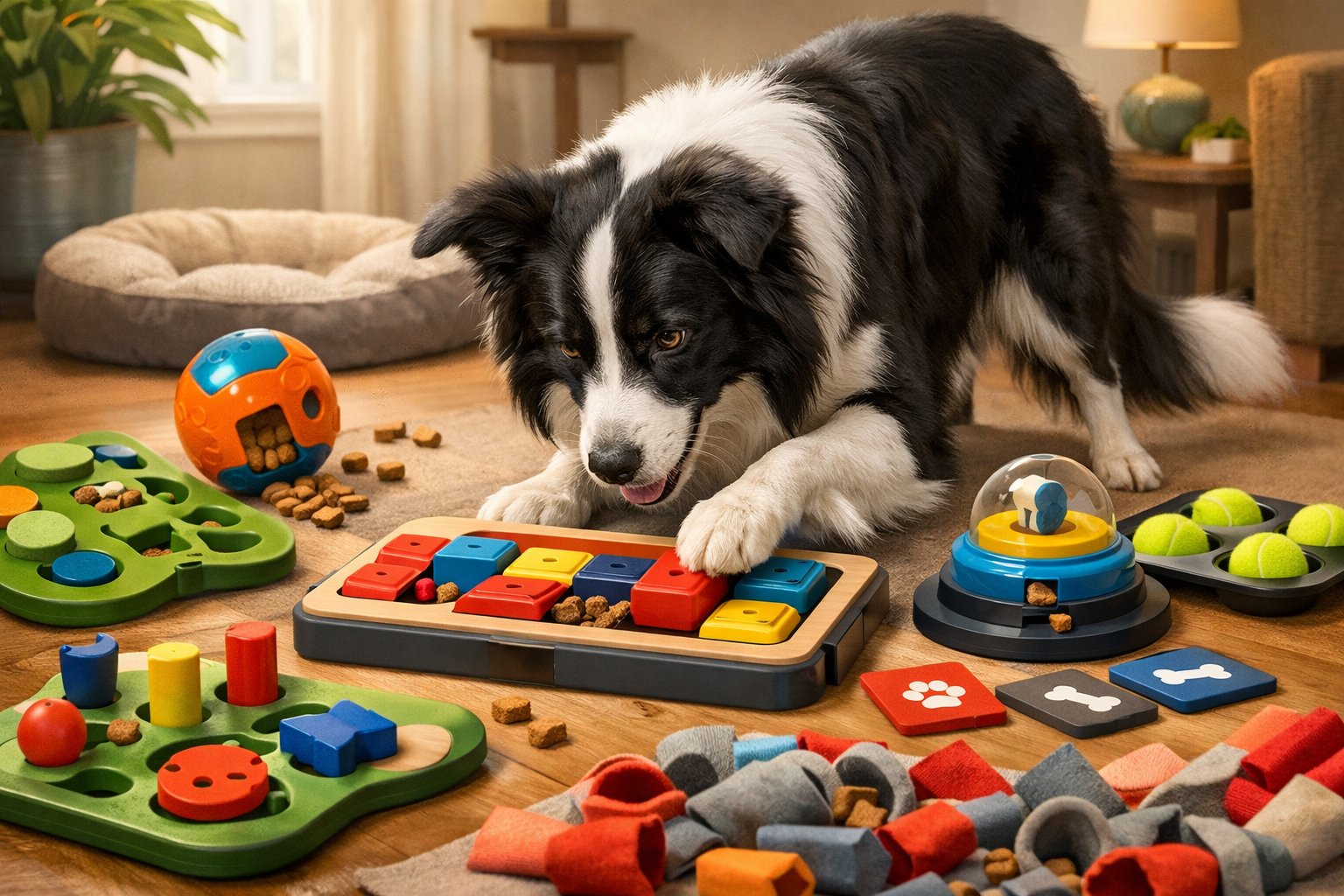
A Border Collie playing with various mental stimulation toys indoors, focusing on solving a puzzle game.

Border collies need daily mental stimulation to stay calm and focused. The right games build problem-solving skills and reduce boredom-driven hyperactivity.

Puzzle Toys for Problem-Solving Skills

Puzzle toys give border collies clear mental challenges with a reward at the end. These interactive toys ask the dog to slide, lift, or spin parts to release food.

That process builds problem-solving abilities. Many dogs stay engaged longer when owners rotate toys instead of leaving the same one out every day.

Short sessions work best and prevent frustration.

Common puzzle toy styles

Toy type Mental skill used
Treat sliders Cause-and-effect thinking
Food balls Patience and focus
Flip lids Memory and control

This type of mental enrichment pairs well with short walks. For more ideas, this guide on interactive puzzle toys for border collies explains how to match toy difficulty to skill level.

Scent Work and Nose Games

Scent work uses a border collie’s strongest sense. Simple scent games like hiding treats around a room create a powerful mental workout.

These games tap into natural scent skills and require steady focus. Owners often start easy by hiding food in plain sight, then increase difficulty by using boxes, towels, or different rooms.

This type of mental exercise tires the brain faster than many forms of physical exercise. Scent games also help dogs who struggle with anxiety.

Slow sniffing lowers stress and improves attention. Articles on daily scent games and mental stimulation show how short sessions fit into normal routines.

Hide and Seek: Tapping Into Instincts

Hide and seek blends brain games with movement. One person hides while another holds the dog, then calls them to search.

The dog must track sound, scent, and memory at the same time. This game supports mental stimulation activities without special tools.

It also strengthens recall and listening skills. Border collies enjoy the challenge because it mimics light herding and searching tasks.

Owners should keep the game fair. Hiding spots should challenge the dog but still allow success.

Repeating the game in different rooms keeps the mental challenges fresh and rewarding.

Agility Courses and Brain Workouts

Agility training works both the body and mind. Dogs must listen, remember patterns, and move with control.

Each obstacle adds a new decision, which turns exercise into a full mental workout. Home agility does not need professional gear.

Cones, low jumps, and tunnels work well. Short courses reduce injury risk and prevent overload.

Agility also channels herding instincts into safe structure. Dogs learn to wait, move, and respond to cues.

This balance of mental exercise and physical exercise helps reduce hyperactivity. Many enrichment ideas appear in this overview of agility-based mental enrichment for border collies.

Training and Interactive Activities for Daily Mental Engagement

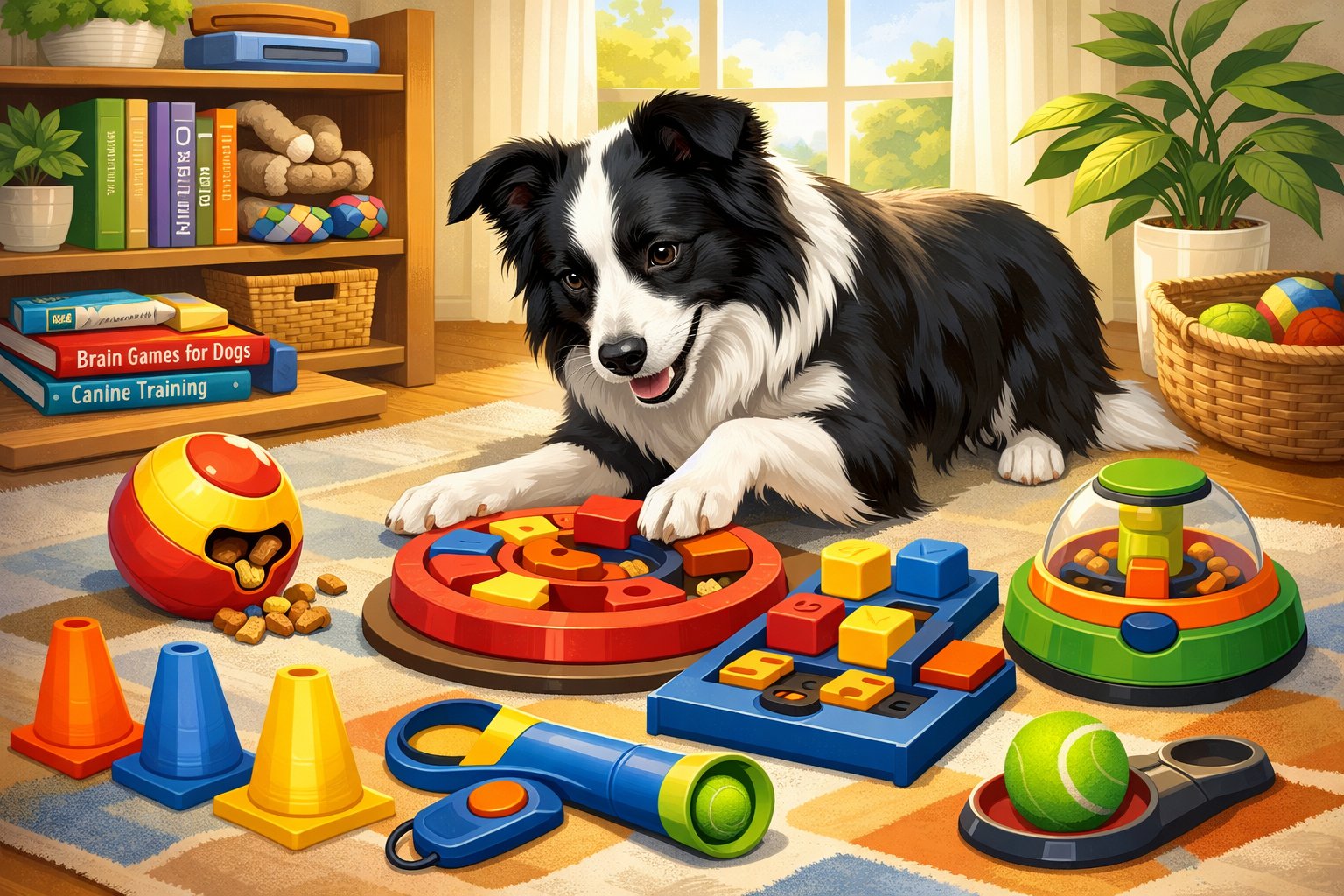
A Border Collie actively solving puzzle toys and surrounded by training tools in a bright indoor room.

Daily mental work keeps a Border Collie focused and easier to live with. Short training sessions, problem-solving games, and regular social contact give the dog clear tasks and steady brain exercise.

Obedience and Trick Training Routines

A simple training routine gives structure to the day and keeps the dog mentally busy. Obedience training should focus on basic commands like sit, stay, down, come, and place.

These commands build control and reinforce good habits. Trick training adds variety and challenge.

Learning new tricks such as spin, roll over, or touch engages memory and focus. Short sessions work best, usually 10–15 minutes, two times a day.

Many owners use clicker training because it gives clear feedback. The click marks the right behavior and speeds learning.

As skills improve, advanced training techniques like distance commands or longer stays increase difficulty without adding stress.

Interactive Feeding and Puzzle Feeders

Feeding time can double as brain training. Interactive feeding tools make the dog work for each bite instead of eating from a bowl.

This slows eating and keeps the mind active. Popular options include:

  • Puzzle feeders with sliding or lifting parts
  • Treat-dispensing toys that release food when rolled
  • Snuffle mats that hide kibble in fabric
  • Treat-dispensing balls that reward steady effort

These tools support problem-solving and patience. They also help on busy days when long training sessions are not possible.

Rotating feeder styles keeps the challenge fresh and prevents boredom.

Rotating Toys and Daily Socialization

A small toy collection works better when owners rotate toys every few days. This makes old items feel new and keeps interest high.

Mixing interactive toys, chews, and brain teasers supports different thinking skills. Interactive play matters as much as solo play.

Tug games, short fetch sessions, and guided play build focus and impulse control. Socialization adds another layer of mental work.

Regular exposure to new people, dogs, and places strengthens confidence. Calm, positive experiences reduce stress and improve behavior.

Daily social contact, even brief, gives the dog real-world problem solving practice.

Addressing Behavioral Concerns: Preventing Boredom and Anxiety

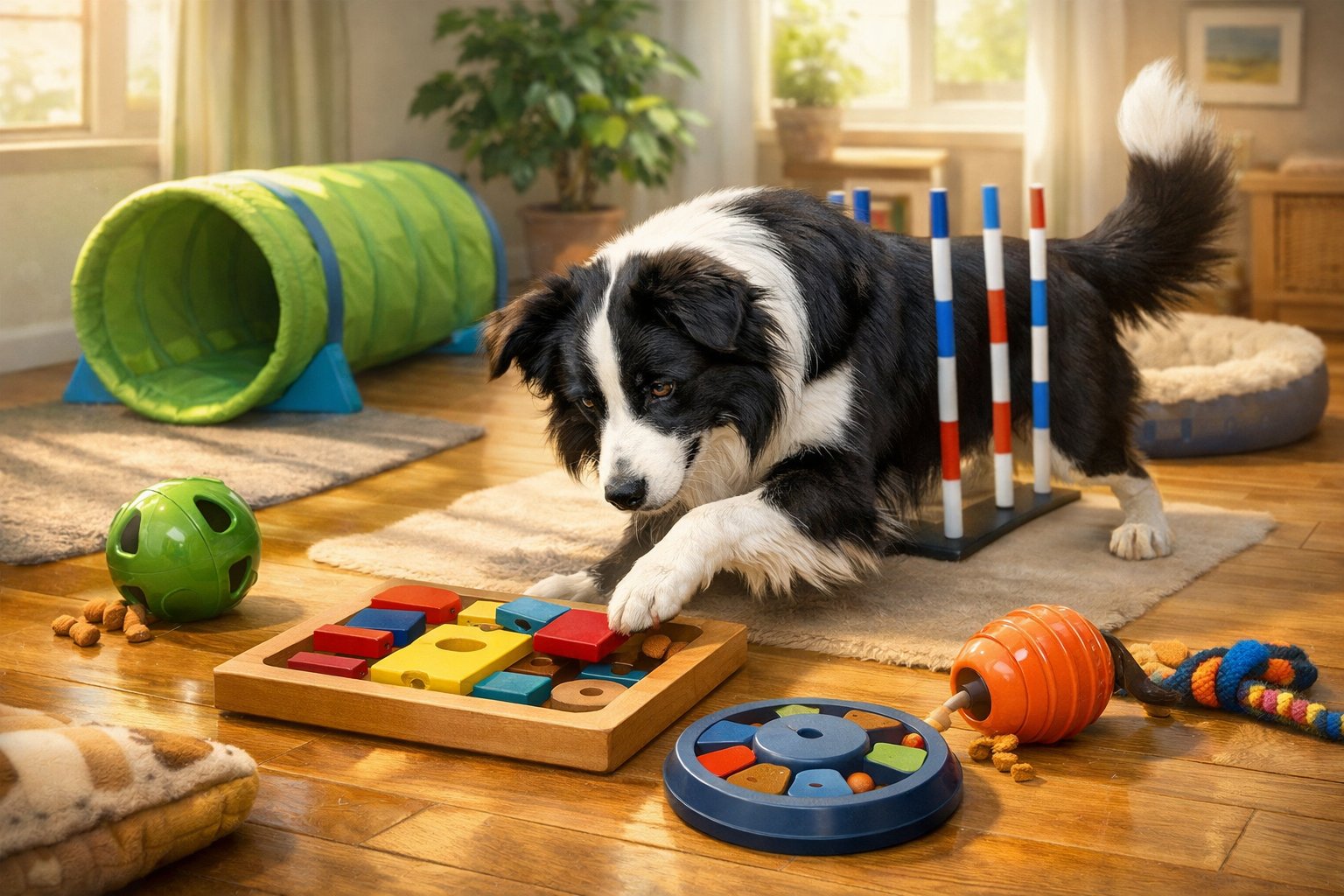
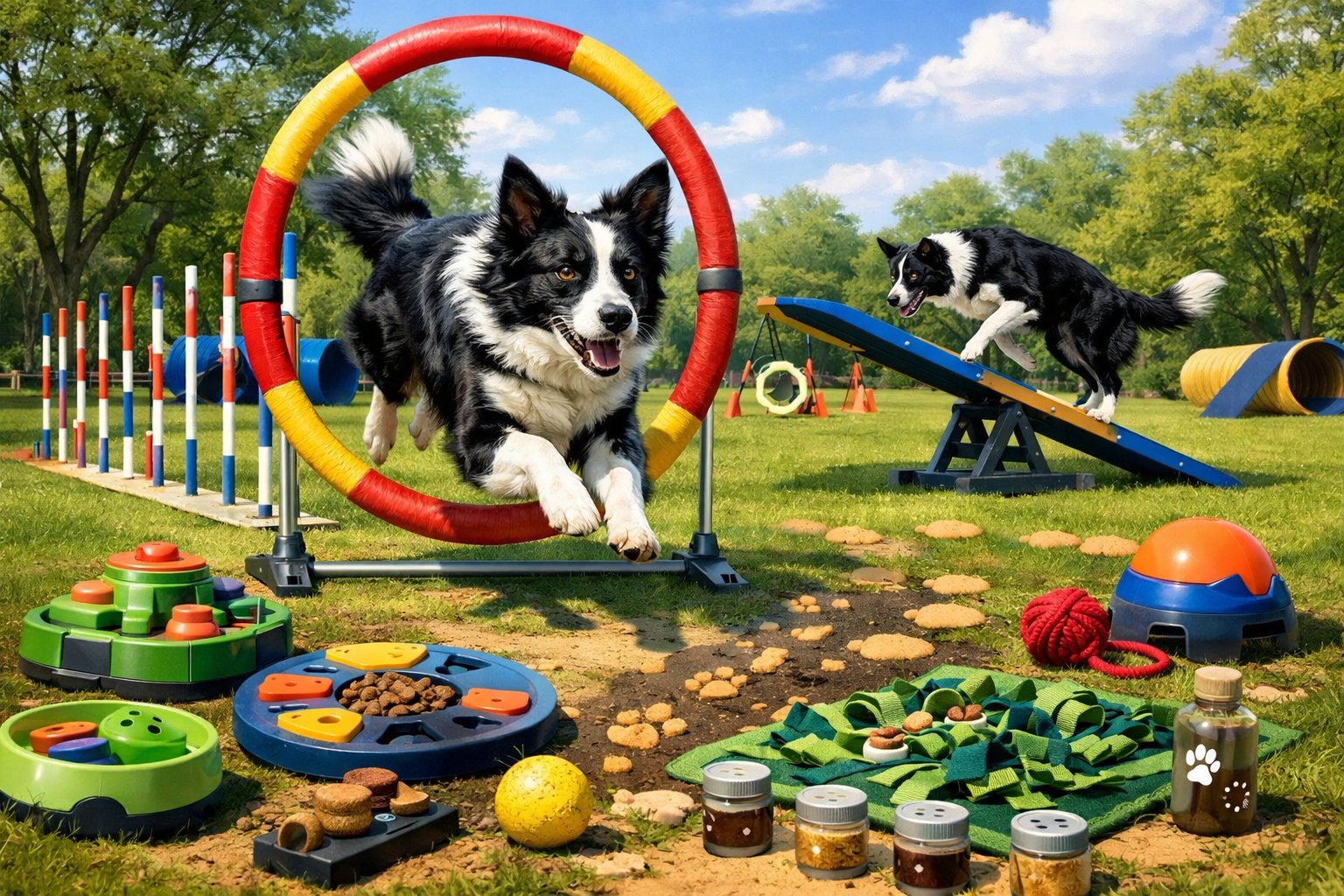
A Border Collie actively playing with puzzle toys and agility equipment indoors, showing focus and engagement.

Border Collies need steady mental work to stay calm and focused. Clear routines, active games, and close interaction help reduce anxiety and limit destructive behaviors in energetic dogs.

Identifying Signs of Mental Fatigue

Mental fatigue does not always look like calm behavior. A Border Collie may show stress when the brain feels overloaded or underused.

Common signs include excessive barking, pacing, ignoring cues, or sudden restlessness. Some dogs stop engaging and appear withdrawn.

Others seem alert but struggle to settle. Behavior changes often appear before clear exhaustion.

A dog may start chewing furniture, digging, or reacting strongly to small noises. These actions often signal unmet mental needs, not bad training.

Early signs to watch for include:

  • Short attention span during games
  • Repeated behaviors with no goal
  • Increased anxiety when routines change

Balanced play, rest, and a structured environment help prevent mental fatigue while keeping the dog engaged and confident.

Reducing Destructive and Hyperactive Behaviors

Boredom often drives destructive behavior in Border Collies.

Without clear tasks, they create their own outlets, which leads to digging, barking, and damaged items.

Mental games reduce these behavioral issues by giving the dog a clear purpose.

Activities like training drills, puzzle toys, and scent games help focus energy in a healthy way.

These tools work well for preventing boredom in Border Collies.

Consistency matters.

A daily plan that mixes physical movement with problem-solving lowers anxiety and builds trust.

A simple structure may include:

  • Short training sessions
  • One problem-solving game
  • Calm social time

This approach helps energetic dogs stay settled without frustration.

Filed Under: Border Collies

The Ultimate Exercise Guide for Border Collies: Activities & Training

December 24, 2025 by Jason Huskey

Essential Exercise Needs for Border Collies

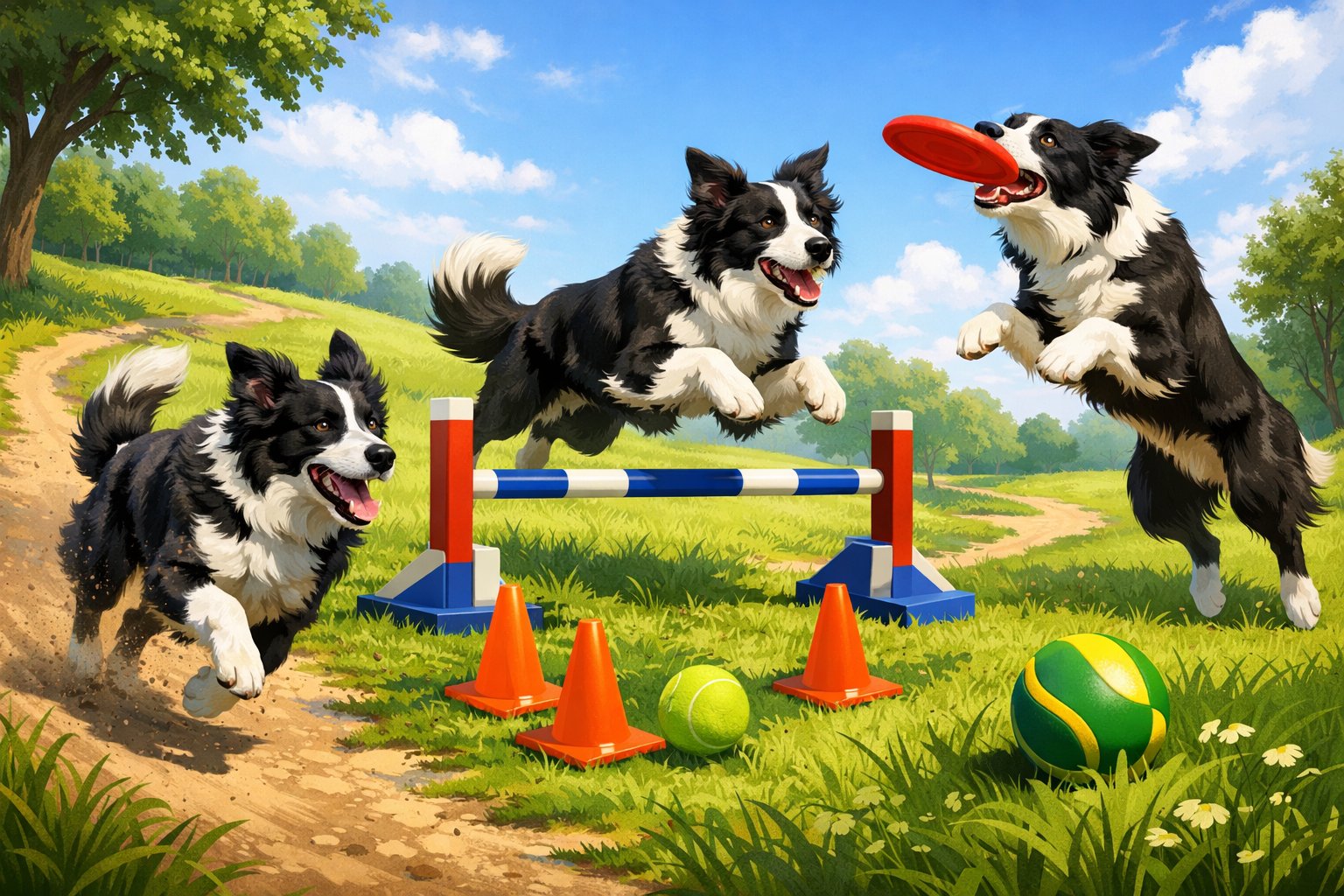
A Border Collie running, jumping over hurdles, and playing fetch outdoors in a grassy field with trees and a clear sky.

Border Collies thrive on steady movement and regular thinking tasks. Their exercise plan must balance physical exercise, mental work, and proper recovery to support long-term health and calm behavior.

Daily Physical Activity Requirements

Most adult border collies need 90 minutes to 2 hours of daily exercise. This time should include both movement and thinking tasks to match their high endurance and focus.

Many vets and trainers agree that Border Collies need around 2 hours of exercise each day. Daily walks form the base of border collie exercise, but walking alone rarely meets their needs.

Add faster-paced walking, hiking on uneven ground, or swimming to work different muscles. Helpful daily activity mix:

  • Daily walks: 30–60 minutes total
  • High-energy play: fetch, frisbee, or running
  • Low-impact options: swimming for joints and recovery

Without enough variety, even long walks may leave a dog restless.

Age-Specific Exercise Guidelines

Exercise for border collies must change with age. A border collie puppy needs far less structured activity than an adult to protect growing joints.

Many experts follow the rule of 5 minutes of exercise per month of age, which is outlined in this Border Collie exercise needs guide.

Age-based guidelines

  • Border collie puppies: Short walks, free play, light training
  • Adults (1–7 years): 90–120 minutes split across the day
  • Seniors: Shorter walks, swimming, and gentle hiking

Border collie puppies may seem tireless, but overdoing it early can cause joint problems later.

Risks of Under- and Over-Exercising

Too little activity often leads to behavior problems. Border collies without enough exercise may chew furniture, bark nonstop, or pace.

These issues often improve when owners increase both movement and mental tasks, as noted in this Border Collie exercise guide. Over-exercising brings its own risks.

Signs include limping, long recovery times, or refusing normal activities. Border collies may push past pain, so handlers must watch closely.

Warning signs to watch:

  • Heavy panting that lasts too long
  • Stiffness after walking or hiking
  • Sudden drop in endurance

Physical Activities for a Happy Border Collie

A Border Collie running through an agility course, playing fetch, and training outdoors in a park.

Border Collies stay healthy when daily exercise includes steady movement, short bursts of speed, and tasks that match their herding instincts. The activities below focus on safe outlets for energy, skill building, and purposeful work.

Walking and Hiking Adventures

Daily walks build a strong base for fitness and behavior. Border Collies do best with 60–90 minutes of walking, split into two or three outings.

Experts agree that time matters, but pace and variety matter more than distance, as explained in this guide on Border Collie exercise needs. Hikes add value because they include hills, uneven ground, and new smells.

These features engage muscles and the brain at the same time. A long leash allows safe exploring without pulling.

Tip Why it helps
Vary routes Prevents boredom
Allow sniffing Lowers stress
Avoid extreme heat Reduces injury risk

Agility and Obstacle Course Play

Agility training gives Border Collies a clear job to do. It uses agility courses with tunnels, hurdles, weave poles, and balance boards.

Short sessions work best. Ten to twenty minutes keeps focus high and joints safe.

Home setups work well. Simple obstacle courses made from cones or low jumps still teach body control and listening skills.

These exercises support coordination and confidence. Many owners add agility because it blends physical effort with thinking.

Fetch, Frisbee, and Water Games

Playing fetch fits natural chase behavior, but structure matters. Repetitive throwing without breaks can overstimulate dogs.

Owners should limit fetch games to short sets with rest in between. Frisbee adds difficulty because the dog tracks a moving object in the air.

Soft discs reduce mouth injuries. Clear start and stop cues help control excitement.

Water games work well in warm weather. Swimming protects joints while still burning energy.

Best practices

  • Warm up before intense play
  • Stop if the dog pants heavily
  • Avoid slippery surfaces

Dog Sports and Herding Activities

Organized dog sports give Border Collies focused work. Options include flyball, rally, and agility trials.

These activities reward speed, accuracy, and teamwork. Herding-based games match strong herding instincts.

Treibball lets dogs push large balls toward goals using commands. It mimics control and movement without livestock.

Some dogs also enjoy real herding trials, where trained handlers guide dogs around sheep. This work satisfies instinctive drives and requires advanced training.

Mental Stimulation and Training For Border Collies

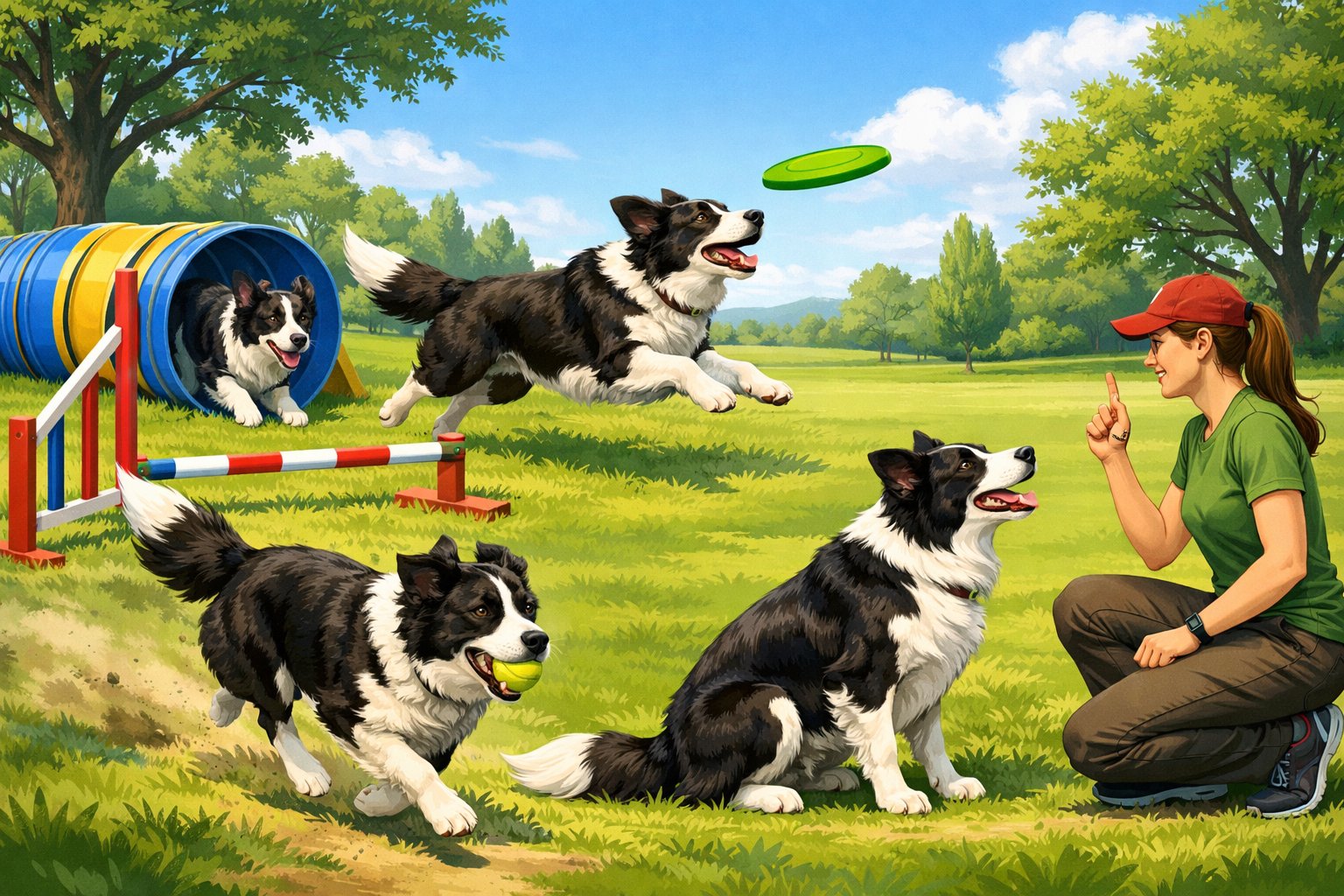
A Border Collie participating in training activities outdoors with puzzle toys and agility equipment, guided by a person.

Mental work keeps a Border Collie calm and focused. Structured games, clear training, and steady rewards build good habits and reduce problem behavior.

Puzzle Toys and Problem-Solving Games

Puzzle toys turn daily routines into mental stimulation exercises. They force the dog to think, pause, and try new actions.

This type of work often tires the brain faster than long runs. Puzzle feeders work well at mealtime.

A Kong, snuffle mat, or sliding tray makes the dog solve a task before eating. Many owners replace bowls with feeders to slow fast eating and reduce stress, as explained in this guide to mental stimulation games for Border Collies.

Interactive games should stay simple. Rotate toys every few days to keep interest high.

Game Type Skill Built
Snuffle mats Focus and scent use
Sliding puzzles Problem-solving skills
Treat balls Patience and impulse control

Obedience and Trick Training

Obedience training gives structure and clear rules. Border Collies respond well to short sessions that focus on accuracy, not speed.

Five to ten minutes works better than long drills. Start with basic obedience commands like sit, down, stay, and place.

Add recall training early to build safety and trust. Consistent cues matter more than volume or force.

Trick training adds variety. Spins, bows, and leg weaves build body control and confidence.

Teaching tricks also supports impulse control when paired with calm starts and clean finishes.

Scent Work and Hide-and-Seek

Scent work taps into natural instincts. It slows the dog down and shifts focus from motion to thinking.

This helps dogs that struggle to relax. Hide-and-seek works well indoors.

One person hides while another holds the dog. A release cue sends the dog to search, building recall and confidence at the same time.

Treat searches add variety. Hide food under cups or behind furniture.

Keep the first rounds easy, then increase difficulty.

Socialization and Positive Reinforcement

Socialization shapes how a Border Collie reacts to the world. Calm exposure to people, dogs, sounds, and places prevents fear and overreaction.

Positive reinforcement training works best. The handler rewards calm choices with treats, praise, or play.

This method builds trust and speeds learning without pressure. Social training should stay controlled.

Leash training, brief greetings, and quiet observation teach good manners. Crate training and alone training also support independence and rest.

A simple training schedule helps balance activity and downtime. Clear rewards and timing remain key, as shown in this guide on positive reinforcement mental enrichment for Border Collies.

Filed Under: Border Collies

How to Train a Border Collie: Tips for High-Energy, High-Intelligence Dogs

December 24, 2025 by Jason Huskey

Meet the Border Collie: Understanding Their Unique Needs

A Border Collie being trained outdoors with agility equipment and a person guiding it.

The border collie breed stands out for sharp intelligence, strong drive, and constant motion. These dogs need clear tasks, daily physical activity, and guidance that fits their natural herding behavior.

High Intelligence and Learning Style

A border collie shows very high intelligence and learns new skills fast. They watch people closely and respond to clear signals.

Many pick up patterns after only a few repeats, which helps with basic commands and advanced training. This quick learning also means they get bored easily.

Repeating the same drill for too long often leads to distraction or problem behavior. Short sessions with changing tasks work best.

They respond well to rewards, calm praise, and structure. Clear rules help them feel secure.

Guides that focus on understanding Border Collie behavior and learning needs explain why mental work matters as much as physical work. See this helpful overview on training Border Collies and their behavior needs.

Energy Levels and Exercise Requirements

Border collies have very high exercise needs. They were bred for long days of work, not short walks.

Without enough movement, they often become restless or destructive. Daily physical activity should include both body and mind.

Running alone is not enough. They do best when exercise has a goal or task.

Common daily exercise options include:

  • Long walks with training stops
  • Fetch with rules, not free play
  • Agility or obstacle courses
  • Structured games that require focus

The table below shows a simple guide:

Activity Type Purpose
Walking Endurance and calm focus
Running Energy release
Games Mental work

Veterinarian-backed guidance on exercise and training tips for Border Collies appears in this vet-approved Border Collie training guide.

Herding Instincts and Breed Traits

Herding instincts shape nearly everything a border collie does. Their herding abilities rely on focus, movement control, and quick decisions.

These traits often show up as chasing cars, nipping heels, or circling kids. This behavior does not mean poor training.

It reflects strong herding instincts that need direction. Owners can redirect this drive into safe outlets like herding games, advanced obedience, or dog sports.

Understanding these breed traits helps prevent frustration. Articles that explain essential Border Collie training traits for new owners highlight why structure and purpose matter.

A clear breakdown appears in this guide on essential Border Collie training tips.

Training Fundamentals for Border Collies

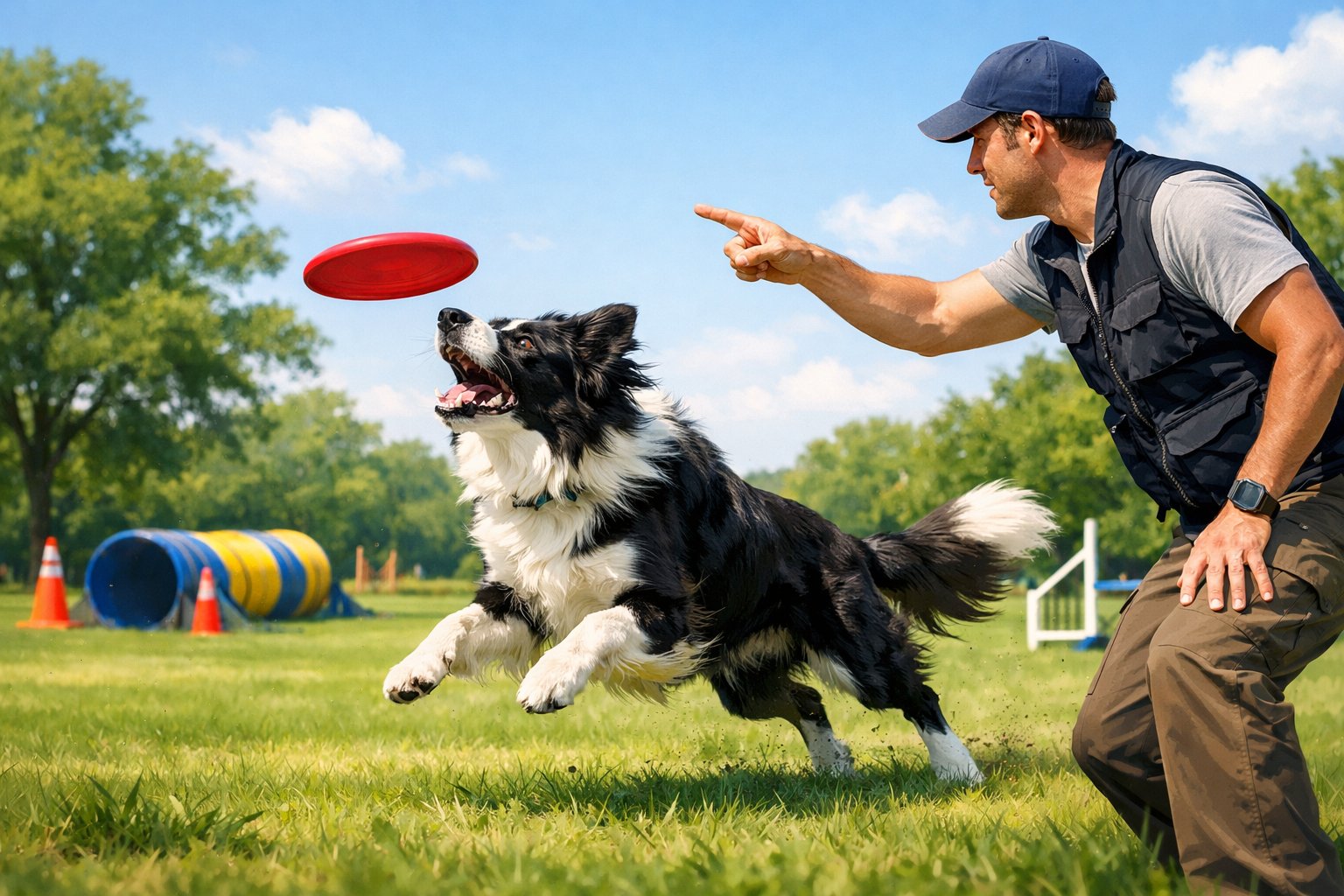
A Border Collie actively training outdoors with a person giving commands in a green park setting.

Border Collies learn fast, but they need structure. Early practice, steady routines, and clear rewards shape good habits and help manage their energy and focus.

Starting Early: Training Border Collie Puppies

People can start training border collie puppies at about eight weeks old. Early lessons focus on calm behavior, name response, and short focus time.

Puppies learn best in 5–10 minute sessions, once or twice a day. Short sessions prevent frustration and keep attention high.

Trainers often begin with simple cues like sit and come. Early social exposure also matters.

Meeting people, dogs, and new places reduces fear and nipping tied to herding instincts. Guides on training Border Collie puppies early stress gentle handling and steady rewards.

Consistency and Routine in Training

Consistency in training builds trust and clarity. Dogs learn faster when commands, tone, and rules stay the same each day.

A fixed schedule helps Border Collies settle and focus. Many trainers follow a simple routine:

  • Exercise first to reduce excess energy
  • Train next while the dog feels calm
  • Reward quickly after correct behavior

Using the same words for each cue avoids confusion. For example, always say down, not lie down sometimes.

Regular timing also helps. Daily practice at the same hours supports learning and reduces stress during training border collie sessions.

Positive Reinforcement Methods

Positive reinforcement training rewards correct actions instead of punishing mistakes. This approach suits Border Collies because they respond well to praise and food rewards.

Reward-based training improves focus without fear. Common rewards include:

  • Small, soft treats
  • Verbal praise
  • Short play breaks

Clicker training adds a clear sound that marks the exact moment the dog succeeds. Many handlers use it for timing and precision.

Articles on positive reinforcement training for Border Collies highlight faster learning and better confidence when rewards stay consistent and immediate.

Essential Basic Obedience Commands

Basic obedience commands form the core of safe behavior. Trainers teach these commands early and practice them daily.

Each cue should work at home, outside, and around distractions.

Key basic commands and goals

Command Purpose
Sit Builds impulse control
Stay Improves safety and patience
Come Supports recall and off-leash safety
Down Encourages calm behavior
Heel Promotes polite walking

Clear steps for basic obedience commands stress short practice and steady rewards. These commands support long-term obedience training and give Border Collies clear jobs to do.

Keeping Minds and Bodies Busy: Advanced Training and Enrichment

A Border Collie performing agility exercises and using enrichment toys in an outdoor training area.

Border Collies need daily tasks that work both the brain and the body. Clear structure, variety, and purpose help prevent boredom and common behavior problems in this high-drive breed.

Mental Stimulation and Puzzle Toys

Mental stimulation matters as much as physical exercise for Border Collies. They learn fast, but they also get bored fast.

Interactive toys and puzzle toys help fill this gap. Food-dispensing puzzles, sliding trays, and scent games force the dog to think before acting.

These tools work best when rotated every few days so the challenge stays fresh. Short daily sessions often work better than long ones.

Training also counts as mental work. Trick training, object naming, and task-based games push problem-solving skills.

Many owners use ideas similar to those in guides on daily mental stimulation for Border Collies to reduce anxiety and destructive habits. Mental effort should feel rewarding, not frustrating.

Clear cues and simple goals keep progress steady.

Physical Activities and Agility Training

Border Collies thrive on structured physical outlets that demand focus, not just speed. Long walks alone rarely meet their needs.

Agility training combines mental and physical exercise. Jumping, weaving, and tunneling force quick decisions at high speed.

Home setups or formal agility courses both work when trainers keep sessions short and precise. This type of work builds body control and handler focus.

Many dogs also enjoy dog sports like flyball, disc games, and rally obedience. These activities channel energy into rules and patterns.

Articles on keeping a Border Collie busy in small spaces often stress quality over distance. Rest days still matter.

Muscles and joints need time to recover.

Redirecting Herding and Managing Behavioral Issues

Herding instinct often shows up as nipping, chasing kids, or excessive barking. These are training challenges, not bad behavior.

Redirecting the instinct works better than trying to stop it. Herding training, controlled games, or even herding trials teach rules around movement and pressure.

Some owners work with herding livestock under guidance to give the instinct a clear job. When problems persist, a professional dog trainer can assess timing, cues, and reinforcement.

Many trainers follow approaches outlined in guides on training high-energy Border Collies. Clear structure reduces stress.

Consistent work prevents most long-term behavioral problems.

Filed Under: Border Collies

Why Border Collies Are Considered the Smartest Dog Breed: The Science and Secrets Behind Their Genius

December 24, 2025 by Jason Huskey

What Makes Border Collies the Smartest Dog Breed

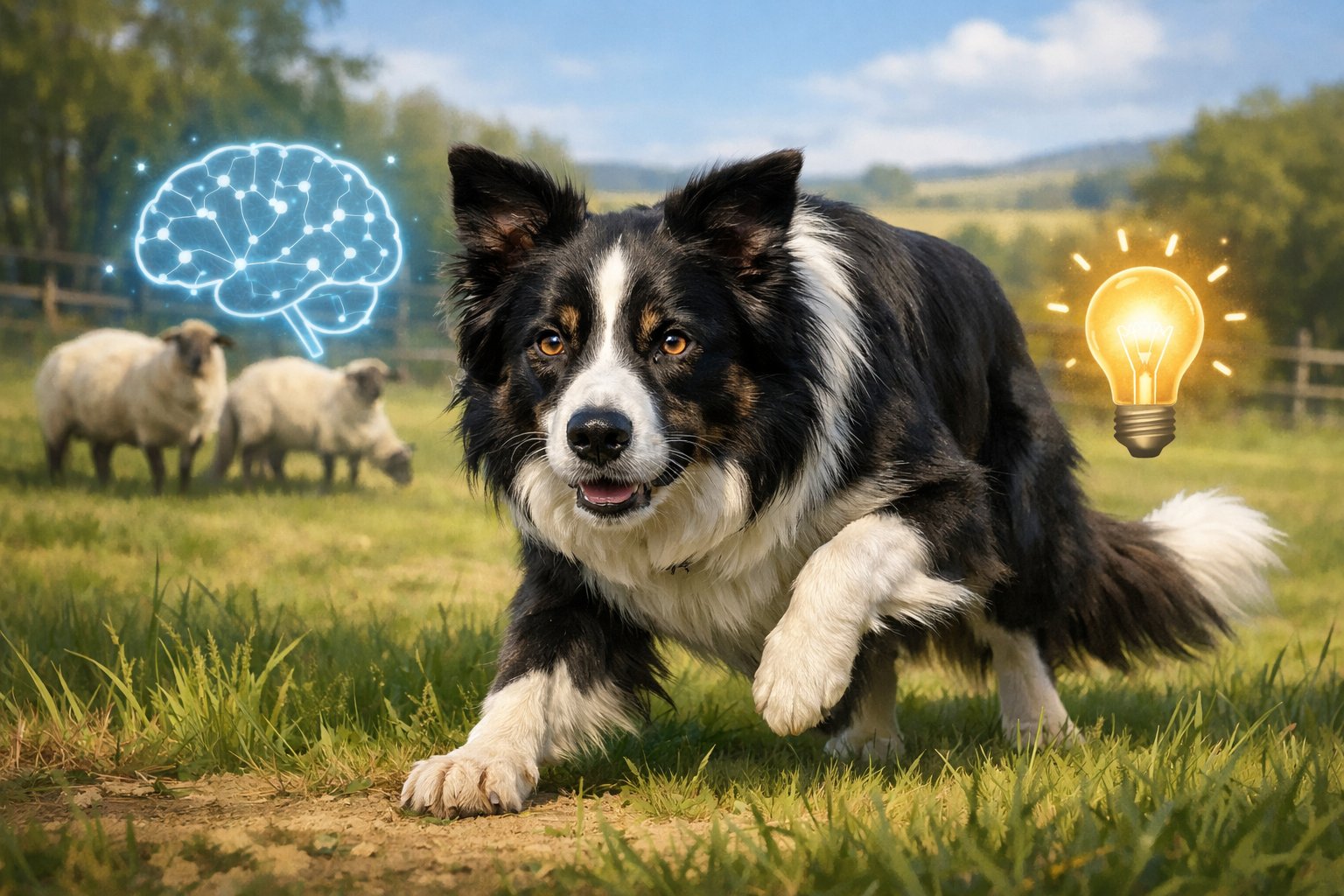
A Border Collie standing alert in a grassy field with sheep in the background, showing an attentive and intelligent expression.

Border Collies stand out because they learn fast, solve problems with purpose, and work with focus. Their intelligence shows in how they think, remember, and respond to real tasks, not just commands.

Canine Intelligence Types in Border Collies

Dog experts often describe canine intelligence in clear types. These include instinctive intelligence, working intelligence, and adaptive intelligence.

Border Collies score high in all three. Research shared by dog behavior experts explains that Border Collies rank at the top for obedience and working skills.

Stanley Coren, a leading researcher on dog intelligence, placed the Border Collie as the most intelligent dog breed based on how quickly it learns and follows commands. This ranking appears in studies discussed by Britannica in its overview of the smartest dog breed.

Border Collies also show strong instinctive intelligence. They herd without training because the behavior comes naturally.

This balance of instinct and learning sets them apart from many working dogs.

Problem-Solving Abilities and Learning Speed

Border Collies solve problems with speed and accuracy. They learn new commands in just a few repetitions and remember them long term.

This fast learning speed places them above most breeds in obedience tests. Studies and trainers note that Border Collies respond well to complex tasks.

They can link words to actions and objects, not just simple cues. This ability supports their reputation as the smartest dog in real-world settings, not just labs.

Dog training data summarized by The Smart Canine shows that Border Collies lead in obedience and task learning when compared to other breeds. This focus on problem-solving explains why trainers rely on them for demanding jobs.

More detail appears in this review of why they rank highest in obedience and working intelligence.

Border Collie Work Ethic and Herding Instincts

A Border Collie does not just know what to do. It wants to work.

This strong work ethic drives its behavior and sharpens its thinking. Herding instincts shape how the dog reads movement, space, and direction.

A Border Collie watches closely, adjusts fast, and acts with control. These traits support both instinctive and adaptive intelligence.

Farmers and trainers value them because they can manage livestock with few commands. Their brains stay active when they have a task, which strengthens border collie intelligence over time.

Without work, the same intelligence can turn into boredom. Structured tasks help keep their minds steady and useful.

Chaser and Famous Examples of Border Collie Intelligence

One well-known example of Border Collie intelligence is Chaser. Researchers studied Chaser the Border Collie for years and documented her learning ability in detail.

Chaser learned the names of more than 1,000 objects. She could sort them by type and respond to both nouns and verbs.

These findings appear in reports summarized by Adopt a Pet in its profile of Border Collie intelligence. Chaser’s skills showed how a high dog IQ works in practice.

She did not guess. She understood.

This case helped confirm why many experts consider the Border Collie the most intelligent dog breed based on clear, tested behavior.

How Border Collies Compare to Other Intelligent Dog Breeds

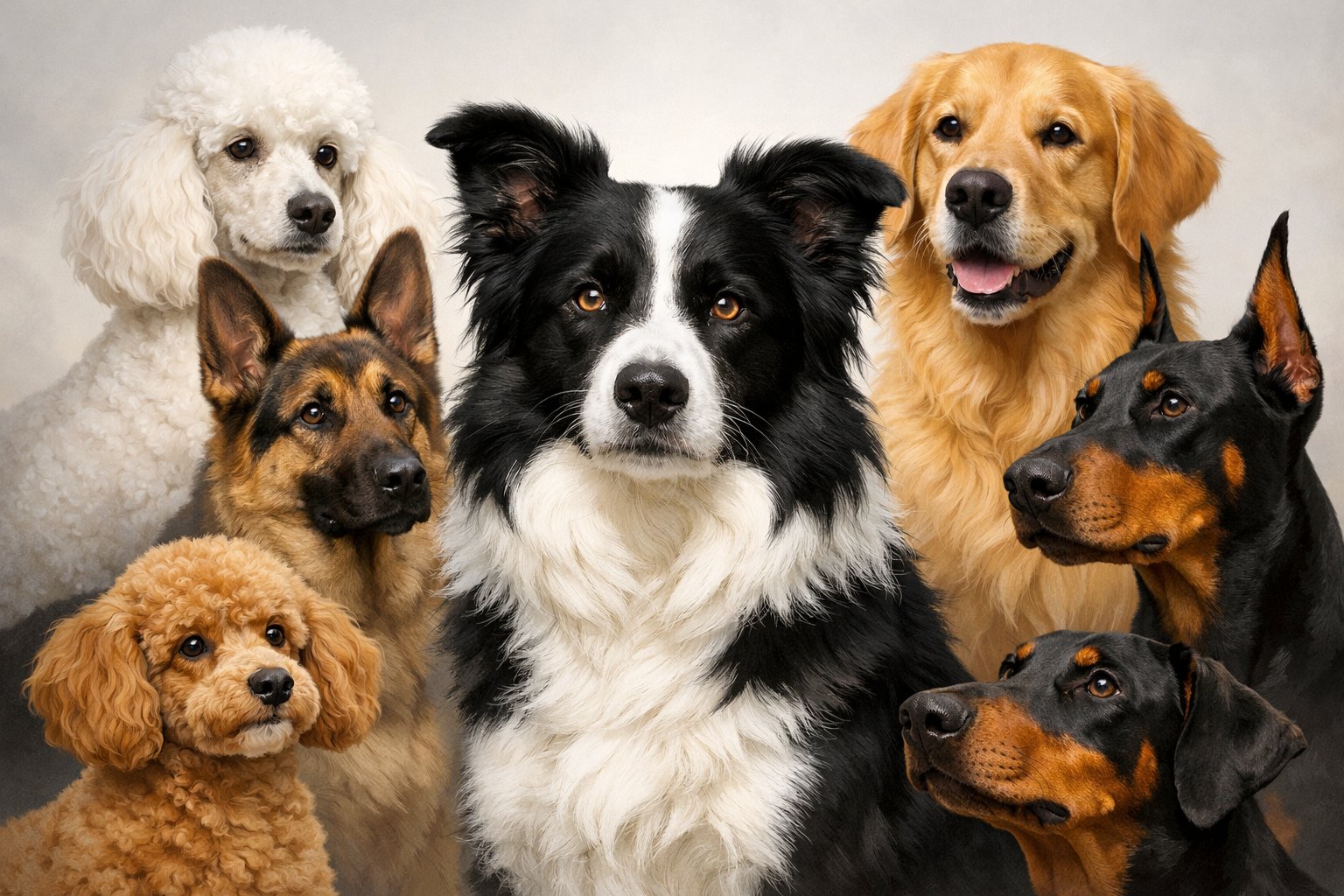
A Border Collie stands in the center surrounded by several other intelligent dog breeds, all looking alert and attentive.

Border Collies stand out for fast learning, strong focus, and problem-solving skills. Other intelligent dog breeds also excel, but they often shine in different ways based on their history and job roles.

Border Collies vs. Poodles and German Shepherds

Border Collies learn new commands faster than most smart dogs. Studies often rank them at the top for working and obedience skills, including lists like those discussed in Border Collie intelligence research.

Poodles rank close behind. They show strong memory, quick learning, and high success in obedience and trick training.

Many poodles perform well in competitive sports, but they usually lack the intense work drive seen in herding dogs. German Shepherds combine intelligence with strength and control.

Police and military groups value them for complex tasks that require discipline and calm focus. Compared to Border Collies, German Shepherds may learn slightly slower but handle pressure and structure better.

Top Ranked Smartest Dog Breeds

Experts often group the smartest dog breeds by how quickly they learn and how well they follow commands. Border Collies usually rank first, but several others appear near the top.

Dog Breed Known Strength
Border Collie Fast learning and problem solving
Poodle Obedience and memory
German Shepherd Working discipline
Golden Retriever Social intelligence
Labrador Retriever Trainability and focus
Doberman Pinscher Alertness and control
Shetland Sheepdog Precision and speed
Papillon Quick response to commands
Rottweiler Confidence and structure

Many of these intelligent dogs perform best when training matches their natural skills.

Herding Breeds and the Role of Intelligence

Herding breeds rely on decision-making, timing, and awareness. Border Collies, Australian Shepherds, and Shetland Sheepdogs use eye contact and movement to guide livestock with little direction.

Australian Cattle Dogs and Belgian Malinois apply intelligence with toughness and endurance. They solve problems while handling stress and physical work.

These traits also make them useful in law enforcement and search work. Herding dogs often show higher adaptive intelligence than non-working dog breeds.

Their jobs require constant thinking, not just following commands. This need to act independently helps explain why many herding breeds rank among the smartest dog breeds today.

Training, Daily Life, and Challenges of Highly Intelligent Border Collies

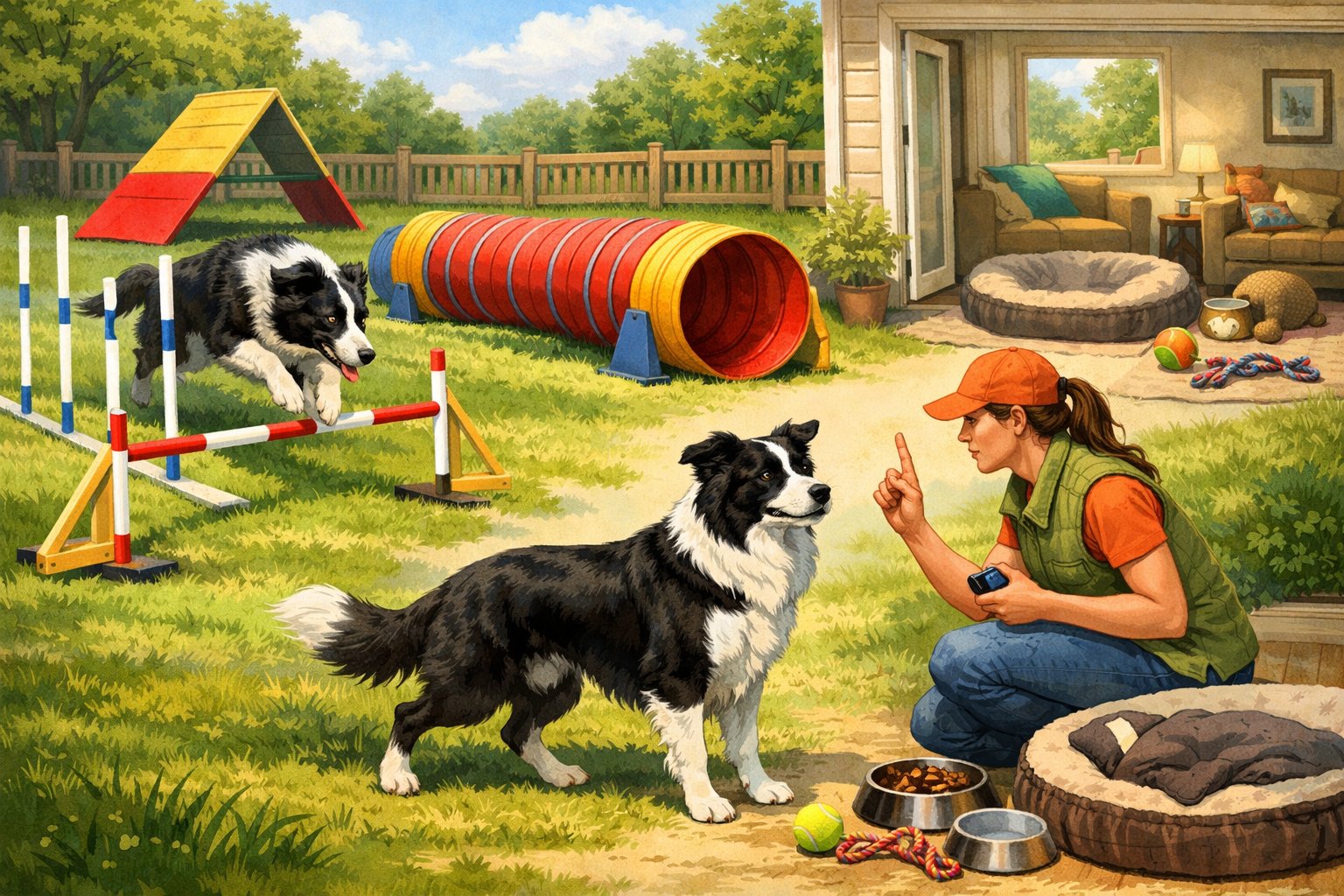
A Border Collie navigating an agility course and interacting with a trainer outdoors, with a home setting and fenced yard in the background.

Border Collies learn fast, but their intelligence brings real daily needs. Training, activity, and family life all require structure, time, and clear communication from dog owners.

Mental Stimulation and Positive Reinforcement

Border Collies show very high working and obedience intelligence. They often learn new commands in just a few tries, which makes obedience training efficient but demanding.

Many obedience judges note that these dogs respond best to clear cues and consistency. They do best with positive reinforcement training, such as treats, toys, or praise.

Harsh methods often cause stress or shutdown. An animal behaviorist would focus on reward timing and short sessions.

Daily mental work matters as much as exercise. Useful options include:

  • Naming toys and asking for specific items
  • Puzzle feeders and scent games
  • Short obedience drills mixed with play

Studies and real-world examples, like those described in research on Border Collie intelligence and obedience skills, show how boredom can lead to chasing cars, nipping, or nonstop barking.

Agility and Canine Activities

Border Collies thrive in motion. Their bodies and minds work best together, which makes agility training a strong outlet.

Agility courses challenge balance, memory, and speed at the same time. Common activities include:

  • Agility and rally
  • Dog sports like flyball
  • Herding trials, which match their instincts

Many handlers train 10–20 minutes per session, several times a day. This fits an active lifestyle and supports strong trainability.

According to guides on Border Collie training and work drive, regular challenges reduce frustration and improve focus. The American Kennel Club often places Border Collies at the top of competitive obedience and agility events, which reflects how well they handle structured work.

Emotional Intelligence and Family Life

Border Collies read body language closely. They notice tone, posture, and routine changes, which shows strong emotional intelligence.

This skill helps some succeed as therapy dogs, where calm focus matters.

In family homes, they act as loyal companions but need guidance. Without direction, they may herd children or fixate on movement.

Clear rules help them settle.

Important points for family pets include:

  • Early social time with people and other dogs
  • Calm rewards for relaxed behavior
  • Daily one-on-one interaction

Articles on how smart Border Collies really are note that strong bonds form when mental needs get met.

Filed Under: Border Collies

Border Collies 101: Everything You Need to Know Before Adoption

December 24, 2025 by Jason Huskey

Border Collies 101: Key Facts, Traits, and Breed Origins

A Border Collie herding sheep on a green hillside with rolling hills and stone fences in the background.

Border Collies stand out for their sharp minds, strong work drive, and athletic build. They developed as herding dogs with a clear purpose, and those roots still shape their looks, behavior, and daily needs as an active pet.

Distinctive Border Collie Appearance and Coat Types

The Border Collie is a medium-sized dog built for speed and endurance. Most adults weigh between 30 and 55 pounds and carry a lean, muscular frame. Their bodies stay slightly longer than tall, which helps with balance while working livestock.

Border Collies have a double coat that protects them from harsh weather. The outer coat can be rough or smooth, while the undercoat stays dense. Black and white appears most often, but owners also see tricolor, merle, and the striking red Border Collie.

Common border collie appearance traits include alert ears, intense eyes, and a low, stalking posture. The American Kennel Club Border Collie breed profile notes that structure and movement matter more than flashy looks because the dog breed was shaped by work, not show standards.

Unique Border Collie Personality and Temperament

The border collie personality reflects generations of focused herding work. These dogs stay highly aware of their surroundings and react fast to movement. They bond closely with their people and often choose one main handler.

Border Collies thrive when they have a task. Without structure, they may invent jobs like chasing shadows or herding children. This behavior links directly to classic border collie traits tied to herding dogs.

Key border collie characteristics include:

  • High intelligence and quick learning
  • Strong work ethic and persistence
  • Sensitivity to tone and routine

Many families enjoy their loyalty and affection, but this border collie breed fits best with owners who enjoy training, daily activity, and clear leadership.

Breed Origins and Historical Highlights

Border Collies originated along the border of Scotland and England. Shepherds bred them to control sheep with eye contact, posture, and precise movement rather than force. This approach made them unmatched working herding dogs.

A dog named Old Hemp, born in the late 1800s, shaped the modern Border Collie. His calm control and natural talent spread through breeding lines and defined the style still seen today.

The breed remained focused on work for decades before kennel clubs recognized it. The Border Collie history and origin overview explains how practical skill guided breeding choices. That history explains why Border Collies still need purpose, challenge, and daily engagement to stay balanced.

Is a Border Collie Right for You? Lifestyle, Family, and Expectations

A Border Collie playing with a family of adults and children in a bright living room, with toys and a chewed shoe visible on the floor.

A Border Collie fits best with people who plan daily activity, training time, and close involvement. This breed rewards effort with focus and loyalty, but it struggles when owners expect a low‑key pet.

High-Energy Needs: Exercise Requirements and Activities

A Border Collie counts as an energetic dog that needs planned movement every day. Most adults need 1.5 to 2 hours of exercise, split into sessions. Short walks do not meet this need.

Good outlets include:

  • Fast walks or runs
  • Fetch with rules, not endless throwing
  • Agility or herding-style games
  • Hiking with structure

Without this level of work, many energetic dogs show pacing, barking, or chewing. An active pet owner who enjoys routine outdoor time will manage this better than someone with a busy indoor schedule.

People in small homes can succeed, but only if they commit to daily outdoor exercise. The AKC guide on Border Collie lifestyle fit stresses that energy needs never fade with age.

Mental Stimulation: Preventing Boredom and Destructive Behaviors

Physical exercise alone does not satisfy this breed. Border Collies need mental stimulation every day to stay calm and focused.

Helpful options include:

  • Puzzle feeders and scent games
  • Short training sessions with new cues
  • Jobs like carrying items or targeting objects

Many behavior issues start from boredom, not defiance. Chewing walls, digging, or chasing shadows often signal unmet mental needs. This challenge surprises a first-time dog owner who expects exercise to be enough.

The Border Collie pros and cons overview notes that mental work matters as much as physical activity. Owners should plan thinking games the same way they plan walks.

Choosing a Border Collie Puppy or Adult: What to Expect at Different Ages

Border Collie puppies demand constant guidance. A border collie puppy learns fast but tests limits early. Early training shapes habits that last for years.

Age What to Expect
Puppy Biting, chasing, short focus
Adolescent High drive, boundary testing
Adult More control, steady energy

Adult rescues often suit homes with less training time. They still need exercise and mental work, but many arrive with basic manners. The Living With Border Collies guide suggests fostering as a smart way to learn daily demands before committing.

Border Collies in Families: Pros, Cons, and Honest Considerations

Border Collies often bond closely with their people. In families, this brings both benefits and limits.

Pros

  • Loyal and attentive
  • Enjoy shared activities
  • Thrive with clear routines

Cons

  • May herd or nip children
  • Struggle with long alone time
  • React strongly to chaos or noise

They do best in families that include them in daily life. Training and supervision matter, especially with young kids. When raised with structure, many families find success, as explained in this guide on Border Collies as family dogs.

Raising and Caring for a Border Collie: Training, Health, and Everyday Life

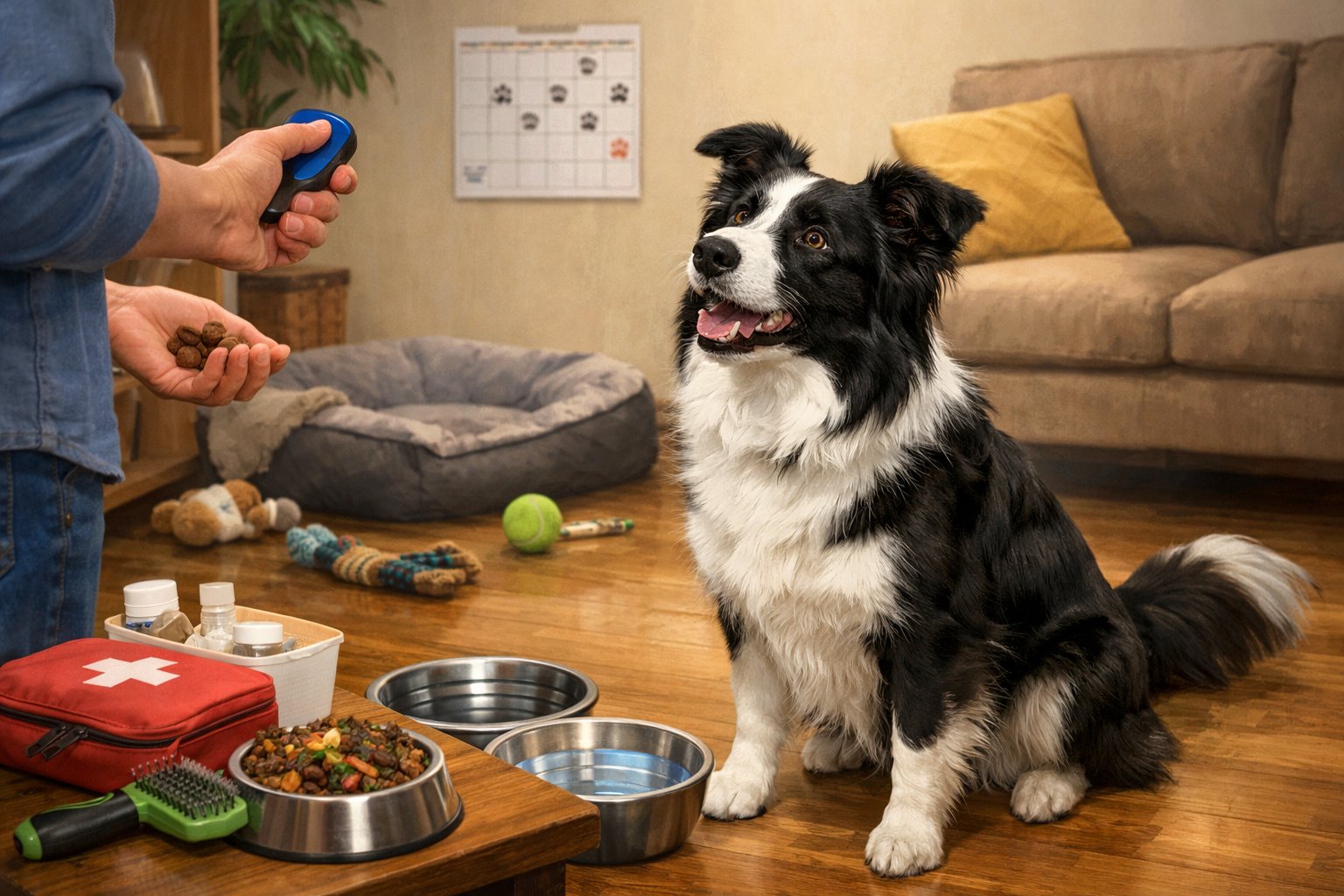
A Border Collie responding to training commands in a cozy home with dog care items like food, water, grooming tools, and a vet appointment calendar.

Border Collies need clear training, steady routines, and daily outlets for both body and mind. Owners who plan for behavior, health care, and mental stimulation see calmer dogs and fewer long-term problems.

How to Train a Border Collie: Tips, Mistakes, and Best Practices

Border collie training works best with structure and consistency. These intelligent dogs learn fast, but they also notice mistakes just as quickly. Short sessions, clear cues, and rewards for calm behavior help build focus.

Many owners rush ahead because progress feels easy at first. That often leads to skipped basics like leash manners or impulse control. Guides such as how to train a Border Collie with proven techniques stress patience over speed.

Training should include obedience, body control, and thinking skills. Activities like agility training or flyball suit border collie traits well. Rest days matter too, since constant work can create anxiety instead of balance.

Managing Common Behavior Issues in Border Collies

High energy and sharp awareness shape many border collie characteristics. Without enough structure, problems appear fast. Common issues include chasing cars, nipping heels, barking, and separation anxiety.

Clear routines reduce stress. Predictable feeding, walks, and training times help the dog settle. Owners should watch border collie body language, such as stiff posture or intense staring, which often signals rising arousal.

Mental work matters as much as exercise. Long runs alone do not fix behavior. Resources that explain real-world challenges, like what owners need to know about Border Collie behavior and training, emphasize calm skills over constant motion.

Border Collie Health Concerns and Genetic Issues to Watch For

Border collie health requires early planning and regular checks. Responsible care starts with a reputable breeder who performs genetic testing. This helps lower the risk of inherited disease.

Key conditions to watch for include hip dysplasia, elbow dysplasia, and osteochondritis dissecans, which affect joints and movement. Eye conditions also appear in the breed. These include collie eye anomaly (CEA) and progressive retinal atrophy (PRA).

Routine vet visits support early detection. Owners benefit from learning breed-specific risks through guides like key Border Collie health concerns and solutions. Weight control and proper exercise protect joints over time.

Enrichment, Toys, and Mental Games for Border Collies

Mental stimulation keeps intelligent dogs steady and focused. Border Collies need daily thinking tasks, not just physical play. Puzzle feeders, scent games, and rule-based fetch work well.

Rotating toys prevents boredom. Owners should favor toys that require problem-solving instead of constant motion. Simple tools, such as treat balls or hide-and-seek games, challenge the brain without overexcitement.

Structured jobs matter. Herding drills, agility courses, or task-based walks give purpose. Care guides like the complete Border Collie care guide highlight enrichment as a core need, not an extra.

Filed Under: Border Collies

  • « Go to Previous Page
  • Page 1
  • Interim pages omitted …
  • Page 19
  • Page 20
  • Page 21
  • Page 22
  • Go to Next Page »

Primary Sidebar

Must-Have Puppy Essentials for New Labradoodle Owners: Your Complete Starter Guide

Bringing home a Labradoodle puppy is an exciting time filled with wagging tails and playful energy. … [Read More...] about Must-Have Puppy Essentials for New Labradoodle Owners: Your Complete Starter Guide

Best Cooling Mats for Labradoodles in Summer: Keep Your Pup Comfortable During Hot Weather

Labradoodles have thick, fluffy coats that can make them uncomfortable during hot summer months. … [Read More...] about Best Cooling Mats for Labradoodles in Summer: Keep Your Pup Comfortable During Hot Weather

Top Car Seat Covers for Labradoodle Owners: Protect Your Vehicle from Fur and Mess

Labradoodles are wonderful family dogs, but they shed fur and can track dirt into your car. Their … [Read More...] about Top Car Seat Covers for Labradoodle Owners: Protect Your Vehicle from Fur and Mess

Best Dog Beds for Large Labradoodles: Comfortable and Durable Options for Your Furry Friend

Large Labradoodles need a comfortable place to rest after a day of play and exercise. A good dog bed … [Read More...] about Best Dog Beds for Large Labradoodles: Comfortable and Durable Options for Your Furry Friend

Best Crates for Labradoodles: Complete Mini vs Standard Size Guide for 2026

Labradoodles are popular dogs that come in different sizes, from mini versions around 15-30 pounds … [Read More...] about Best Crates for Labradoodles: Complete Mini vs Standard Size Guide for 2026

Best Healthy Treats for Labradoodle Training: Expert-Approved Options for 2026

Training a Labradoodle requires patience, consistency, and the right rewards to reinforce good … [Read More...] about Best Healthy Treats for Labradoodle Training: Expert-Approved Options for 2026

Are Elevated Bowls Good for Labradoodles? What Every Owner Should Know

Labradoodles are energetic and lovable dogs that need proper care at mealtime. One important choice … [Read More...] about Are Elevated Bowls Good for Labradoodles? What Every Owner Should Know

Best Supplements for Labradoodle Joint Health: Keep Your Pup Active and Pain-Free

Labradoodles are active dogs that love to run, jump, and play throughout their lives. Their … [Read More...] about Best Supplements for Labradoodle Joint Health: Keep Your Pup Active and Pain-Free

Top Slow Feeders for Labradoodles Who Eat Too Fast: A Guide to Healthier Mealtimes

Labradoodles are energetic dogs who often get very excited at mealtime. Many of them eat their food … [Read More...] about Top Slow Feeders for Labradoodles Who Eat Too Fast: A Guide to Healthier Mealtimes

Best Dog Food for Labradoodles: Top Picks for Puppies, Adults and Seniors in 2026

Labradoodles are energetic and friendly dogs that need the right nutrition to stay healthy … [Read More...] about Best Dog Food for Labradoodles: Top Picks for Puppies, Adults and Seniors in 2026

Categories

  • Border Collies
  • Uncategorized

Superduperdog.com - Copyright © 2026