• Skip to main content
  • Skip to primary sidebar

superduperdog

superduperdog

Jason Huskey

Is a Beagle the Right Dog for You? An Honest Owner’s Guide

February 10, 2026 by Jason Huskey

Beagle Traits and Temperament
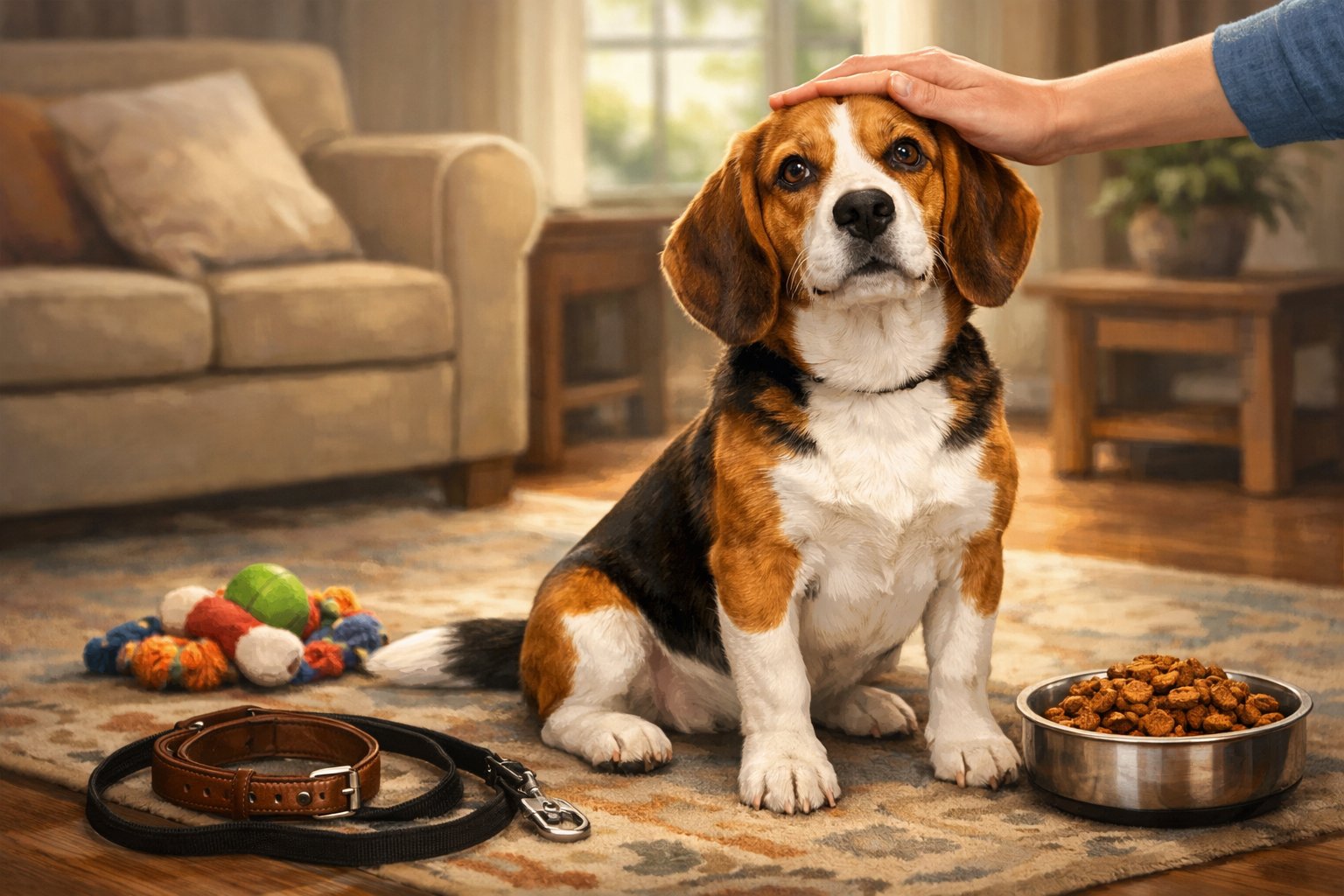
A Beagle dog sitting attentively in a cozy living room with toys, a leash, and a gentle hand reaching out to pet it.

Beagles show a mix of friendliness, curiosity, and strong instincts. Their behavior reflects their history as pack hunters and affects noise levels, social needs, and daily life.

Typical Beagle Personality and Disposition

The beagle personality tends to feel warm, curious, and social. Beagles enjoy being around people and often greet strangers with interest instead of caution.

Many owners describe them as cheerful and playful, even into adulthood. As a scent hound, the beagle follows its nose with focus.

This trait can make them seem stubborn, but it comes from instinct, not defiance. Training works best with patience and food rewards.

The beagle temperament suits families and active homes. They prefer engagement and routine.

Without structure, they may get bored and look for their own fun.

Vocalizations and Noise Levels

Beagles communicate with sound more than many breeds. They bark, howl, and use a baying call linked to their hunting past.

Noise levels vary by individual, but many beagles speak up when excited, bored, or left alone. They may howl when they hear other dogs or unfamiliar sounds.

Close neighbors may notice this. Early training helps manage noise, but it rarely removes it.

Owners should expect some vocal habits as part of daily life. Quiet homes may struggle with this trait.

Companionship and Separation Tolerance

Beagles thrive on company and do best in homes where someone is around often. Many people ask, can beagles be left alone for long hours.

The answer depends on training and routine, but long isolation often leads to stress. When left alone too long, some beagles howl, pace, or chew.

These actions reflect anxiety, not bad behavior. Crate training and gradual time apart can help.

Homes with flexible schedules or another pet often suit them better. Strong bonds make beagles loyal, but they need time and attention to stay calm.

Pack Instincts and Social Behavior

Beagles were bred to work in groups, and that history shapes their social behavior. They usually enjoy other dogs and play well in group settings.

Dog parks and group walks often suit them. This pack instinct also affects life at home.

Beagles may follow family members from room to room and dislike being excluded. They want to feel included in daily routines.

Clear rules help balance their social nature. Without guidance, they may test limits or seek attention in noisy ways.

Structure supports harmony when living with a Beagle.

Daily Life with a Beagle
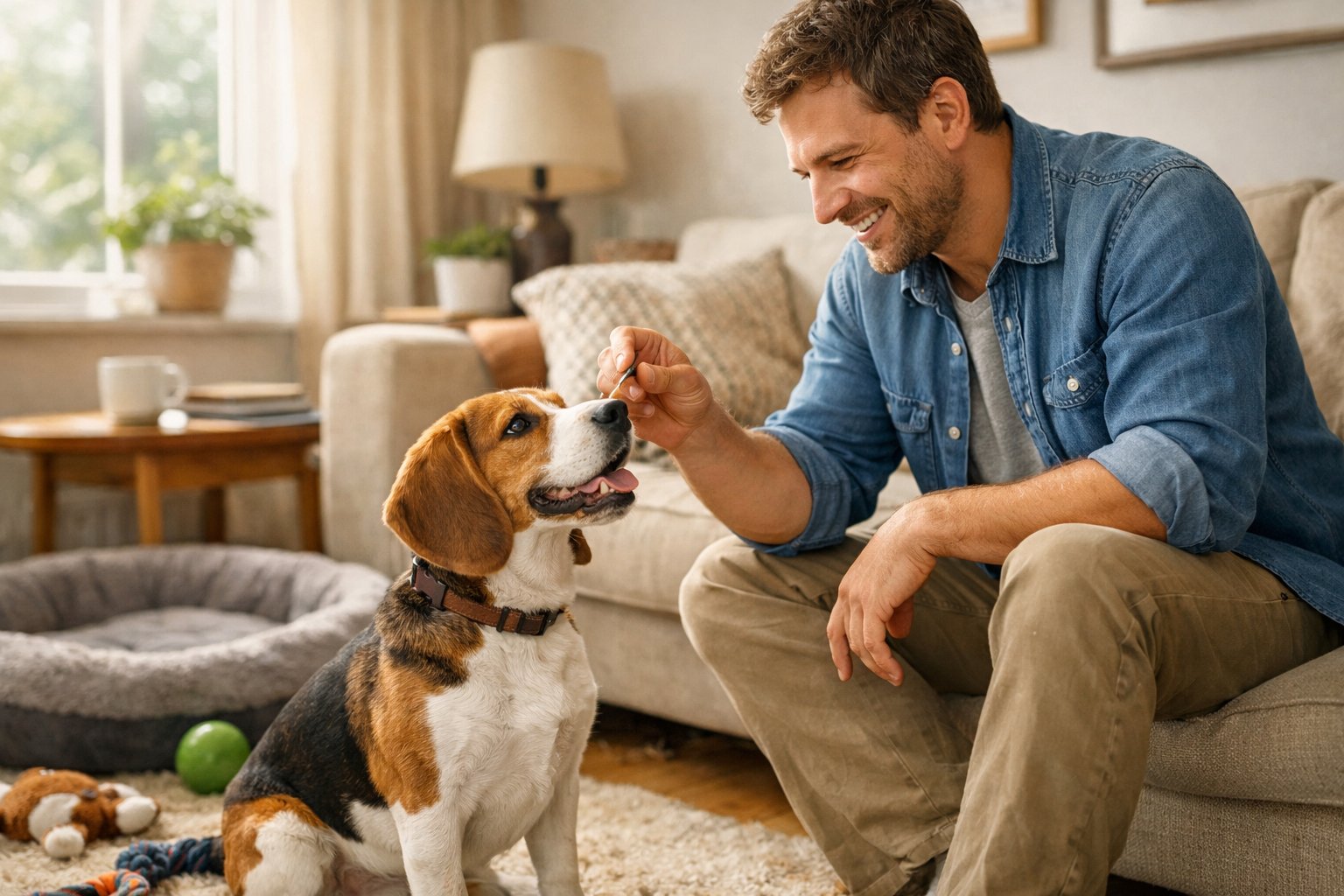
A person happily interacting with a Beagle dog inside a cozy living room.

Living with a Beagle means sharing daily routines with a curious, food-driven dog that follows its nose. Life with this breed involves regular exercise, steady training, frequent cleanup, and thoughtful planning around space and noise.

Exercise and Enrichment Needs

A Beagle needs at least 60 minutes of activity each day. Many owners split this into two walks plus playtime.

Because the Beagle is a scent hound, slow sniffing walks matter more than fast laps. Mental work matters as much as physical movement.

Puzzle feeders, scent games, and hide-and-seek with treats help burn energy. Common daily activities include:

  • Leash walks in safe areas
  • Backyard sniff sessions
  • Food puzzles or treat hunts

According to this Beagle care guide, most Beagles struggle without enough daily exercise. A bored Beagle often howls, chews, or digs.

Ease of Training and Mental Stimulation

Many people ask, are Beagles easy to train? The answer depends on expectations. Beagles learn commands quickly, but they follow scent before people.

Food rewards work best. Short sessions help keep attention.

Consistency matters more than firmness. Training tips that work well:

  • Use treats with strong smells
  • Keep sessions under 10 minutes
  • Practice in low-distraction areas

A complete Beagle owner guide notes that Beagles respond well to positive training but ignore cues when distracted. A Beagle puppy needs early training to manage pulling, barking, and recall.

Shedding and Grooming Requirements

People often ask, do Beagles shed? Yes, they shed year-round. The short coat drops hair daily, with heavier shedding in spring and fall.

Grooming stays simple:

  • Brush once or twice a week
  • Bathe every few months
  • Clean ears weekly

Their floppy ears trap moisture and dirt. Regular checks help prevent infections.

This AKC Beagle breed overview explains that Beagles stay easy to groom but still leave hair on clothes and furniture. A lint roller becomes part of daily life.

Adaptability to Different Living Situations

Beagles adapt well, but space and noise matter. They can live in apartments if owners meet exercise needs and manage barking.

Living situation considerations:

Home Type Key Needs
Apartment Daily walks, noise training
House Secure fencing
Family home Supervision with food

Beagles do best with fenced yards, but they dig and escape if bored. A brutally honest Beagle guide warns that scent trails override recall, even in familiar areas.

They thrive with people around often and struggle when left alone for long hours.

Beagle Health, Size, and Heritage
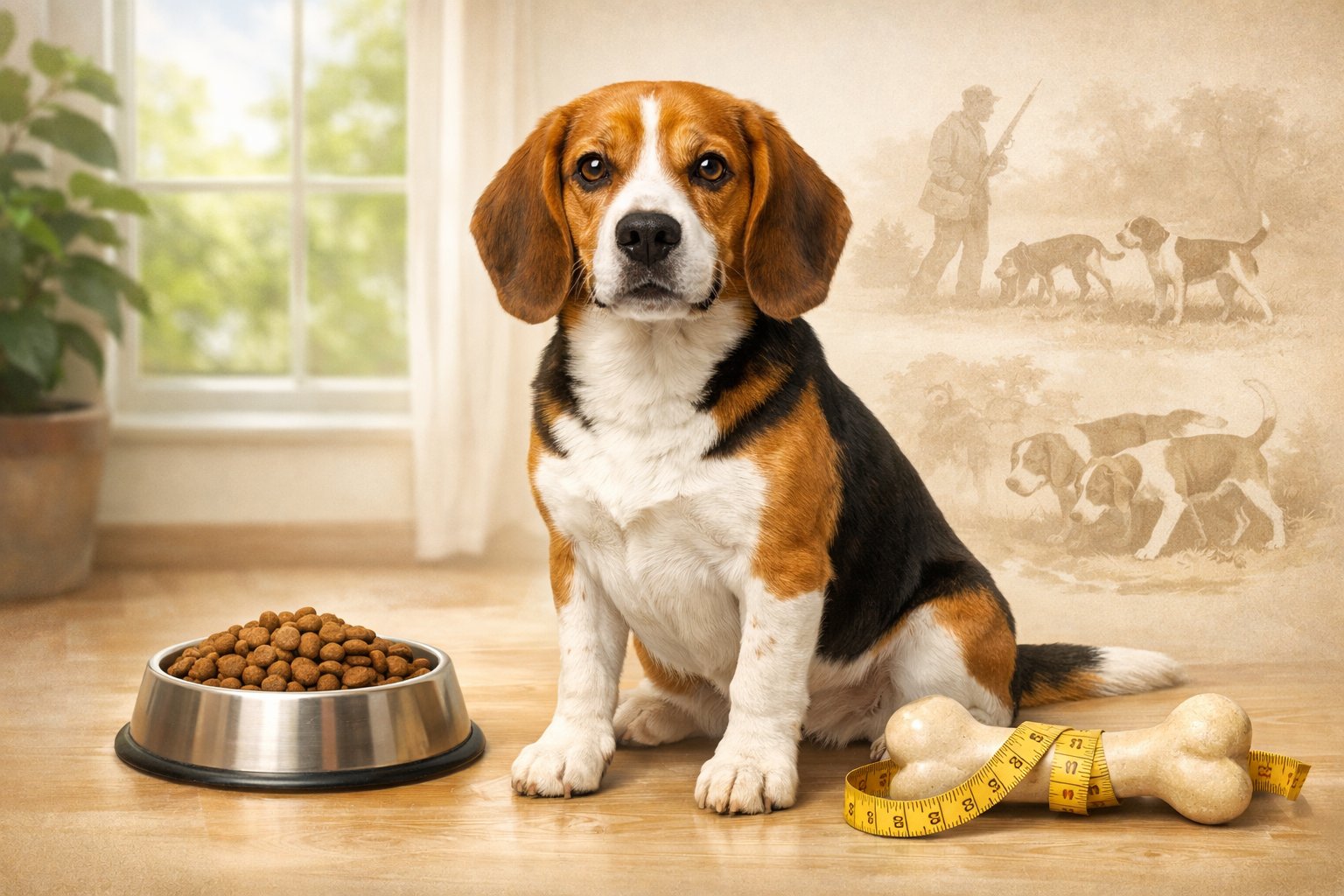
A healthy adult Beagle sitting indoors with symbols representing its size, health, and heritage in a warm and inviting environment.

A Beagle’s size stays manageable, but health needs steady care. The breed also has a long hunting history that shapes behavior today.

Knowing these facts helps people decide if daily life with a Beagle fits their home.

Typical Beagle Size and Weight

Beagles are small to medium dogs with a solid build. Most adults stand 13 to 15 inches tall at the shoulder and weigh 20 to 30 pounds, according to the Beagle breed standard from the American Kennel Club.

They have short legs, a strong chest, and a compact body. This shape helps them track scents for long periods.

Their size makes them easier to handle than larger hounds, but they are heavier than they look. Beagle puppies grow fast in the first year.

Owners should watch weight closely during this stage. Extra pounds can strain joints early and raise health risks later in life.

Common Health Issues and Longevity

Beagle health is generally stable, but the breed has known risks. Common concerns include ear infections, obesity, and thyroid problems.

Their long ears can trap moisture, which leads to frequent infections if not cleaned. Many Beagles also love food.

This trait makes weight control important. PetMD notes that diet and exercise play a major role in preventing long-term issues for the breed, as outlined in its guide on Beagle health and care.

Most Beagles live 10 to 15 years. Regular vet visits, daily walks, and mental play help support a longer life.

Early training also reduces stress-related behaviors.

Historical Background and Ancestors

Beagles come from a long line of scent hounds. Early records link them to small hunting dogs in England used for tracking rabbits.

One ancestor often mentioned is the Talbot Hound, an extinct breed known for its strong nose. The Beagle also shares traits with the Harrier, a larger hound used for hunting hares.

Both breeds focus on scent rather than speed. Britannica describes the Beagle as a breed shaped by pack hunting and endurance, not guarding, in its detailed Beagle history and temperament overview.
Filed Under: Border Collies

Beagle Myths vs. Facts: What’s Really True? Essential Truths Uncovered

February 10, 2026 by Jason Huskey

Debunking Common Myths About Beagle Behavior

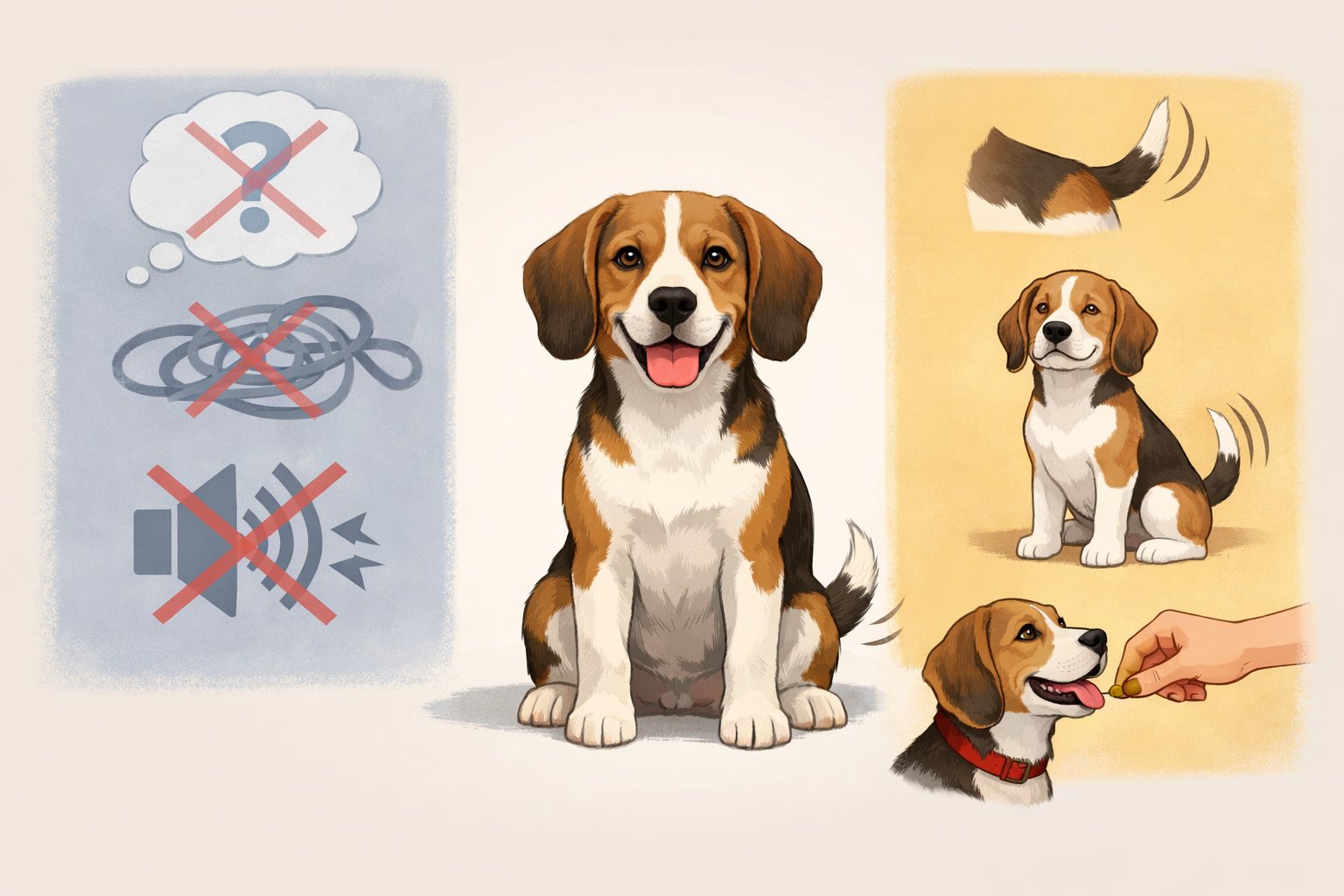
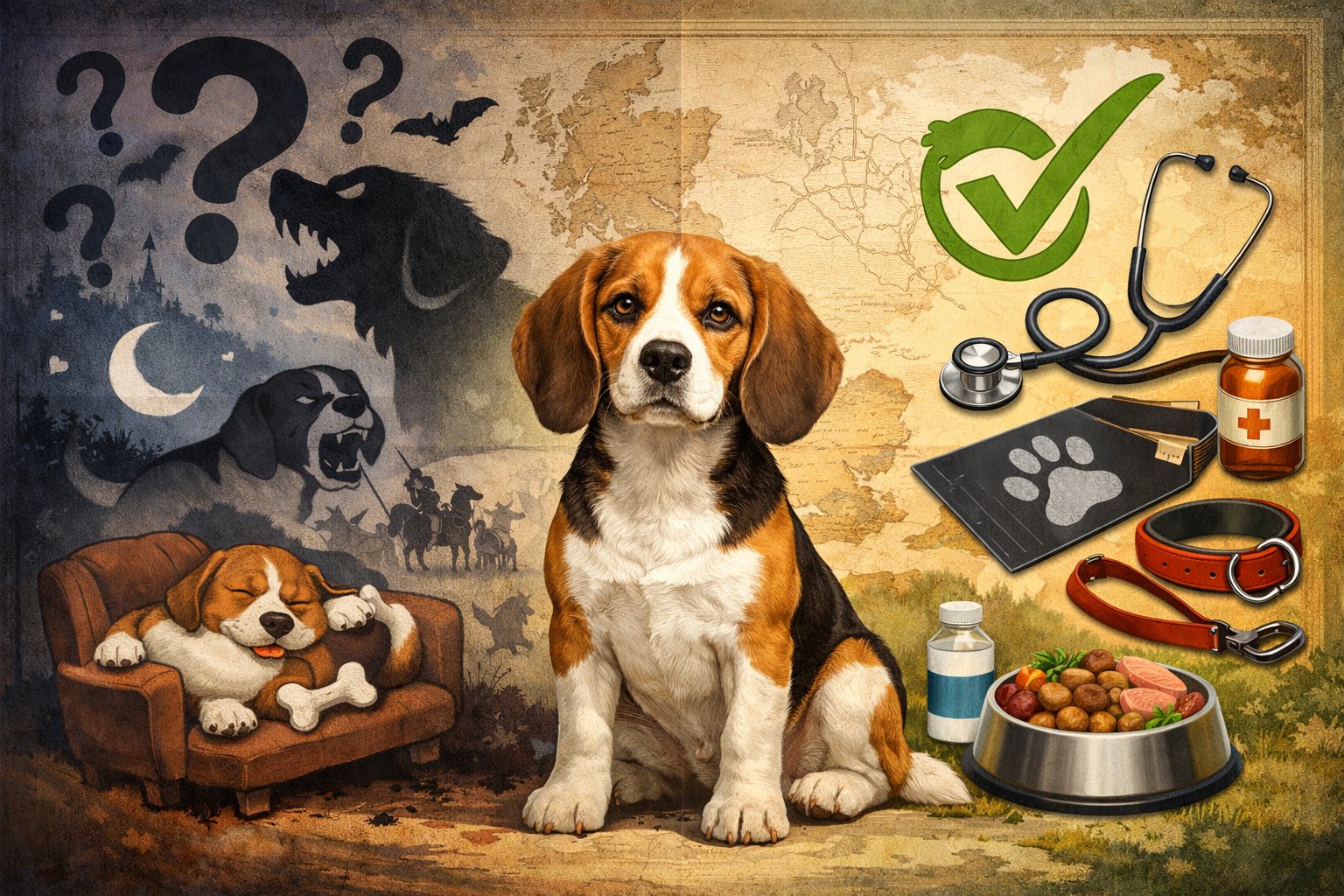
A Beagle dog is shown between two panels, one representing myths with crossed-out symbols and the other showing facts with positive icons about Beagle behavior.

Many people misunderstand beagle behavior because they confuse natural instincts with bad habits. Clear facts about energy, training, noise, and temperament help families decide if this small hound fits their home.

Are Beagles Hyperactive or Just Energetic?

People often call a beagle hyperactive, but facts about beagles show something different. The beagle breed has steady energy tied to its role as a scent hound.

Daily walks, play, and scent games usually meet that need. Beagles act busy when they feel bored or under-exercised.

This behavior does not mean the dog cannot settle. Many relax at home after activity and enjoy quiet time with their people.

Key differences

Hyperactive Energetic
Hard to calm at any time Calms after exercise
Constant pacing Active, then relaxed
Often stressed Curious and focused

Beagle Trainability and Intelligence

Some say beagles are untrainable. That myth ignores how they learn.

Beagles think with their noses first, which can slow response times. They respond best to short sessions, food rewards, and clear rules.

Consistency matters more than firmness. Many trainers note success when owners respect the breed’s scent-driven focus.

The American Kennel Club describes the beagle as a smart, curious dog that thrives with patient training. This matches guidance found in articles like Are Beagles Really Dumb? Understanding Canine Intelligence.

Beagle Vocalizations: Barking, Baying, and Howling

Beagles earned the nickname singing beagle for a reason. Barking, baying, and howling come from their hunting history.

These sounds helped hunters track dogs from far away. Noise often increases when a beagle smells something new or feels lonely.

Training and routine reduce excess barking. Mental games also help.

This trait explains why groups like the beagle brigade value their voices for detection work. Owners should expect sound, not silence, from this small hound.

Aggression and Social Nature

Aggression myths cause unfair worry. Beagles rank among the most social breeds.

They usually enjoy people, dogs, and children, which supports their reputation as a family dog. Problems often come from fear, lack of social time, or poor training.

Beagles raised with structure show friendly and playful behavior. Research summarized in Unraveling the Truth: Tackling the Myth of Beagle Aggression explains that aggression is not a breed trait.

Famous examples like Snoopy also reflect the breed’s gentle, social image.

Separating Fact From Fiction: Health, Care, and Breed Origins

A Beagle dog is shown in the center with two contrasting sides, one side illustrating myths with question marks and shadows, and the other side illustrating facts with health and care items and scientific symbols.

Many Beagle myths come from old stories, cartoons, or marketing claims. Clear facts about size, shedding, and health help owners make better choices and care plans.

Beagle Size and Pocket Beagles

Standard Beagles come in two height ranges: under 13 inches and 13 to 15 inches at the shoulder. Most weigh between 20 and 30 pounds.

Claims about the pocket beagle often confuse buyers. So-called pocket beagles, glove beagle, or mini Beagles are not a recognized size today.

Historical records mention very small hunting dogs owned by royalty, but modern kennel groups do not accept them as a separate type. The American Kennel Club explains that modern Beagles descend from older hounds like the Talbot hound and Harrier, bred for scent work, not tiny size.

Details on early development appear in this Beagle breed history. Dogs sold as pocket Beagles today often come from selective breeding or mixed lines.

These dogs may face higher health risks due to their size.

Shedding and Hypoallergenic Myths

Beagles are not hypoallergenic. They shed year-round, even though they have short coats.

The myth comes from their smooth hair, which hides loose fur better than long coats. Their coat has three main colors—black, tan, and white—and sheds lightly but often.

Weekly brushing helps control loose hair and keeps skin healthy. Beagles also produce dander, which triggers allergies in sensitive people.

Beagles need regular grooming, but not complex care. Bathing every few months works for most dogs.

According to general breed facts from Britannica’s Beagle overview, their coat stays easy to manage compared to many other breeds. People with allergies should spend time around a Beagle before adopting to check reactions.

Health Issues and Lifespan Facts

Beagles usually live 12 to 15 years. They are sturdy dogs, but they face known health concerns.

Common issues include ear infections, obesity, and some joint problems. Their strong nose—powered by about 225 million scent receptors—makes them excellent detection dogs.

This same trait drives food-seeking behavior, so owners must manage Beagle nutrition carefully. Measured meals and daily exercise reduce weight gain and related issues.

Breed groups like the National Beagle Club and local Beagle clubs promote health testing and responsible breeding. General health traits and working roles also appear in the Beagle breed profile.

Filed Under: Border Collies

First-Time Beagle Owner Checklist: Essential Steps for a Happy Start

February 10, 2026 by Jason Huskey

Preparing for Your Beagle’s Arrival

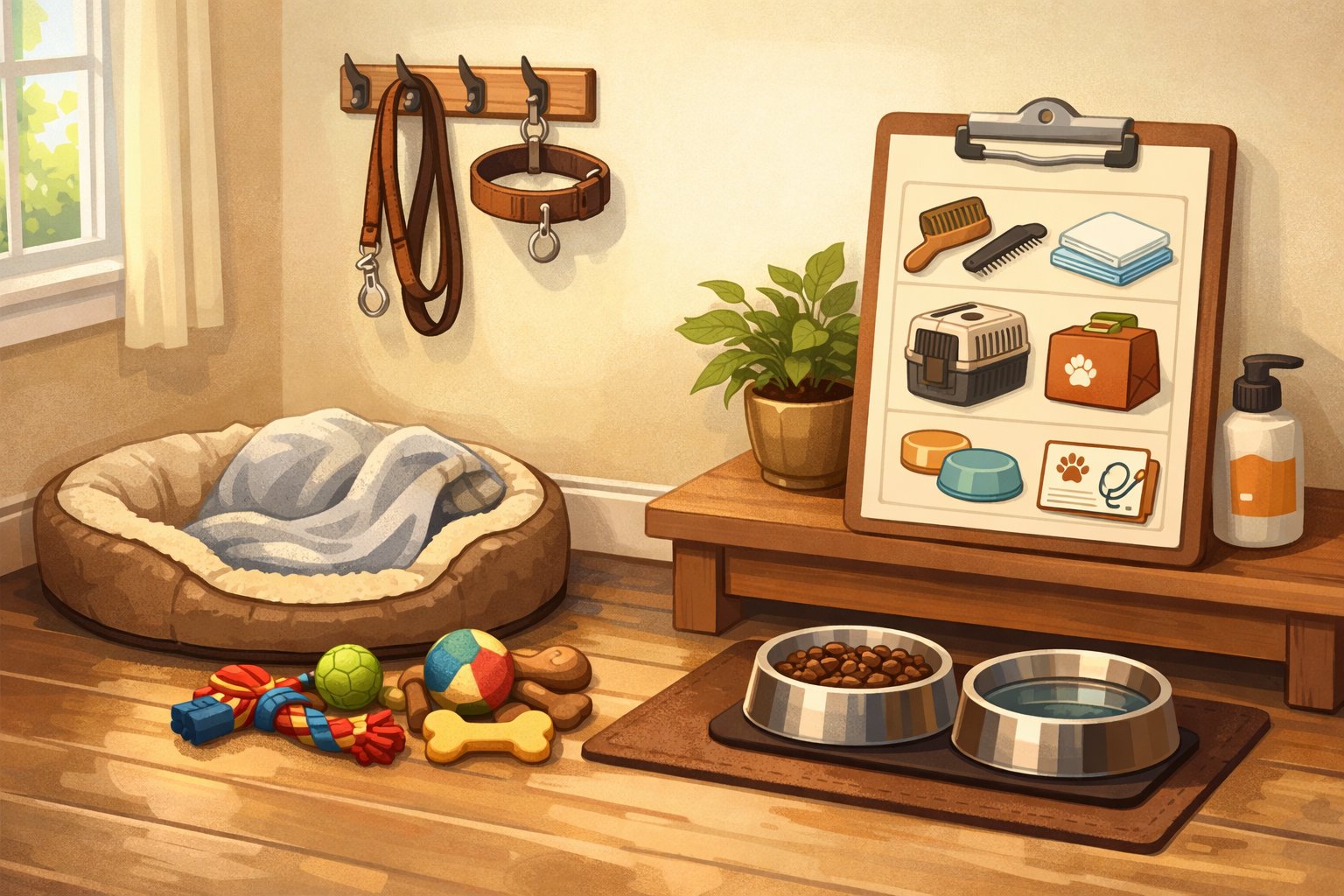
A tidy home entryway set up with a dog bed, toys, leash, collar, food and water bowls, and a checklist on a table, ready for a new Beagle puppy.

Preparing ahead makes bringing home a beagle smoother and less stressful. The right dog choice, a safe home setup, and basic supplies help a new beagle owner start with clear routines and fewer surprises.

Choosing the Right Beagle for Your Family

A first-time dog owner should look closely at how a beagle fits daily life. The beagle breed is social, active, and food driven.

These traits shape training, exercise, and supervision needs. Families can choose between beagle puppies from a breeder or an adult beagle from a rescue.

Puppies need more time at home for house training and social skills. Adult dogs may arrive with habits already formed.

When meeting a dog, they should watch for:

  • Clear eyes and clean ears
  • Steady walking and alert movement
  • Calm curiosity, not fear or aggression

Reputable breeders and rescues answer questions and allow visits. This step matters before bringing home a beagle that will live with the family for many years.

Setting Up a Safe Puppy‑Proofed Space

A new beagle owner should prepare the home before the dog arrives. Beagles explore with their noses and mouths.

Unsafe spaces lead to chewed items and health risks. Choose one quiet area as the main puppy zone.

Remove loose cords, shoes, plants, and small objects. Use baby gates to block stairs or off-limit rooms.

Outdoor spaces need attention too. Beagles dig and slip through gaps.

Fences should sit low and secure. Basic safety steps include:

  • Locking trash cans
  • Storing food out of reach
  • Keeping cleaning products in closed cabinets

This setup helps beagle puppies learn boundaries while staying safe.

Essential Supplies and Shopping List

Having supplies ready makes the first days easier. New beagle owners should focus on comfort, feeding, training, and health.

Core items to have at home:

Category Items
Feeding Puppy food, bowls, training treats
Comfort Crate, bed, soft blankets
Training Leash, harness, poop bags
Enrichment Chew toys, snuffle mat
Health Brush, vet contact info

A snuffle mat supports mental stimulation and slows eating. Poop bags should stay near doors and in travel kits.

Buying these items early helps routines start right away.

Successful Training and Daily Care

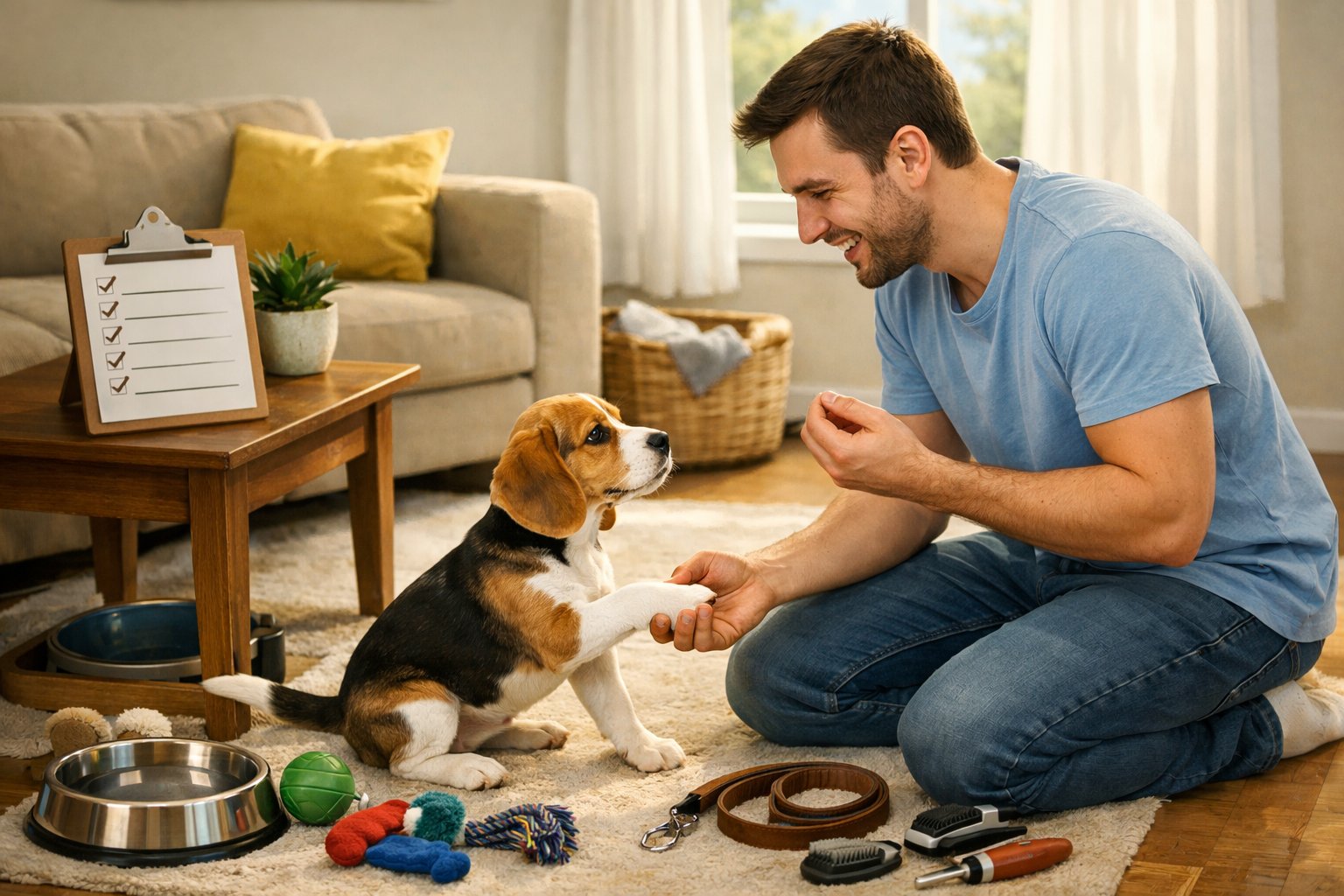
A person training a Beagle puppy indoors, surrounded by pet care items and a checklist on a table.

A Beagle puppy learns best with structure, clear rules, and daily practice. Consistent house training, smart crate use, simple training tools, and steady routines shape good habits early.

House Training Basics

House training should start on day one. A Beagle puppy needs frequent trips outside, especially after waking, eating, playing, and naps.

They respond well to routine and fast feedback. Set a fixed potty spot and use the same door each time.

Praise and reward right after success. This timing matters.

Helpful house training tips:

  • Take the puppy out every 2–3 hours
  • Use a leash to limit wandering
  • Clean indoor accidents with enzyme cleaner
  • Avoid punishment; it slows learning

Beagles follow scents, which can distract them. Stay calm and patient.

Most puppies show steady progress within weeks when owners stay consistent. Learn more about early house training from this beagle training guide.

Crate Training Techniques

Crate training helps with safety, sleep, and house training. A crate gives the puppy a quiet space to rest and settle.

It should feel safe, not like a penalty. Choose a crate large enough to stand and turn, but not roam.

Line it with soft bedding and keep it in a calm area.

Crate training basics:

  • Introduce the crate during calm moments
  • Feed meals near or inside the crate
  • Keep crate time short at first
  • Take the puppy out right after release

Never use the crate for punishment. For a step-by-step approach, this beagle puppy preparation guide explains how crate training fits into daily care.

Training Your Beagle: Tips and Tools

Training a Beagle works best with short, focused sessions. Their strong sense of smell can pull attention away fast.

Owners should train before meals when motivation is high. Use simple commands like sit, stay, and come.

Keep sessions under 10 minutes.

Useful training tools:

  • Soft treats in small sizes
  • A standard 6-foot leash
  • A flat collar or front-clip harness
  • A clicker for timing rewards

Positive reinforcement builds trust and focus. Harsh methods often cause stubborn behavior.

This Beagle puppy training timeline shows what skills to teach at each stage.

Daily Routines and Early Socialization

Daily routines help a Beagle feel secure and calm. Regular feeding, walks, training, and rest times reduce stress and confusion.

Socialization should begin early and stay controlled. Expose the puppy to new sounds, people, and places in small steps.

Daily routine example:

Time of Day Activity
Morning Potty, short walk, breakfast
Midday Play, training, rest
Evening Walk, dinner, calm time

Early exposure supports better behavior later. This first-year Beagle care guide explains how routines support long-term health and learning.

Health, Nutrition, and Enrichment

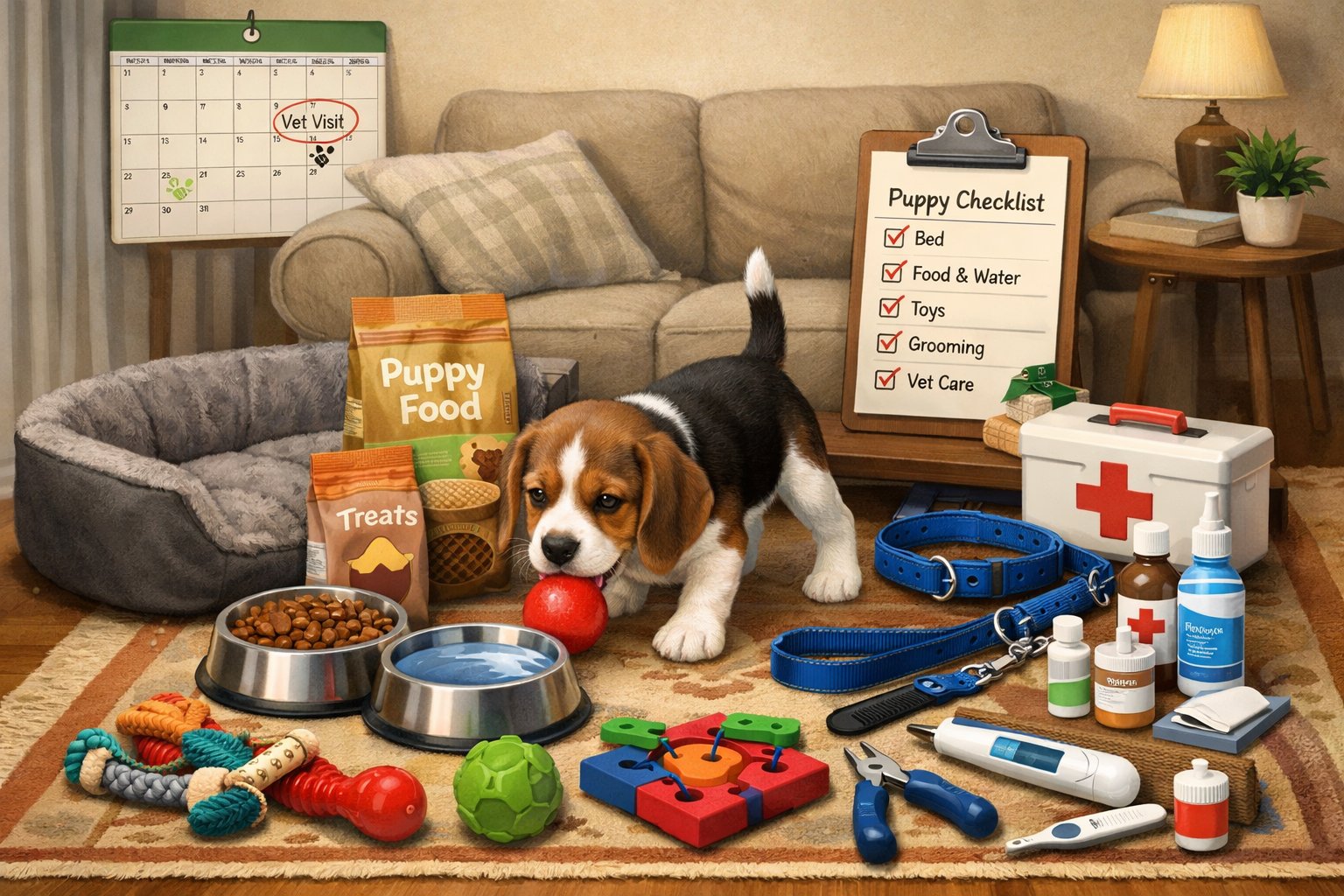
A Beagle puppy in a living room surrounded by dog care items including a bed, food bowls, toys, leash, grooming tools, and a checklist on a table.

A healthy beagle dog needs the right food, steady exercise, and basic care routines. These areas shape energy levels, behavior, and long-term comfort for both adult beagles and beagle puppies.

Feeding and Nutrition Essentials

Beagles love food, so owners must control portions from day one. Free feeding often leads to weight gain, which strains joints and affects energy.

A high-quality diet with clear protein sources works best for this breed. Many owners follow guidance from a detailed beagle nutrition guide to balance calories, fats, and nutrients by age.

Key feeding basics:

  • Measure every meal.
  • Limit treats to training rewards.
  • Avoid table scraps.

Beagle puppies need more frequent meals, usually three per day, to support growth. Adult beagles do well on two meals daily at the same times.

Fresh water should stay available at all times.

Exercise Needs and Mental Stimulation

A beagle needs daily movement to stay calm and focused. Walks alone rarely meet this need because the breed also needs mental work.

Most beagles benefit from:

  • At least 60 minutes of activity per day
  • Sniff-based games that use their nose
  • Puzzle toys or food-dispensing feeders

Mental enrichment prevents boredom behaviors like barking or chewing. Many owners rely on ideas from an actionable beagle enrichment checklist to rotate toys and activities.

Short training sessions also count as mental exercise. Five to ten minutes of focused work can tire a beagle more than a long walk.

Grooming and Routine Health Care

Beagles have short coats, but they still need regular grooming. Weekly brushing removes loose hair and keeps skin healthy.

Ears need special attention. Their floppy shape traps moisture and dirt, so owners should clean ears once a week to reduce infection risk.

Nail trims usually help every three to four weeks.

Routine care should include:

  • Annual vet visits
  • Core vaccinations
  • Flea, tick, and heartworm prevention

A simple schedule, like the one outlined in a complete beagle care guide, helps first-time owners stay consistent.

Filed Under: Border Collies

Beagle Weight Management: Preventing Obesity in Food‑Loving Dogs with Smart Nutrition and Care

February 10, 2026 by Jason Huskey

Understanding Beagle Obesity Risks

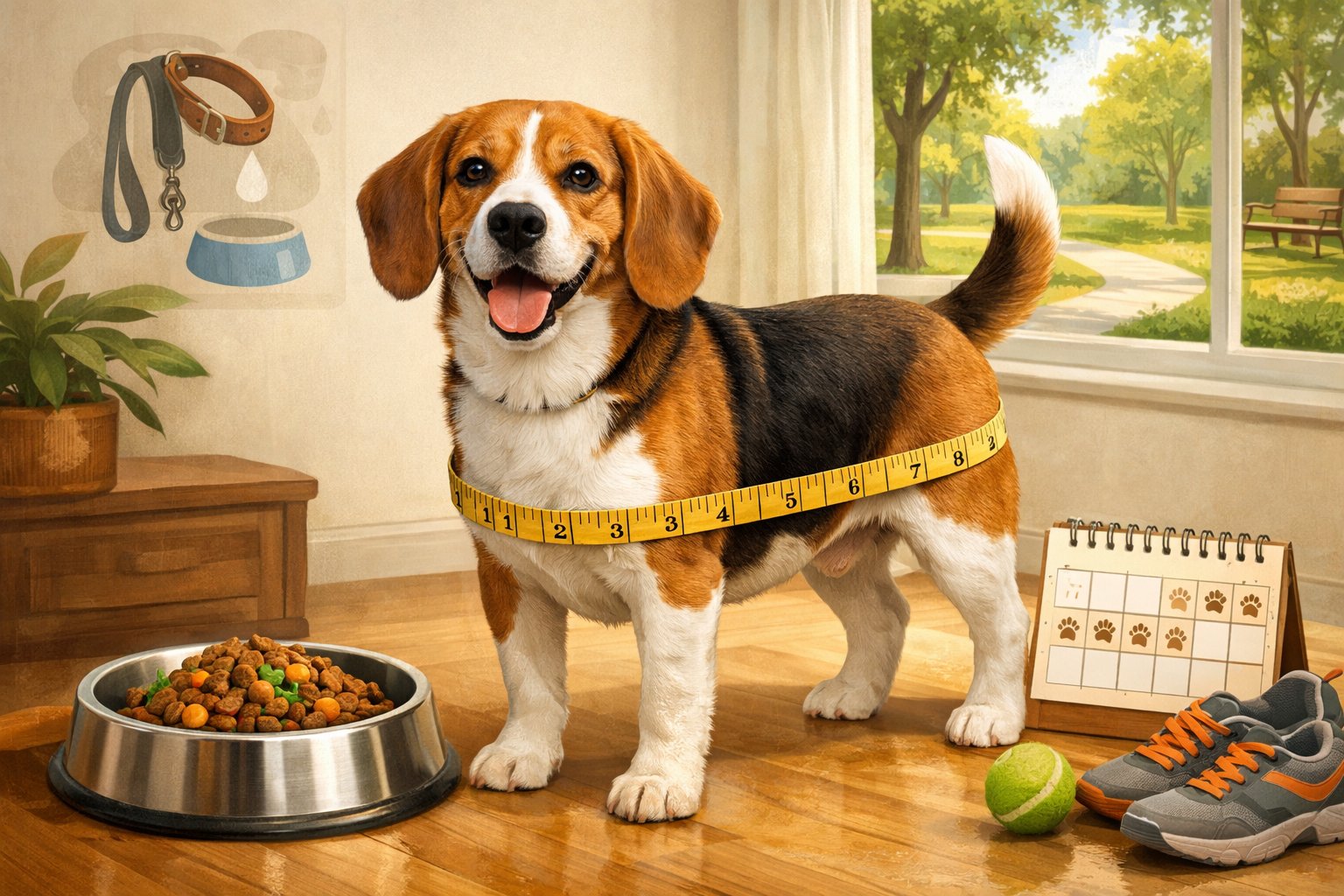
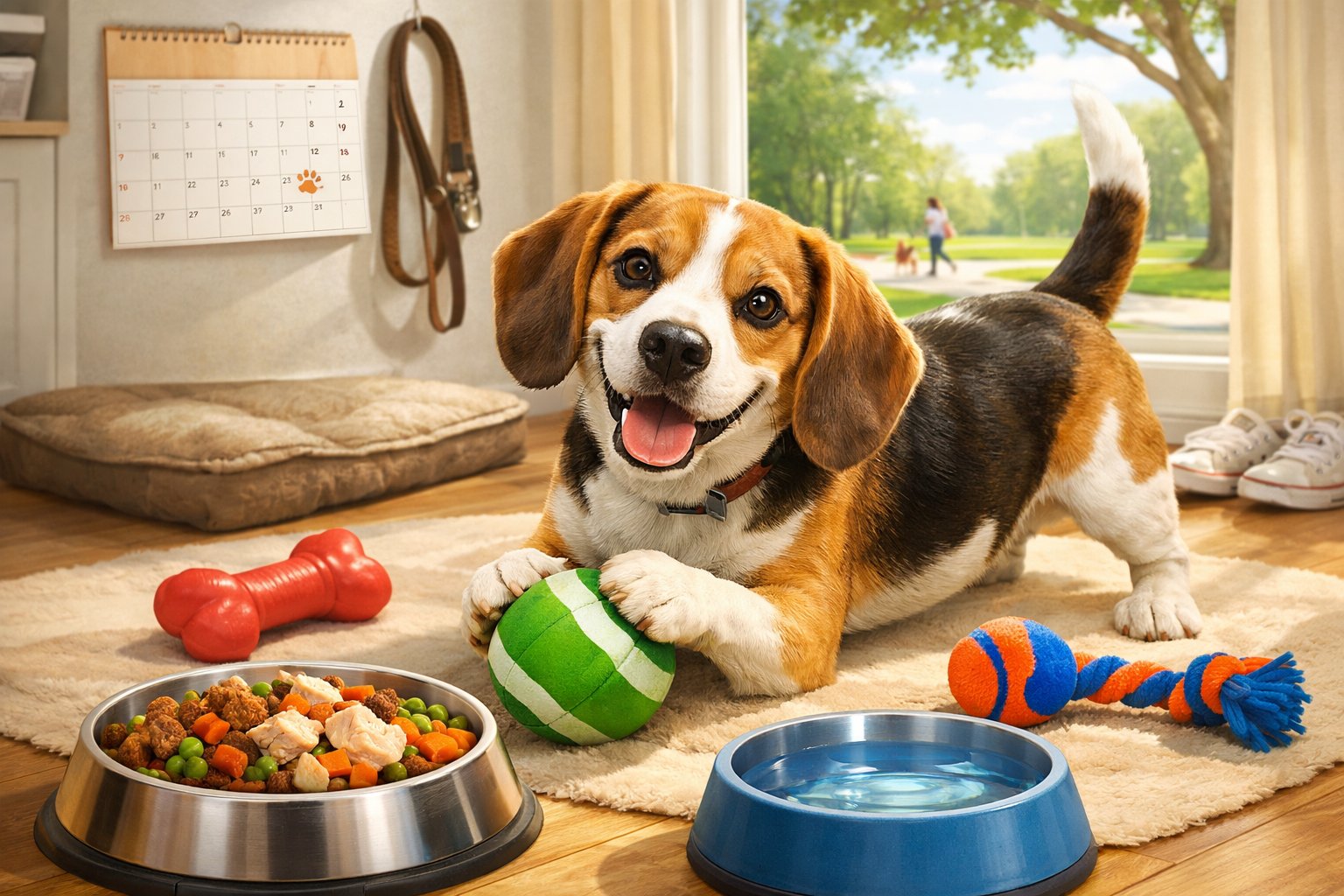
A healthy Beagle dog with a measuring tape around its waist, a bowl of dog food, and a calendar showing exercise days in a home with a park visible outside.

Beagles gain weight faster than many breeds, and extra pounds affect their health early. Owners need to know why weight gain happens, how to spot it, and which health problems follow.

Why Beagles Are Prone to Weight Gain

Beagles have a strong food drive. This trait helped them track scents, but it also leads to overeating in the home.

Many will keep eating if food stays available. Their energy level also plays a role.

Beagles enjoy walks and play, but they do not burn calories as fast as very active breeds. When meals stay large and activity drops, weight adds up quickly.

Age and neutering increase the risk. Middle‑aged and neutered dogs need fewer calories, yet many owners keep feeding the same amount.

According to a detailed guide on why beagles gain weight easily, even small daily calorie extras can lead to steady weight gain.

Recognizing Signs of an Overweight Beagle

An overweight beagle often shows physical and behavior changes. These signs appear slowly, so owners may miss them.

Common signs include:

  • Ribs are hard to feel under fat
  • No clear waist when viewed from above
  • Belly hangs lower than the chest
  • Gets tired faster on walks
  • Hesitates to jump or climb stairs

Weight changes matter more than looks. A beagle should weigh about 20 to 30 pounds, depending on size and build.

The article on healthy weight ranges for beagles explains how even a few extra pounds can signal a problem.

Health Problems Linked to Canine Obesity

Extra weight strains a beagle’s body every day. Joints take the first hit, which often leads to arthritis and stiffness.

Movement becomes painful, so activity drops even more. Heart disease and diabetes also become more likely.

The body must work harder to support excess fat, which raises long‑term health risks. Breathing issues can appear as well, especially during exercise or warm weather.

Studies discussed in beagle obesity health risks show that obesity can shorten a dog’s lifespan.

Building the Ideal Beagle Diet for Weight Control

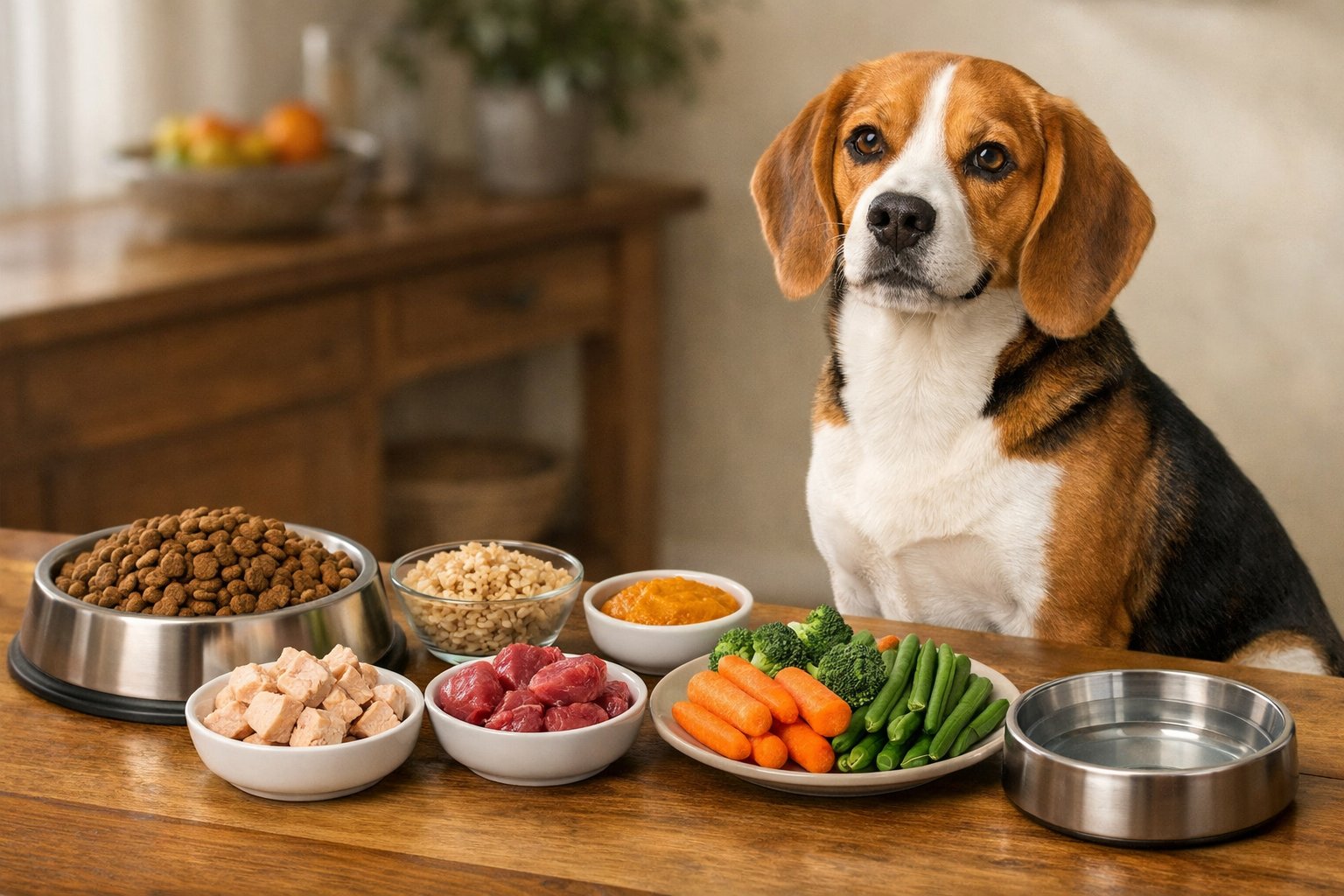
A healthy Beagle sitting next to a table with measured portions of dog food and fresh vegetables in a home kitchen setting.

A Beagle controls weight best with the right nutrients, smart food choices, and steady portions. Clear rules around meals help limit overeating while still meeting daily nutrition needs.

Key Nutrients and Macronutrient Ratios for Beagles

Beagle nutrition should support muscle while limiting extra calories. Protein matters most because it helps preserve lean mass during weight loss.

Many vets suggest high protein dog food with added fiber to control hunger. A balanced beagle diet often follows this pattern:

Nutrient Why it matters
Protein (25–30%) Supports muscle and fullness
Fat (10–15%) Limits excess calories
Fiber (5–10%) Slows digestion and reduces begging

Carbohydrates should stay moderate and come from whole foods like oats or brown rice. Avoid diets heavy in fillers, which raise calories without adding value.

Clean ingredient lists help support long-term weight control.

Choosing the Best Dog Food for Beagles

Dog food for Beagles should match their strong appetite and moderate activity level. Many owners choose formulas made for weight control or satiety.

These foods balance protein and fiber while cutting fat. Look for labels that list real meat as the first ingredient.

Avoid foods with sugar, corn syrup, or vague meat by-products. Brands discussed in guides to the best dog food for Beagles often meet these standards.

Prescription weight-loss foods may help obese dogs under vet care. Guides on managing obesity in Beagles stress careful calorie control and routine checkups when using these diets.

Benefits of Natural and Raw Food Diets

Natural dog food uses simple ingredients with minimal processing. Many owners like these diets because they avoid artificial colors and preservatives.

For some dogs, this improves digestion and stool quality. Raw dog food benefits may include higher moisture and fewer fillers.

These diets often use raw meat, bones, and vegetables. They can support weight control when portions stay exact.

Raw diets carry risks if prepared poorly. Bacteria and nutrient gaps can occur.

Vets often suggest commercial raw options or balanced recipes to reduce risk. Natural or raw diets still require strict portion control to prevent weight gain.

Portion Control and Feeding Schedules

Portion control drives weight loss more than food type alone. Beagles overeat when owners free-feed or guess portions.

Measuring every meal helps stop calorie creep. A simple schedule works best:

  • Two or three meals per day
  • Measured portions using a scale
  • Treats under 10% of daily calories

Small, frequent meals reduce hunger spikes. Timed feeding also limits begging.

When owners stay consistent, beagle food routines become predictable and easier to manage.

Everyday Tips for Preventing Obesity in Beagles

A healthy Beagle dog playing with toys near a bowl of nutritious food in a home with a window showing a park outside.

Daily habits shape a Beagle’s weight more than occasional changes. Smart treat control and steady exercise help manage a strong food drive without stress for the dog or the owner.

Managing Treats and Table Scraps

Beagles respond fast to food rewards, so treat control matters every day. Keep treats under 10% of daily calories and count them as part of meals, not extras.

Owners should avoid table scraps, since even small bites add up fast for a dog that should weigh about 20–30 pounds, as explained in this guide to healthy Beagle weight management.

Better options reduce risk while keeping training effective. Low‑calorie treats like carrots or measured kibble work well.

Some owners use LifeSource Bits because they are small and easy to portion.

Helpful rules to follow:

Tip Why it helps
Break treats in half Cuts calories without cutting rewards
Measure treats daily Prevents accidental overfeeding
Feed on schedule Reduces begging and food anxiety

Exercise Ideas for Food‑Motivated Dogs

Beagles need daily movement to balance their appetite. Most do best with 30–60 minutes of activity, split into short sessions to avoid fatigue.

Brisk leash walks burn calories and support joint health, especially for dogs already carrying extra weight. Food motivation can drive exercise instead of weight gain.

Scent games, scatter feeding in the yard, and puzzle toys keep dogs moving while engaging their nose. These activities reflect advice shared in practical diet and exercise tips for preventing Beagle obesity.

Swimming works well for overweight Beagles because it limits joint stress. Owners should start slow and increase time over weeks.

Consistency matters more than intensity. Daily routines help dogs stay active without frustration.

Filed Under: Border Collies

Why Beagles Are Escape Artists (and How to Stop It): Practical Owner Strategies

February 10, 2026 by Jason Huskey

Why Beagles Are Escape Artists

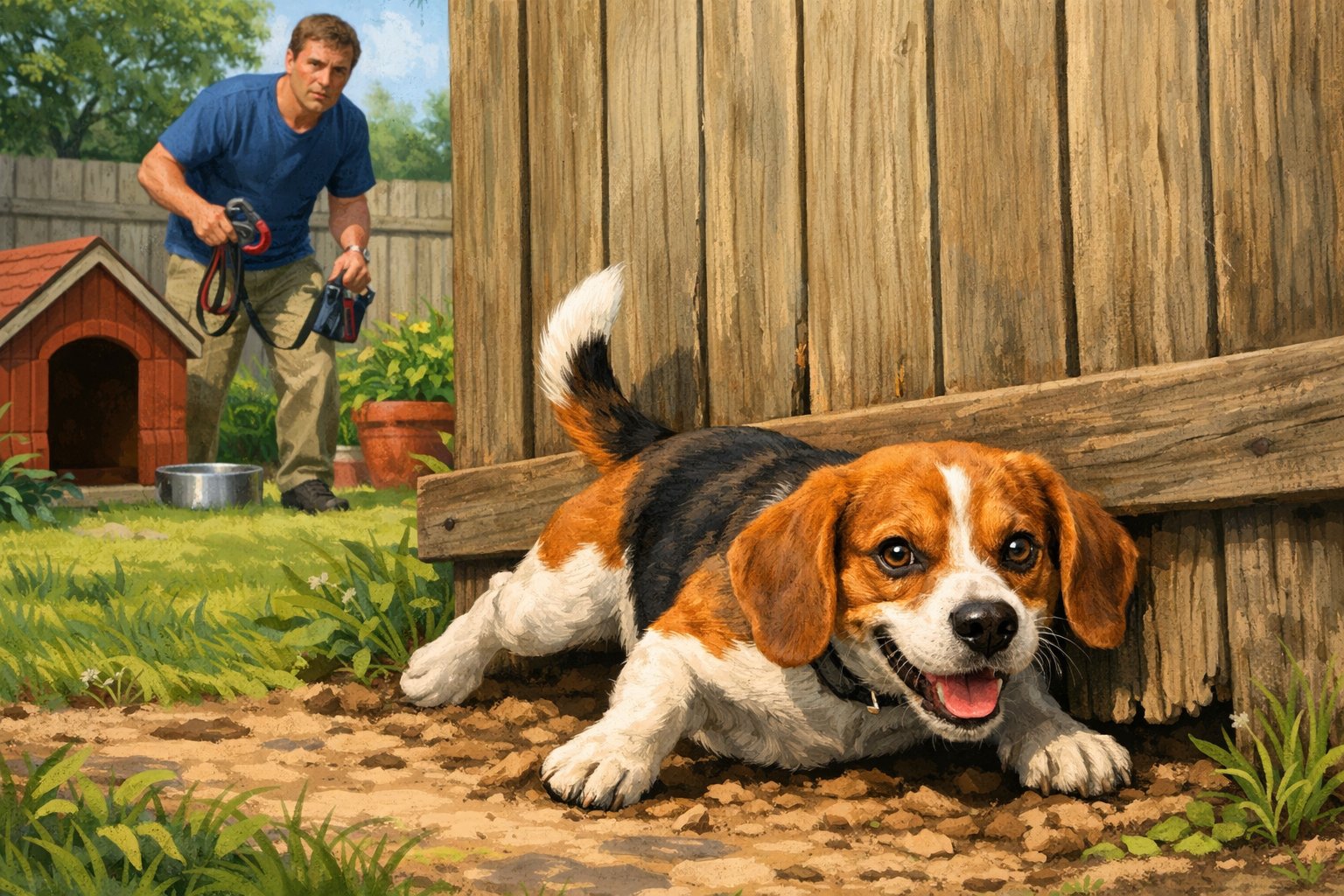
A beagle slipping under a fence to escape a backyard while the owner watches with concern holding a leash.

Beagles often run off because their nose leads the way, their mind seeks action, and their emotions push them to move. Understanding beagle behavior helps explain why beagles run away and what triggers those choices.

Instincts Driving Beagle Escapes

Beagles are scent hounds bred to track animals over long distances. Their powerful nose can pull their body forward before the brain checks for danger.

When a strong smell appears, many beagles run away without warning. This instinct answers a common question: why do beagles run away even from caring homes?

The behavior comes from genetics, not defiance. Once a scent locks in, recall often fails.

Key instinct traits include:

  • Strong prey drive
  • Focus on smell over sound
  • Low awareness of distance

Many owners notice this pattern when learning why beagles run away due to hunting instincts. The trait shows up even in well-trained dogs.

The Role of Curiosity and Exploration

Beagles show deep curiosity about the world around them. New smells, sounds, or movement can spark a sudden need to explore.

This curiosity explains why beagles run away through open doors or gaps in fences. They explore with purpose.

A trail is not random to a beagle. It feels like a clear path that needs following.

This behavior fits within normal beagle behavior, not poor manners. Owners often underestimate how fast curiosity turns into distance.

Articles that explain why beagles are known escape artists point to curiosity as a main driver. Curiosity increases when the environment changes, such as:

  • New animals nearby
  • Fresh outdoor scents
  • Unfamiliar places

Boredom, Anxiety, and Social Needs

Beagles need daily activity and social contact. Without it, boredom builds fast.

A bored beagle looks for stimulation, and escape becomes an option. Anxiety also plays a role.

Loud noises, loneliness, or sudden routine changes can push a beagle to flee. Some beagles run away trying to find comfort or familiarity.

Understanding beagle behavior means watching emotional cues, not just physical ones. Guides that cover common triggers that make beagles run away often stress unmet needs.

Common emotional triggers include:

  • Long periods alone
  • Lack of exercise
  • Stress from noise or change

How to Prevent Your Beagle From Running Away

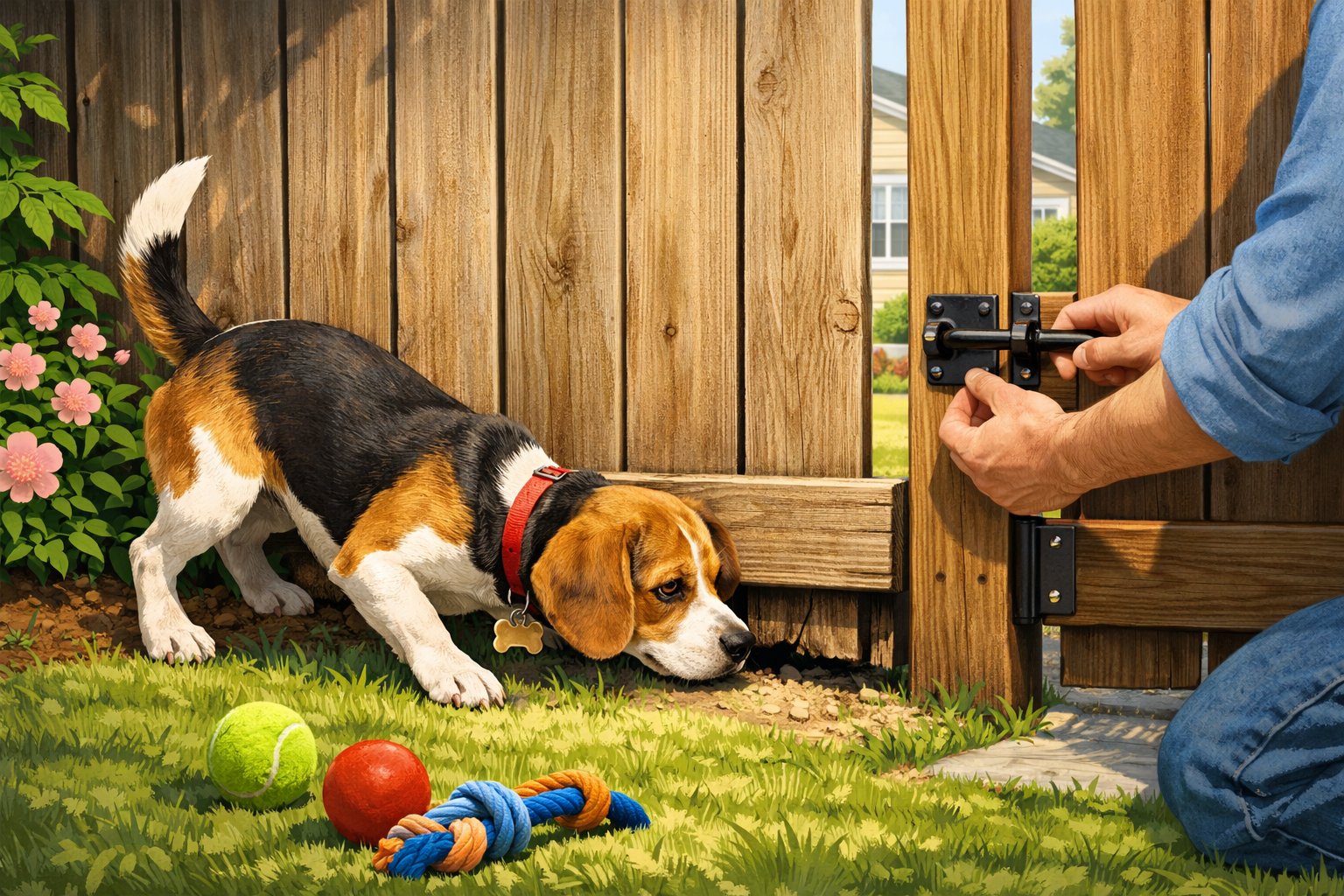
A Beagle near a garden fence with a person securing the gate to prevent the dog from escaping.

Stopping a beagle running away takes planning, daily effort, and clear rules. Owners see the best results when they secure the space, meet the dog’s need for activity, and use positive reinforcement training that builds strong habits.

Securing Your Home and Yard

A secure home blocks the most common escape paths. Beagles run away when they find gaps, loose gates, or low fences that invite exploring.

Key steps that reduce risk:

  • Fences should stand 5–8 feet high and touch the ground with no gaps.
  • Gates need locks or tight latches, not simple hooks.
  • Remove items near fences that a beagle can climb.

Inside the home, doors create another risk. Baby gates help during busy times, and leash control works well near entryways.

Many owners also add ID tags and tracking tools as backups. Guides on preventing beagle runaways with secure environments explain how small fixes can stop repeat escapes.

Engaging and Stimulating Activities

Boredom drives many cases where beagles run away. A tired beagle focuses better and feels less urge to roam.

Daily activity should mix physical movement and mental work. Long walks matter, but sniffing games matter just as much.

Beagles think with their noses. Helpful activity ideas include:

  • Food puzzle toys or stuffed Kongs
  • Hide-and-seek with treats
  • Short training games during the day

Most adult beagles need at least 1–2 hours of activity spread across the day. Owners who meet this need see fewer escape attempts.

Articles that explain why beagles escape due to boredom and instincts show how routine play lowers that risk.

Effective Recall and Positive Reinforcement Training

Training gives owners control when distractions appear. Recall training matters most for stopping a beagle running away once a scent takes over.

Positive reinforcement training works better than punishment. Rewards teach the dog that staying close pays off.

Focus on these core commands:

  • Come
  • Stay
  • Leave it

Training should start on a leash, then move to long lines, and only later to safe off-leash areas. High-value treats help when smells compete for attention.

Clear recall methods from guides on how to train a beagle not to run away show why consistency matters more than speed.

What to Do If Your Beagle Runs Away

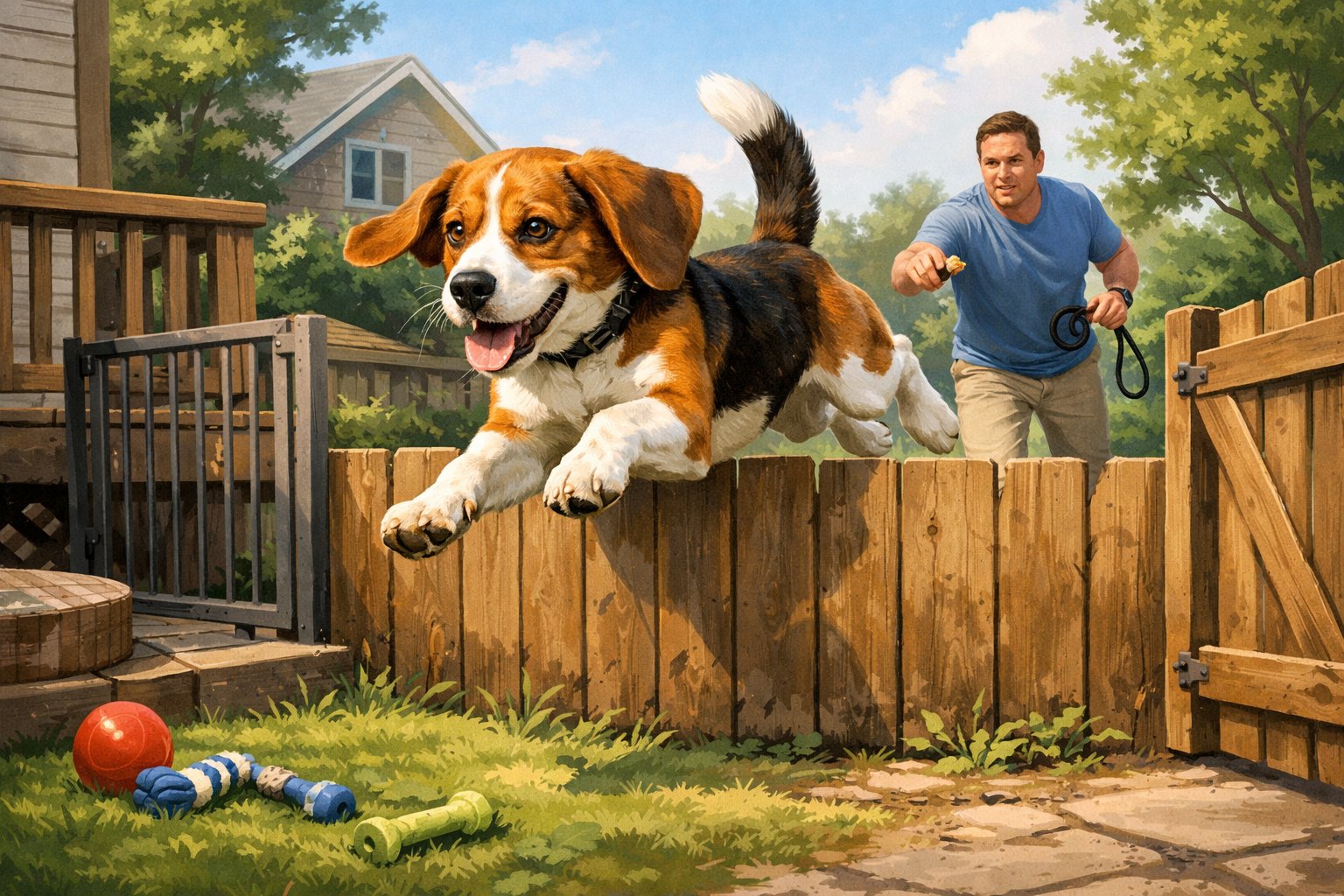
A beagle jumping over a backyard fence while its owner runs after it holding a leash and treat.

Stay calm and act fast. Beagles often stay close to familiar places, so quick steps can make a big difference.

Start by checking the yard, nearby streets, and favorite sniffing spots. Call the beagle’s name in a clear, happy voice, and listen for movement or barking.

Helpful first actions

  • Leave gates open in case the beagle finds the way back
  • Place food, water, or a worn item with the owner’s scent outside
  • Avoid yelling or chasing, which can push the dog farther away

If the beagle does not return, widen the search. Neighbors can help by checking garages, sheds, and fenced yards.

Posting online also helps. Local social media groups and missing pet pages spread the word fast, especially when they include a clear photo and last known location.

Contact nearby shelters and rescue groups right away. Many shelters suggest calling daily, since dogs arrive at different times.

Sites like local animal shelters and rescue groups explain why early contact matters.

When the beagle comes home, greet it with praise and calm affection. Avoid punishment, since fear can make future escapes worse.

If the beagle has a microchip or GPS collar, update contact details and check the device often. Guides on what to do if your beagle runs away stress that preparation helps recovery happen faster.

Filed Under: Border Collies

Best Toys and Games for Beagles Who Get Bored Easily: Top Picks & Tips

February 10, 2026 by Jason Huskey

Top Toy Categories for Bored Beagles

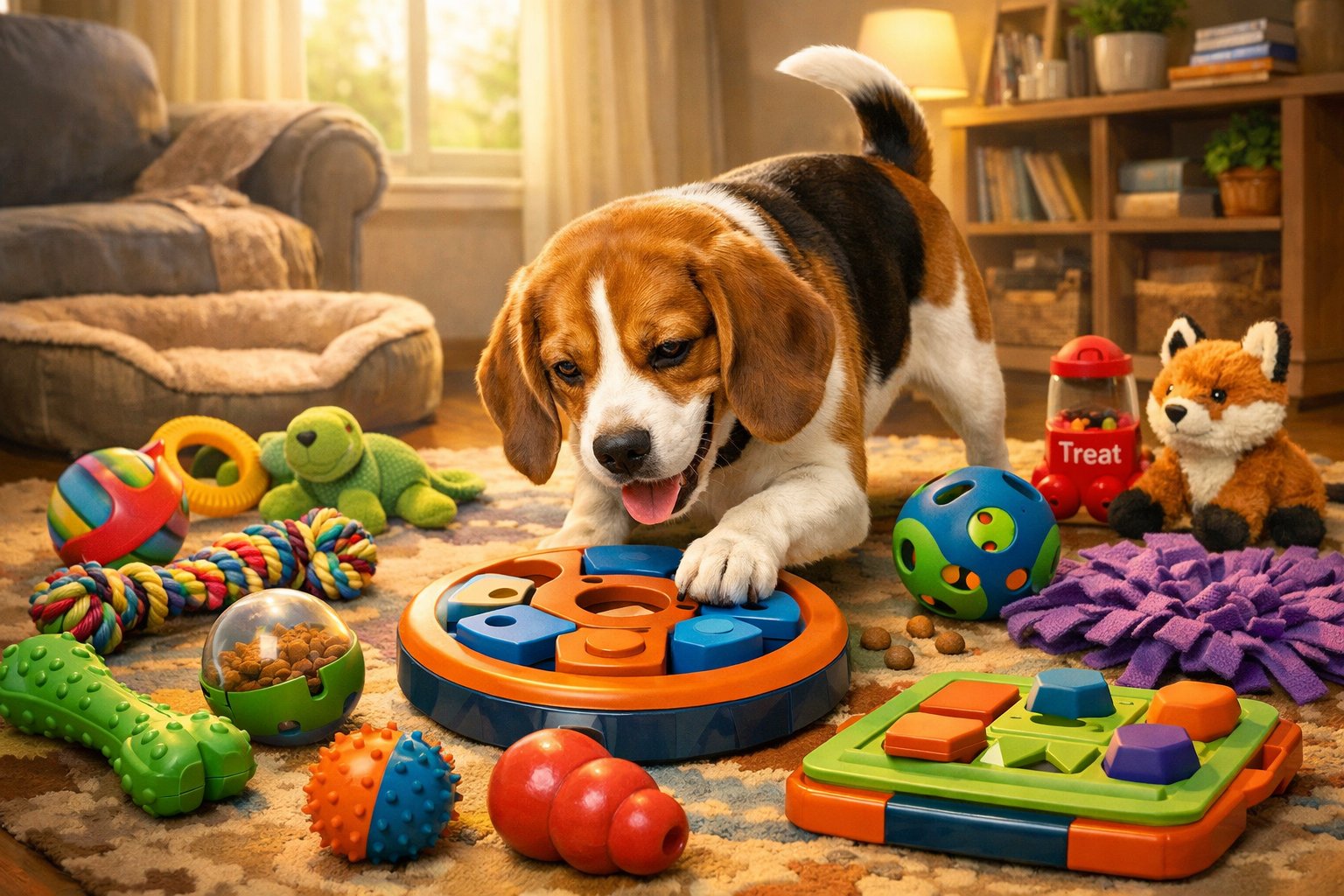
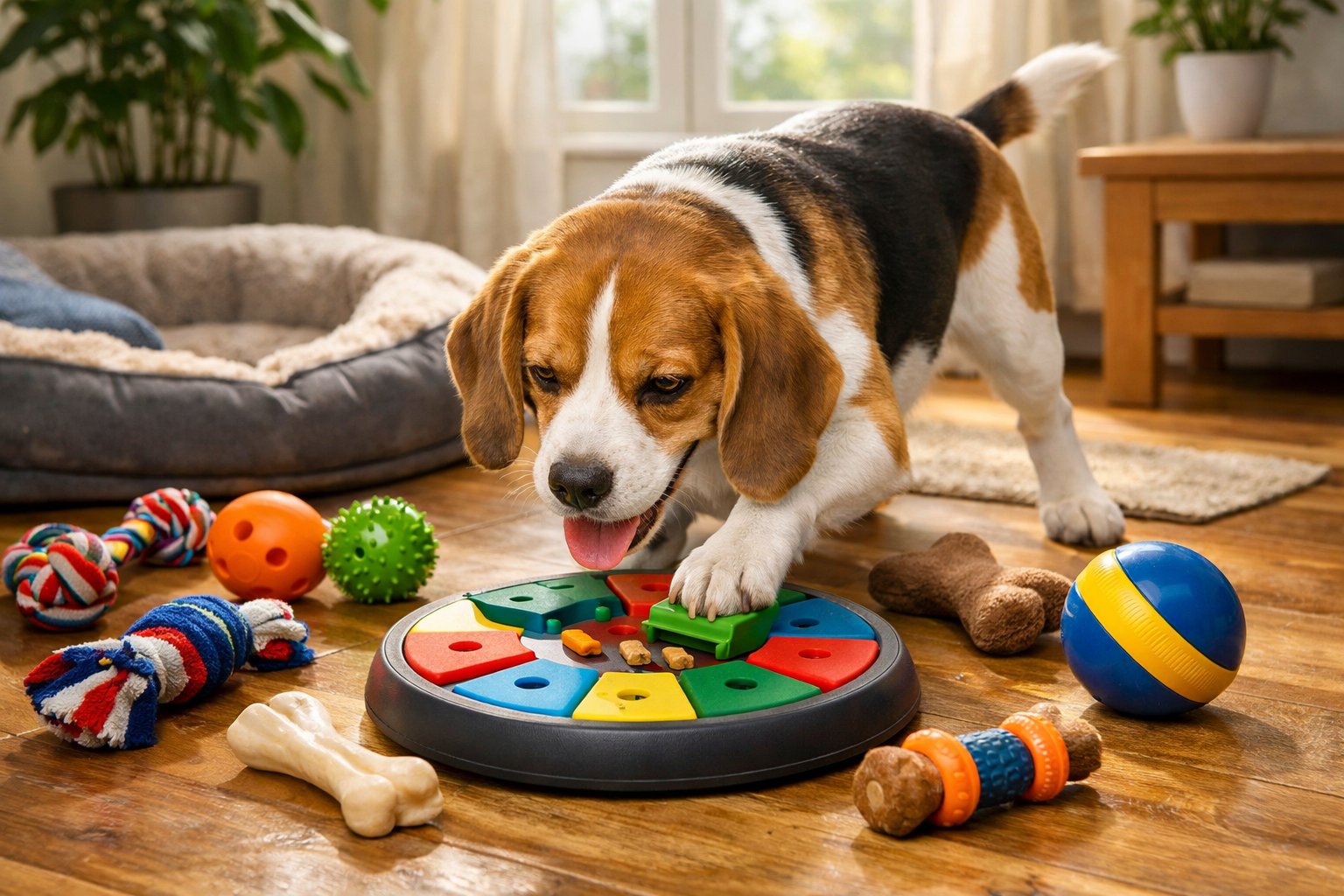
A Beagle dog playing with various toys and games in a cozy indoor play area.

Beagles get bored fast when toys do not match their energy, chewing habits, and strong noses. The right toy type keeps them busy, lowers stress, and reduces destructive behavior.

Interactive Puzzle & Treat-Dispensing Toys

Beagles love to use their nose and brain, so puzzle toys work well for mental exercise. These dog toys for beagles hide treats and force the dog to solve a task before eating.

That effort slows fast eaters and keeps the mind active. Puzzle plush toys that involve searching and pulling pieces out feel like a game.

A good example is hide-and-seek style toys similar to those in the Hide-A-Squirrel style puzzle toys for Beagles. These toys reward patience and focus.

What to look for

  • Multiple treat pockets or hiding spots
  • Clear challenge without being frustrating
  • Soft parts combined with durable seams

Toys for Aggressive Chewers and Durability

Many beagles chew hard, even if they look small. Durable chew toys protect furniture and help satisfy that need.

Rubber and heavy-duty synthetic materials last longer than soft fabric alone. Some of the best toys for beagles in this category use flexible rubber that bends but does not break.

Brands highlighted in guides like durable chew toys made for Beagles focus on safety and strength.

Key durability features

  • Thick rubber or reinforced nylon
  • Smooth edges to protect teeth
  • No small parts that can break off

These toys for aggressive chewers work best when rotated to keep interest high.

Best Plush and Comfort Toys

Not all beagle toys need to be tough. Many beagles bond with soft toys they can carry, nap with, or gently chew.

Plush toys often reduce stress and provide comfort, especially when the dog rests. Classic comfort toys like Multipet Lamb Chop remain popular because they feel familiar and safe.

Reviews of plush toys Beagles love to carry often note how these toys support emotional comfort, not just play.

Best uses for plush toys

  • Supervised indoor play
  • Crate time or quiet evenings
  • Dogs that enjoy carrying toys around

Choose plush toys with reinforced stitching and minimal stuffing.

Toys for Beagle Puppies

Beagle puppies need toys that match growing teeth and short attention spans. Soft chew toys help with teething pain while preventing damage to shoes and furniture.

Guides focused on toys for beagle puppies and young dogs often suggest lighter rubber chews, small plush toys, and beginner puzzle toys.

These options teach healthy play habits early.

Good puppy toy traits

  • Smaller size for easy grip
  • Gentle materials for sore gums
  • Simple designs with light sounds

Early exposure to safe beagle toys builds confidence and reduces boredom as they grow.

Engaging Games and Play Activities

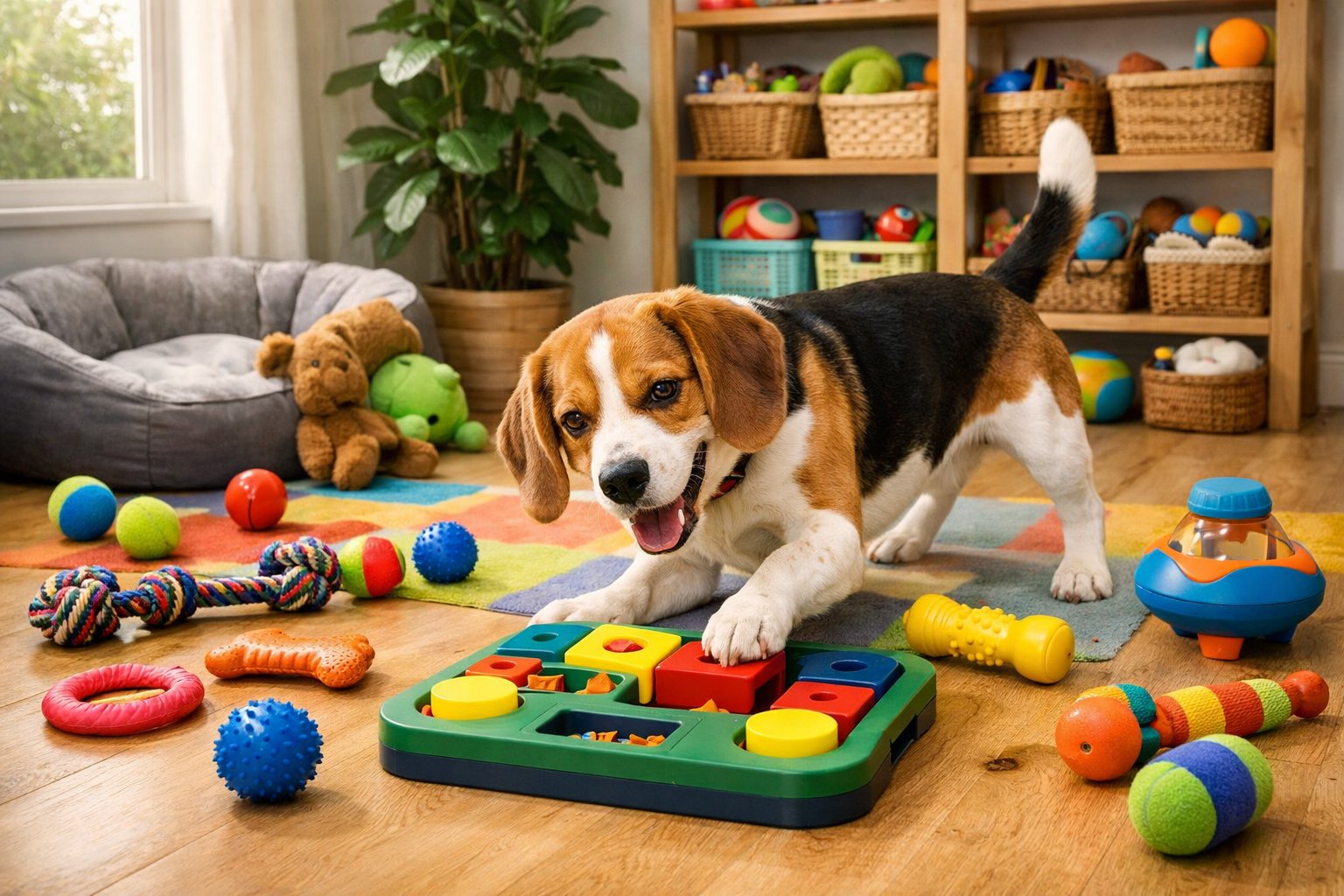
A beagle dog playing with various toys in a bright indoor playroom filled with puzzle toys, balls, and plush toys.

Beagles stay calmer and happier when play meets their need to move, think, and sniff. The activities below focus on simple games that reduce boredom and fit daily routines.

Indoor Games to Beat Boredom

Indoor play helps on busy or rainy days. Interactive dog toys keep a beagle focused without constant help from a person.

Puzzle boards and sliding boxes work well when paired with treat dispensing toys that release food slowly. Short games work best.

Hide-and-seek with treats behind furniture builds patience and focus. Tug games burn energy, but owners should set clear start and stop cues.

Helpful indoor options include:

  • Treat-dispensing toys that roll or wobble
  • Soft fetch games down a hallway
  • Simple training games using sit, stay, and come

Many owners rotate toys every few days to keep interest high. Ideas from indoor and outdoor beagle games show how variety prevents boredom.

Outdoor Activities for Active Beagles

Outdoor games let beagles use their energy in healthy ways. Fetch works best in short bursts, since beagles may lose focus.

A long leash adds safety while allowing room to run. Agility-style games also help.

Low jumps, tunnels, or cones challenge the body and brain. These setups do not need special gear.

Popular outdoor play includes:

  • Fetch with soft balls
  • Backyard agility courses
  • Structured walks with stop-and-go cues

Beagles respond well to clear goals and rewards. Many owners rely on ideas from beagle playtime games and activities to balance fun and control.

Scent and Nose Work Games

Beagles thrive on scent work because smell drives their behavior. Nose games reduce stress and tire them faster than running alone.

Simple scent games also limit unwanted chewing. Owners can hide treats in boxes, towels, or the yard.

Treat-dispensing toys with scent holes extend play time and boost focus. Common nose games include:

  • Find-the-treat searches indoors
  • Scent trails using food or toys
  • Box or cup guessing games

These games match a beagle’s instincts. Many trainers recommend treat-dispensing toys and scent challenges found in brain games for beagles to keep their minds busy.

Choosing and Using the Best Toys for Beagles

A Beagle dog playing with puzzle toys and surrounded by various dog toys in a cozy living room.

Beagles get bored fast, especially when they lack a clear task. The right toys give them a job to do, protect the home, and help them burn mental and physical energy each day.

What to Look for in a Beagle Toy

A Beagle toy must match the breed’s strong nose, steady energy, and love of chewing. Size matters.

A toy should feel big enough to avoid choking but small enough to carry with ease.

Key features to prioritize:

  • Durable materials like rubber or nylon for daily chewing
  • Food or scent play to support natural sniffing behavior
  • Mental challenge through puzzles or treat release
  • Easy cleaning since Beagles use their mouths and noses often

Many owners look for puzzle feeders such as the PetSafe Busy Buddy. These toys keep dogs working for treats and slow down fast eaters.

Breed guides often note that Beagles respond best to toys that reward effort, not just noise or motion, as seen in reviews of best dog toys for Beagles.

Top Picks: Best Dog Toys for Beagles

Beagles do best with a mix of toy types. Each type serves a clear purpose during the day and prevents boredom from setting in.

Toy Type Why It Works for Beagles
Puzzle toys Keep the nose and brain busy
Rubber chew toys Handle steady chewing
Indoor fetch balls Burn energy in small spaces
Plush toys Offer comfort during rest

Many roundups of the best dog toys for Beagles highlight puzzle toys, crinkle toys, and soft fetch balls. The PetSafe Busy Buddy line often stands out for treat play that lasts longer than basic chew toys.

Safety and Rotation Tips

Supervision matters, especially with new toys. Beagles test toys with strong jaws and quick focus, which can expose weak seams fast.

Owners should:

  • Remove toys with torn fabric or loose parts
  • Match toy strength to the dog’s chewing style
  • Wash toys weekly to reduce germs

Toy rotation keeps interest high. Swapping toys every few days makes old items feel new again.

Filed Under: Border Collies

  • « Go to Previous Page
  • Page 1
  • Interim pages omitted …
  • Page 5
  • Page 6
  • Page 7
  • Page 8
  • Page 9
  • Interim pages omitted …
  • Page 22
  • Go to Next Page »

Primary Sidebar

Must-Have Puppy Essentials for New Labradoodle Owners: Your Complete Starter Guide

Bringing home a Labradoodle puppy is an exciting time filled with wagging tails and playful energy. … [Read More...] about Must-Have Puppy Essentials for New Labradoodle Owners: Your Complete Starter Guide

Best Cooling Mats for Labradoodles in Summer: Keep Your Pup Comfortable During Hot Weather

Labradoodles have thick, fluffy coats that can make them uncomfortable during hot summer months. … [Read More...] about Best Cooling Mats for Labradoodles in Summer: Keep Your Pup Comfortable During Hot Weather

Top Car Seat Covers for Labradoodle Owners: Protect Your Vehicle from Fur and Mess

Labradoodles are wonderful family dogs, but they shed fur and can track dirt into your car. Their … [Read More...] about Top Car Seat Covers for Labradoodle Owners: Protect Your Vehicle from Fur and Mess

Best Dog Beds for Large Labradoodles: Comfortable and Durable Options for Your Furry Friend

Large Labradoodles need a comfortable place to rest after a day of play and exercise. A good dog bed … [Read More...] about Best Dog Beds for Large Labradoodles: Comfortable and Durable Options for Your Furry Friend

Best Crates for Labradoodles: Complete Mini vs Standard Size Guide for 2026

Labradoodles are popular dogs that come in different sizes, from mini versions around 15-30 pounds … [Read More...] about Best Crates for Labradoodles: Complete Mini vs Standard Size Guide for 2026

Best Healthy Treats for Labradoodle Training: Expert-Approved Options for 2026

Training a Labradoodle requires patience, consistency, and the right rewards to reinforce good … [Read More...] about Best Healthy Treats for Labradoodle Training: Expert-Approved Options for 2026

Are Elevated Bowls Good for Labradoodles? What Every Owner Should Know

Labradoodles are energetic and lovable dogs that need proper care at mealtime. One important choice … [Read More...] about Are Elevated Bowls Good for Labradoodles? What Every Owner Should Know

Best Supplements for Labradoodle Joint Health: Keep Your Pup Active and Pain-Free

Labradoodles are active dogs that love to run, jump, and play throughout their lives. Their … [Read More...] about Best Supplements for Labradoodle Joint Health: Keep Your Pup Active and Pain-Free

Top Slow Feeders for Labradoodles Who Eat Too Fast: A Guide to Healthier Mealtimes

Labradoodles are energetic dogs who often get very excited at mealtime. Many of them eat their food … [Read More...] about Top Slow Feeders for Labradoodles Who Eat Too Fast: A Guide to Healthier Mealtimes

Best Dog Food for Labradoodles: Top Picks for Puppies, Adults and Seniors in 2026

Labradoodles are energetic and friendly dogs that need the right nutrition to stay healthy … [Read More...] about Best Dog Food for Labradoodles: Top Picks for Puppies, Adults and Seniors in 2026

Categories

  • Border Collies
  • Uncategorized

Superduperdog.com - Copyright © 2026